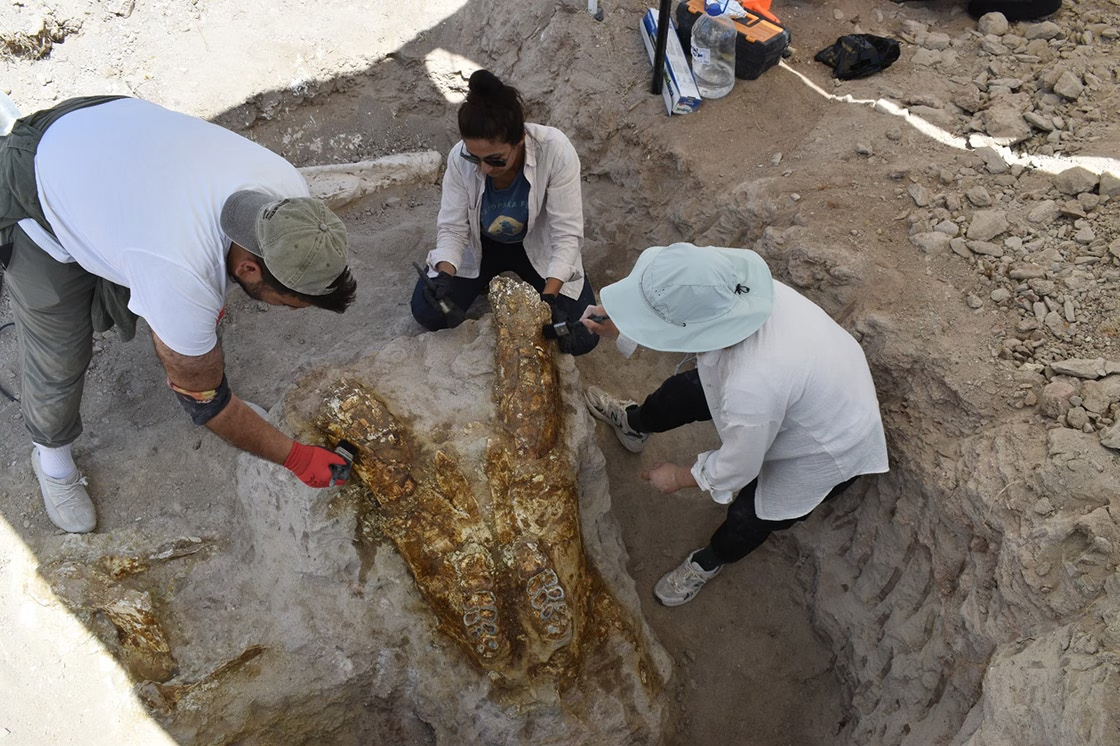
Excavations around the Yamula Dam in Kayseri, Turkey, have uncovered three remarkably well-preserved elephant skulls dating back 7.7 million years. The fossil site, rich in Late Miocene megafauna, is now considered one of the most significant paleontological locations in Anatolia.
Yamula Dam Becomes Turkey’s “Elephant Zone”
Excavations near the Yamula Dam in Kayseri’s Kocasinan district continue to rewrite the region’s prehistoric history. The fossil-rich area was first brought to scientific attention in 2017 after a local goat herder reported bone fragments. Systematic excavations began in 2018 and are now revealing one of the richest Miocene fossil deposits in the country.
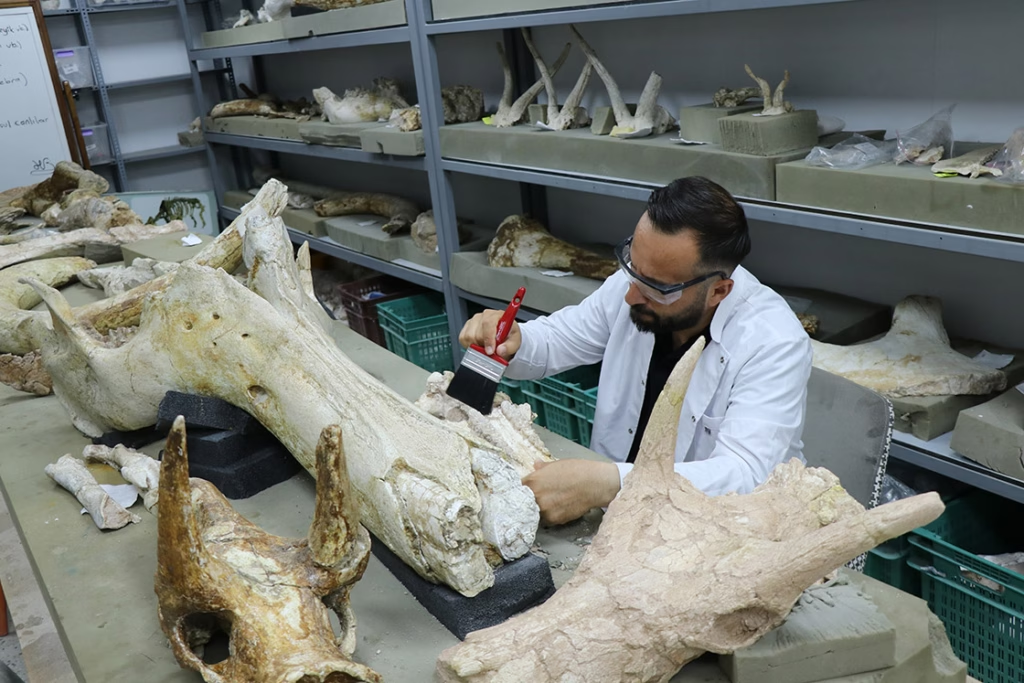
This season, researchers unearthed three elephant skulls—an unprecedented discovery for the site. The work is conducted under the supervision of the Kayseri Museum Directorate with permission from the Ministry of Culture and Tourism, supported by the Kayseri Metropolitan Municipality, and led by scientific advisors Prof. Dr. Okşan Başoğlu and Prof. Dr. Pınar Gözlük Kırmızıoğlu.
Internationally Significant Megafauna Fossils
Field archaeologist Ömer Dağ described the season as a landmark year for the project:
“Since the excavations began in 2018, we had only uncovered two elephant skulls. This year alone, we found three. One even had its lower jaw intact. Although the tusks were not well-preserved, the skulls themselves are nearly complete.”
The team refers to the Çevril district of the excavation site as the “elephant zone” due to the abundance of elephant remains found there. Radiometric dating indicates that these fossils are approximately 7.7 million years old, placing them firmly in the Late Miocene epoch.
“The size and preservation quality of these fossils are exceptional and have drawn international attention from the paleontology community,” Dağ added.
A Window Into Anatolia’s Ancient Ecosystem
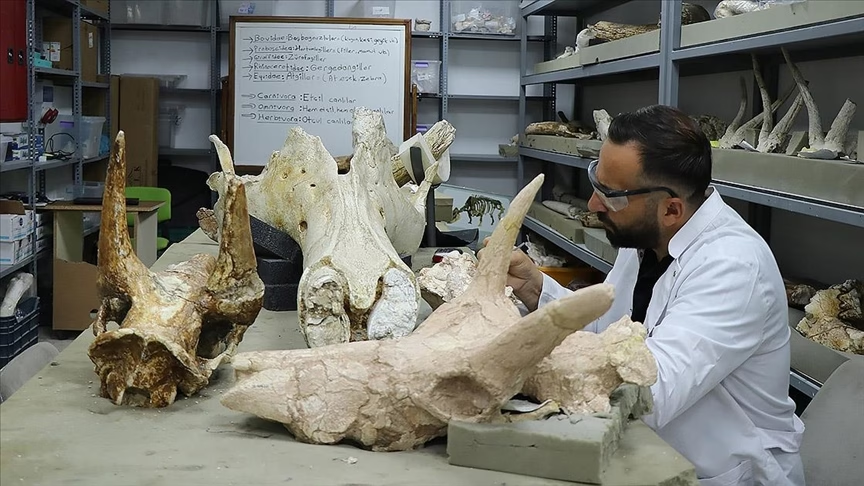
The Yamula fossil beds are not limited to elephants. The area has yielded remains of giraffes, mammoths, rhinos, three-toed horses, bovids (sheep, goats, antelopes), tortoises, pigs, and even a saber-toothed cat.
According to Dağ, this biodiversity offers invaluable insight into the region’s paleogeography:
“Some elephant species were adapted to swampy environments, using their jaws to dig for food, while others fed by knocking down trees. The varying fossil concentrations across the landscape reflect ecological diversity millions of years ago.”
Turkey’s Fossil Capital
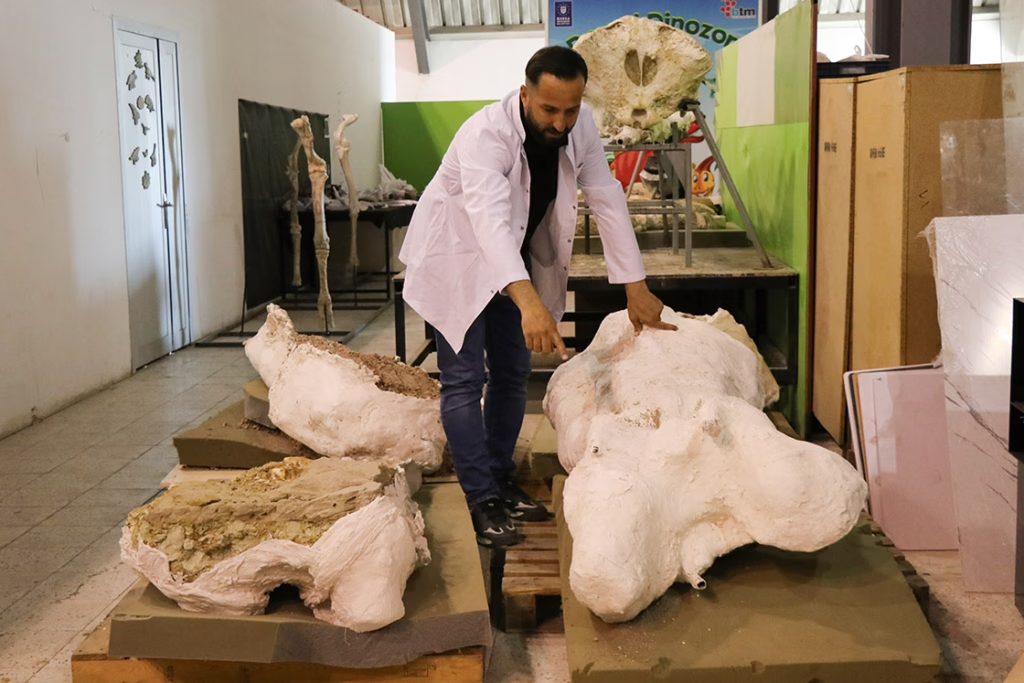
Since excavations began, Yamula has emerged as a key site for studying Late Miocene megafauna in Anatolia. Its exceptionally preserved fossils are reshaping global understanding of prehistoric ecosystems, making Kayseri a prominent stop on the paleontology map.