Excavations at Walufeni Cave reveal a dynamic network of cultural and economic exchange across Oceania thousands of years ago.
New research from Walufeni Cave, located in Papua New Guinea’s southern highlands, has uncovered compelling evidence that Indigenous societies in Oceania were far from isolated. Archaeologists have identified marine shells transported more than 200 kilometers inland, dating back 3,200 years.
Published in the journal Australian Archaeology, this is the first archaeological study ever conducted on the Great Papuan Plateau. The findings challenge long-standing Eurocentric narratives that portrayed early Indigenous communities as static and unchanging.
Professor Ian J. McNiven from Monash University describes this extensive network as the “Coral Sea Cultural Interaction Sphere”—a vibrant web of trade, ideas, and mobility connecting New Guinea, the Torres Strait, and northeastern Australia.
Shells That Traveled 200 Kilometers
The team found that Walufeni Cave has been occupied for more than 10,000 years, but around 3,000 years ago, its use changed dramatically. Researchers noted shifts in plant and animal exploitation, the emergence of rock art, and—most notably—the sudden appearance of culturally modified marine shells deep in the highlands.
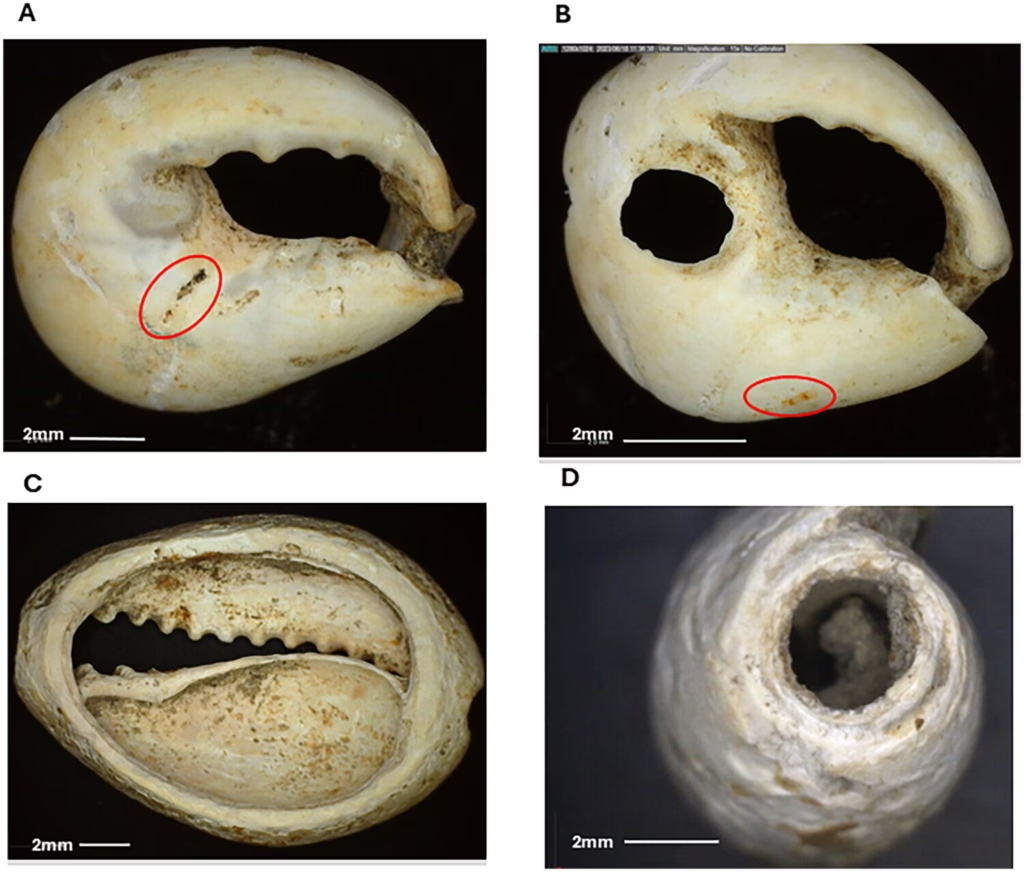
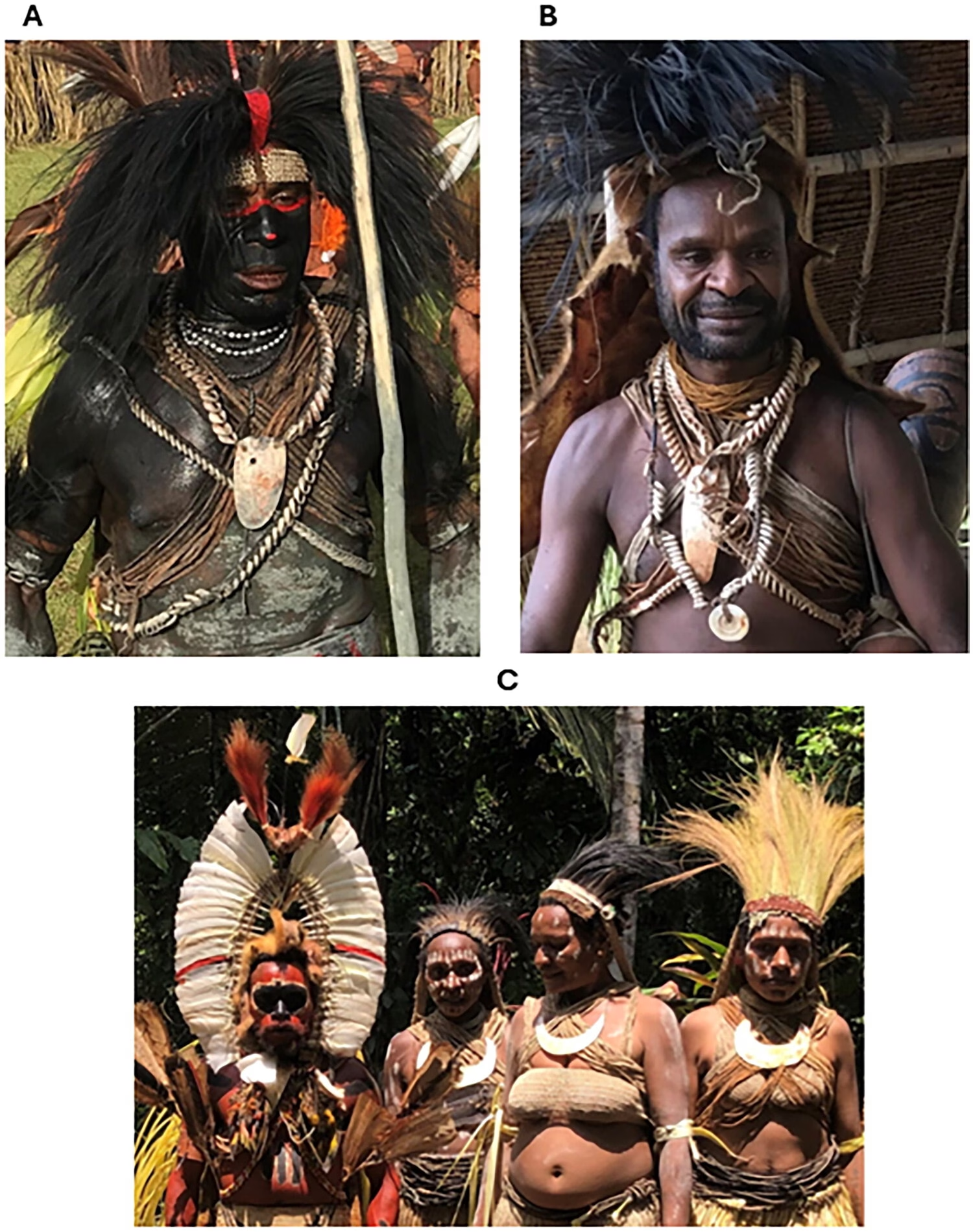
Species such as dog whelks (Nassaridae), cowries (Cypraeidae), and cone shells (Conidae) were discovered. These shells were pierced or shaped to be stitched onto garments or strung into necklaces, suggesting their role as status symbols, ritual objects, and even currency. Such items were critical in forging and maintaining long-distance social and trade relationships.
The Lapita Connection: Beyond Trade
The study also ties into broader patterns of cultural exchange. Lapita pottery—linked to Austronesian voyagers from modern-day Taiwan and the Philippines—appeared on the southern coast of New Guinea around 3,000 years ago. This pottery tradition, later influencing the Torres Strait and northern Australia, demonstrates technology transfer alongside trade.
Shared Myths Across Vast Distances
Even oral traditions reflect these connections. The cultural hero Sido/Souw appears in stories both on the Great Papuan Plateau and in Torres Strait and southern New Guinea, underscoring a shared cultural memory spanning thousands of kilometers.
Bryce Barker et al, Marine shell from Walufeni Cave and the origins of the Kasua: Implications for Late Holocene socio-cultural interaction on the Great Papuan Plateau, Papua New Guinea, Australian Archaeology (2025). https://doi.org/10.1080/03122417.2025.2540136