
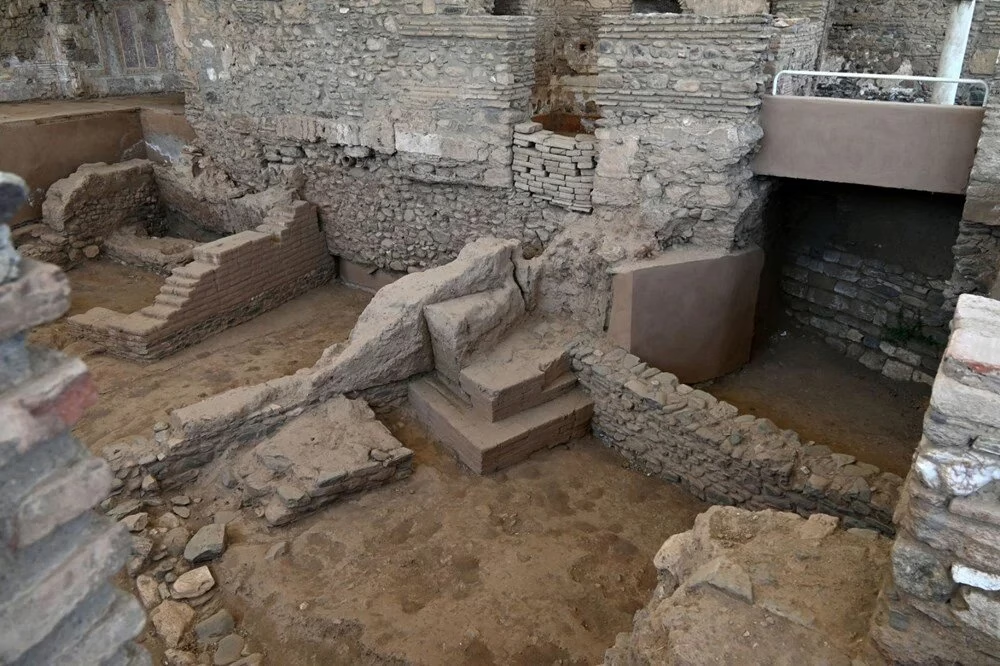
Amid the fertile plains of the Gediz Valley rises Sardis, the fabled capital of the Lydian Kingdom—a city synonymous with wealth and innovation. Visitors have long marveled at the towering columns of the Temple of Artemis, the grandeur of Roman baths, and the largest known synagogue of the ancient world. Soon, they’ll witness something never before accessible: the very heart of Lydian culture.
Listed as a UNESCO World Heritage Site, Sardis has been under excavation for nearly 120 years. Now, for the first time, remains from the Lydian period—dating back to around 700 BCE—are being prepared for public display. This includes structures scarred by the Persian invasion and artifacts that offer rare insights into daily life.
Nicholas Cahill, professor at the University of Wisconsin–Madison and head of the Sardis excavation, explains the significance of the upcoming visitor route:
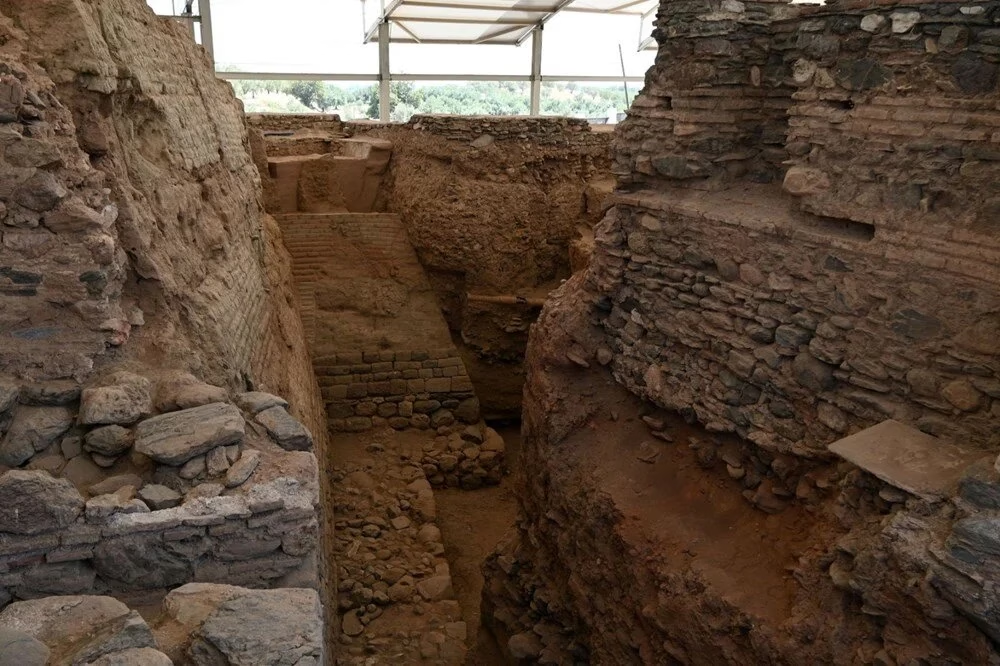
“Visitors will see the collapsed Lydian city wall, layers of burnt mudbrick, houses, and even a Lydian kitchen. Inside that kitchen, we uncovered about 30 plates, a hearth, several pots and lids, and an iron spit for roasting meat. Nearby, we found the skeleton of what we believe was the homeowner—an elderly person. And perhaps most surprising, we discovered a glass workshop.”
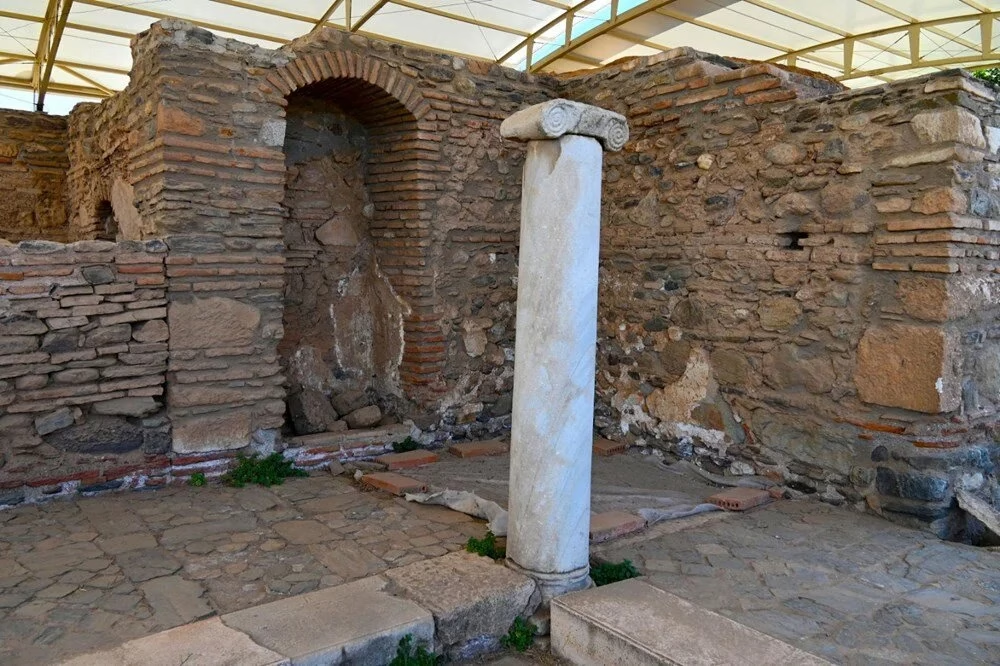
This workshop produced an extraordinary material: deep red glass—hard and opaque, more like stone than window glass. According to Cahill, this type of glass was not found in Greece at the time but likely originated in Mesopotamia, underscoring the far-reaching trade connections of the Lydian kingdom:
“These materials show how connected Sardis was to broader cultural and economic networks.”
The new visitor path will lead into a deep excavation pit now sheltered by a protective roof. Here, guests will encounter Lydian homes, evidence of Persian destruction, and the foundations of a city that revolutionized the ancient economy by minting the world’s first state-backed coins.
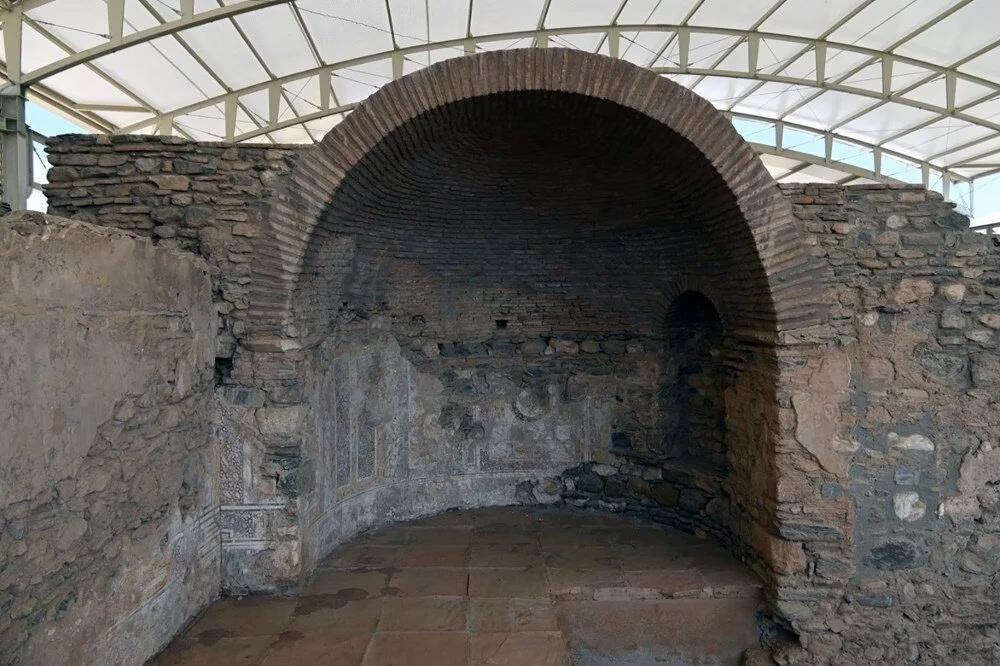
Excavating this layer was no easy feat. Cahill notes that the team had to work carefully around later Roman and Hellenistic remains to avoid damaging them:
“We could only open a small area, but for the first time, people will experience Lydian culture in a meaningful way.”
Soon, a trip to Sardis will offer more than monumental ruins—it will open a rare window into the lives, crafts, and resilience of one of antiquity’s most influential civilizations.