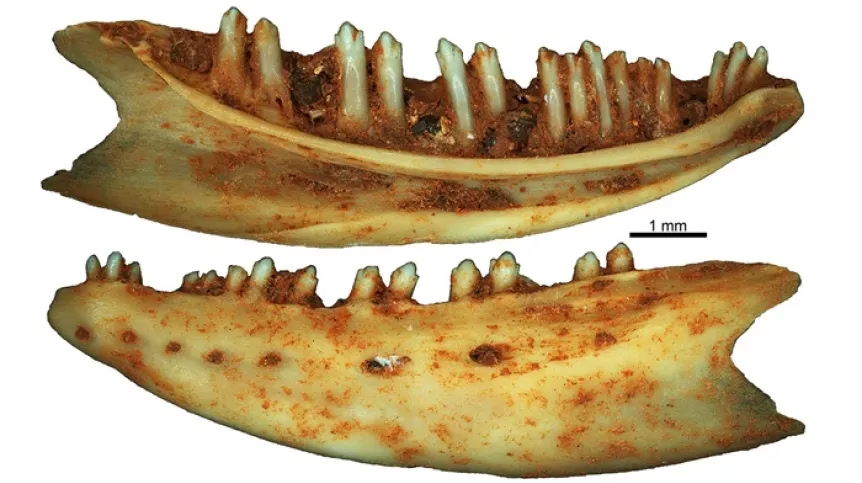
In the abandoned phosphate mines of Quercy, southern France, paleontologists have uncovered fossils that reveal a lost ecosystem of Europe’s tropical forests 37 million years ago. The findings include venomous relatives of the Gila Monster, massive armored lizards, giant frog kin, and several species of iguanas. Among them, scientists identified two species previously unknown to science.
A prehistoric jungle revealed
The discovery was made by Dr. Georgios Georgalis from the Polish Academy of Sciences in Kraków and Alfred Lemierre from the Royal Tyrrell Museum of Paleontology in Canada. Their study sheds light on the diversity of reptiles and amphibians that thrived during the late Eocene epoch, a period marked by a warm, almost rainforest-like climate in Europe.
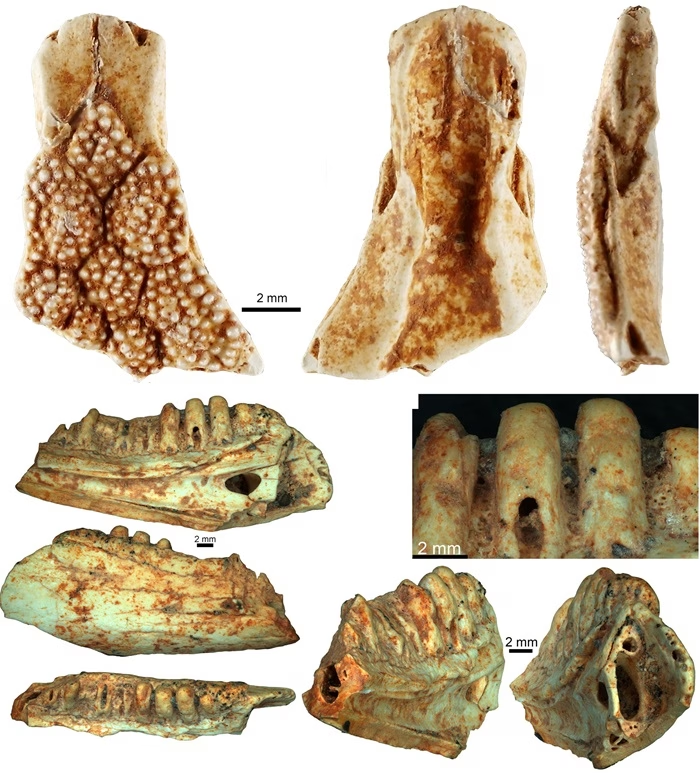
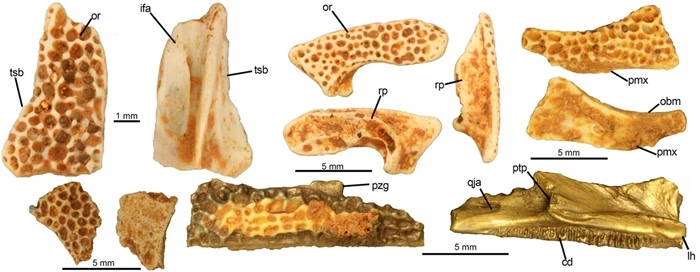
Cadurcopanoplos: the armored giant
One of the newly described species, Cadurcopanoplos, belonged to the now-extinct family of glyptosaurs. Its body was covered in heavy bony plates, creating a natural armor similar to a medieval knight’s suit. The species’ name refers to the ancient Cadurci people of the Quercy region. Cadurcopanoplos and its relatives disappeared around 34 million years ago, when climate cooling drastically altered Europe’s ecosystems.
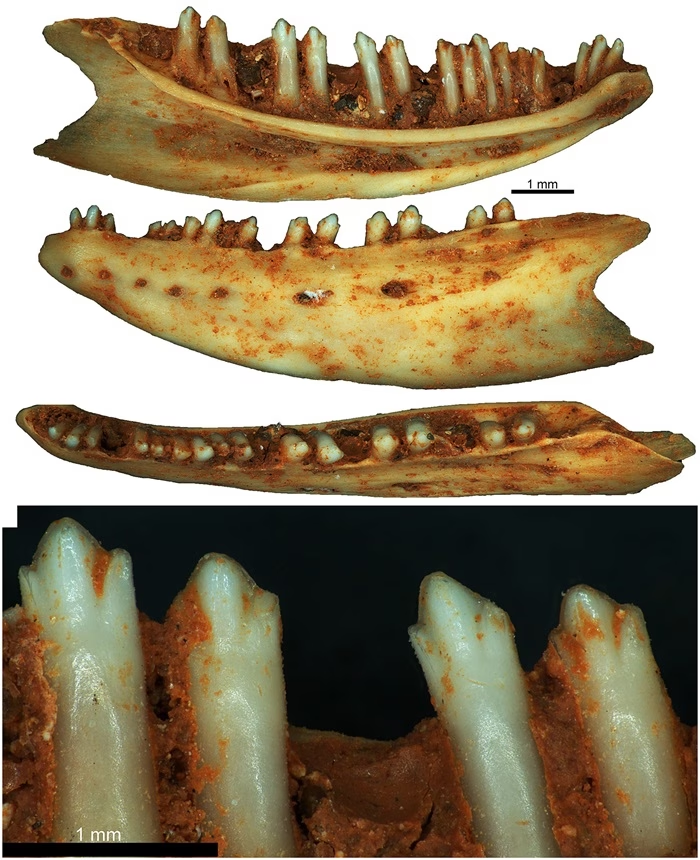
Phosphoriguana: the phosphate iguana
The second new species, Phosphoriguana, was a small iguana with distinctive teeth and jaw morphology. Its name refers to the phosphate mine where the fossil was discovered. The find highlights the rich reptile diversity of late Eocene Europe, once linked to tropical environments now long gone.
Lessons from past climates
Quercy’s phosphate mines have been famous since the 19th century for their mammal fossils, but reptiles and amphibians remained poorly studied. These new discoveries reveal that Europe’s “lost jungles” hosted venomous lizards, armored reptiles, and exotic amphibians, many of which vanished during a sudden global cooling event.
Scientists warn that studying such past extinctions is crucial for understanding how today’s rapid climate change might reshape biodiversity in the future.