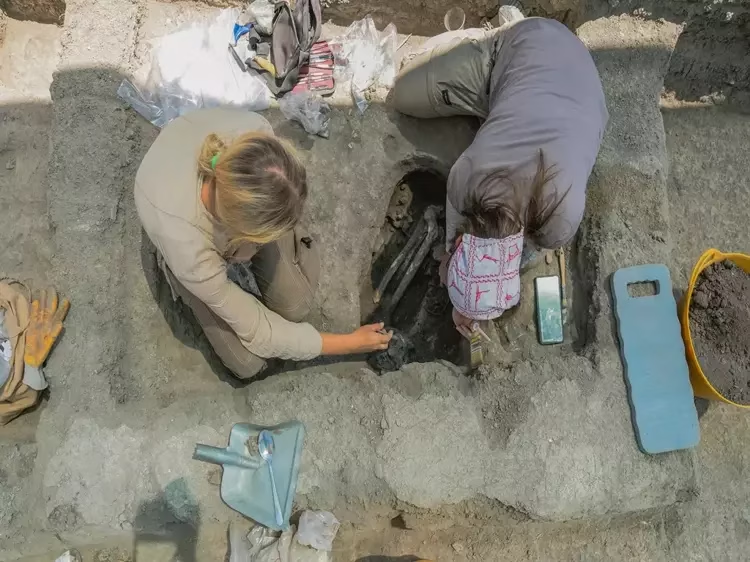
Archaeologists excavating the Neolithic settlement of Çatalhöyük in central Türkiye have uncovered a striking discovery that sheds new light on prehistoric ritual life. In the eastern sector of the site, a Polish team unearthed a structure they call the “House of the Dead,” where the remains of 20 individuals were carefully placed beneath the floor.
Prof. Dr. Arkadiusz Marciniak of the Institute of Prehistory at Poznań University, who leads the excavations, explained that the individuals likely died elsewhere and were later brought to this structure for ceremonial burial. Researchers believe the building was not used for domestic life but served as a mortuary space with ritual significance.
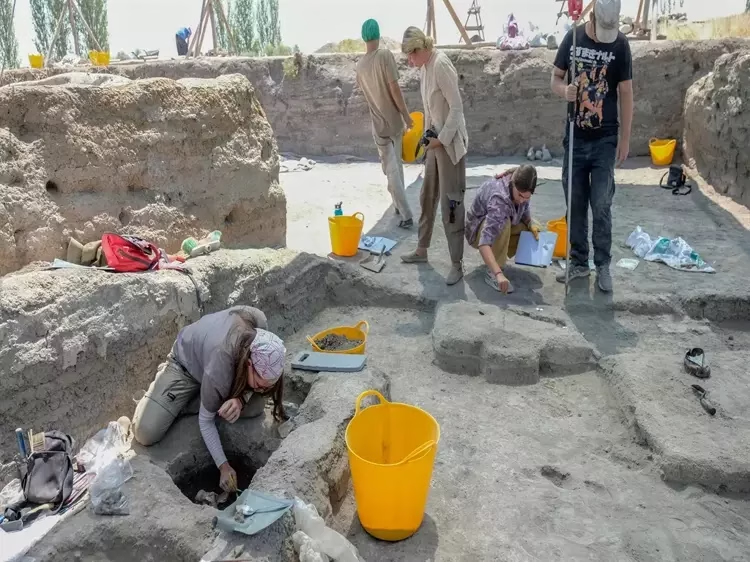
Ritual structures uncovered
This season’s excavations also revealed a large ritual building with painted walls and 14 platforms, which will be explored in detail next year. In addition, archaeologists identified a small, carefully plastered structure that was not used for everyday activities, as well as one of the oldest houses in the eastern settlement, beneath whose platforms three burials were found. Radiocarbon analysis will be required to establish the precise dating of these discoveries.
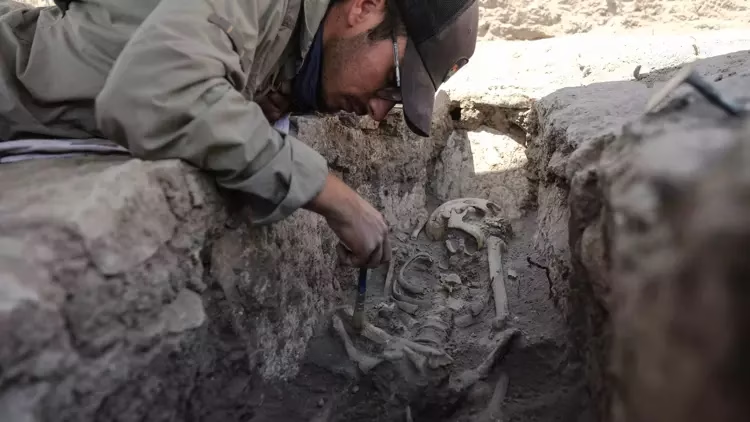
Çatalhöyük: More Than a Neolithic City
Dating back nearly 9,000 years, Çatalhöyük is one of the earliest known farming communities and a key site for understanding the transition from hunting and gathering to agriculture. The practice of burying the dead beneath house floors, combined with symbolic wall paintings and ritual spaces, highlights how Neolithic societies intertwined memory, spirituality, and daily life.
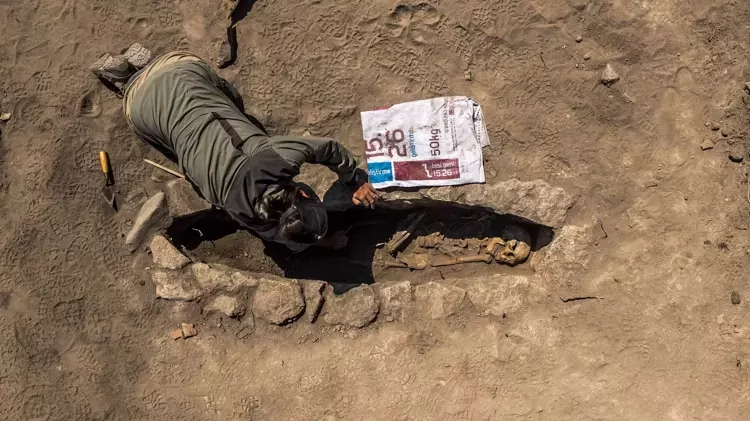
Listed as a UNESCO World Heritage Site since 2012, Çatalhöyük continues to offer groundbreaking insights into the origins of urban life and belief systems in early human history.