
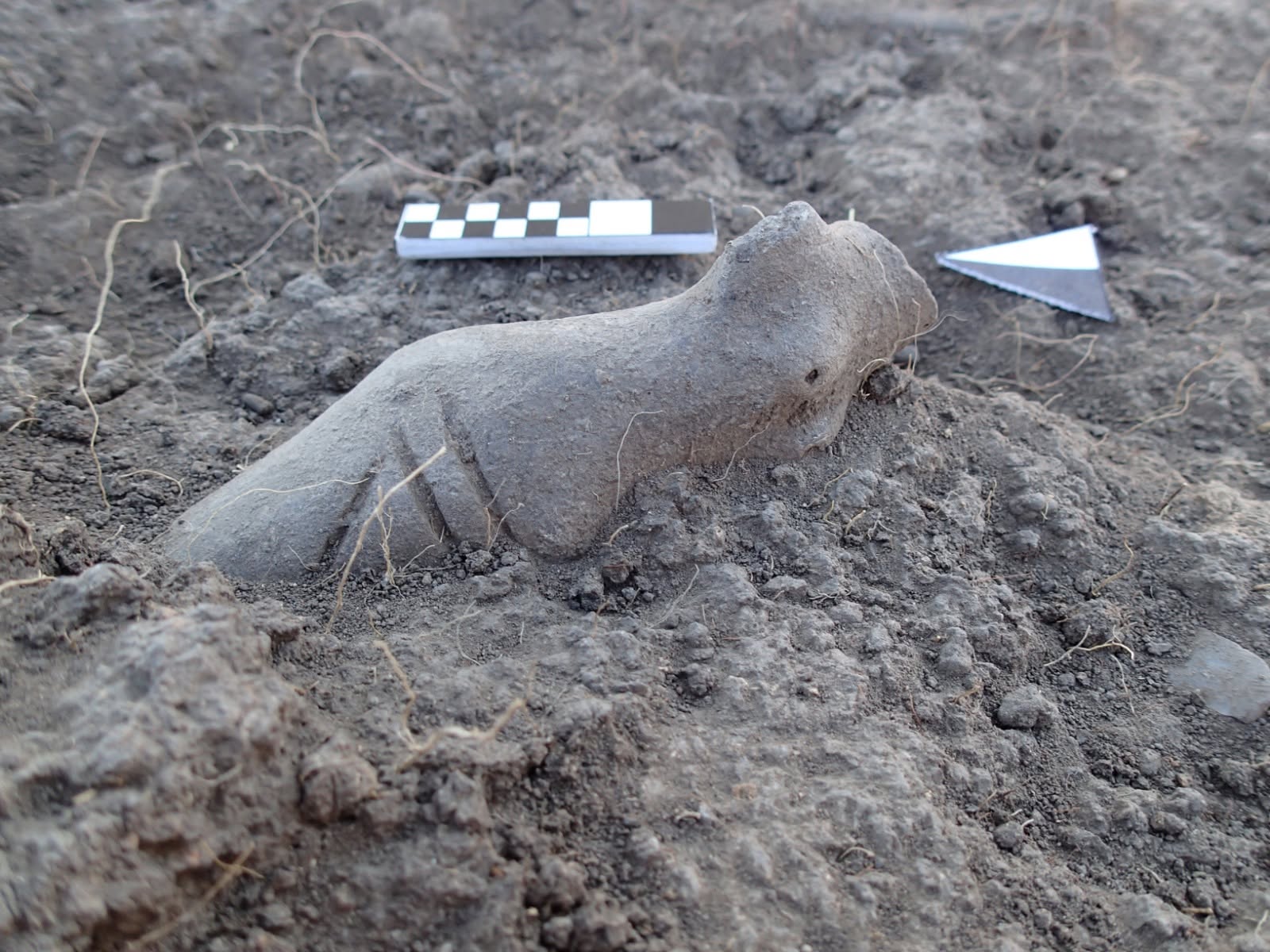
Headless figurines found at Kanlıtaş Höyük in western Turkey may preserve one of the most intimate traces of Neolithic ritual behavior: the moment when a building was deliberately closed and something was left behind.
The four terracotta female figurines, discovered near İnönü in Eskişehir Province, date back roughly 8,000 years. Found close to floor levels inside building fills, they suggest that some rooms at the settlement were not simply abandoned, but sealed through a deliberate act.
Their setting matters as much as their form. These were not objects recovered from an ordinary rubbish layer. Their repeated appearance in similar architectural contexts gives the Kanlıtaş finds unusual weight in the study of Neolithic ritual life in inland western Anatolia.
A Neolithic settlement between central and western Anatolia
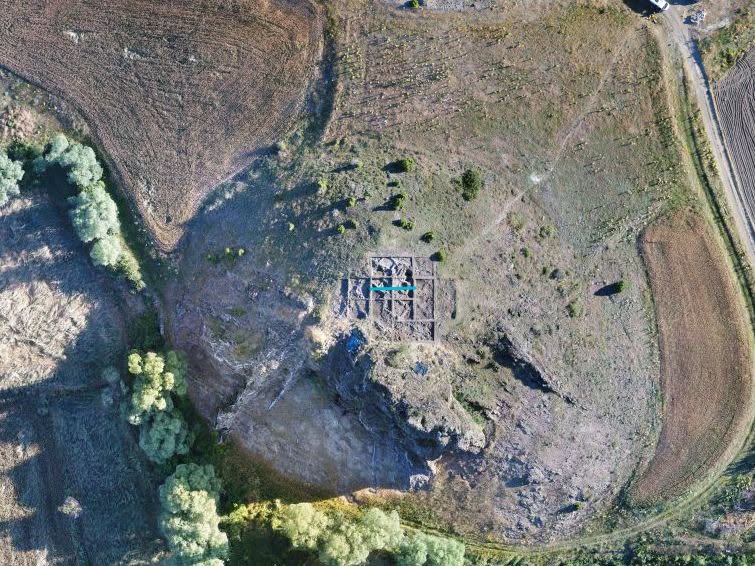
Kanlıtaş Höyük is one of the earliest known settlements in inland western Anatolia, a region that includes modern Eskişehir, Afyonkarahisar, and Kütahya. Excavations at the mound were conducted between 2013 and 2019 under the direction of Prof. Dr. Ali Umut Türkcan of Anadolu University’s Department of Archaeology.
The site belongs to the cultural horizon known as the Porsuk culture. Prof. Türkcan describes Kanlıtaş as one of its earliest dated settlements, giving the mound a special place in the archaeology of western Turkey.
That position matters. Kanlıtaş lies between central Anatolia and western Anatolia, two regions often discussed through better-known Neolithic centers. The finds from this mound help fill a quieter but important part of the prehistoric map.
Excavations uncovered numerous rectangular structures and rooms. In some of them, archaeologists found terracotta female figurines within fill deposits close to the floors. Their placement suggests that they were connected with the closing of these spaces, rather than with everyday discard.
Why were the figurines headless?
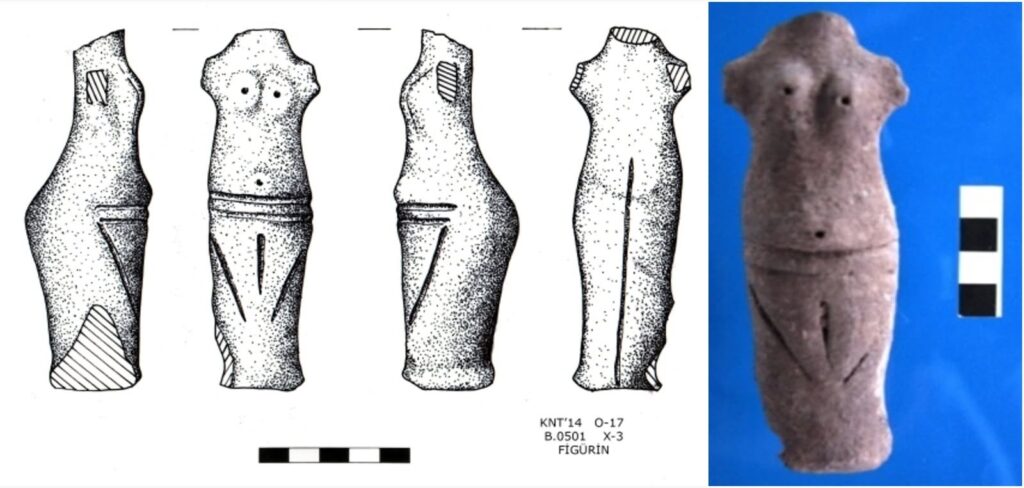
The figurines vary in size. The largest and most carefully made example measures about 12 to 13 centimeters. The others are smaller, generally around 5 to 6 centimeters.
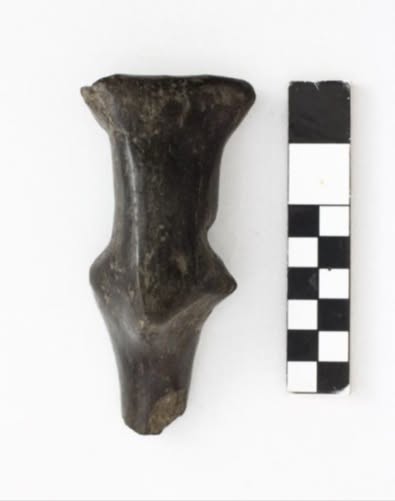
Female figurines are well known from Neolithic Anatolia, including sites such as Çatalhöyük. The Kanlıtaş examples stand out because of the repeated absence or breakage of the head, and because they were found in architectural contexts linked to closure.
According to Prof. Türkcan, female figurines recovered from deliberately closed spaces, especially when headless or with broken heads, may have been left as offerings when the rooms were sealed or abandoned.
A broken object does not automatically mean ritual. Archaeology rarely allows such simple conclusions. But at Kanlıtaş, the pattern is difficult to dismiss: headless figurines, more than one room, floor-level deposits, and spaces that appear to have been closed with intention.
The last stage in the life of a space
For Neolithic communities, a structure was not always just a shelter. It could carry memory, routine, family history, and symbolic value. When its use ended, that ending may have required more than filling the room with soil.
The Kanlıtaş figurines may belong to that final stage.
Placed close to the floors, they may have marked the last moment in the use of these spaces. The missing heads could reflect deliberate breakage before deposition, or an action performed as part of the closure itself.
Similar practices are known from Çatalhöyük, where some buildings were carefully closed and selected objects were placed within architectural deposits. Kanlıtaş adds an important example from inland western Anatolia, showing that such practices were not limited to the major Neolithic centers of central Anatolia.
Small objects, a rare archaeological trace
The four headless figurines from Kanlıtaş Höyük are modest in size. Their importance comes from their setting.
They suggest that people in this 8,000-year-old settlement paid attention not only to how rooms were built and used, but also to how they ended. The final act may have involved selected objects, intentional breakage, and deposition inside the structure itself.
In that sense, the figurines do more than represent Neolithic female forms. They preserve a trace of behavior: a moment when people closed a space and left something behind.
Research on the Kanlıtaş finds continues. As the material is studied in greater detail, the headless figurines may help archaeologists better understand how early communities in western Turkey gave meaning to the end of a building’s use.