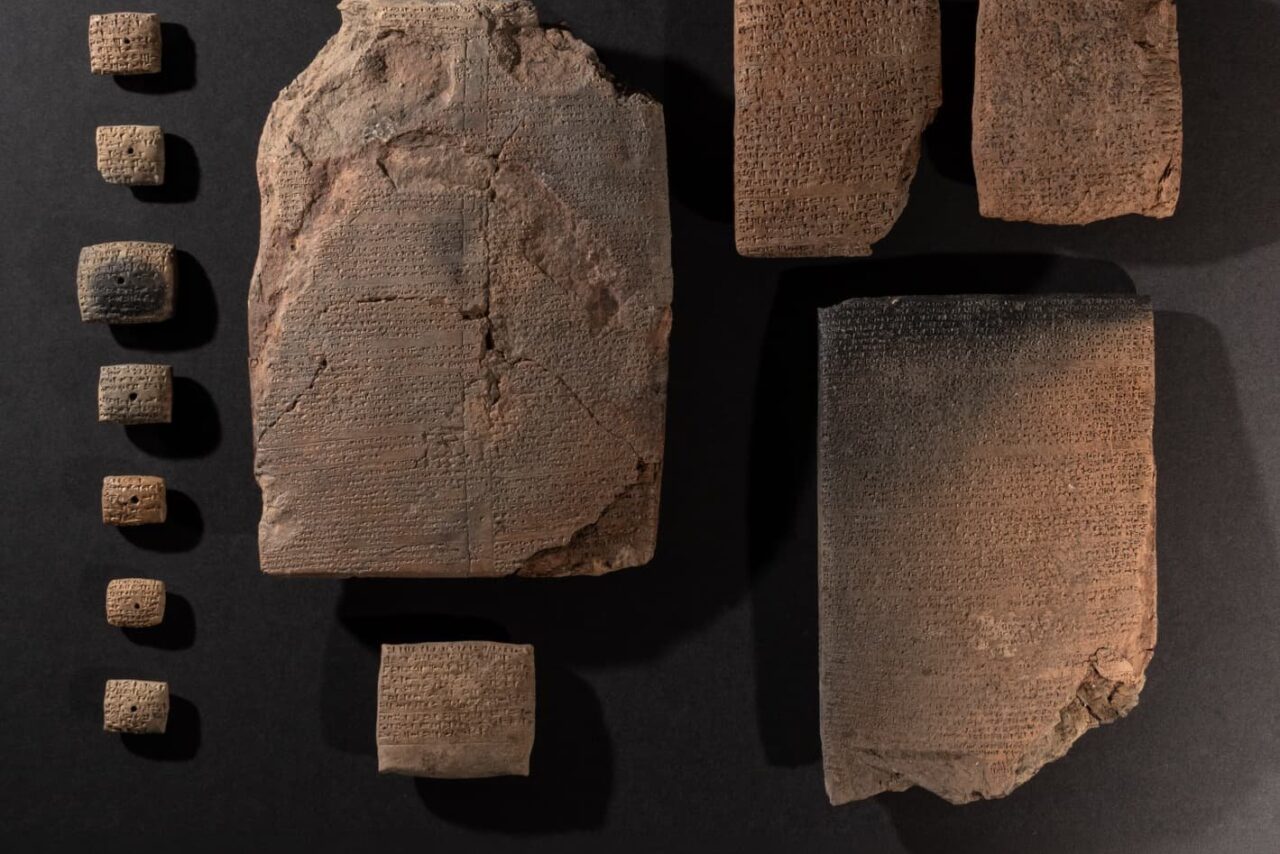
Archaeologists at the Kayalıpınar mound in Sivas, Turkey, have unearthed a royal archive that reveals far more than the usual machinery of Hittite power. The 131 tablets and fragments recovered during the 2026 season bring the total collection to 184 pieces. Together they record a high-fever epidemic that moved from city to city, the illness and death of an infant princess, the funeral rites that followed, and a panicked military appeal from the western frontier.
Türkiye’s Minister of Culture and Tourism, Mehmet Nuri Ersoy, announced that the texts date primarily to the reign of King Tudhaliya II in the 14th century BCE. Written in both Hittite and Hurrian, they come from the ancient city of Šamuḫa. Specialists already regard the archive as the richest Hittite-language royal collection discovered in the 21st century.
The Epidemic and the Short Life of a Royal Infant
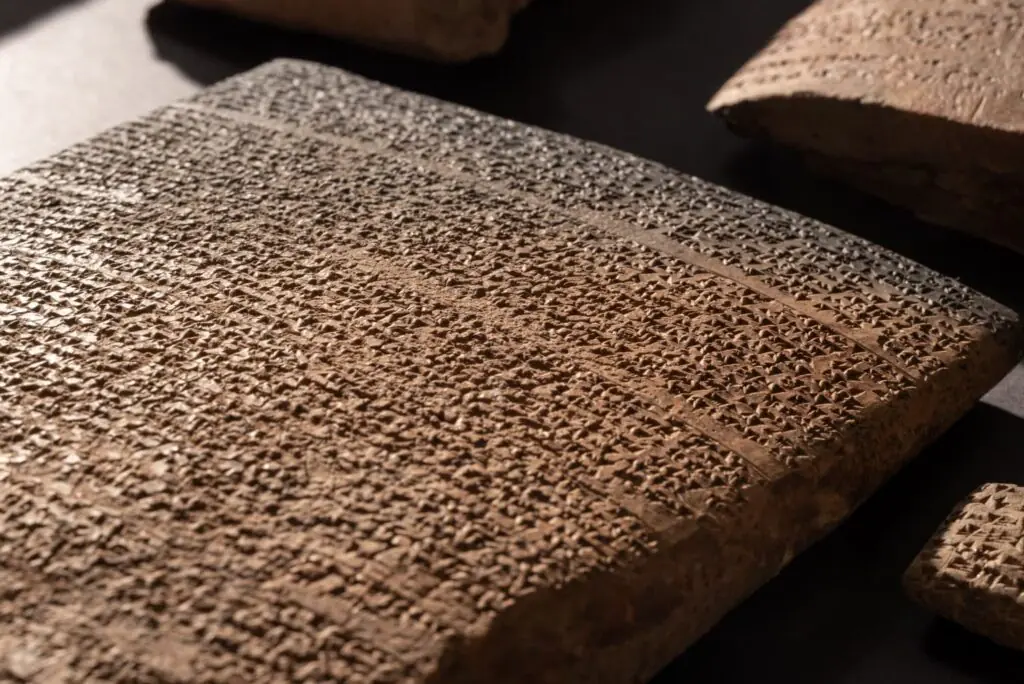
The most affecting group of tablets tracks a high-fever illness that struck children hardest. One sequence follows an unnamed infant princess day by day. Scribes recorded the progress of her fever, her death, and the funeral ceremonies performed immediately afterward. These documents offer the clearest view yet of how the Hittite court responded to epidemic disease—through careful observation and intense ritual.
A Desperate Plea from the West
Another set of tablets contains a letter from Hittite commanders stationed in western Anatolia. They urgently requested reinforcements—soldiers, horses, and chariots—and warned that without help the army faced complete destruction. The enemy has not yet been identified, but the tone of the letter leaves little doubt about the gravity of the situation on the ground.
Divination and the Business of Empire
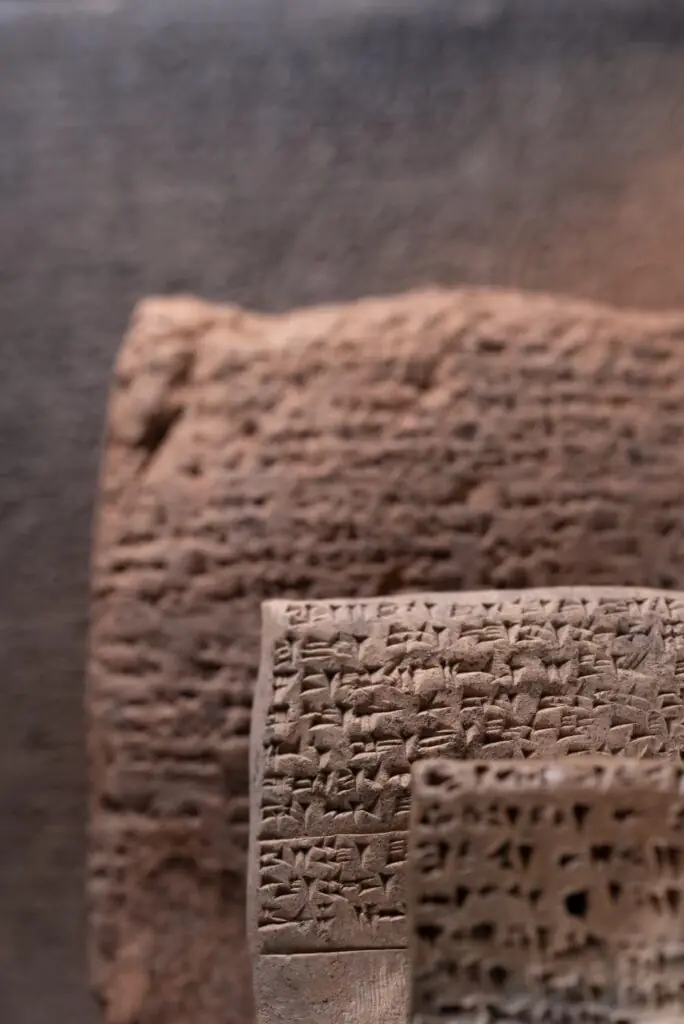
The archive also preserves detailed records of bird diviners. These specialists followed fixed routes, observed the flight of birds, and reported their findings to the state. The new tablets show how deeply such practices were integrated into daily administration.
Šamuḫa, situated on the banks of the Kızılırmak River, functioned as both a political and religious center. King Tudhaliya II occasionally resided there with his court. Combined with earlier discoveries of palace structures and seal impressions, the archive clarifies the city’s central role in Hittite governance.
These clay tablets were created to manage an empire. Today they also preserve something rarer: the fear of disease, the grief of a royal family, and the urgent voice of commanders far from the capital. The lines pressed into the clay now reveal the most fragile human face of the Hittite world.
Cover Image: At Samuha (Kayalıpınar), an important administrative center of the Hittites after their capital Hattusa, dozens of new tablets from the Hittite royal archives have been unearthed during ongoing excavations. Credit: Kayalıpınar Excavation Archive / Turkish Ministry of Culture and Tourism