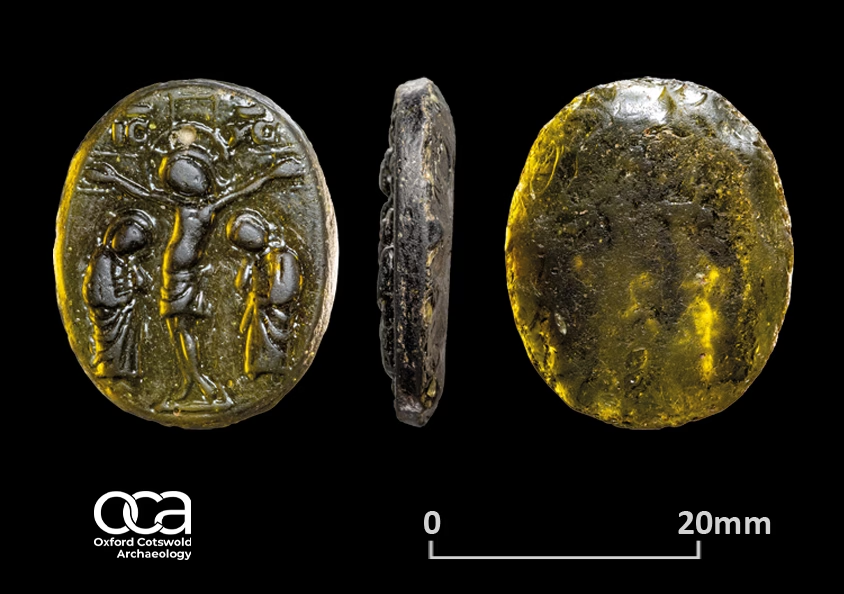
Archaeologists from Oxford Cotswold Archaeology have uncovered a small yet extraordinary Byzantine glass cameo depicting the Crucifixion of Christ, offering a rare glimpse into how sacred imagery circulated across the medieval world.
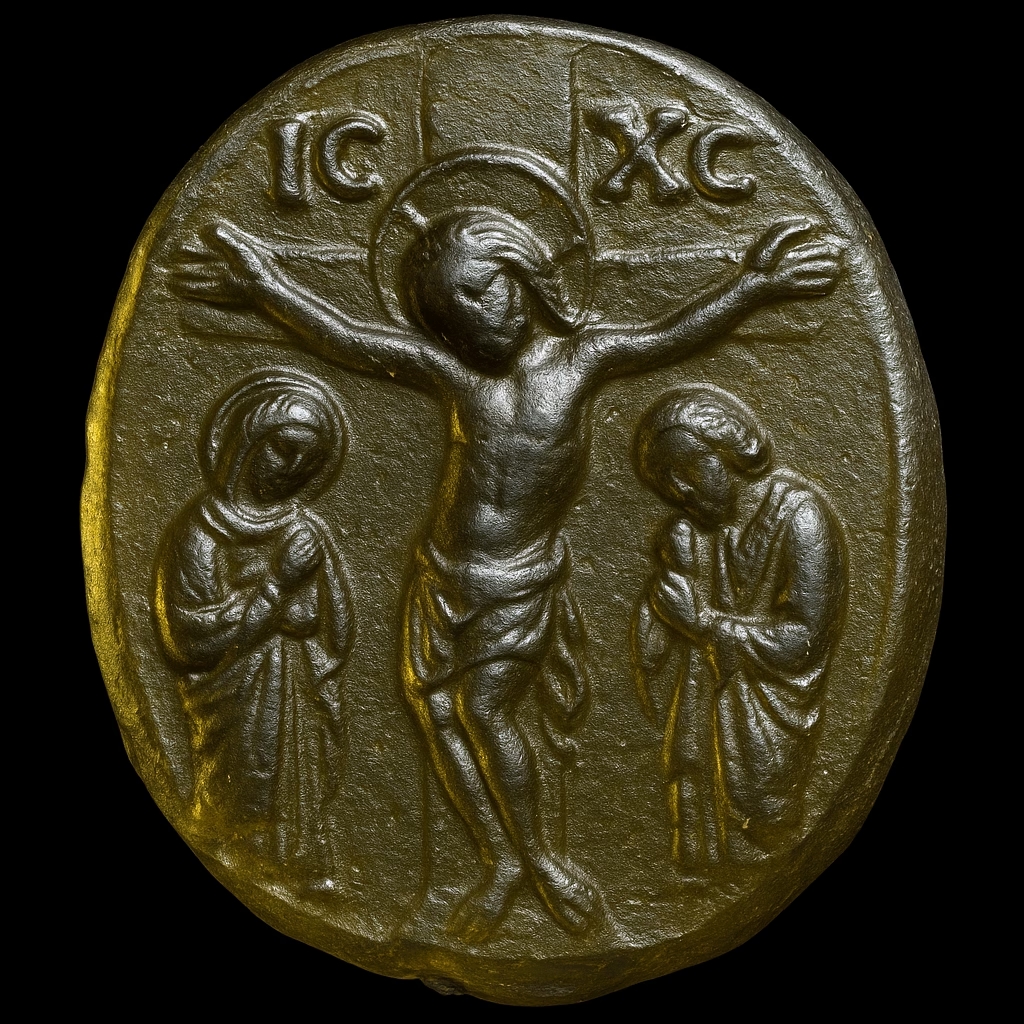
The translucent green cameo — just 2 centimeters across — shows Christ on the Cross, flanked by the Virgin Mary and St. John, with the Greek Christogram “IC XC” inscribed above. Such inscriptions, abbreviating Iēsous Christos (“Jesus Christ”), were commonly used in Byzantine religious art to signal divine presence.
A Pilgrim’s Souvenir from Byzantium
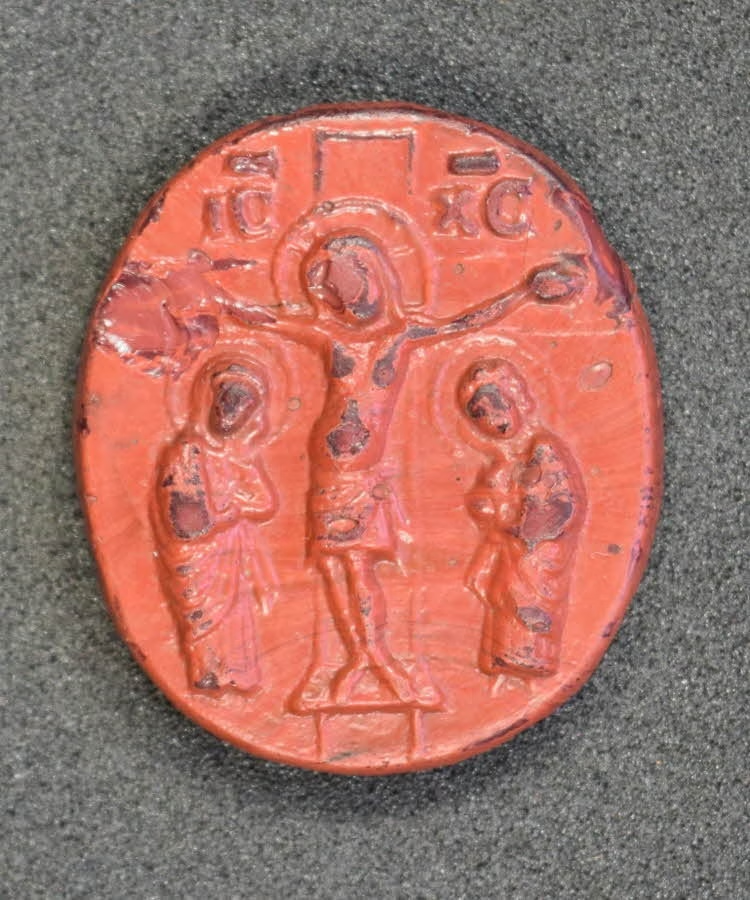
Experts believe that this type of cameo was produced between the 11th and 12th centuries in Byzantium, likely intended as a pilgrim souvenir or devotional token. More than 200 similar medallions have been documented across Europe and the Near East, representing around 60 unique mold designs. Each carries scenes of Christ, the Virgin, or saints — tangible memories of a pilgrimage to the Holy Land or Constantinople.
The beveled reverse of the British find suggests it was once mounted into a ring, pendant, or reliquary, designed to catch light only at certain angles — creating a dark, almost solemn visual effect when worn. Such subtle interplay of light and glass was a hallmark of Byzantine craftsmanship, reflecting the theological concept of divine illumination.
An Object of Faith and Circulation
Although discovered far from the Byzantine heartlands, the cameo’s presence in England underscores the expansive trade and pilgrimage networks of the medieval world. Devotional objects from Byzantium were prized across Christendom, often carried by travelers, merchants, and Crusaders returning from the eastern Mediterranean.
Comparable examples are preserved in the Benaki Museum (Athens) and the British Museum (London), where scholars have identified similar crucifixion motifs molded in colored glass — red, green, or amber — produced in Constantinople or Venice, both major centers of glass technology.
Material Faith: Theology in Glass
The choice of glass over precious stone was not merely economic. Byzantine theology held that transparent materials embodied purity and divine light. By transforming molten sand into sacred imagery, these artisans quite literally “forged faith from fire.”
This new discovery, recovered from the Suffolk coast, may once have belonged to a devout pilgrim — or perhaps a trader who carried a fragment of Byzantium into the farthest reaches of medieval Europe.
Cover Image: Byzantine glass cameo depicting the Crucifixion of Christ with St. Mary and St. John, discovered in Suffolk, England. Dated to the 11th–12th century. Credit: Oxford Cotswold Archaeology