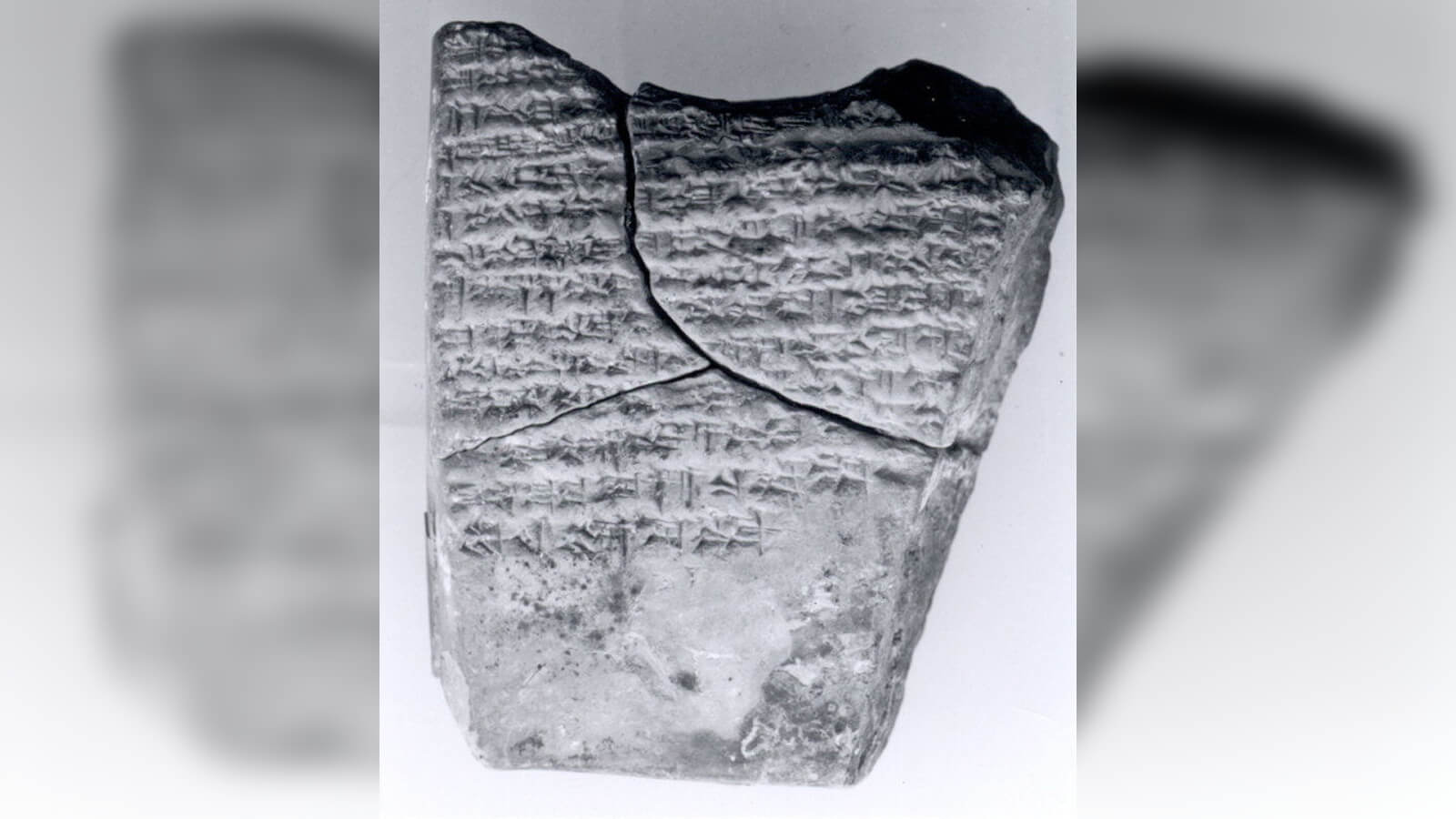
More than 2,500 years ago, Babylonian school tablets were part of a demanding education built around copying signs, words and texts again and again. Instead of spelling exercises or multiplication tables, a student might work from a clay tablet containing the names of gods, a hymn to Marduk, or a story explaining how divine and human worlds were believed to work.
A new study of surviving school tablets offers a closer look at what young scribes in first-millennium BCE Babylonia were actually expected to learn. The evidence suggests that religious knowledge was not taught as a separate subject. It was embedded in literacy, literature and professional training, shaping how students understood their gods, their cities and the wider social order.
Published in the journal Iraq, the research by Shana Zaia of Vrije Universiteit Amsterdam brings together school exercises from Babylon, Nippur and other Mesopotamian cities. The material reveals a classroom in which learning to write also meant learning how the world was organized.
Hundreds of gods began with a writing exercise
Students training as scribes worked through elementary exercises before some moved on to more advanced study and professional specialization. Among their lessons were lists of divine names, beginning with relatively simple texts and progressing to increasingly complex material.
One such text, known as the An list, introduced students to a basic pantheon. At a more advanced level came An = Anum, a much larger scholarly list that connected Sumerian and Akkadian names for deities.
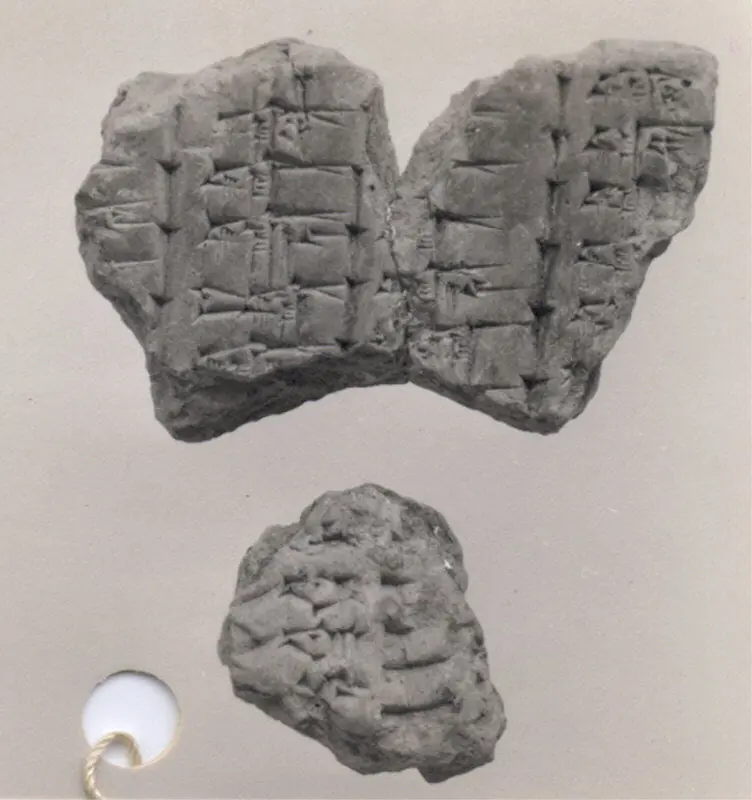
Some of these lists contained hundreds of gods, but they were not simply theological catalogues. They also trained students to recognize cuneiform signs, expand their vocabulary and organize increasingly complex information.
As their education progressed, students encountered prayers, hymns and myths that described what particular gods could do and how they related to one another. Marduk, Nabû, Ninurta and Šamaš were among the deities who received particular attention.
Babylonian students were also learning about Babylon
The texts chosen for study could carry a clear local message. In Babylon and much of northern Babylonia, students repeatedly encountered Marduk, the patron deity of the capital.
School tablets preserve excerpts from prayers praising his powers, while student copies include material from all seven tablets of Enūma eliš, the creation epic in which Marduk defeats Tiāmat and rises to kingship among the gods.
Other classroom works praised not only Marduk but Babylon itself. A roughly 250-line composition known as the Hymn in Praise of Babylon and the Babylonians celebrated the god, his Esagil temple, the city and its inhabitants.
Zaia argues that this selection of texts helped reinforce a religious and political outlook in which Marduk stood at the head of the pantheon and Babylon occupied a privileged place in the sacred landscape. The process did not require a separate lesson in ideology; it was built into the texts students copied as part of their education.
A different classroom in Nippur
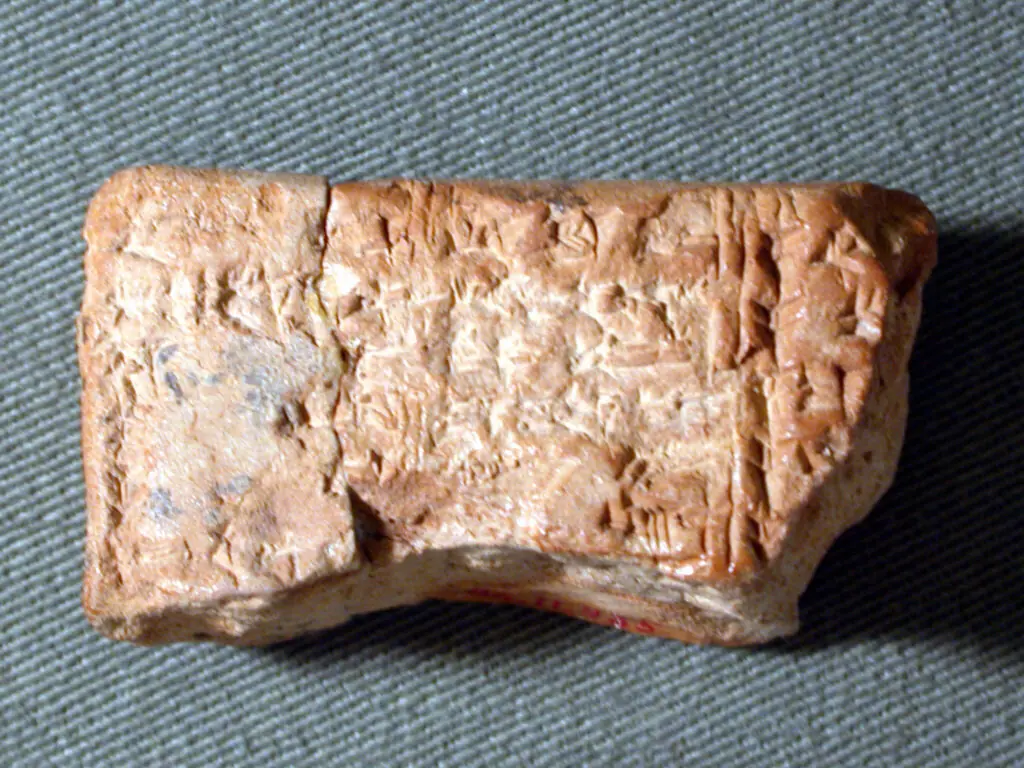
The picture changes in Nippur, an ancient religious center farther south. School texts there placed greater emphasis on Ninurta and preserved myths such as Angim, Anzû and Lugale, material that was much less prominent in the northern curriculum.
Students in different cities were therefore learning similar scribal skills while being exposed to different religious traditions. A student in Babylon and one in Nippur might both study cuneiform, mythology and theology, but the texts chosen by their teachers did not necessarily emphasize the same gods or sacred centers.
The contrast suggests that education could help preserve local identities even within the broader cultural world of Babylonia.
Some homework ended up inside temples
The connection between classroom learning and religious practice is especially clear in tablets that students prepared as offerings.
These objects could carry an ordinary school exercise together with a prayer or request for divine favor. Many were dedicated to Nabû, the god closely associated with scribes and writing, before being deposited in temples at Babylon, Sippar, Borsippa, Nippur and Uruk.
At one temple of Nabû in Babylon, archaeologists recovered several thousand fragments of school tablets. The study also describes evidence that teachers or ritual specialists could supervise the preparation of the clay before the completed tablets were taken to a temple.
For students who later became scholars, administrators, advisers or temple specialists, such training had practical value. They were learning not only how to read difficult texts, but also how temples functioned, how kings were expected to relate to the gods and how inherited traditions could be interpreted.
The surviving tablets show that scribal education in Babylonia was about far more than mastering cuneiform. Through the texts they copied, students learned which gods mattered, why certain cities were sacred and how knowledge, religion and authority were connected.
Late first-millennium BCE school exercise tablet, probably from Babylon, preserving rows of cuneiform writing used in scribal training. Credit: The Metropolitan Museum of Art, New York, Public Domain.