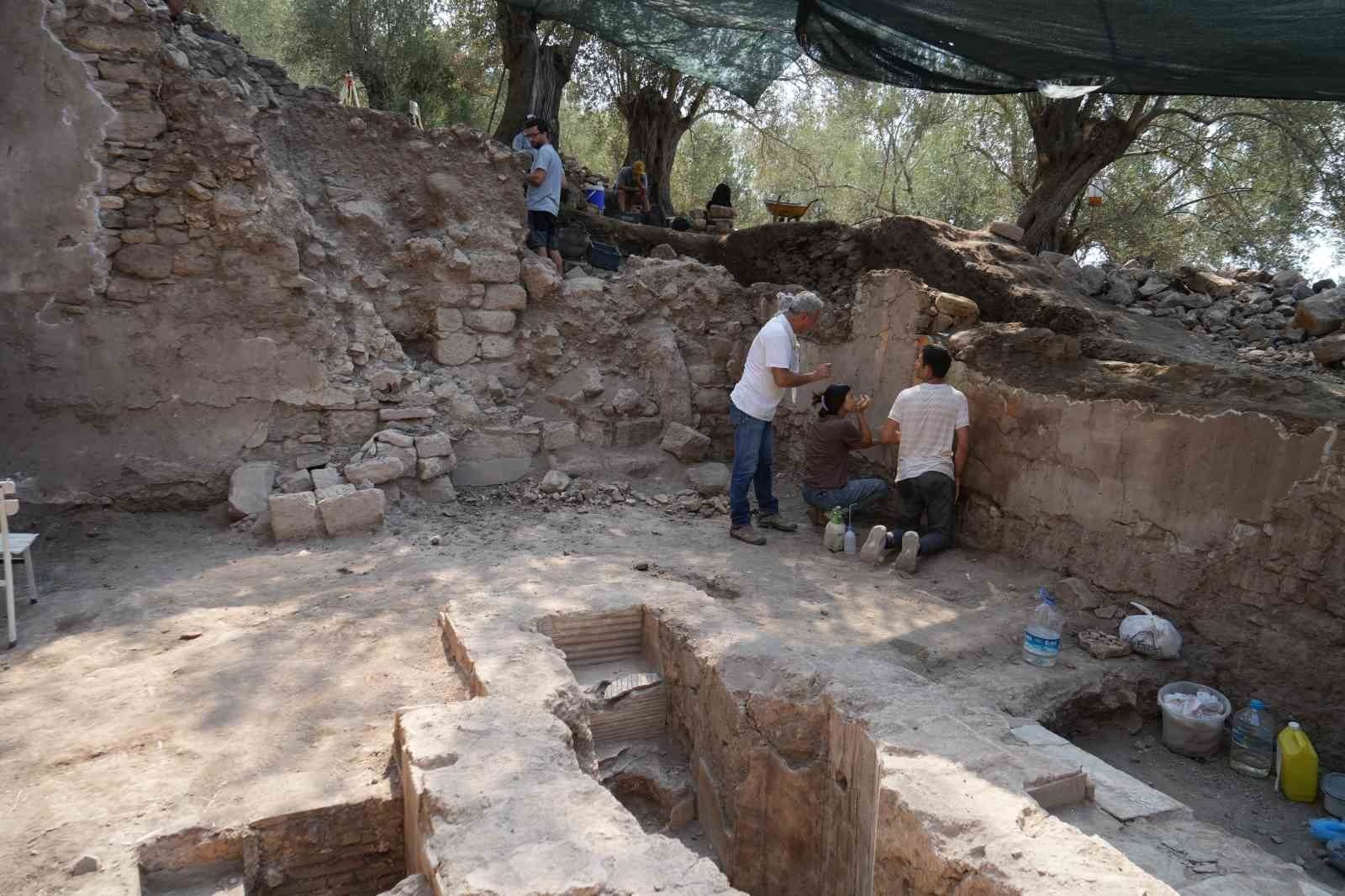
Archaeologists in Türkiye have uncovered a remarkable example of religious transformation at the ancient city of Antandros, located on the northern shores of the Gulf of Edremit. Excavations revealed that a section of a Roman villa was converted into a baptistery after Christianity became the state religion of the Roman Empire in AD 380.
A Room with Two Lives
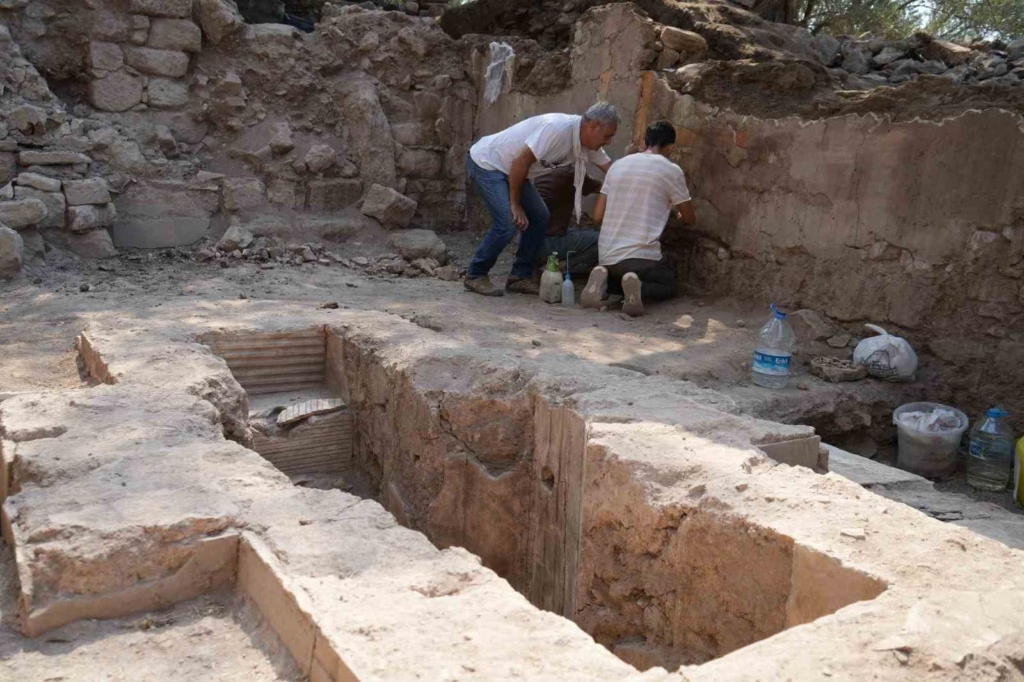
The discovery centers on a 7.2-by-5.9-meter chamber featuring marble floors and frescoed walls. Prof. Dr. Gürcan Polat, who leads the excavation, explained that the structure initially served as part of an opulent Roman residence:
“Its later adaptation for Christian rites is confirmed by a circular baptismal font, about one meter in diameter, accessed by steps at the center of the room.”
Fresco Layers Reveal a Timeline
The walls preserve two distinct decorative phases. The earliest fresco, dating to around AD 300, reflects Roman tastes, while the later layer—applied in the mid-5th century—introduces vegetal and panel motifs popular in early Byzantine art. These later decorations were hidden beneath a thick lime coating, now being carefully removed by conservators.
Excavations and International Collaboration
Work at the site began in early July and will continue until December, with a team of 25 specialists, including nine researchers from Saarland University in Germany.
Antandros
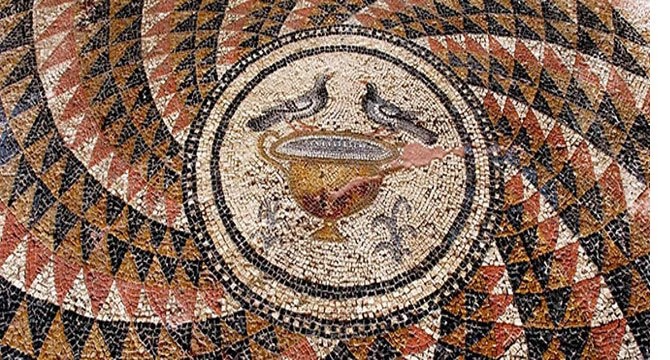
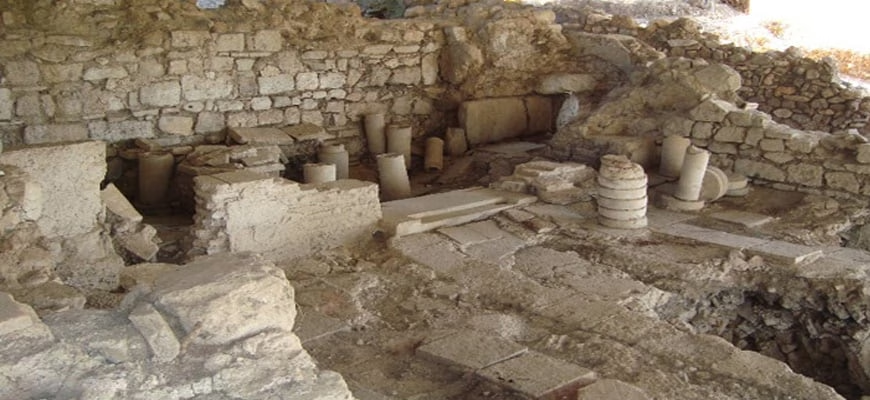
Founded in the 8th century BCE, Antandros flourished during the Roman era with lavish villas, mosaics, and a well-organized necropolis. Its location near Mount Ida gave it strategic importance in antiquity, and ancient authors associate it with the legendary journey of Aeneas following the fall of Troy.
Systematic excavations began in 2007 and have since revealed key aspects of daily life, economy, and burial practices in the ancient Troad.