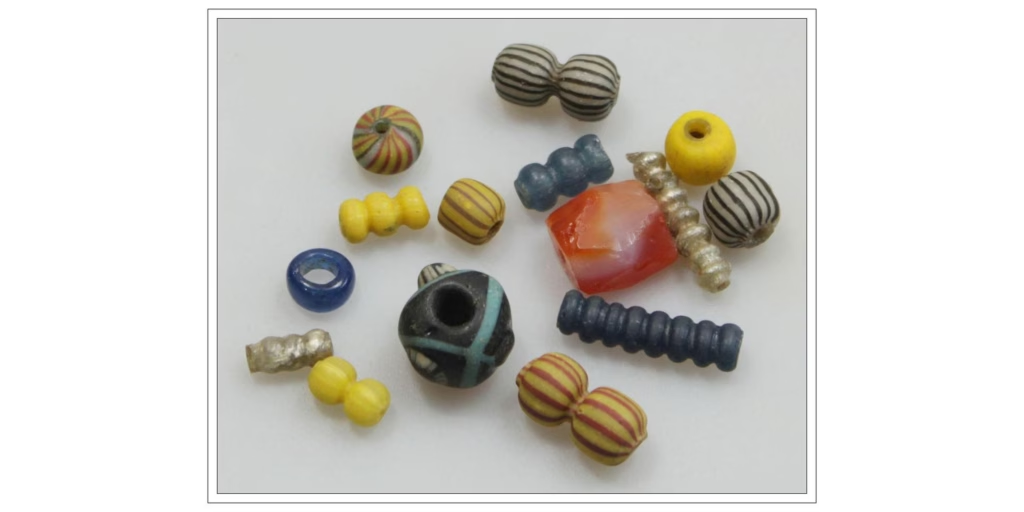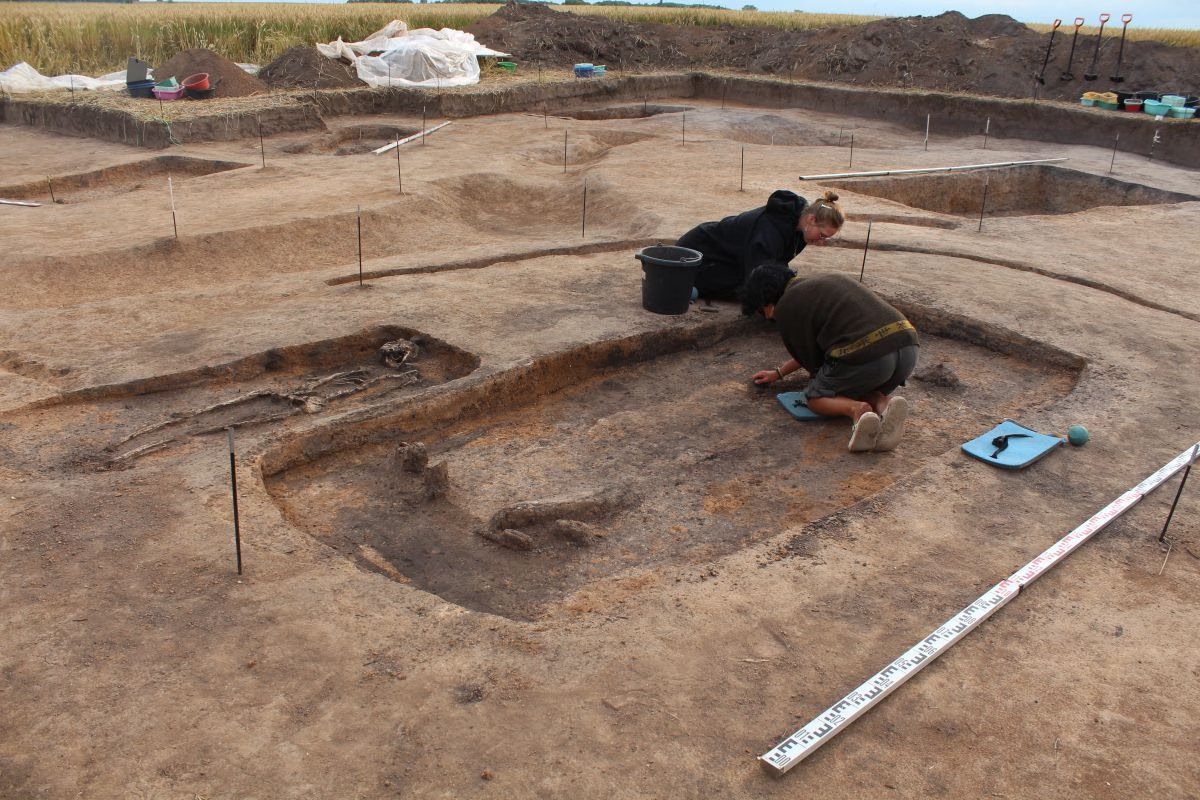
Archaeologists from the Institute of Archaeology of the Russian Academy of Sciences and the State Historical Museum have completed the sixth season of excavations at the Gnezdilovo necropolis in Suzdal Opolye. The team uncovered 13 graves dating from the late 10th to the 11th century, along with numerous burial goods and costume elements. Significantly, the excavations yielded the first Indian coin found in Suzdal Opolye—a rare 8th-9th century jital.
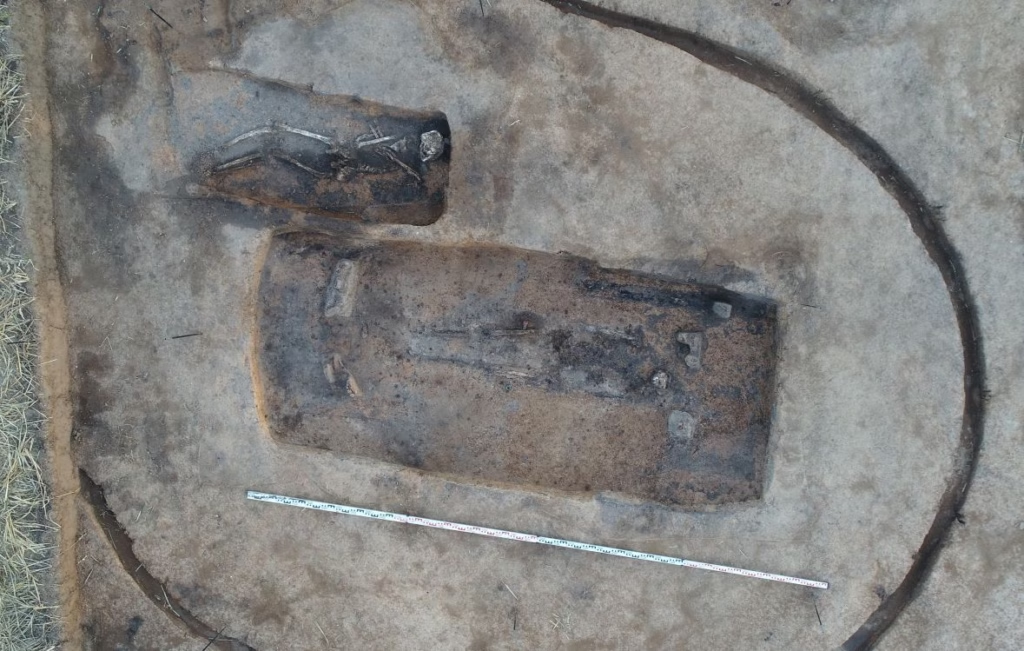
Rare Finds Highlight Social Elite
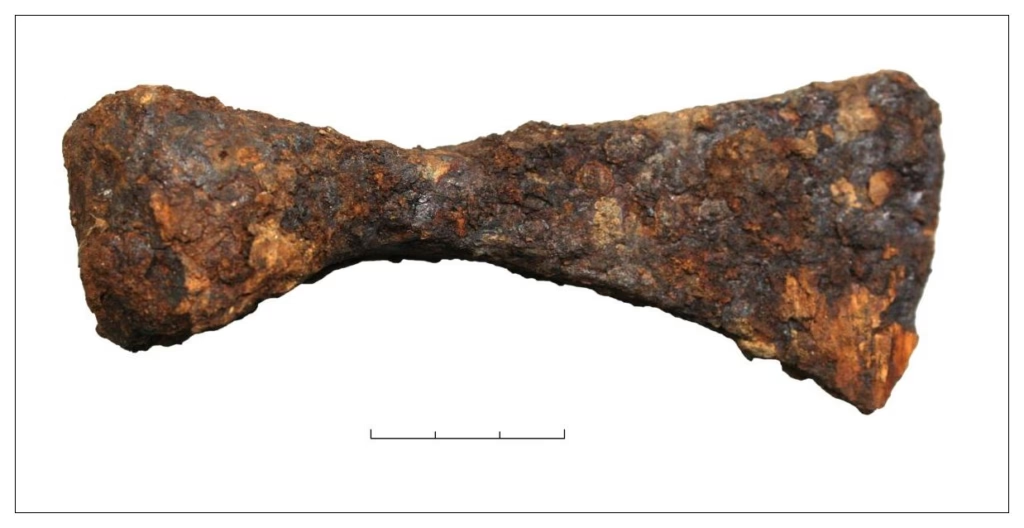
The 13 burials included three men, five women, and five children. Findings include horse-rider graves with battle axes, cremation burials, and large burial pits. Most individuals were laid with their heads facing west, and traces of fixed wooden structures were identified in several graves.
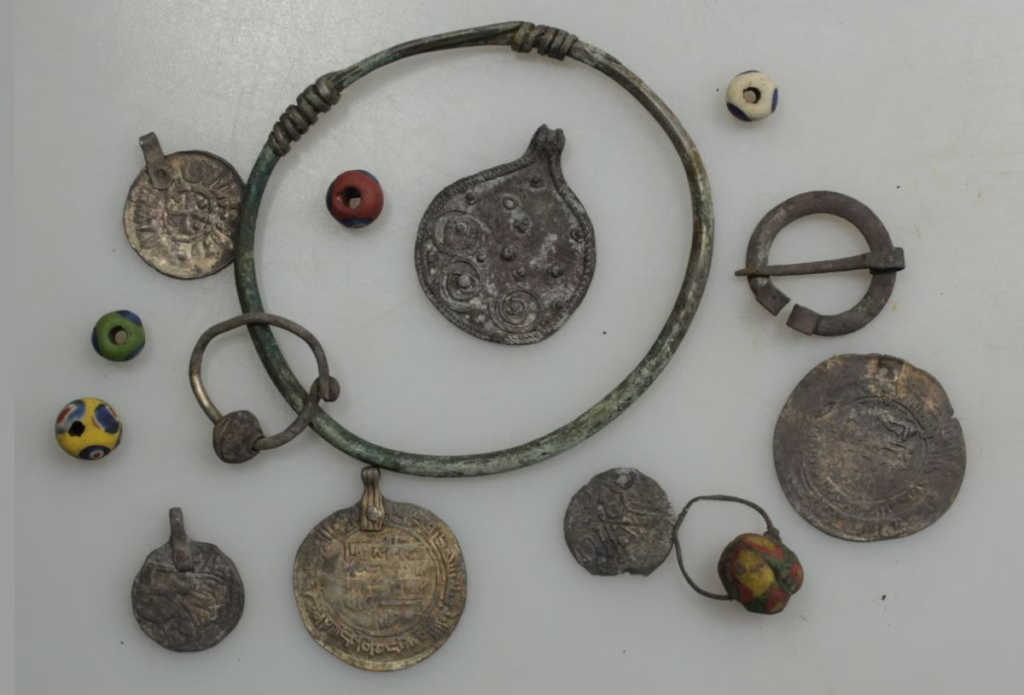
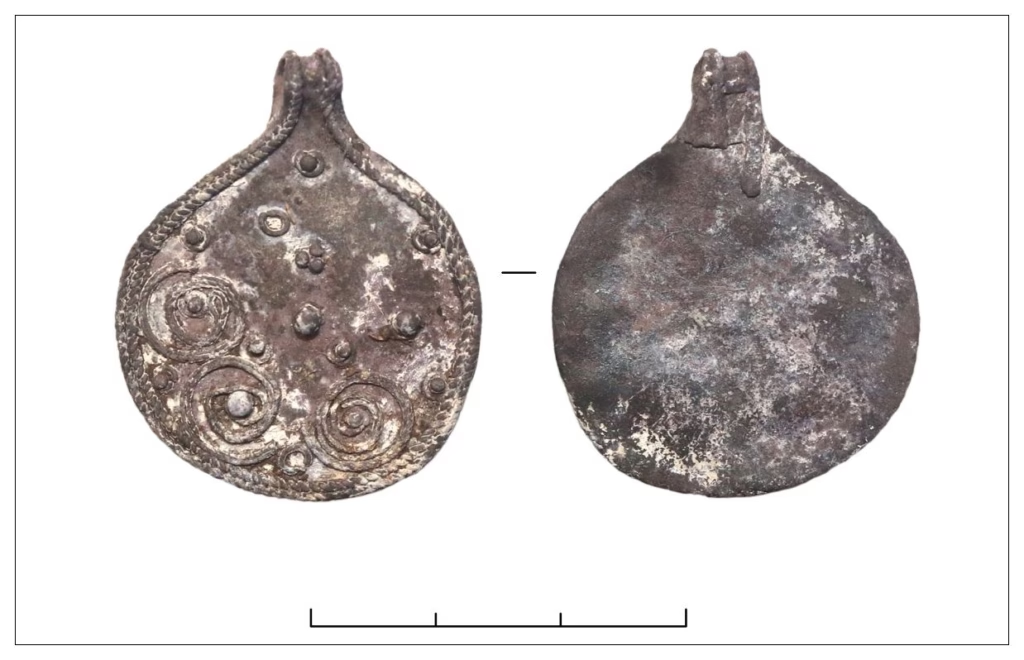
Male graves contained rich inventories. One grave included an iron knife, flint, a weight, and a ceramic vessel; another contained belt fittings, a knife, flint, and a battle axe. Female graves revealed silver filigree jewelry, pendants, glass beads, and fibulae, some originating from Scandinavia, indicating ceremonial attire among elite Rus society.
The Jital and International Connections
The discovered jital, a silver coin previously found only in Gnezdovo, Novgorod, and around Lake Pleshcheyevo, features an eyered zebu bull on the obverse and a mounted rider with the “ka” sign on the reverse. Minted in the second half of the 8th century to the 9th century in Kabul, it demonstrates the trade and cultural connections between the Middle East and Rus territories.
Social Status and Cultural Life
Graves in large pits are linked to 11th-century Rus elites. Grave goods reflect personal status and social ambition. The presence of keys and hearth stones in female burials suggests ritual and domestic roles.
Nikolay Makarov, Director of the Institute of Archaeology, commented: “Gnezdilovo provides crucial insight into the early history of Suzdal lands. The necropolis documents the elite’s social practices and cultural life according to modern archaeological standards.”
Excavation Process and Methods
The new excavation phase began in 2020 using GIS technologies and geophysical survey methods to locate burial monuments. Over six seasons, about 2,400 square meters were excavated, and 80 graves dated to the late 10th–early 12th centuries were analyzed. The results confirm Suzdal as a center inhabited by military and social elites during this period.