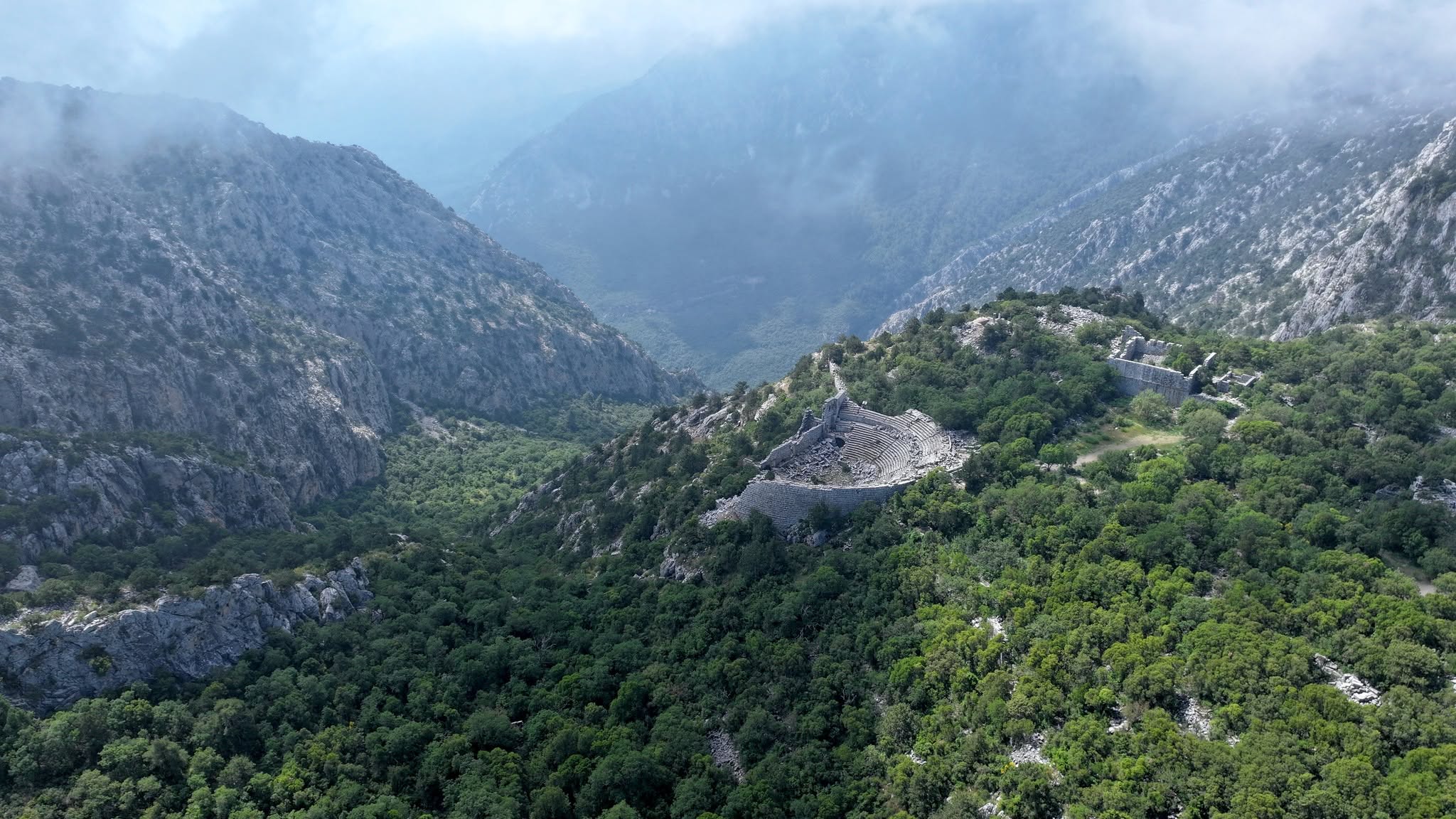
High above Antalya, among the rugged slopes of southern Turkey, Termessos has always carried the image of a city that refused to bend. Newly examined inscriptions at its ruined gate now give that reputation a voice: one declares the lasting rights of the “Independent Termessians,” while another reveals an oracle system based on knucklebones.
The inscriptions were identified during research at Termessos, located within Güllük Dağı National Park. Although the texts in the collapsed gate area had been heavily worn, digital modeling and other technological methods allowed researchers to read parts of them again.
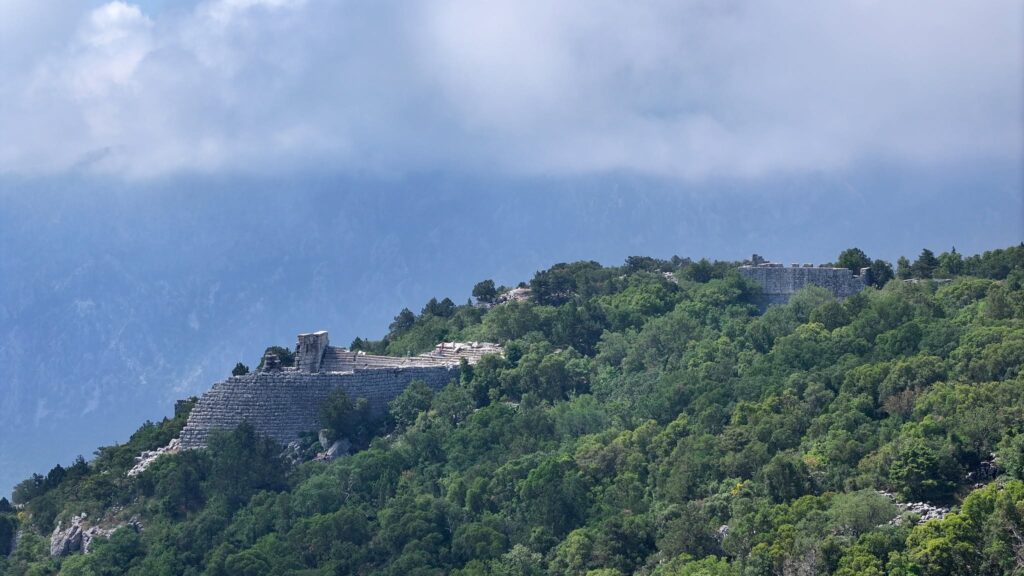
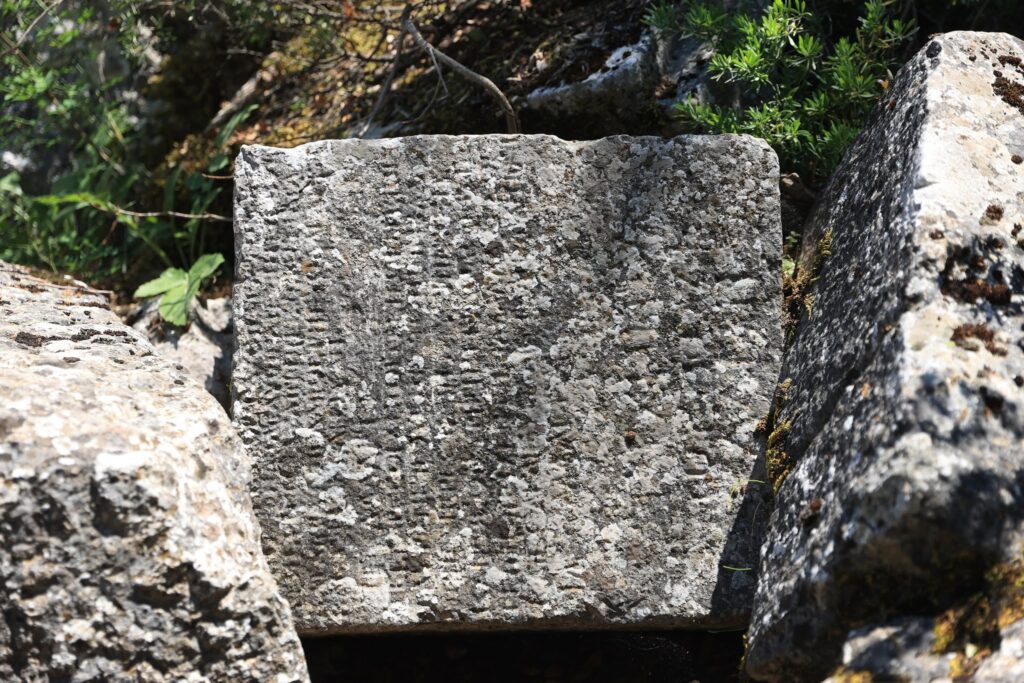
One inscription, placed at the city’s entrance, includes the striking phrase: “May the rights of the Independent Termessians last forever.”
For Termessos, a city already famous for its difficult terrain and resistance to outside control, the sentence is not just a civic formula. It looks like a public declaration carved for anyone passing through the gate. Visitors entering the city were being reminded that they had crossed into a community conscious of its autonomy.
A Gate That Declared Freedom
Prof. Dr. Mustafa Koçak of Antalya Bilim University, who heads the excavations, said the inscription announced the independence of Termessos to everyone arriving at the city.
That placement is important. In antiquity, a city gate was more than a defensive line. It was where a city could display power, identity, and memory. At Termessos, the gate appears to have carried a message as political as it was architectural.
Koçak also noted that the team hopes to raise the collapsed gate again in future years. If restored, the entrance could become one of the clearest visual symbols of Termessos’ civic identity.
An Oracle Written in Stone
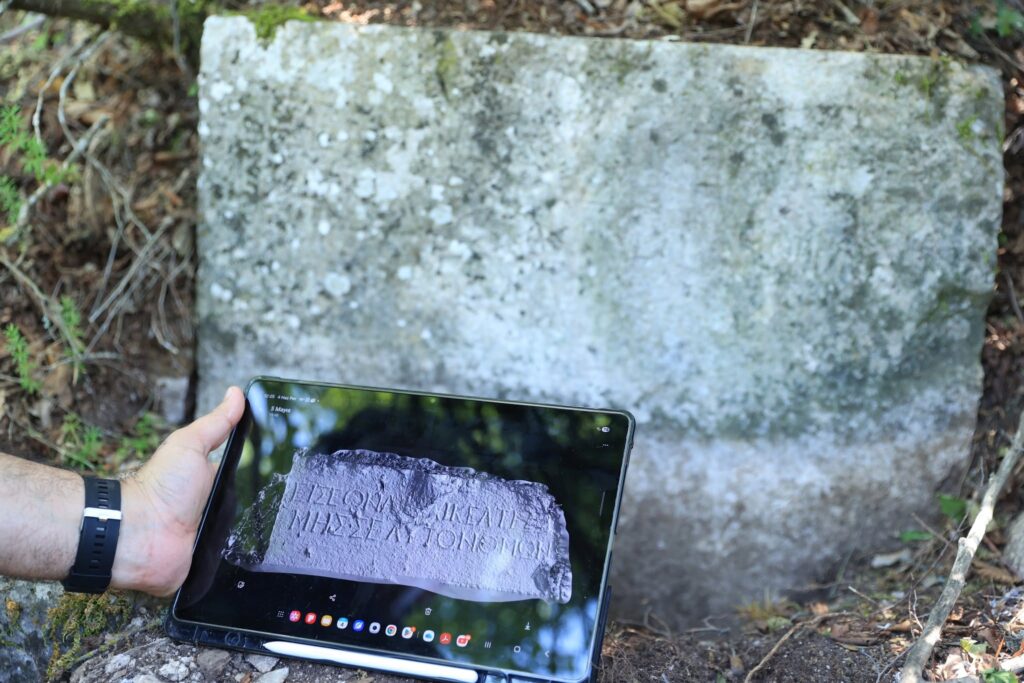
The second discovery adds a different layer to the same entrance. Researchers also identified an inscription linked to divination, a form of ancient fortune-telling practiced with astragali, or knucklebones.
These small animal bones were often used in the ancient Mediterranean as gaming pieces, counting objects, and tools for consulting fate. At Termessos, they seem to have been part of a structured oracle system.
Prof. Dr. Fatih Onur of Akdeniz University’s Department of Ancient Languages and Cultures said the method involved throwing either five or seven knucklebones, much like dice.
According to Onur, the five-bone system created 56 possible combinations, while the seven-bone system produced 120. After the bones were thrown, the numbers directed the person to a matching section of the inscription, where the answer could be read.
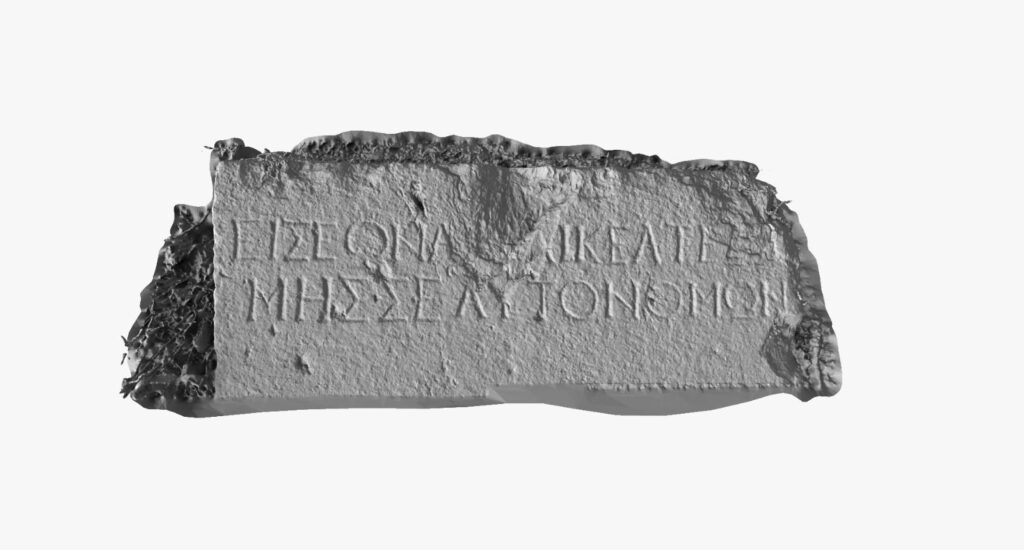
At Termessos, the surviving evidence points to the seven-bone version.
“We have three blocks of this kind that have survived,” Onur said. “One of them is in a visible location. A person who came to the gate before setting out on a journey would throw the knucklebones, and according to the numbers that appeared, the text might say ‘Do not travel,’ ‘Trade,’ or ‘Do not trade.’ These messages were expressed in poetic language.”
Where Travelers Asked the Bones for Answers
The divination inscription gives the discovery a sharply human side. It suggests that people approaching or leaving Termessos may have sought guidance before making practical decisions, especially about travel and trade.
A traveler could ask whether the road ahead was safe. A merchant could look for signs before beginning a journey or transaction. The answer came through the fall of the bones, then through words carved into stone.
This was not fortune-telling in a vague sense. It was a system with combinations, responses, and a fixed public setting. Chance, poetry, belief, and daily decision-making met at the city gate.
A Mountain City That Spoke Through Stone
Termessos lies in the ancient region of Pisidia, in the mountains northwest of Antalya. Its rugged landscape helped shape its reputation as one of the most difficult cities in the region to control.
The newly examined inscriptions strengthen that image, but they also make it more vivid. One text presents Termessos as a city proud of its independence. Another shows people using the same gate area to seek answers about risk, movement, and commerce.
Together, the finds turn the ruined entrance into something more than a broken architectural feature. It was a threshold where the city declared who it was, and where individuals tried to understand what awaited them beyond its walls.