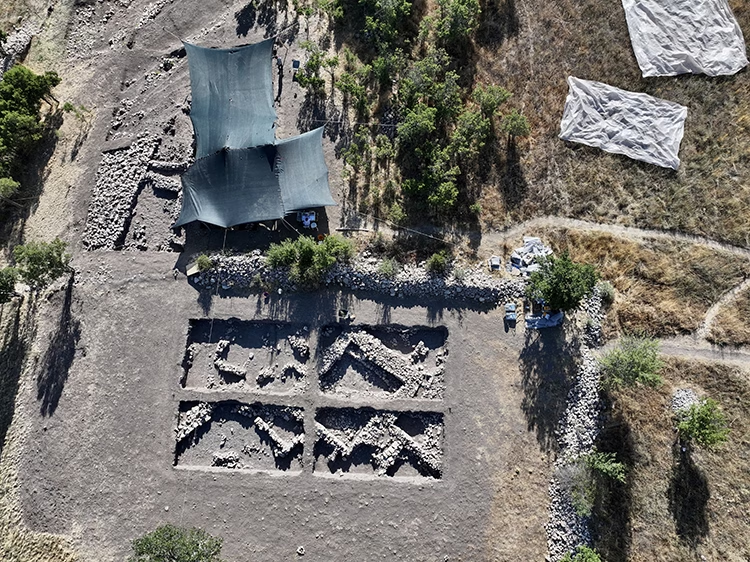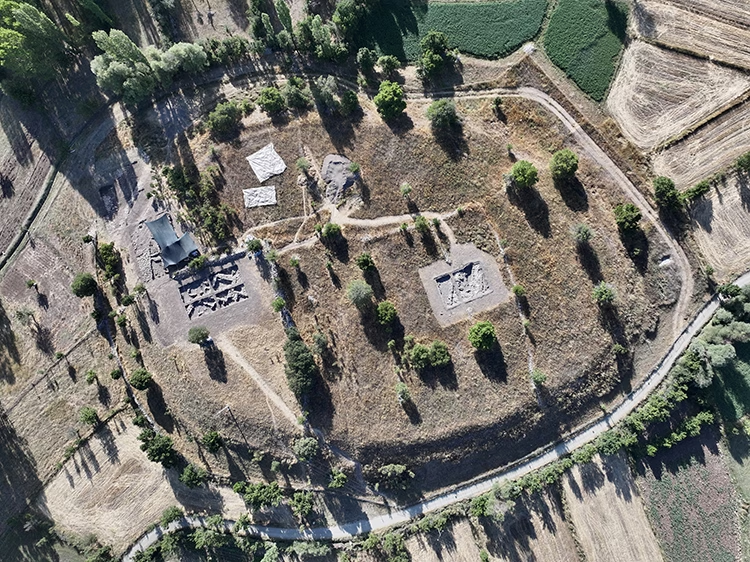
Archaeologists in southwestern Turkey have traced the origins of Çaltılar Höyük (Çaltılar Mound) back to a marshside community in the Late Chalcolithic, evolving through multiple Bronze Age phases before its eventual abandonment.
On the outskirts of Seydikemer in Muğla, the mound known as Çaltılar Höyük is rewriting the prehistoric map of the region. Excavations led by Prof. Dr. Ayşegül Aykurt of Hacettepe University, supported by the Ministry of Culture and Tourism, have combined carbon dating with ceramic analysis to chart an occupation sequence stretching back to around 3300 BCE.
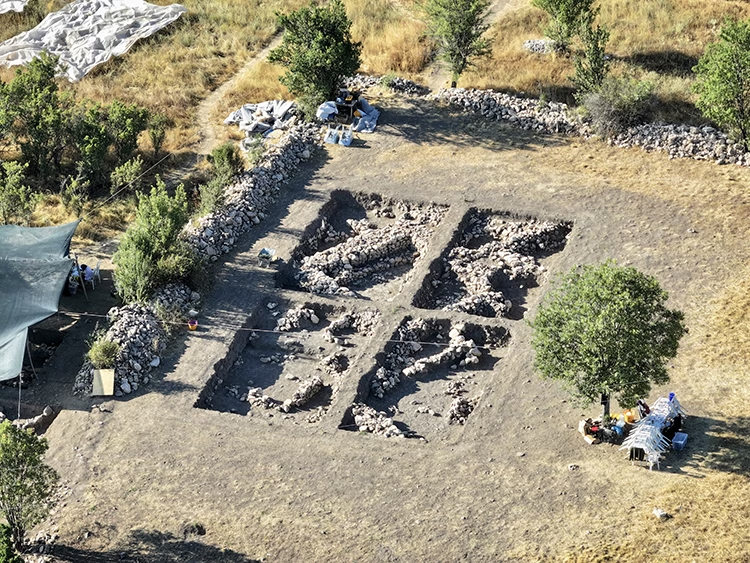
The earliest inhabitants established their homes beside a wetland, taking advantage of its resources. By roughly 3100 BCE, the marsh had dried up, allowing the settlement to shift and spread toward the mound’s core. Over the centuries, eight superimposed layers from the Early Bronze Age were built atop the original Late Chalcolithic occupation. A Middle Bronze Age community followed, while the Late Bronze Age saw the area converted into a cemetery.
Current excavations are targeting levels from 2500–2400 BCE, where archaeologists have uncovered a stone-based fortification system connected to substantial domestic structures. In older layers, however, construction relied on wooden stakes interlaced with branches or reeds, coated in mud—a method that left behind charred fragments and branch impressions, evidence of a devastating fire.
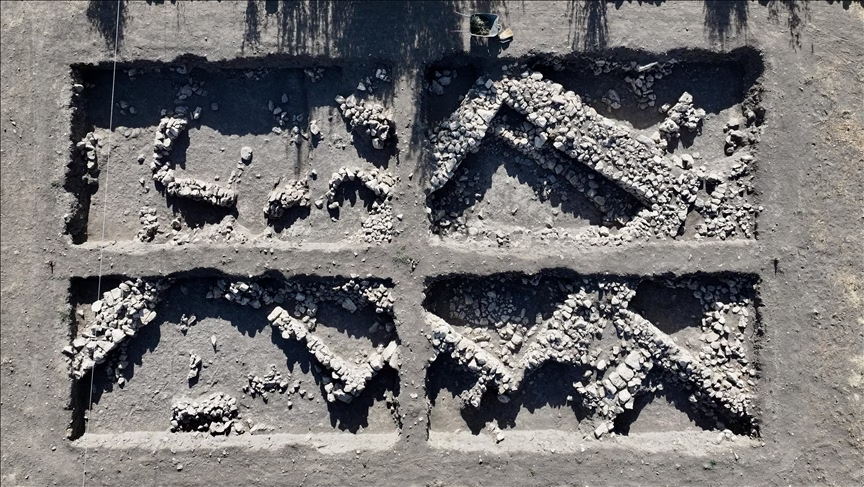
The finds include finely crafted pottery, utilitarian jars, stone axes, and loom weights, painting a vivid picture of daily life and craftsmanship in prehistoric southwestern Anatolia. According to Prof. Dr. Aykurt, Çaltılar Höyük’s multi-period sequence is crucial for filling a gap between the earliest known settlement at Grimeler Cave near Tlos and later historical occupations in Muğla.
This is the only mound excavation currently underway in the province, making it a key reference point for understanding the region’s shifting settlement patterns over millennia.