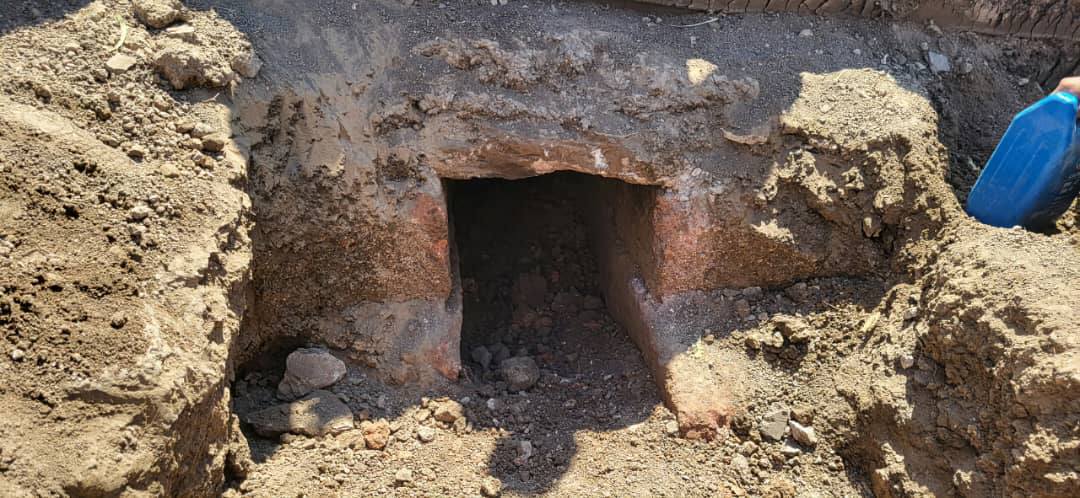
Archaeologists in Yemen’s Dhamar Governorate have uncovered a remarkably well-preserved underground water channel in the valley of Wadi Hijrat Munathidah — a discovery that sheds new light on the hydraulic ingenuity of the ancient Sabaean and Himyarite civilizations.
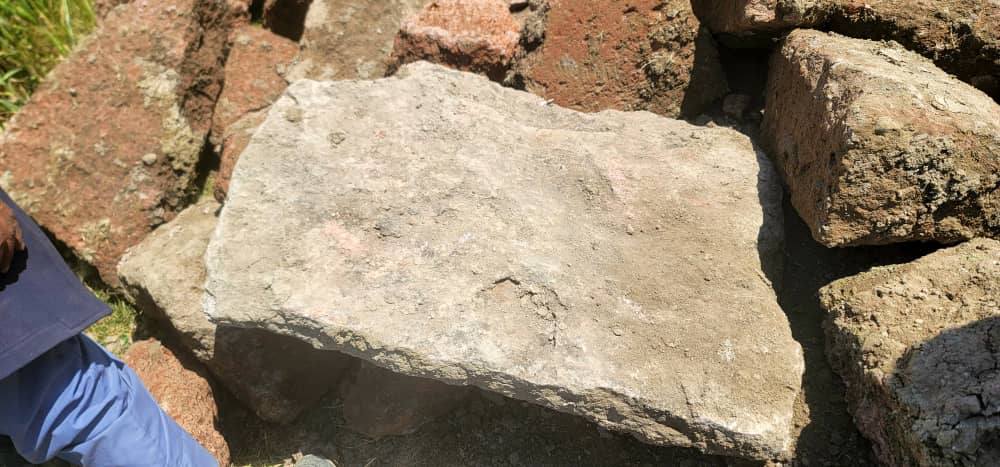
The subterranean tunnel, measuring between 1.5 and 2 meters in depth and about half a meter wide, was built using carefully cut limestone blocks and roofed with flat, polished slabs known locally as al-salal. Extending across the fertile Dhamar basin, the structure once formed part of a sophisticated irrigation system that controlled and distributed water through the valley’s farmlands.
“This channel represents a rare example of ancient Yemeni mastery in hydraulic engineering,” said Dr. Fadl Al-Amisi, Director of the General Authority for Antiquities and Museums in Dhamar, in a statement to the Yemeni News Agency (Saba). “It reflects the skill of early farmers who learned to move, store, and regulate water with precision long before modern technology.”
A Civilization Built on Water and Stone
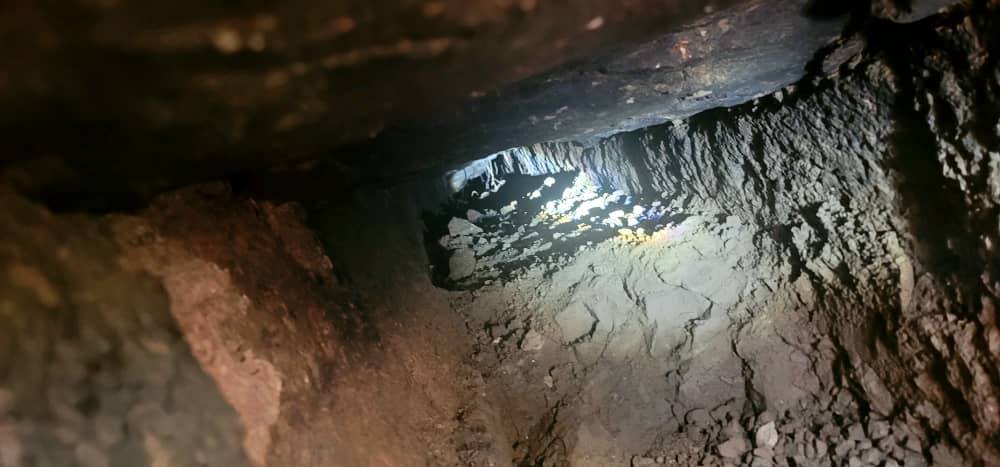
The channel runs from the southern part of the valley toward the north, passing near the ancient settlements of Hijr Munathidah, Hijr Qureis, and Hijr Badash — all once thriving centers of the pre-Islamic kingdoms that dominated the highlands of Yemen. Archaeological assessment suggests that the channel dates back more than two millennia, to the Sabaean–Himyarite period, a time when Yemen was renowned for monumental dams and irrigation works that turned its arid plateaus into fertile fields.
According to Al-Amisi, the discovery occurred by chance during the construction of a modern kareef — a flood-harvesting structure intended to replenish groundwater — when workers stumbled upon the ancient stone lining. Excavation was immediately halted, and archaeologists from the Antiquities Authority conducted a field survey to document and secure the site. Unfortunately, about ten meters of the ancient tunnel were damaged before the discovery was reported.
The local Antiquities Authority has since suspended all modern works in the area and plans to carry out a partial restoration of the damaged section, ensuring the preservation of the ancient structure using archaeological conservation methods. Students and researchers from Dhamar University’s faculties of Agriculture, Engineering, and Antiquities are expected to participate in upcoming field studies.
Echoes of a Forgotten Hydraulic Network
This is not the first time such a system has been found in Dhamar. In 2010, archaeologists documented a similar network of underground water channels in Al-Zabal, Maifa’at Anas District. Stretching nearly 200 meters through the valley’s bedrock, those tunnels — some reaching over nine meters high — were manually carved to channel spring and floodwater to nearby farmlands.
Comparable ancient water tunnels have also been identified in Binoun and Bani Hadeejah, designed to transfer water between valleys using complex gravitational techniques, including the remarkable method of lifting water from lower to higher ground.
Together, these finds illustrate that ancient Yemen was not merely a kingdom of incense and trade, but also one of engineering brilliance — a civilization that mastered the art of surviving in a dry land through ingenuity, calculation, and stone.
“Yemeni civilization is a civilization of water and stone,” Al-Amisi emphasized. “Its people understood that water was not just a resource — it was the lifeblood of their world.”
Cover Image: Entrance of the newly discovered ancient underground water channel at Wadi Hijrat Munathidah, north of Dhamar city. The tunnel was carved and lined with limestone blocks during the Sabaean–Himyarite period. Credit: Yemeni News Agency (Saba)
Cover Image Credit: Dhamar via Facebook