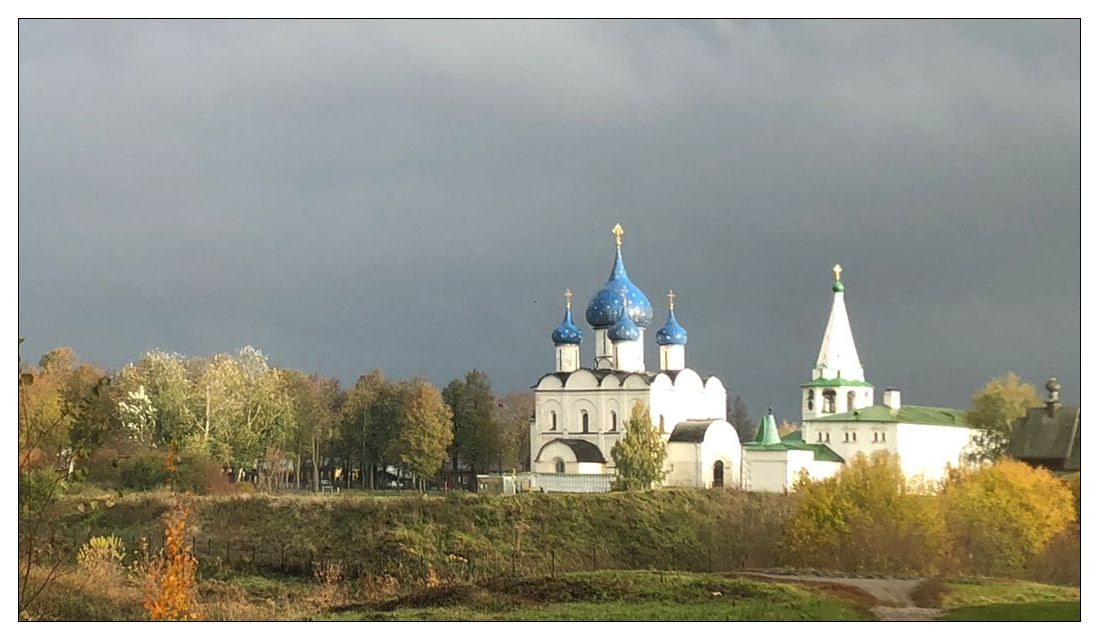
The long-lost remains of Saint Hilarion, Metropolitan of Suzdal and Yuriev, have been rediscovered beneath the Nativity Cathedral of the Suzdal Kremlin, nearly ninety years after they were removed during Soviet-era anti-religious campaigns.
Archaeologists and anthropologists from the Institute of Archaeology of the Russian Academy of Sciences (RAS) confirmed through osteological analysis that the bones indeed belong to the 17th–18th-century hierarch — a major figure of the Russian Orthodox Church.
Archaeological and Archival Evidence Align
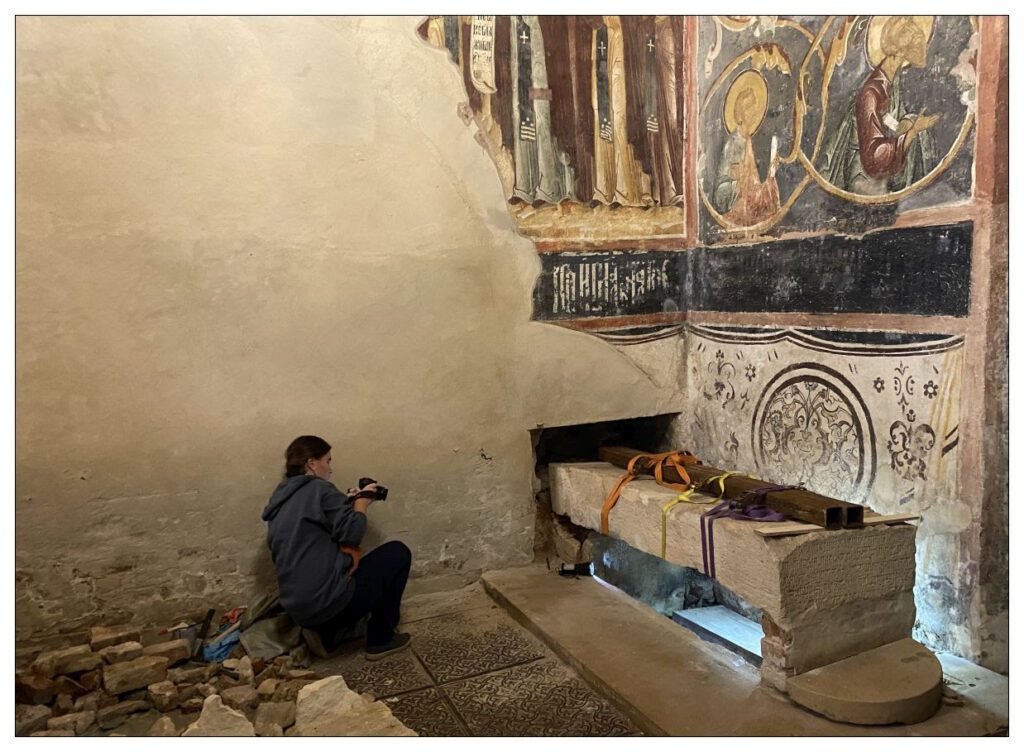
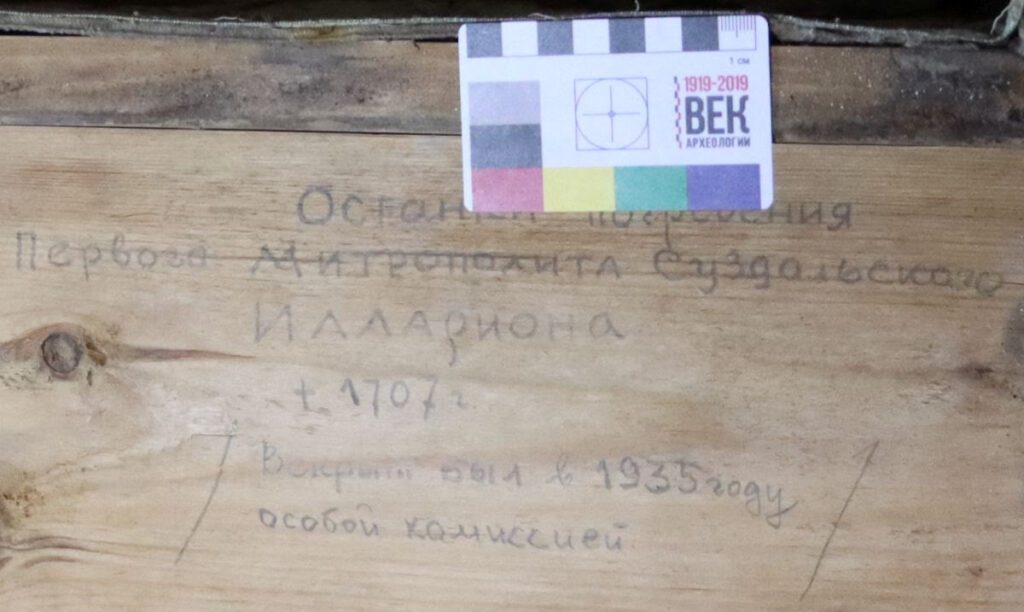
The discovery emerged during ongoing restoration work inside the cathedral, one of medieval Russia’s most venerated landmarks. Researchers found a wooden box buried under layers of brick and debris, containing skeletal remains wrapped in aged cloth and accompanied by fragments of ecclesiastical garments.
On the inner side of one plank, a handwritten inscription read: “Remains of the First Metropolitan of Suzdal, Hilarion. †1707.”
The find confirmed what had long been uncertain: whether the relics of Saint Hilarion had survived the 1930s, when religious artifacts were systematically confiscated. Archival data suggested the remains were reburied in 1945, but the location and authenticity of that burial had remained unverified — until now.
A Tale of Loss, Rediscovery, and Reverence
According to Dr. Vladimir Sedov, leading researcher at the Institute of Archaeology, “What seemed like a legend or detective story turned out to be true. The integrity of the burial was disrupted in the 1930s, but thanks to careful archival work and modern archaeological research, Suzdal has regained an important part of its spiritual history.”
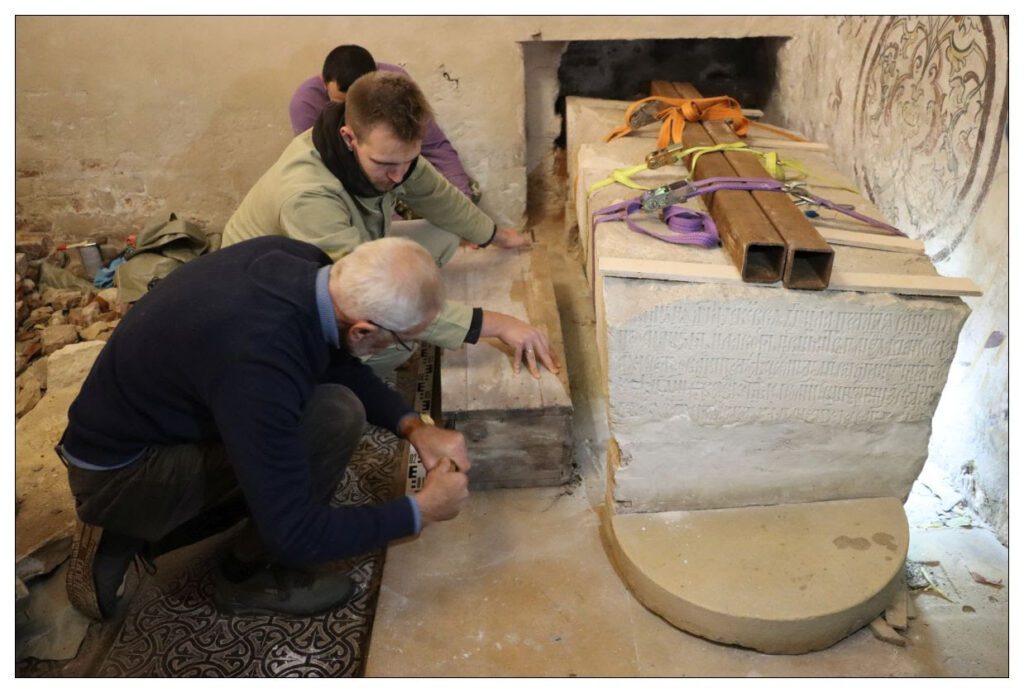
During excavations in 2024–2025, archaeologists carefully lifted the white-stone slab marking the saint’s burial and uncovered both the original brick sarcophagus and the 1945 wooden coffin. Anthropological studies revealed that the bones from both contexts belonged to the same elderly male — over 60 years old — matching the recorded age of Saint Hilarion at his death in 1707.
Inside the grave, specialists also found remnants of gold-embroidered fabrics, silk, velvet, brocade, and metal buttons, once part of the metropolitan’s vestments. These textiles have been transferred to the State Research Institute for Restoration (GosNIIR) and the Grabar Art Conservation Center for detailed study and preservation.
From Scholar to Saint
Born in 1631 as Ivan Ananyev, Metropolitan Hilarion of Suzdal and Yuriev was one of the most influential Orthodox hierarchs of his time. Known for his charity and civic projects, he oversaw major urban improvements in Suzdal, from paving streets to rebuilding monasteries.
He founded the Assumption Monastery of Florishcheva Pustyn, sponsored the reconstruction of the Nativity Cathedral, and financed the construction of more than seventy churches across the diocese.
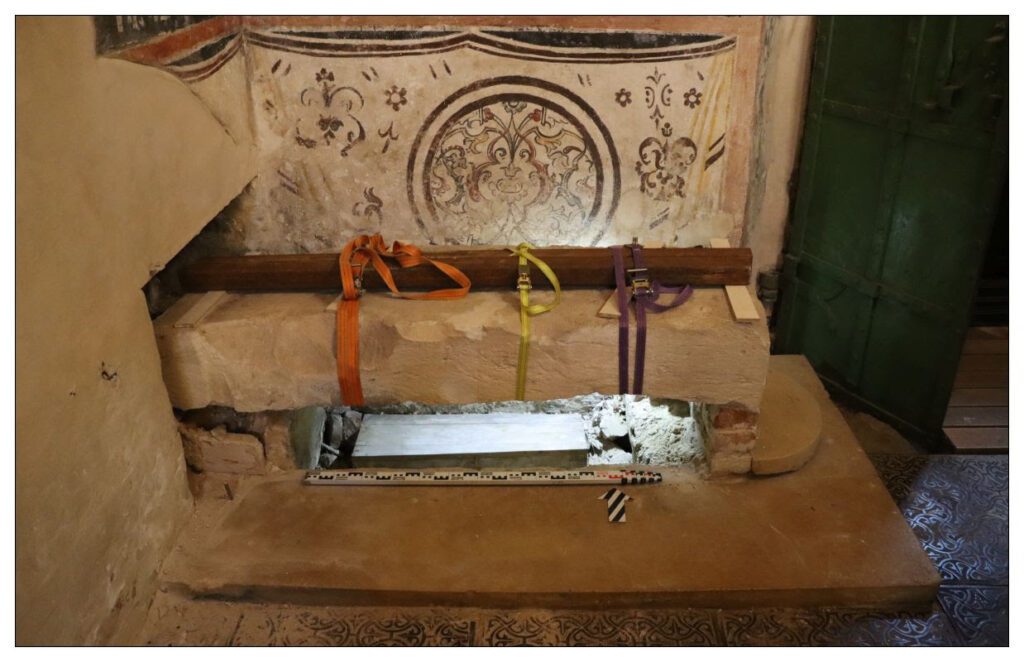
Hilarion died on December 14, 1707, at the age of 77, and was buried in the northern section of the Nativity Cathedral. His tomb became a local pilgrimage site, with numerous testimonies of miracles reported by worshippers. In 1982, the Russian Orthodox Church canonized him among the Saints of Vladimir.
Return to the Faithful
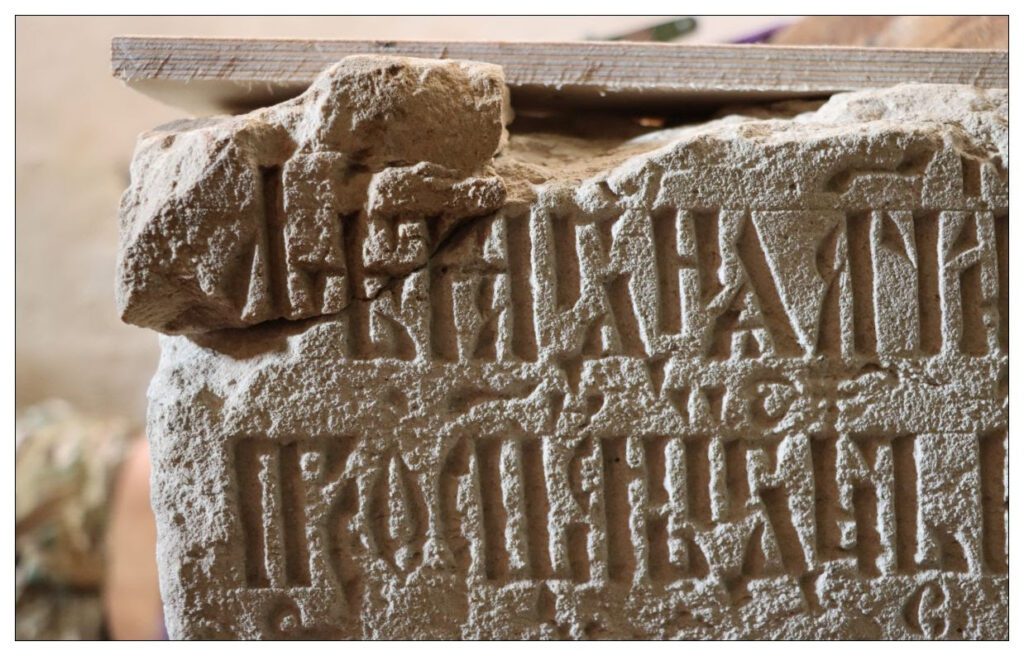
After being removed in 1934 by a state commission and kept in the local museum, Hilarion’s remains were discreetly reburied in 1945 by museum director Aleksei Varganov, who left a detailed handwritten record of the act.
That record ultimately guided modern researchers to the rediscovery.
Today, the relics have been transferred to the Vladimir Diocese and placed in a newly crafted shrine within the Resurrection Church on Suzdal’s Market Square, where they will again be accessible to the faithful.
“Everything — the skeletal features, the fabrics, the historical evidence — aligns perfectly. There is no doubt that these remains belong to Saint Hilarion,” said Marina Vdovichenko, Deputy Director of the Institute of Archaeology, RAS.
Cover Image: The Nativity Cathedral of the Suzdal Kremlin, where archaeologists rediscovered the long-lost relics of Saint Hilarion. Credit: Institute of Archaeology, Russian Academy of Sciences.