
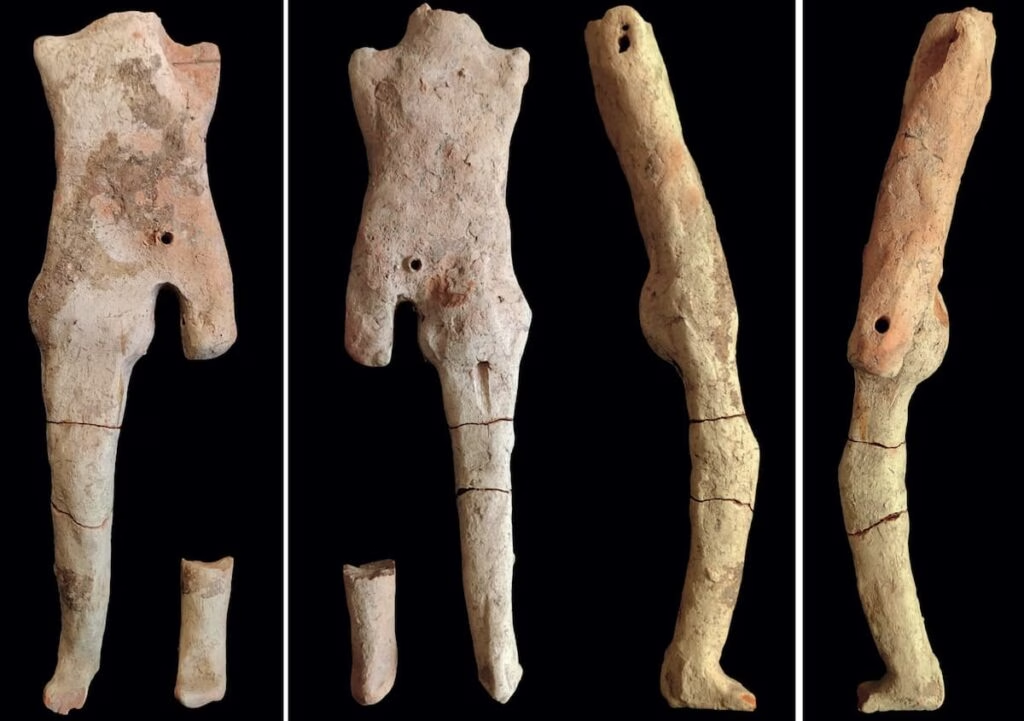
Archaeologists working in the Torreparedones Archaeological Park in Baena, Córdoba (southern Spain), have uncovered a remarkable object of everyday life from the Roman world: a rare articulated terracotta doll dating back nearly 1,700 years.
The fragile toy was found in the eastern bath complex of the ancient city of Ituci Virtus Iulia, once a thriving municipium of the Roman province of Baetica. Despite missing its head and arms, the doll preserves jointed limbs and fine craftsmanship, offering a vivid glimpse into how children in Hispania played during Late Antiquity.
A Glimpse Into Roman Childhood
Roman history is usually told through emperors, armies, and monumental architecture, but this discovery highlights a rarely documented aspect of antiquity: the daily lives of children. Articulated dolls—made of terracotta, bone, or ivory—allowed young Romans to imitate adult roles, practice social interaction, and express creativity.
What makes the Torreparedones find extraordinary is its context. Most articulated dolls from Hispania are isolated discoveries from funerary sites. In contrast, this specimen was recovered from an urban refuse deposit that accumulated after the baths were abandoned in the late 2nd century AD. Alongside the doll, archaeologists also unearthed other toy fragments, including a right leg, a left foot, and a miniature theatrical mask, further confirming the presence of children’s play objects in the area.
Torreparedones: A Roman City in Baetica
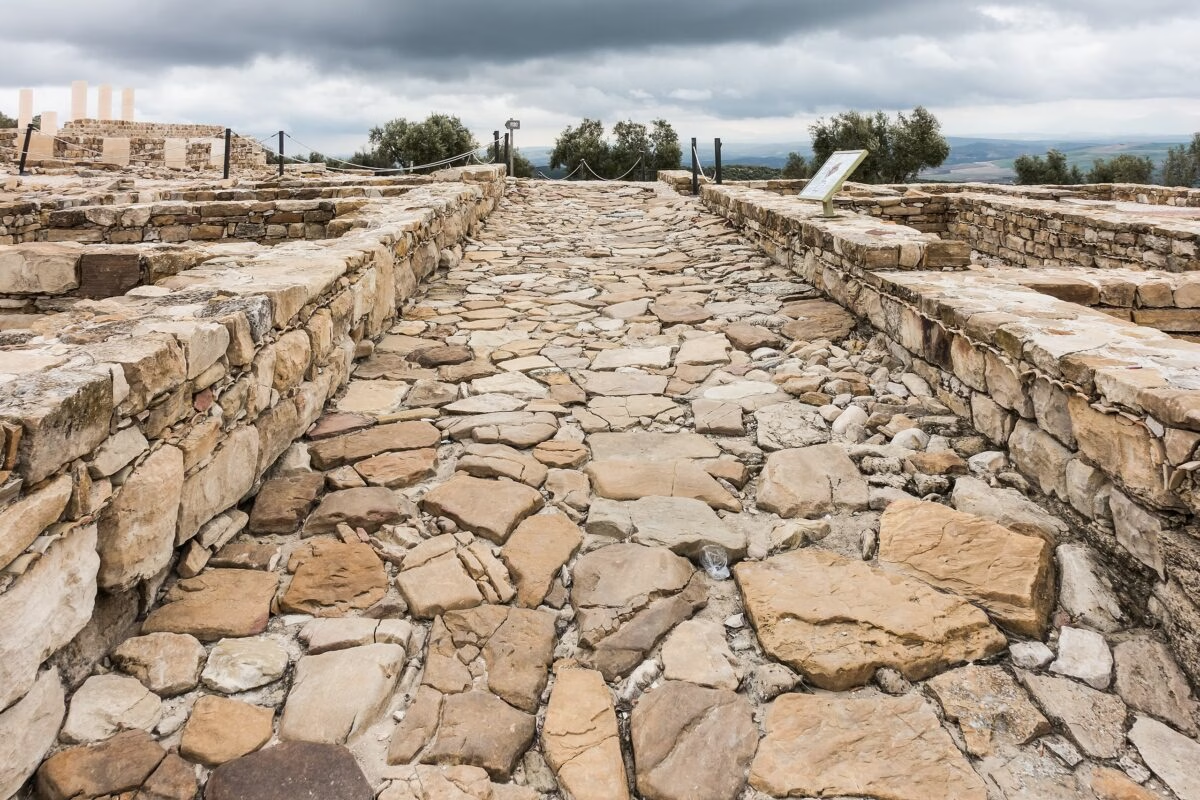
The Torreparedones site is one of Andalusia’s most important archaeological parks. Excavations over the past decades have revealed a well-preserved forum, curia, sanctuaries, necropolises, and extensive street networks. The public baths—known as the Baths of Health—were built in the 1st century AD, renovated later that century, and ultimately fell out of use by the late 2nd century.
After abandonment, the complex turned into a dumping ground for household debris, animal remains, and discarded objects—creating a unique archaeological archive of daily life. It is within this context that the terracotta doll was found.
Terracotta Toys in the Roman World
Terracotta was one of the most common materials in Roman craftsmanship. While artisans often produced ritual figurines and architectural decoration, they also crafted miniature animals, chariots, and dolls for children.
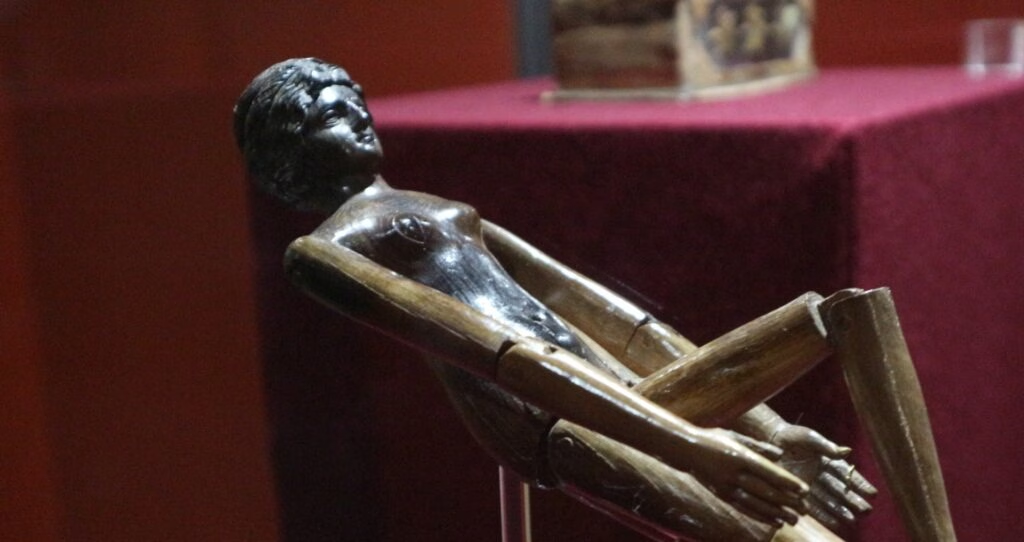
Wealthy families sometimes commissioned ivory dolls—such as the famous 2nd-century example of Crepereia Tryphaena in Rome or the ivory doll from a young girl’s sarcophagus in Tarragona. By contrast, the Torreparedones doll, though simpler and humbler in material, reflects the widespread accessibility of terracotta toys to ordinary families in Baetica.
Cultural Significance
Specialists stress that articulated dolls from Hispania are extremely scarce, making this discovery a crucial contribution to the archaeology of childhood. It challenges the tendency of traditional research to overlook children, who were active participants in Roman social and domestic life.
The doll will undergo conservation and is expected to join the growing collection of finds displayed at Torreparedones, where visitors can already explore Roman baths, temples, and necropolises. For modern audiences, it stands as a poignant reminder that behind the grand stone ruins were real families—and children who once laughed and played with toys not unlike today’s.
A Window Into Everyday Life
With each new excavation season, Torreparedones reveals further layers of its long history, from Iberian origins through its peak under Roman rule. The discovery of the articulated terracotta doll not only enriches our understanding of Roman craftsmanship but also bridges the gap between ancient and modern childhood.
In the words of the archaeologists, such fragile finds are “treasures of humanity,” reminding us that even in the grandeur of the Roman Empire, the simple joys of play shaped lives nearly two millennia ago.
Morena López, J. A. (2025). La muñeca romana articulada de terracota de Torreparedones (Baena, Córdoba). Antiqvitas, 37, 107–118.
Cover Image Credit: Wikimedia Commons