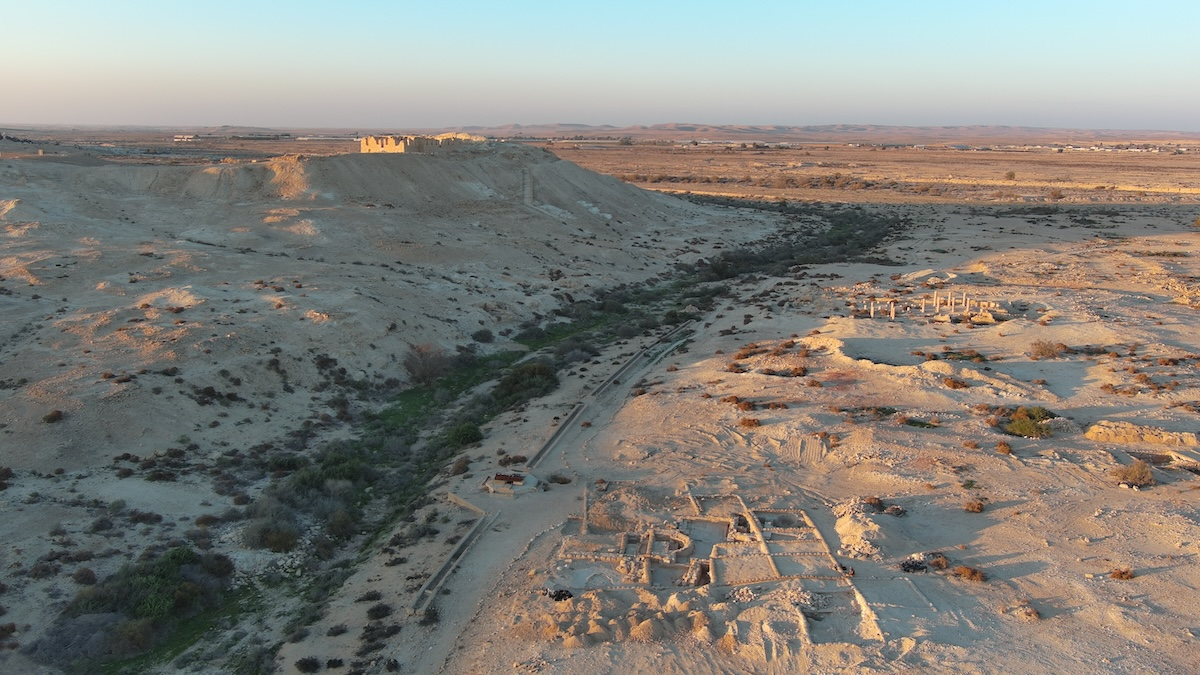
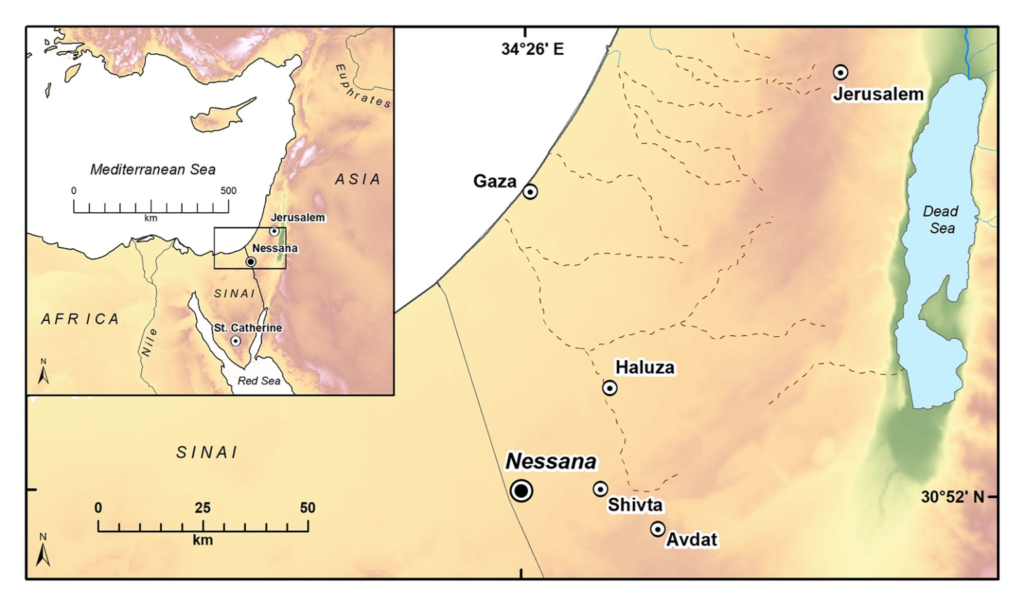
Archaeologists working in the Negev Desert have brought new clarity to a long-overlooked settlement. At the ancient site of Nessana, emerging evidence suggests the town once stood at a critical point along the pilgrimage routes connecting the Holy Land to Mount Sinai—positioned not deep within the desert, but at its edge, where movement, survival, and belief intersected.
Rather than an isolated outpost, Nessana now appears to have developed in close connection with this steady flow of travelers. Its location allowed it to function as a transitional space between regions, where pilgrims could pass, pause, and adapt before continuing their journey across one of the most demanding landscapes of the ancient world.
A settlement shaped by passing travelers
Recent excavations indicate that Nessana was more than a typical desert village. During the Byzantine and early Islamic periods, particularly between the 6th and 7th centuries CE, the settlement appears to have been closely connected to long-distance pilgrimage activity.
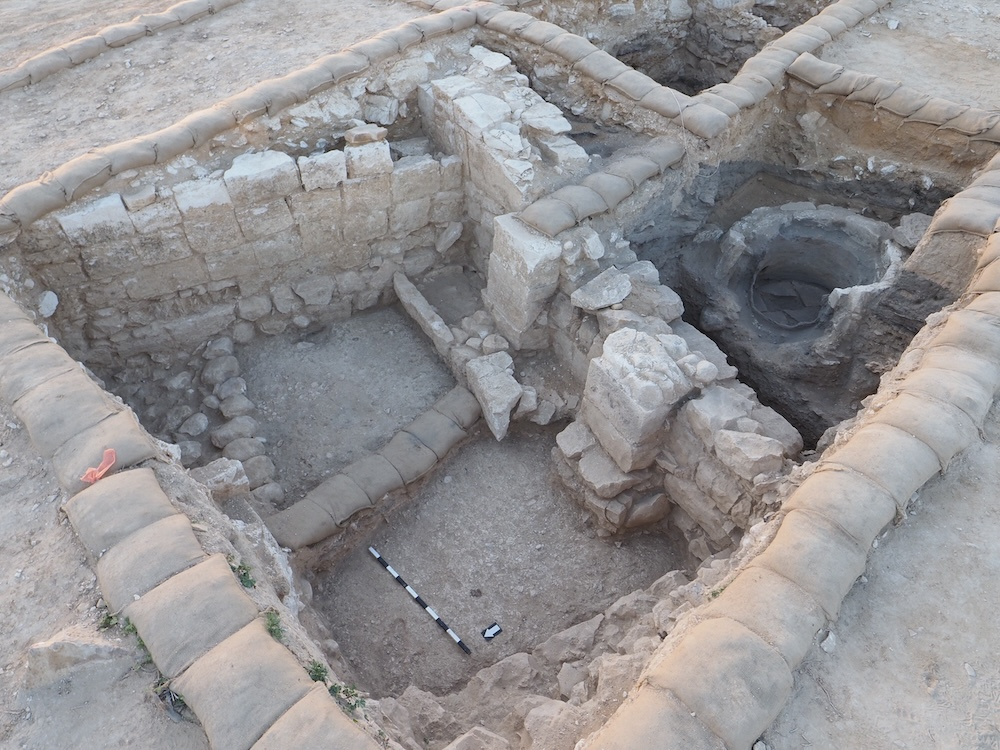
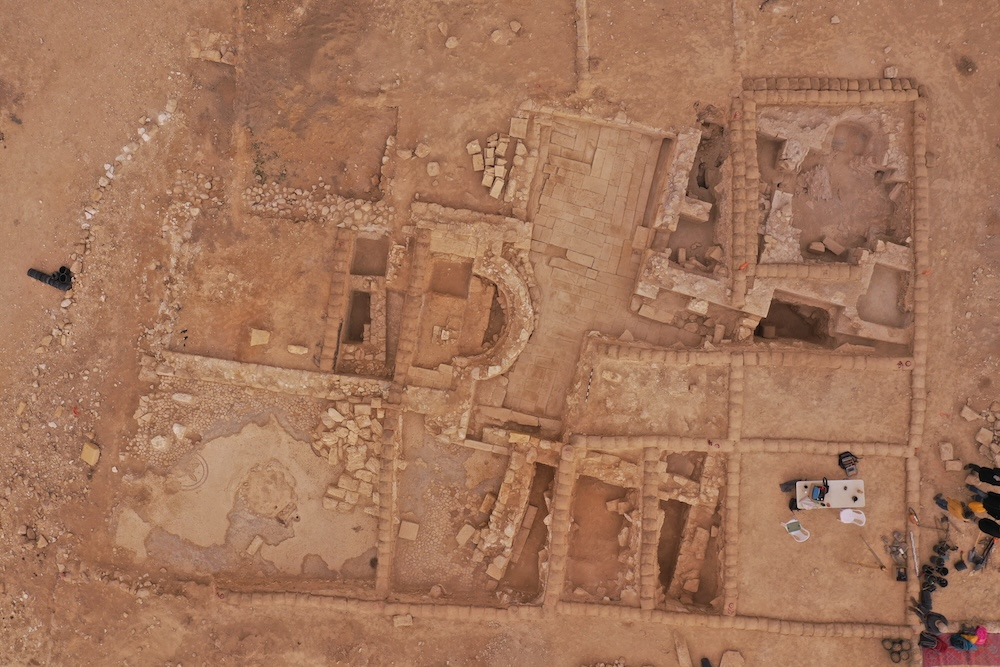
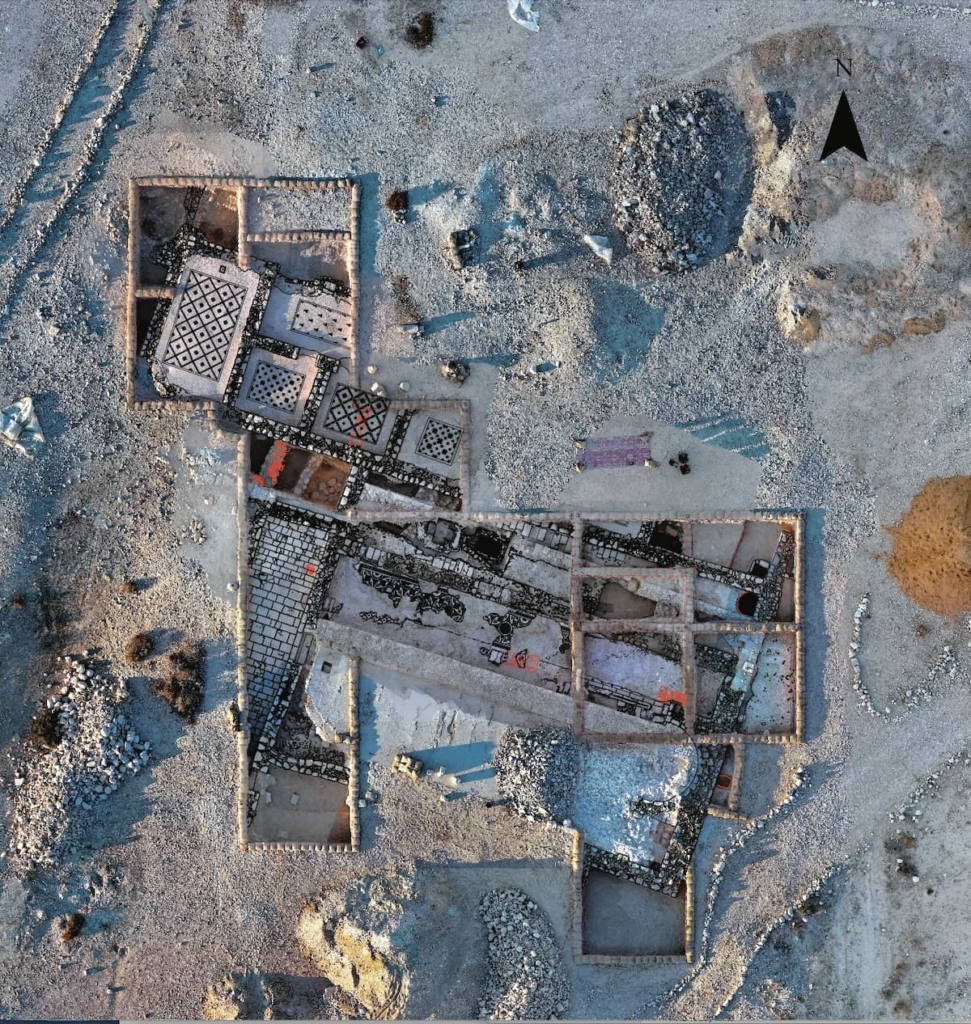
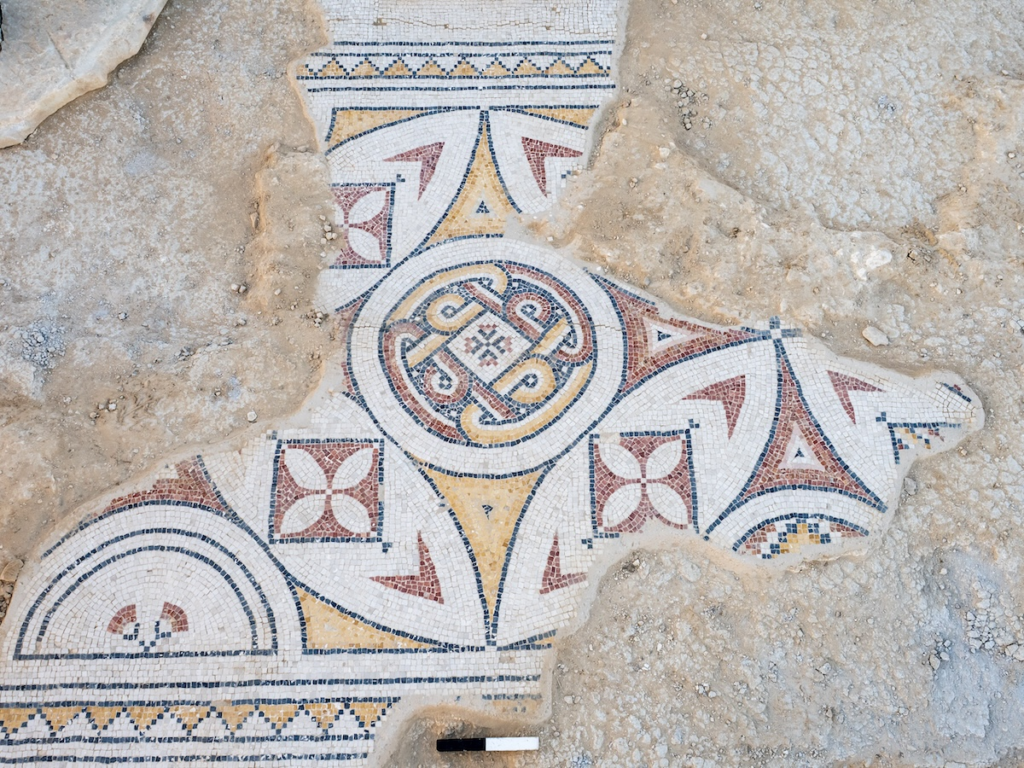
Religious buildings, including multiple churches and monastic spaces, point to a community with strong spiritual functions. At the same time, large communal structures suggest that parts of the settlement may have been used to host or support travelers, even if their exact function remains open to interpretation.
Rather than being built solely for pilgrims, Nessana seems to have evolved alongside the steady flow of people moving through the region.
Between Byzantium and early Islam: continuity, not collapse
One of the most important insights from the research is the continuity of life at Nessana across political and religious transitions.
Instead of a sudden decline following the end of Byzantine rule, the site shows signs of adaptation during the early Islamic period. Daily life, local activity, and movement through the settlement appear to have continued, suggesting that pilgrimage routes—and the communities supporting them—remained relevant even as the broader political landscape changed.
This continuity offers a more nuanced picture of the region, where transformation did not necessarily mean disruption.
A multilingual desert crossroads
The human traces left behind at Nessana reinforce this picture of movement and interaction. Inscriptions and graffiti recovered from the site appear in several languages, including Greek, Arabic, Aramaic, Armenian, and Georgian.
These fragments do not belong to a single community. Instead, they reflect a diverse flow of individuals passing through the same location, each leaving a small mark of their presence.
Taken together, they suggest that Nessana functioned as a point of contact—where different cultural and linguistic worlds briefly overlapped in the middle of the desert.
Everyday life recorded on papyrus
Some of the most revealing evidence does not come from architecture, but from writing. The Nessana papyri, discovered in the 20th century, provide detailed records of daily life in the settlement.
These documents include contracts, tax records, and private correspondence. They show a community engaged not only in religious activity, but also in agriculture, administration, and local economy.
This layer of evidence is crucial. It demonstrates that Nessana was not sustained by pilgrimage alone. Instead, it combined spiritual movement with practical systems of production and governance.
Living with the desert
Survival in the Negev required careful adaptation. Archaeological evidence points to systems of resource management that allowed the settlement to function in an arid environment.
At the same time, the desert itself has preserved fragile materials rarely found elsewhere—textiles, wood, leather, and plant remains. These finds offer a rare glimpse into the rhythms of everyday life, from clothing and storage to food production.
Nessana was not simply enduring the desert. It was operating within it, using available resources to maintain a stable community.
Rethinking ancient pilgrimage routes
The emerging picture suggests that pilgrimage in Late Antiquity may have been more structured than previously assumed. Rather than isolated journeys across empty landscapes, these routes appear to have been supported by settlements that provided continuity, resources, and local stability.
Nessana fits into this pattern—not as a purpose-built pilgrimage center, but as a place that became increasingly tied to the movement of people across the region.
This distinction matters. It shifts the focus from monumental destinations to the networks that made those journeys possible.
A site still unfolding
Much of Nessana remains to be explored, and ongoing research continues to refine its role within the wider landscape of the Near East.
For now, the site offers a clear reminder: even in the most remote environments, ancient communities were rarely isolated. They were connected—economically, culturally, and spiritually—to movements that extended far beyond the horizon.
Cover Image: Aerial view of ancient Nessana. On the foreground, the excavations of the pilgrims’ hospice. Photo by Yakov Shmidov and Alex Wiegmann. ©Nessana Expedition
Tchekhanovets, Y. 2024. Excavating ancient pilgrimage at Nessana, Negev. Antiquity 98(401). https://doi.org/10.15184/aqy.2024.132
Tchekhanovets, Y. 2026. “Ancient Nessana: A Pilgrimage Site at the Edge of the Desert”, The Ancient Near East Today 14.4. Accessed at: https://anetoday.org/ancient-nessana-pilgrimage/.