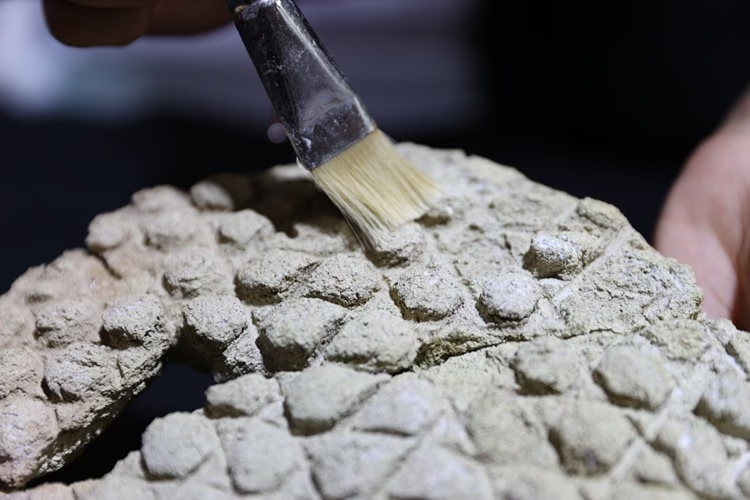
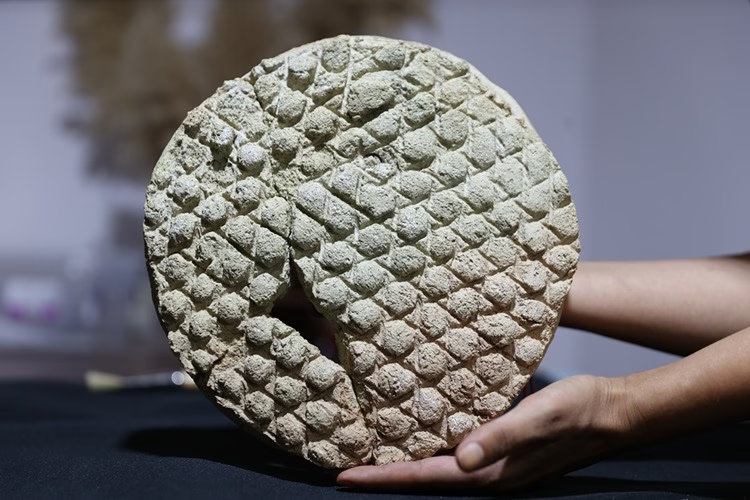
Harran, one of the world’s oldest continuously inhabited settlements and a UNESCO Tentative World Heritage Site, has revealed a remarkable new discovery. Archaeologists have unearthed an 800-year-old bread mold, intricately decorated with diamond-shaped patterns, shedding light on the culinary and cultural traditions of medieval Anatolia.
The baked-clay mold, measuring nearly 40 centimeters in diameter, was found during excavations north of the Great Mosque of Harran, in the remains of a madrasa complex. According to Prof. Mehmet Önal, director of the excavation and head of the Harran University Archaeology Department, the find is both rare and symbolic.
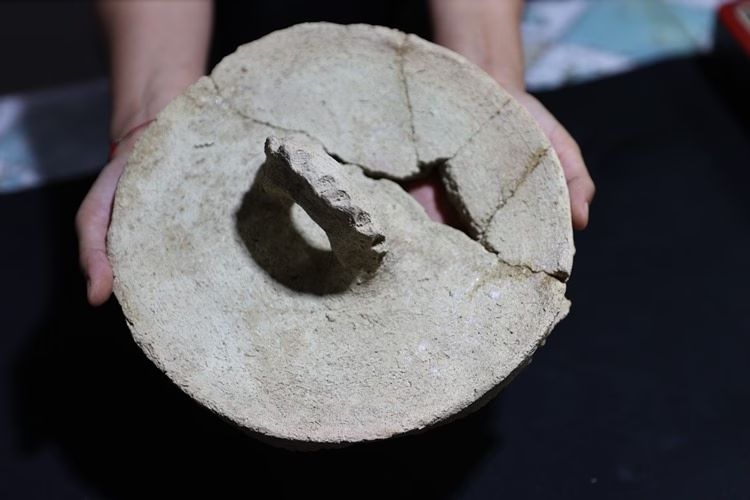
“Bread molds were used not only to shape loaves but also to guarantee their safety and enhance baking. The Harran mold is especially important because it combines geometric artistry with daily life. It reminds us that bread was as much a cultural symbol as it was a necessity,” said Prof. Önal.
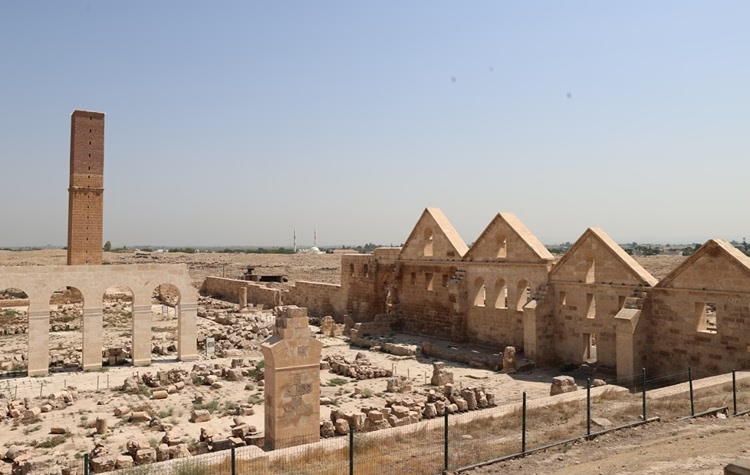
The excavation also uncovered vaulted chambers and traditional ovens, reinforcing Harran’s image as a city where intellectual pursuits and everyday practices intersected.
For centuries, Harran was a beacon of learning—home to scholars of mathematics, astronomy, medicine, and theology—before suffering destruction during the Mongol invasions in the 13th century. This bread mold now serves as a bridge between the city’s scholarly prestige and the humble meals that sustained its people.
Experts note that similar patterned molds were found in Pompeii, some stamped with the names of their owners. The Harran discovery confirms that decorative bread-making traditions extended far beyond Italy, reaching deep into Anatolia.
The artifact will undergo scientific analysis before being placed on display, where it is expected to attract both researchers and visitors eager to understand Harran’s unique legacy.