-

Forgotten Cowboys of the West: How Chinese Ranch Hands Shaped Eastern Oregon
For more than a century, the American cowboy has been framed as a singular figure — white, solitary, and mythic. Archaeological research now unfolding in eastern Oregon tells a far more complex story. One in which Chinese immigrants were not outsiders on the frontier, but working cowboys, cooks, foremen, and ranch owners who helped define…
-
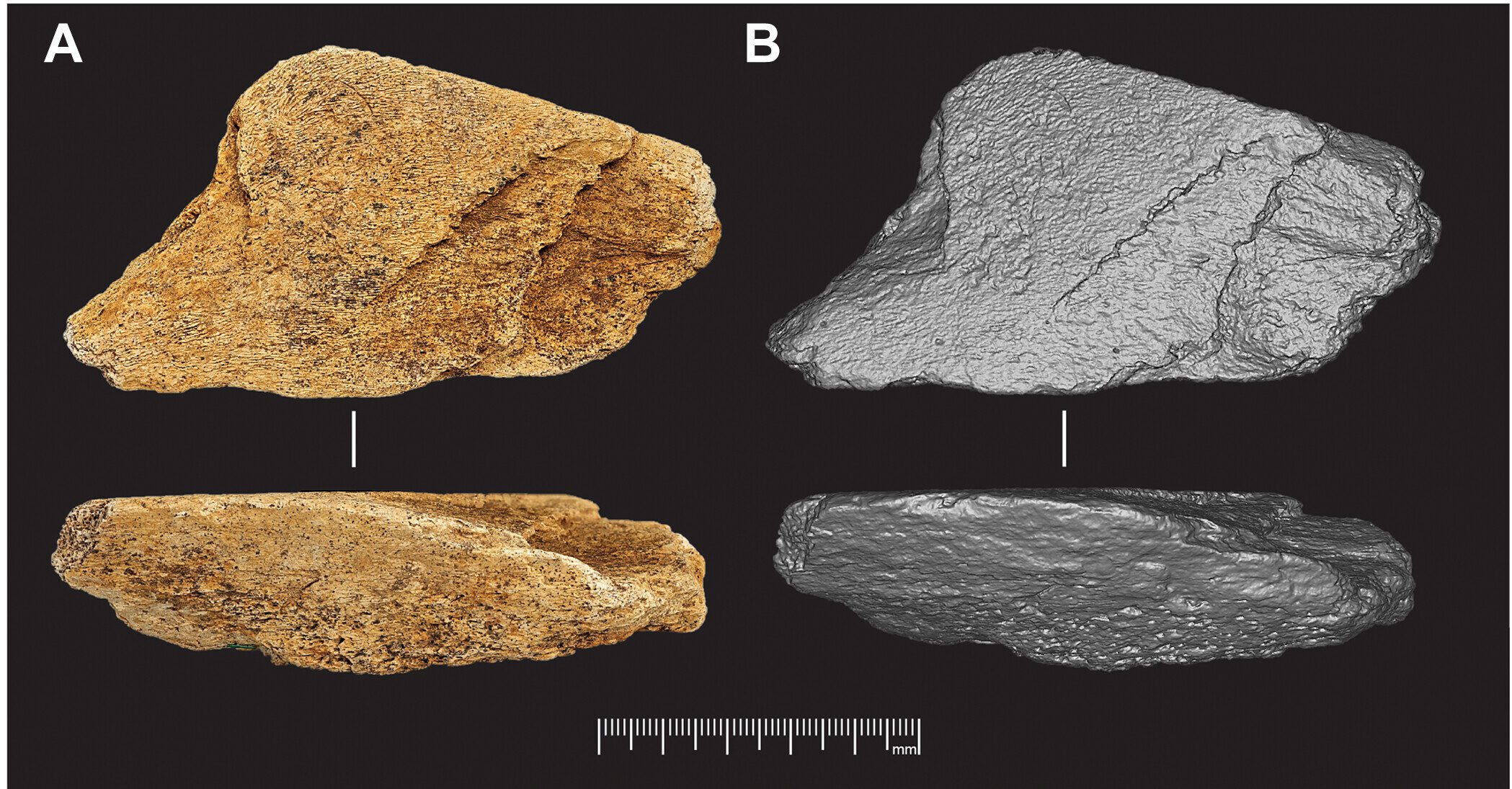
Europe’s Oldest Elephant Bone Tool Reveals Unexpected Skill Among Early Humans in Britain
Archaeologists working in southern England have identified what is now considered the oldest elephant bone tool ever documented in Europe—a discovery that reshapes how researchers understand the technological abilities of early human populations nearly 500,000 years ago. The artefact, a carefully shaped bone hammer, offers rare insight into how early humans in prehistoric Britain selected…
-
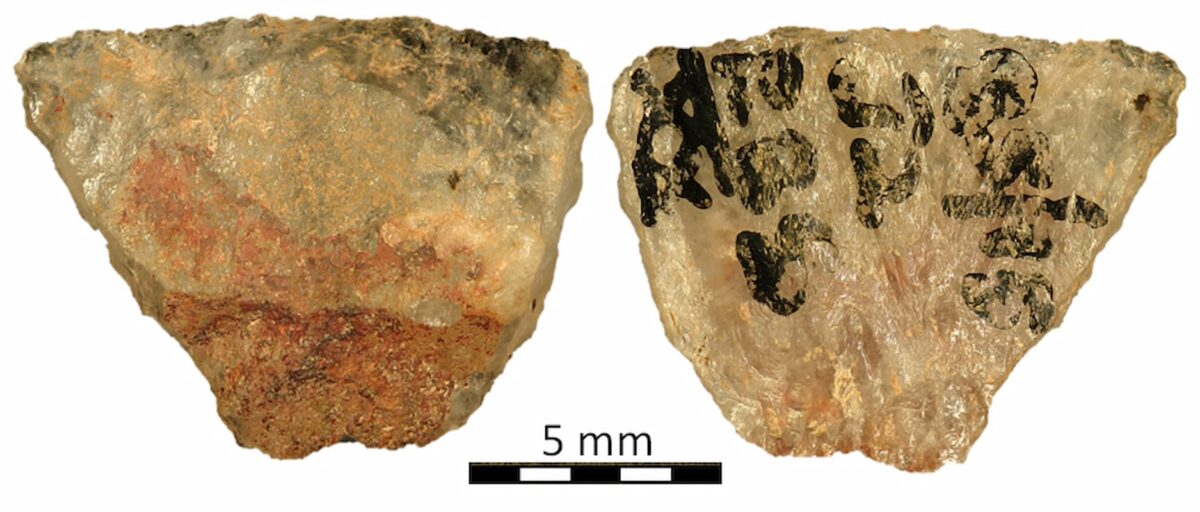
Ancient Poisoned Arrowheads: Chemical Traces Push Complex Hunting Back 60,000 Years
A set of quartz arrowheads from southern Africa has quietly rewritten the deep history of human technology. Chemical residues preserved on these small stone points reveal that early Homo sapiens were coating their weapons with plant-based poison around 60,000 years ago—tens of millennia earlier than any previously documented, direct evidence for such a practice. The…
-

Before Homo sapiens Had a Name: 773,000-Year-Old Fossils in Morocco Redraw Humanity’s Deepest Roots
For decades, the search for humanity’s deepest origins revolved around a familiar map: East Africa as the unquestioned cradle, Europe as the stage for later divergence, and the Sahara as a vast biological wall in between. New fossil evidence from Morocco now forces a fundamental reassessment of that narrative. At a quarry on the Atlantic…
-
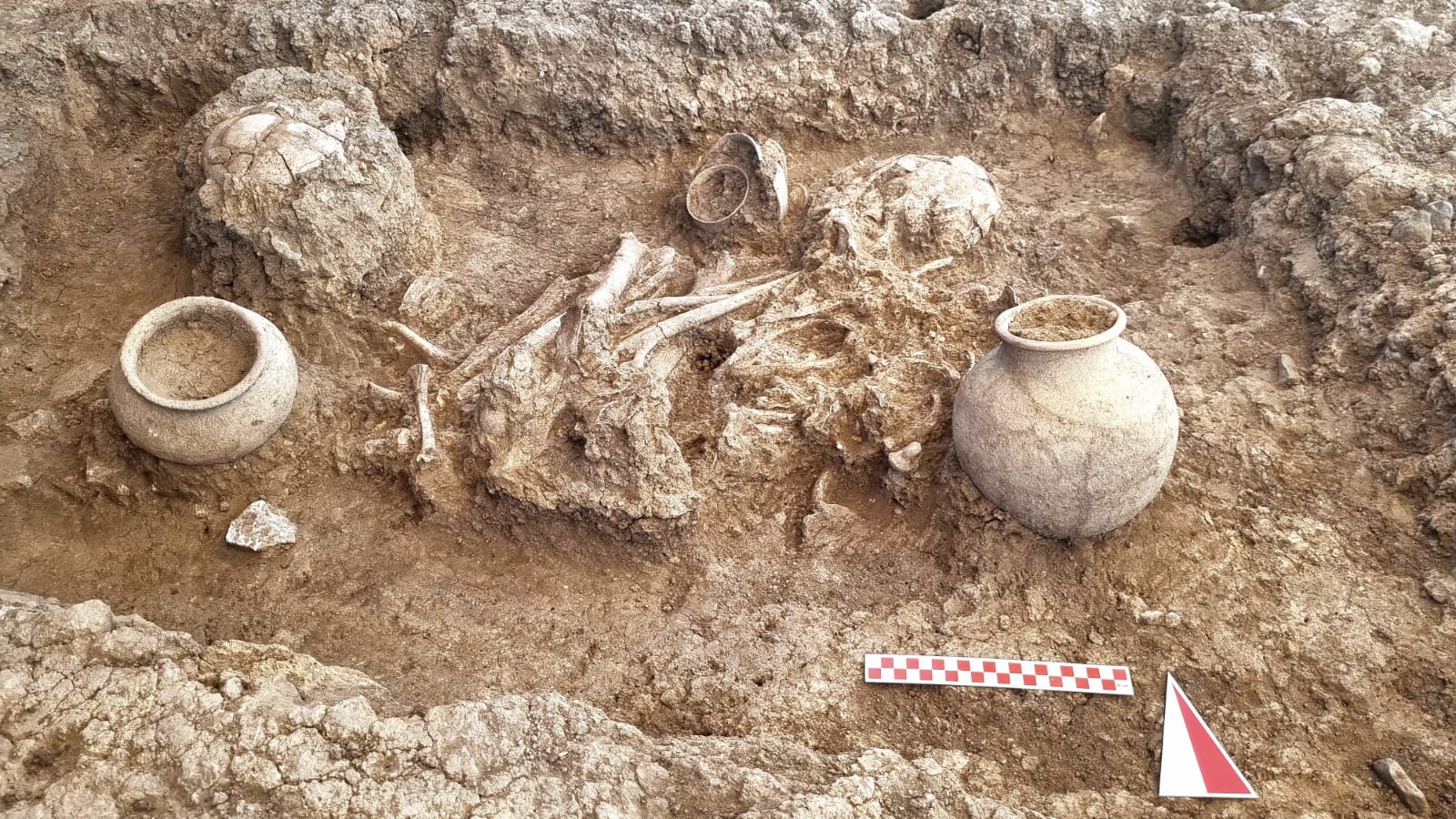
DNA Evidence from Çayönü Tepesi Is Redrawing the Origins of Neolithic Communities
In southeastern Anatolia, at the prehistoric settlement of Çayönü Tepesi, human bones that have rested underground for millennia are beginning to tell a new story. Ongoing genetic research is now revealing how early farming communities were shaped not in isolation, but through sustained contact across Anatolia, Mesopotamia, and the Caucasus. What the Bones Reveal About…
-
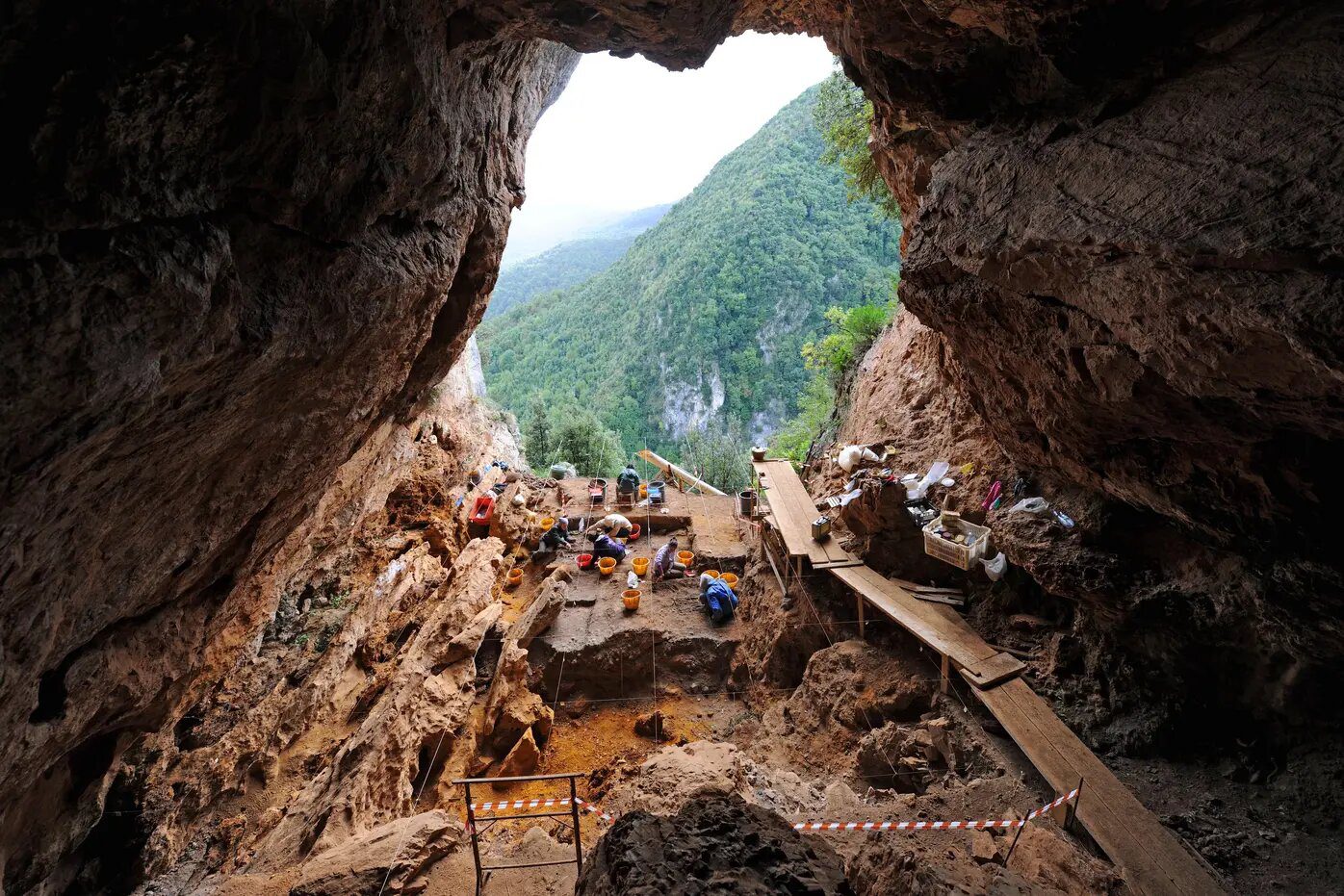
DNA Reveals the Hidden Social Life of a 3,500-Year-Old Bronze Age Community in Southern Italy
Deep in the rugged mountains of southern Italy, a prehistoric cave has quietly preserved the genetic memory of a forgotten Bronze Age community. Now, for the first time, scientists have reconstructed the biological and social fabric of this small society—revealing how people lived, moved, ate, and even organized family life in Calabria some 3,500 years…
-

Echoes Across Neolithic Catalonia: Newly Analysed Shell Trumpets Reveal a 6,000-Year-Old Sound Network
The first time researchers blew into the ancient Charonia shells, the lab filled with a low, resonant tone — the kind of sound that could roll across valleys, reach distant settlements, and mark the presence of a community long gone. According to a new study in Antiquity, these shells were not simple curiosities. They were…
-

How Neolithic Rubbish Is Rewriting the Story of Europe’s First Farmers
Nearly 8,000 years ago, Europe’s earliest farmers began confronting a problem no hunter-gatherer group had ever faced: what to do with the growing piles of rubbish created by a settled life. A new international project led by the University of York and Freie Universität Berlin argues that Neolithic waste is far more than an archaeological…
-
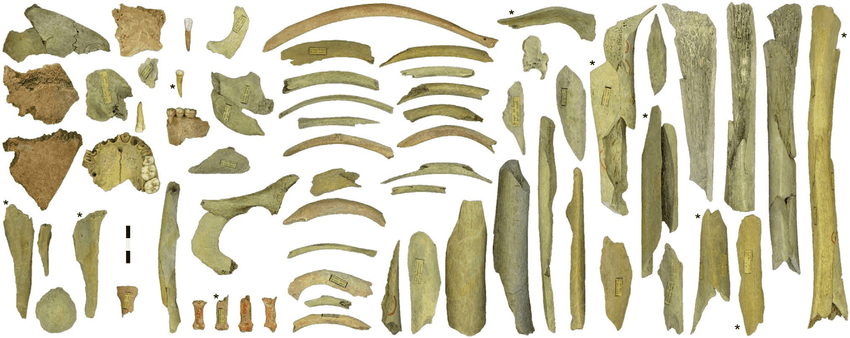
New Study Reveals Neandertals Targeted Outsider Women in Ritual Cannibalism
A newly published study has reshaped our understanding of one of Europe’s most intriguing Neandertal assemblages. Human remains unearthed in the Troisième caverne of Goyet in Belgium—dated to between 41,000 and 45,000 years ago—do not fit the demographic profile expected from a natural death assemblage.Instead, the bones speak of selection: non-local, gracile adult and adolescent…