-
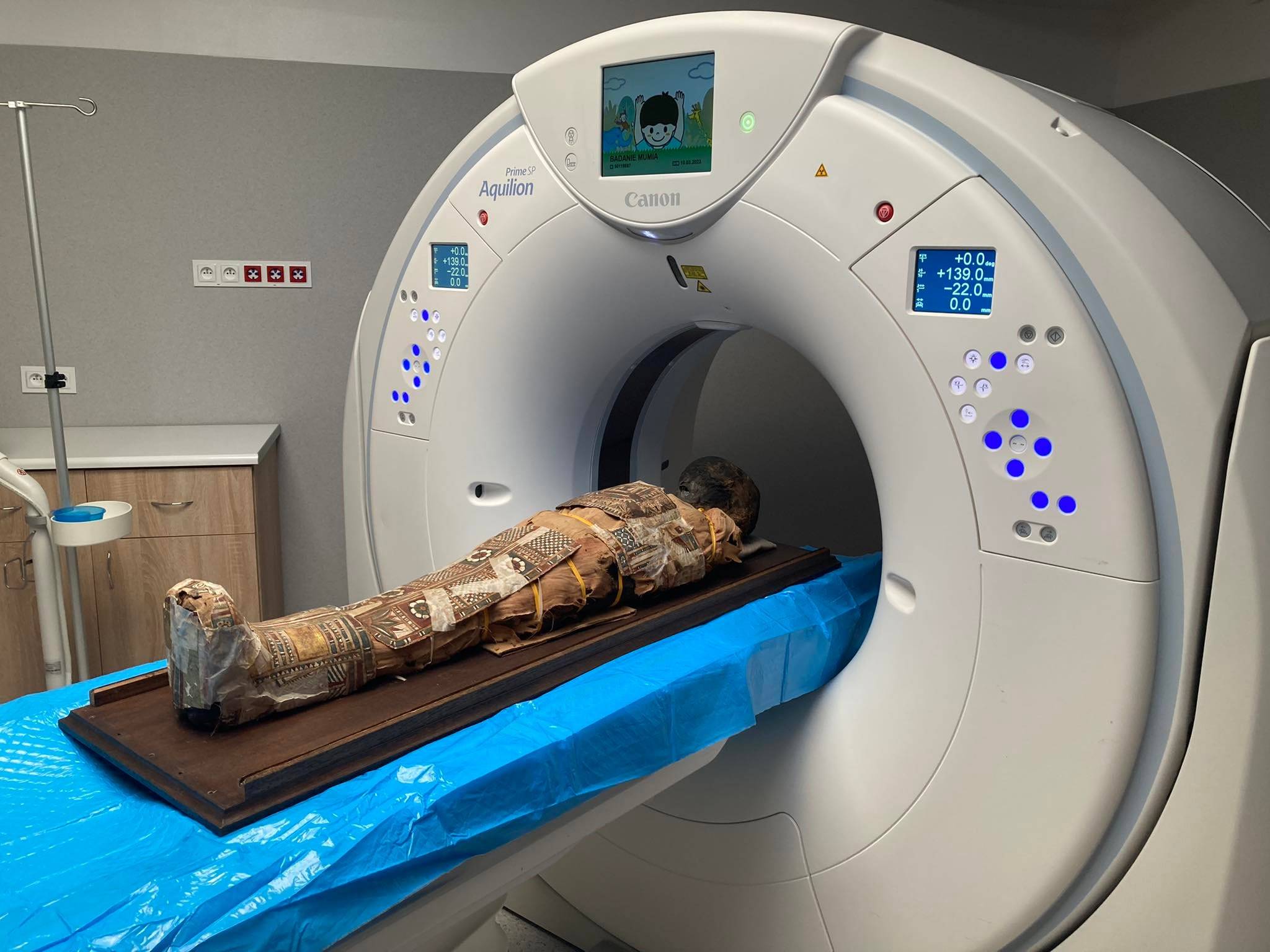
AI Scans 2,000-Year-Old Egyptian Child Mummy, Reveals Hidden Amulets and Preserved Organ
A 2,000-year-old Egyptian child mummy scanned with artificial intelligence has revealed hidden amulets and a surprisingly preserved organ, offering a rare glimpse inside an ancient burial that had remained sealed for over two millennia. What researchers found was not entirely expected. Using advanced imaging in Lublin, scientists were able to look inside the mummy without…
-
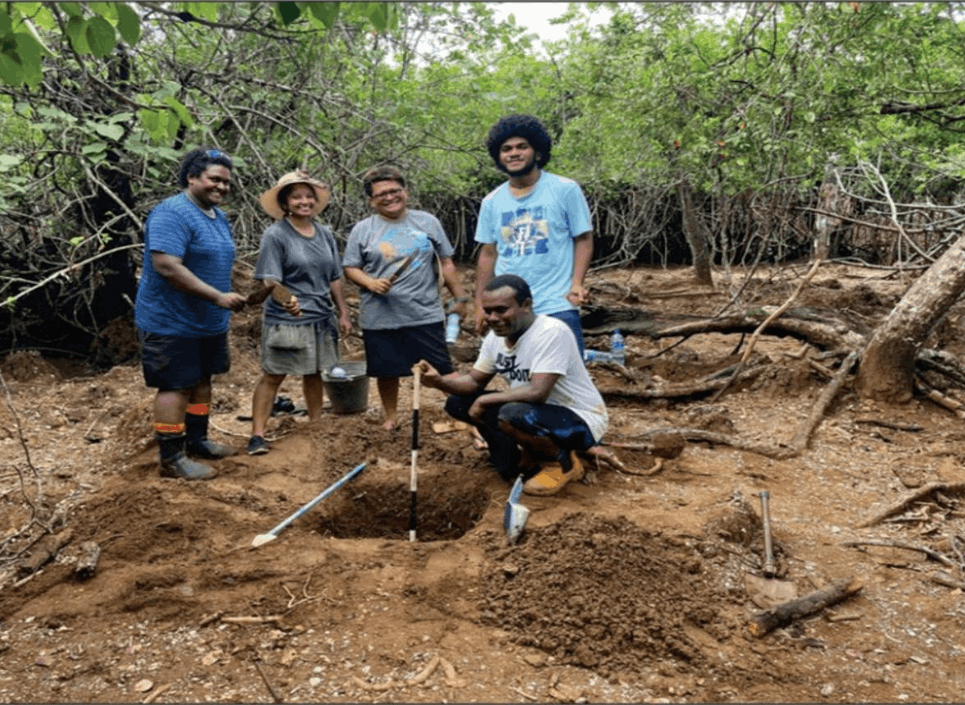
Scientists Discover 1,200-Year-Old Island Built from Shellfish Remains in Fiji
Scientists have discovered a 1,200-year-old island in Fiji built almost entirely from shellfish remains, revealing how repeated human activity over centuries can physically reshape coastal landscapes. The island, located off the coast of Culasawani in the Fiji archipelago, covers approximately 3,000 square meters. Analysis shows that 70% to 90% of its material consists of edible…
-
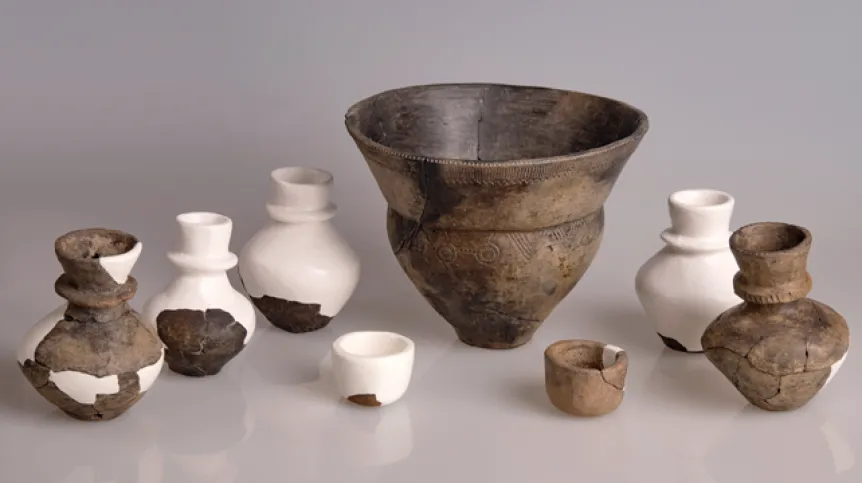
5,500-Year-Old Ritual Vessels in Poland Reveal Dairy Feasts Linked to Women-Led Ceremonies
A set of carefully crafted ceramic vessels unearthed in central Poland is shedding new light on how Neolithic communities gathered, ate, and marked important moments together. The objects, dating back roughly 5,500 years, appear to have been used during ritual feasts involving processed dairy products—and may point to ceremonies shaped largely by women. The discovery…
-

16,000-Year-Old Dogs Identified in Turkey: Ancient DNA Pushes Back Origins of Dog Domestication
Early dogs identified in Turkey are now reshaping what scientists know about dog domestication. New ancient DNA evidence from the Pınarbaşı site reveals that dogs were already living alongside humans around 16,000 years ago—thousands of years earlier than previously confirmed. The discovery, based on full genome analysis of Upper Palaeolithic remains, places central Anatolia at…
-
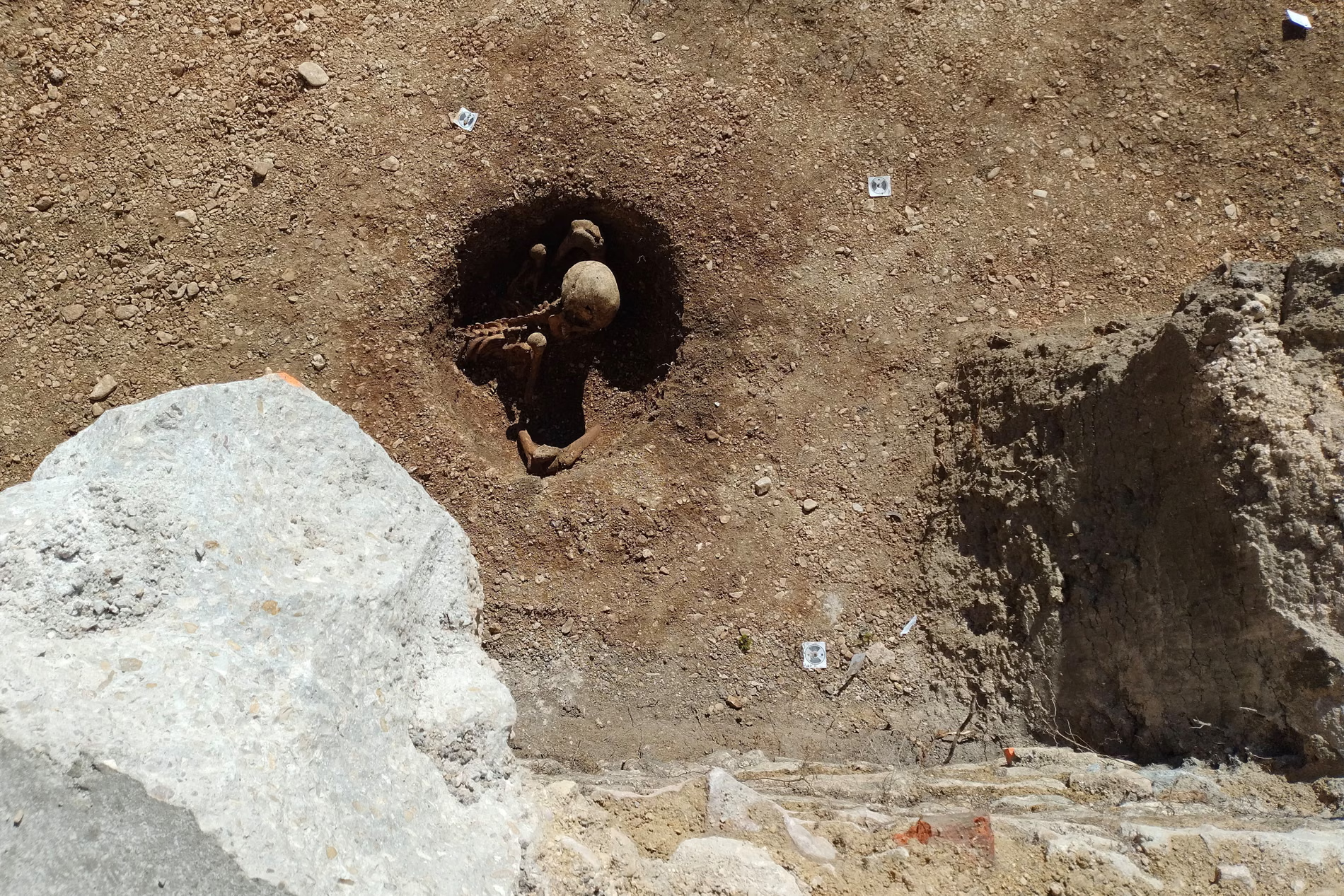
Seated Gaul Burials Discovered in Dijon Raise New Questions About Celtic Rituals
A skeleton sitting upright, hands resting calmly in its lap, was discovered beside a primary school in Dijon, eastern France—facing west after more than two millennia underground, in a case that is shedding new light on the burial practices of the ancient Gauls. The discovery, made near a playground in Dijon, is not an isolated…
-
15,000 Years Ago, Children Shaped Clay in Israel—Long Before Pottery or Farming Emerged
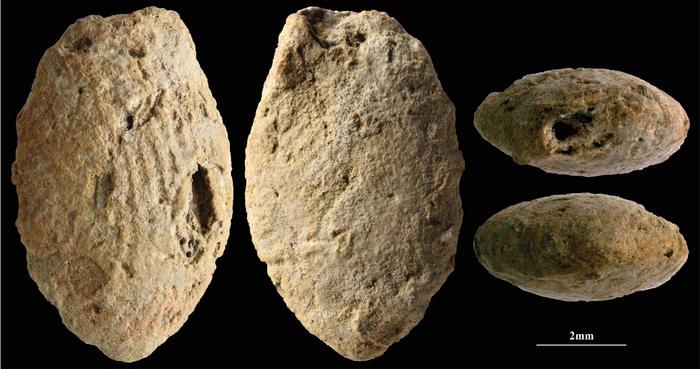
Fifteen thousand years ago, in a landscape that had not yet seen farms, cities, or pottery, people were already shaping clay with intention. Among them were children, pressing their fingers into soft surfaces and leaving behind traces that have survived for millennia. What they created was not meant for cooking or storage, but for something…
-

Not Climate Alone: Could Pregnancy Risks Have Weakened the Neanderthals?
For decades, the disappearance of the Neanderthals has been told as a story of cold winds and new rivals. Around 40,000 years ago, Homo neanderthalensis faded from Eurasia. The explanations are familiar: abrupt climate swings, shrinking habitats, and the steady expansion of Homo sapiens. Yet a new study published in the Journal of Reproductive Immunology…
-
DNA Reveals Family Bonds Shaped 5,500-Year-Old Burials on Gotland’s Baltic Coast
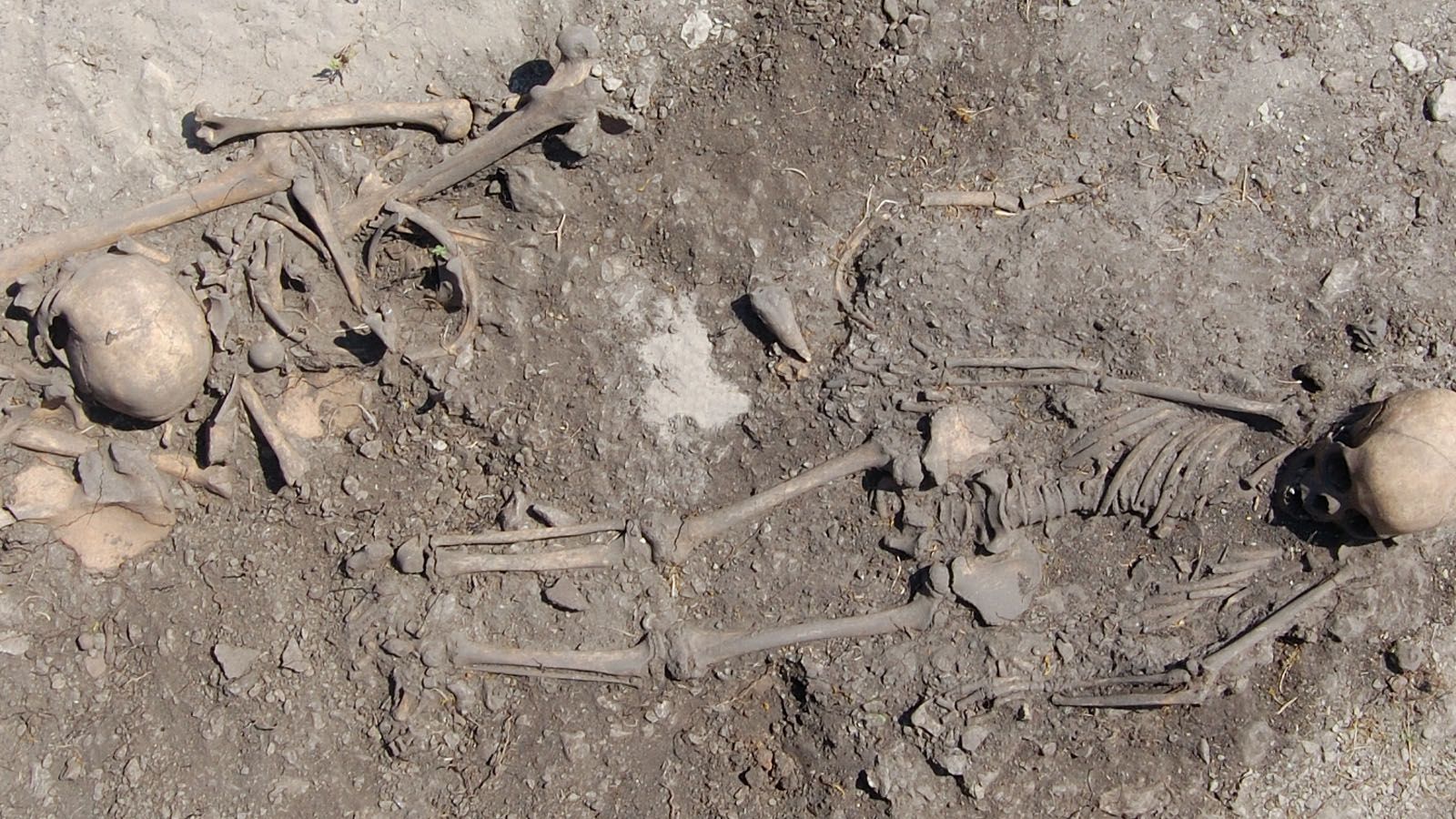
On a windswept stretch of the Baltic coast, long before Scandinavia’s medieval towns or Viking ships, families were making deliberate choices about where their dead would rest. Now, new genetic research is showing that those decisions were anything but accidental. A major archaeogenetic study led by researchers at Uppsala University has reconstructed family relationships within…
-
11,000-Year-Old Girl Identified Through DNA Becomes Northern Britain’s Earliest Confirmed Individual
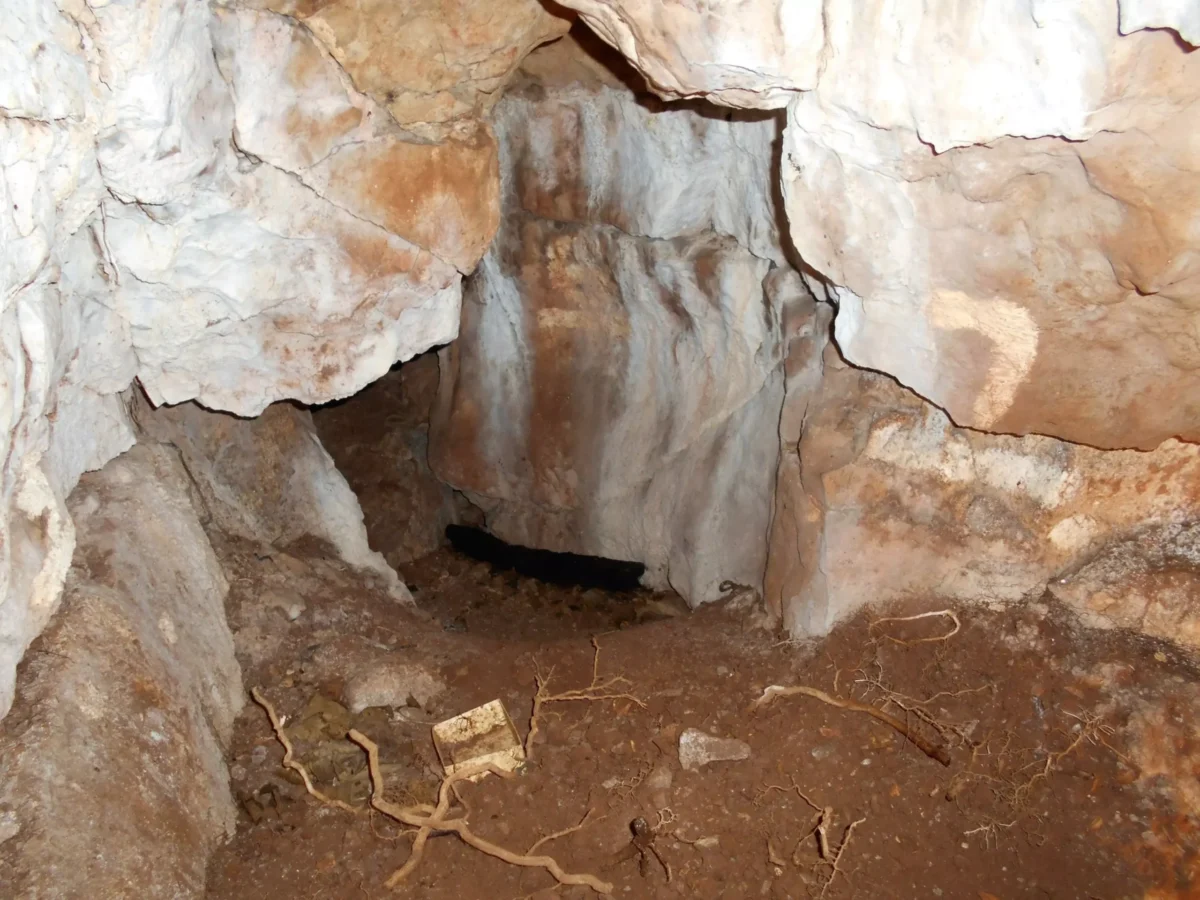
An 11,000-year-old burial uncovered in a small limestone cave in Cumbria has now been identified as a young girl, making her the earliest known individual from northern Britain whose sex and age have been scientifically confirmed through DNA analysis. Discovered at Heaning Wood Bone Cave near Great Urswick, the child—affectionately named the “Ossick Lass”—lived during…