-
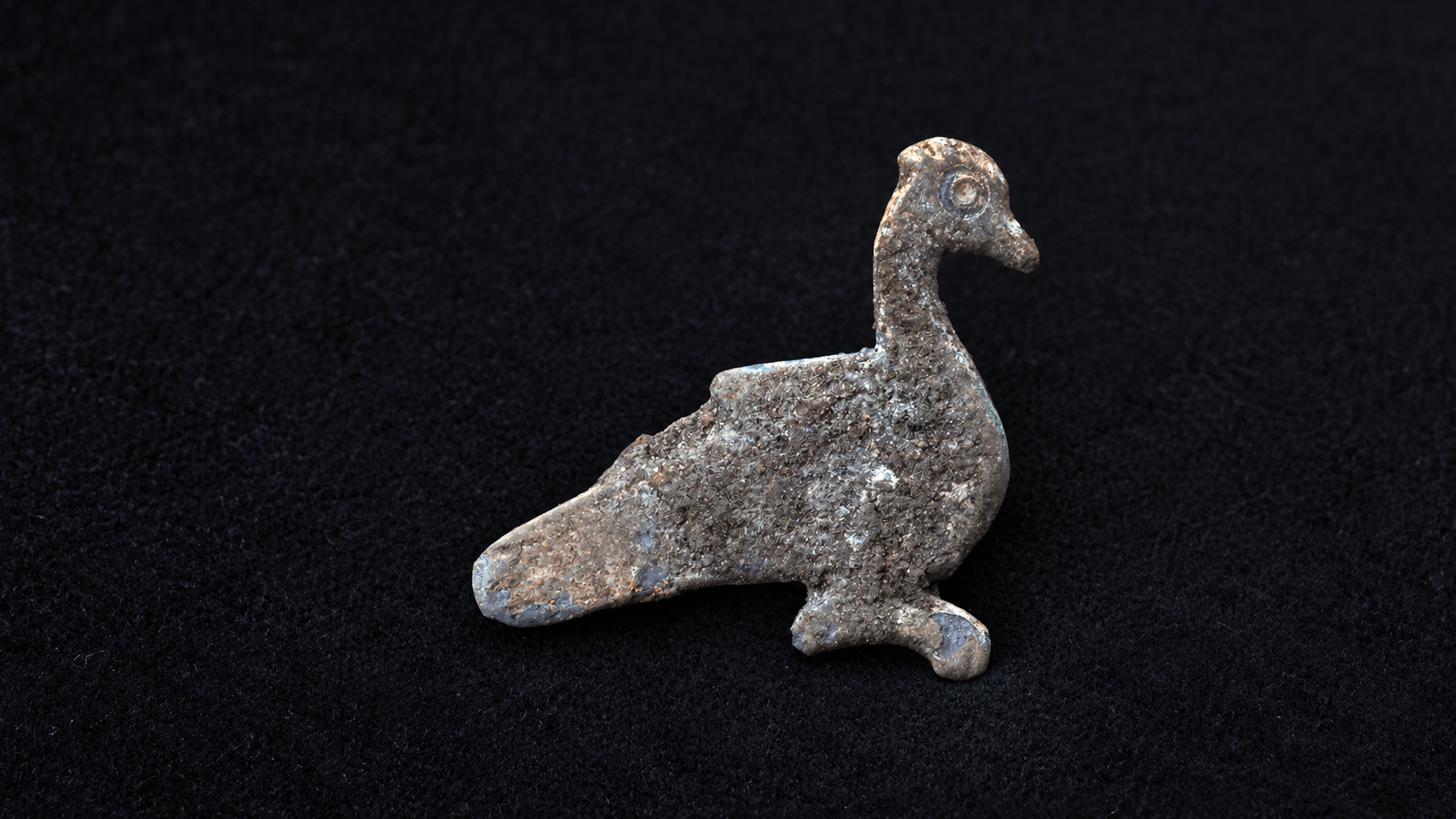
Roman Settlement Destroyed by Fire Discovered in Switzerland
Archaeologists excavating ahead of a housing project in southern Switzerland have uncovered a Roman settlement containing evidence of iron and bronze working on a significant scale. The complex, occupied during the second and third centuries AD, came to a violent end when a fire brought down its tiled roof. The discovery was made near Via…
-
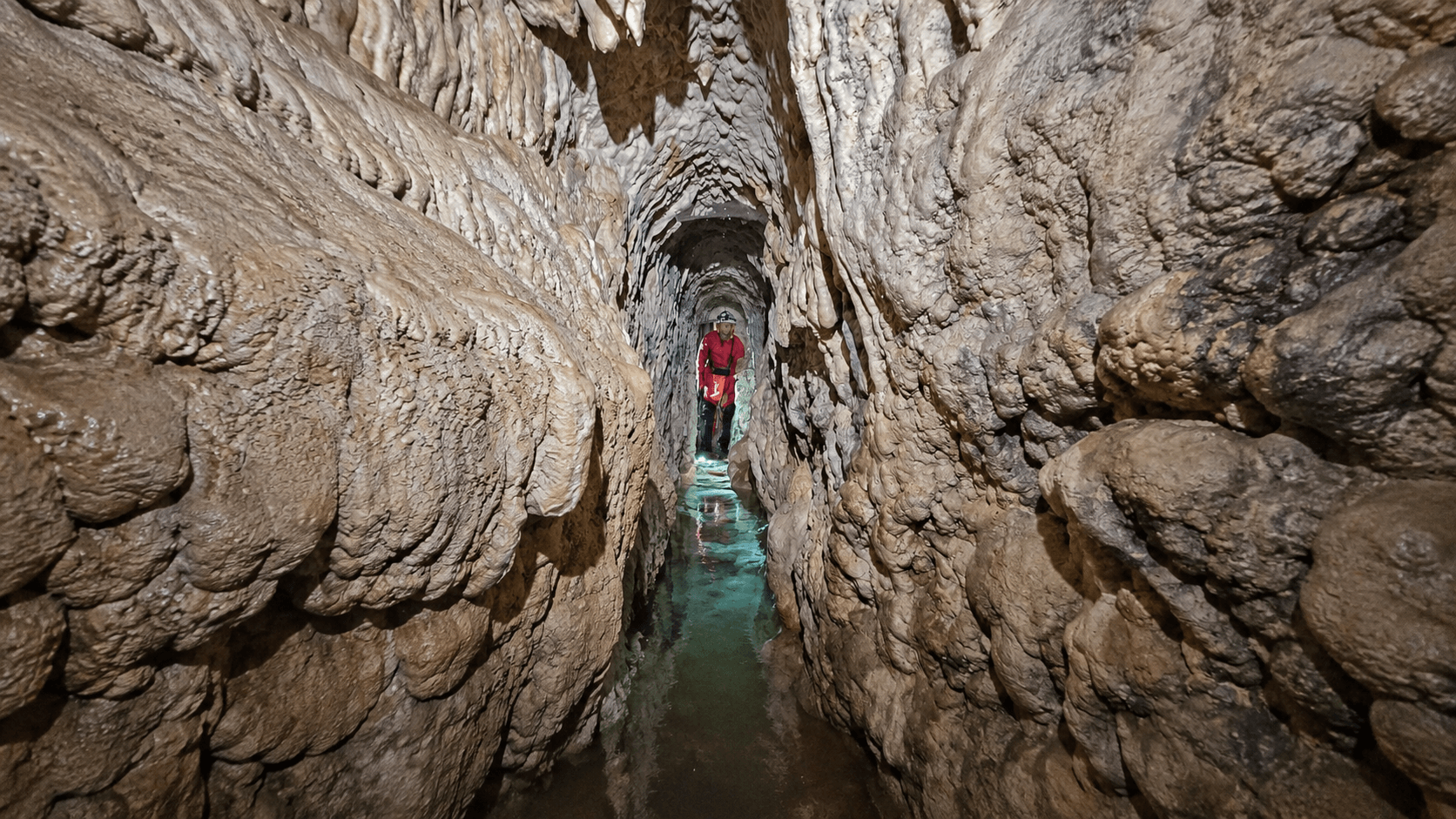
Before Roman Rule, the Sabines Carved This 100-Meter Aqueduct Through Solid Rock
Long before Rome absorbed the Sabine territories of central Italy, communities in the hills northeast of the city were already reshaping the landscape to control water. Archaeologists have now documented a rock-cut aqueduct near the ancient settlement of Trebula Mutuesca, revealing sophisticated engineering from the region’s pre-Roman past. The underground structure was discovered at Monteleone…
-
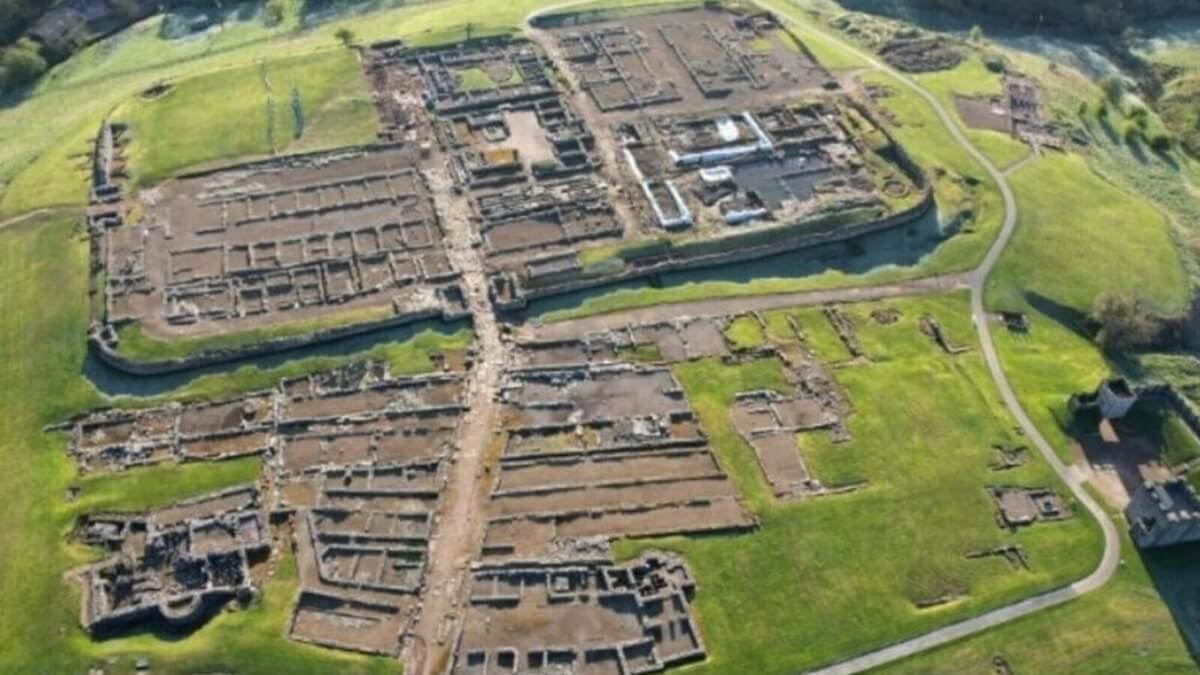
1,800-Year-Old Sword Fitting Preserves a Flash of Color at Roman Vindolanda
An enamelled Roman sword fitting has emerged from a second-century layer at Roman Vindolanda, the frontier fort near Hadrian’s Wall in northern England. Although small enough to fit in one hand, the object preserves a detail rarely associated with the popular image of the Roman army: color. The copper-alloy fitting has been identified as a…
-
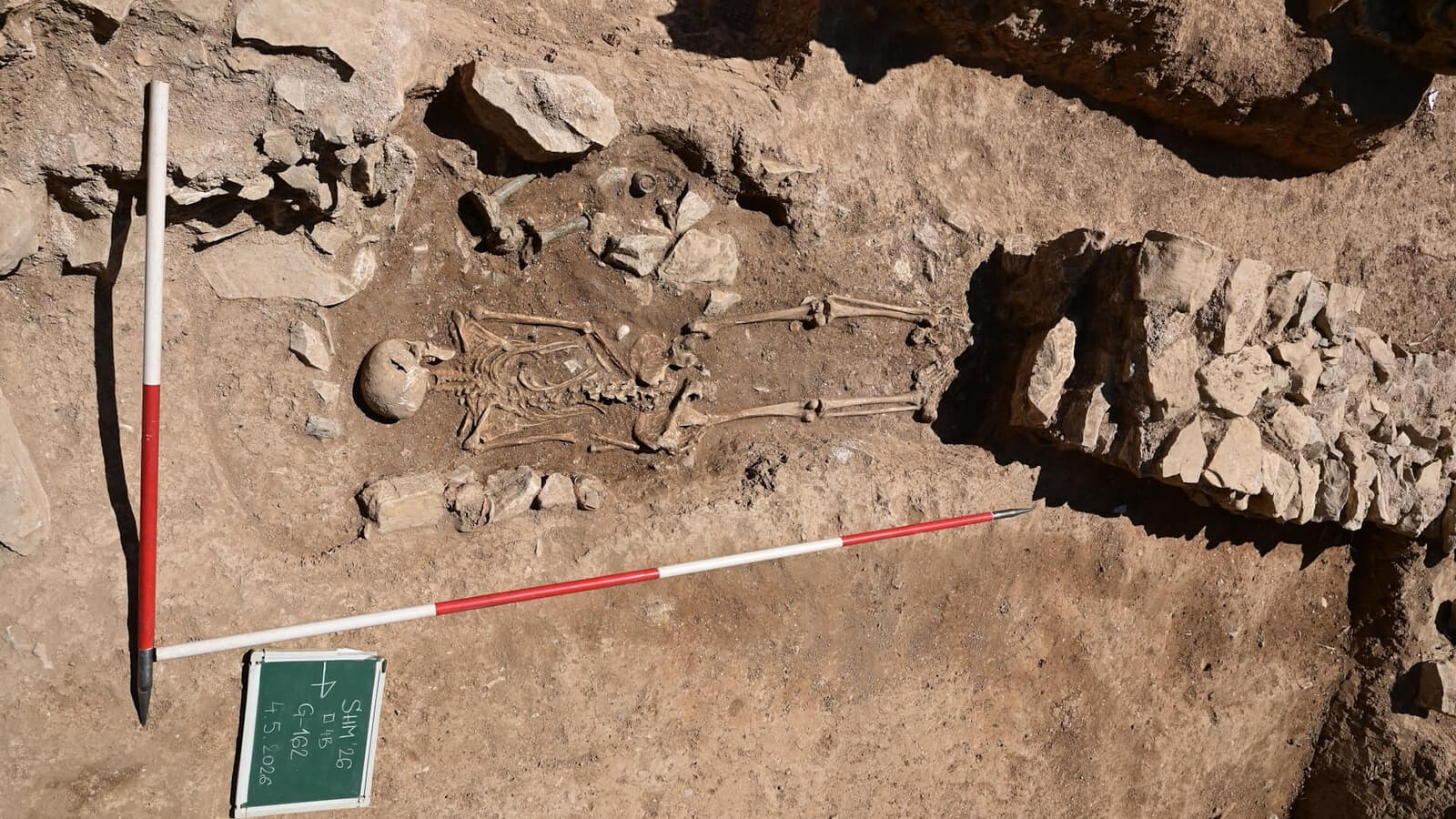
Face-Down Roman Burial with Rich Grave Goods Discovered in Croatia
Archaeologists working in the western necropolis of ancient Salona have uncovered a face-down Roman burial in Croatia containing eleven glass and ceramic vessels and two gemstones. The unusual position of the deceased and the number of objects placed in the grave made it one of the most notable burials investigated during the 2026 excavation season.…
-
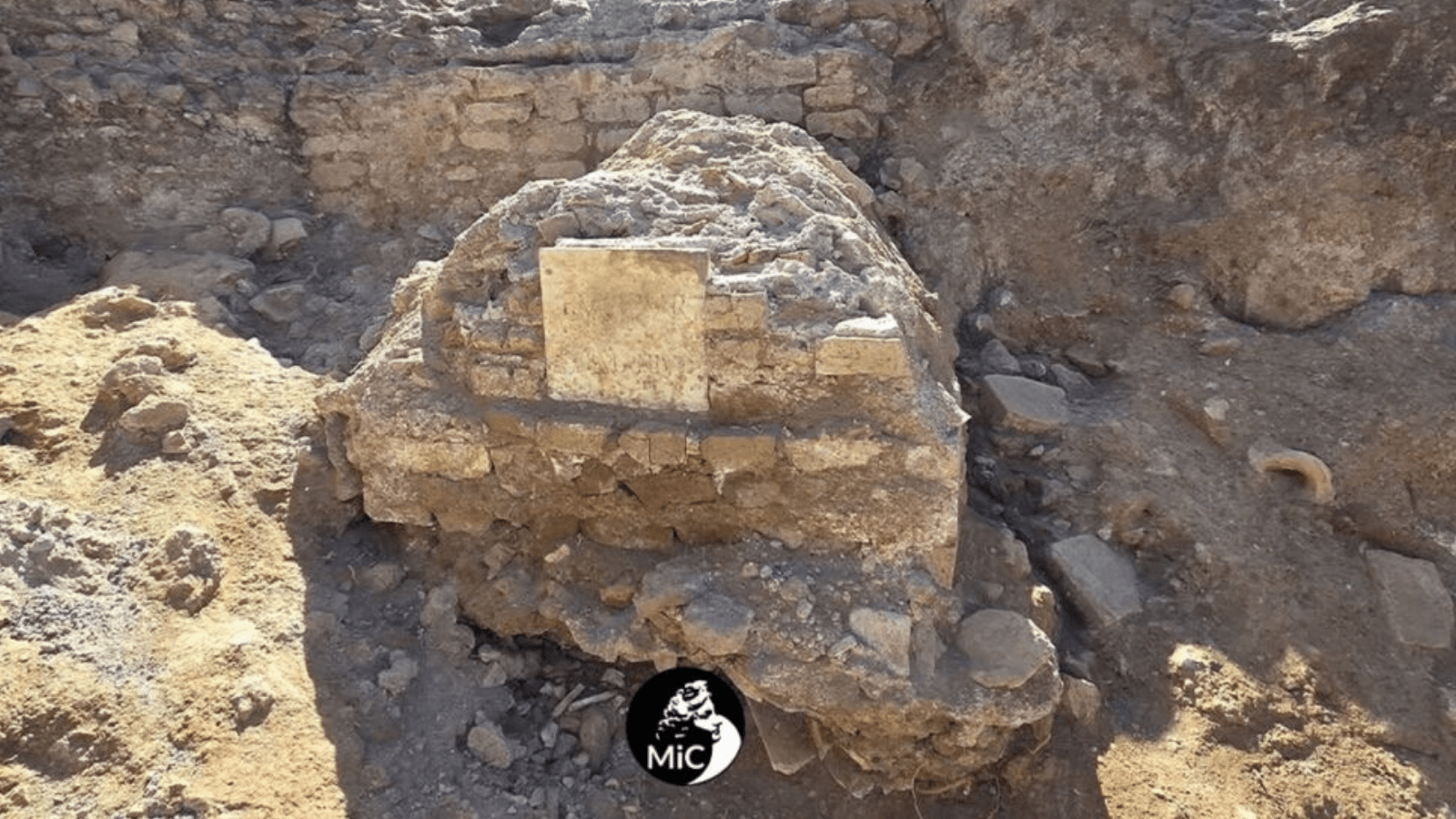
Rare Inscription Shows How Romans ‘Buried’ Lightning at Hadrian’s Villa
A marble inscription discovered at Hadrian’s Villa in Tivoli has revealed how Romans responded when lightning struck the imperial residence. Rather than treating the event as ordinary damage, they apparently buried its physical traces, separated the affected ground and placed it within the divine realm. Archaeologists found the inscription in the area traditionally known as…
-
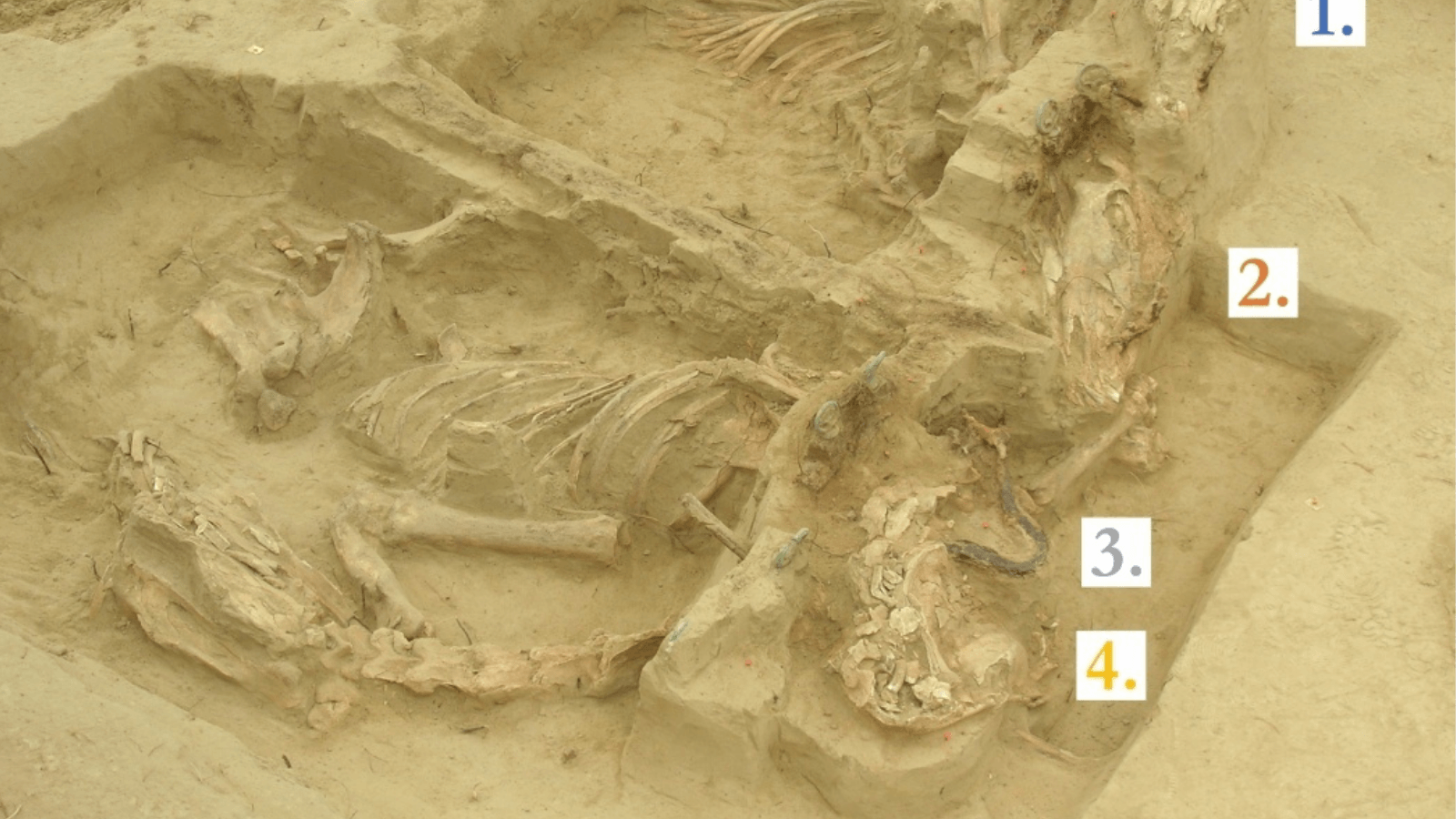
Why Were Four Horses Killed and Buried With a Roman Carriage in Hungary?
Around 1,800 years ago, a community in what is now Hungary staged an extraordinarily costly funerary ritual. Four horses were probably killed while still arranged as a team, then buried beside a four-wheeled Roman traveling carriage and four hunting dogs sacrificed during the same ceremony. Archaeologists uncovered the unusual carriage burial at Sárisáp in 2012.…
-
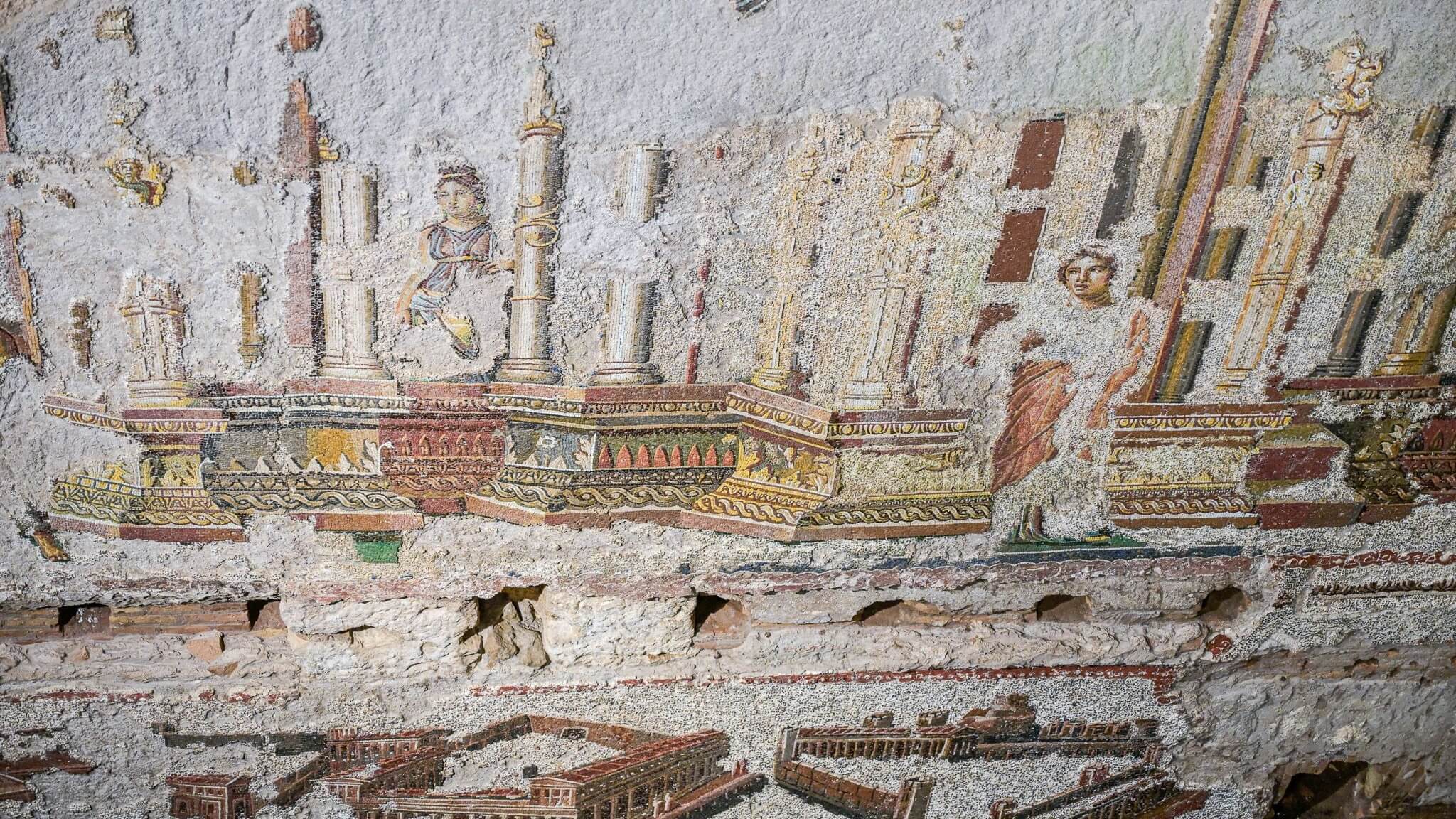
New Excavations Beneath Rome’s Baths of Trajan Reveal a Roman Port Scene
Archaeologists working beneath the Baths of Trajan in Rome have uncovered a previously unseen section of a monumental wall mosaic. The Roman port scene shows buildings arranged beside the sea, adding a coastal landscape to an artwork that may be the largest wall mosaic yet found in the Roman world. The discovery emerged during the…
-
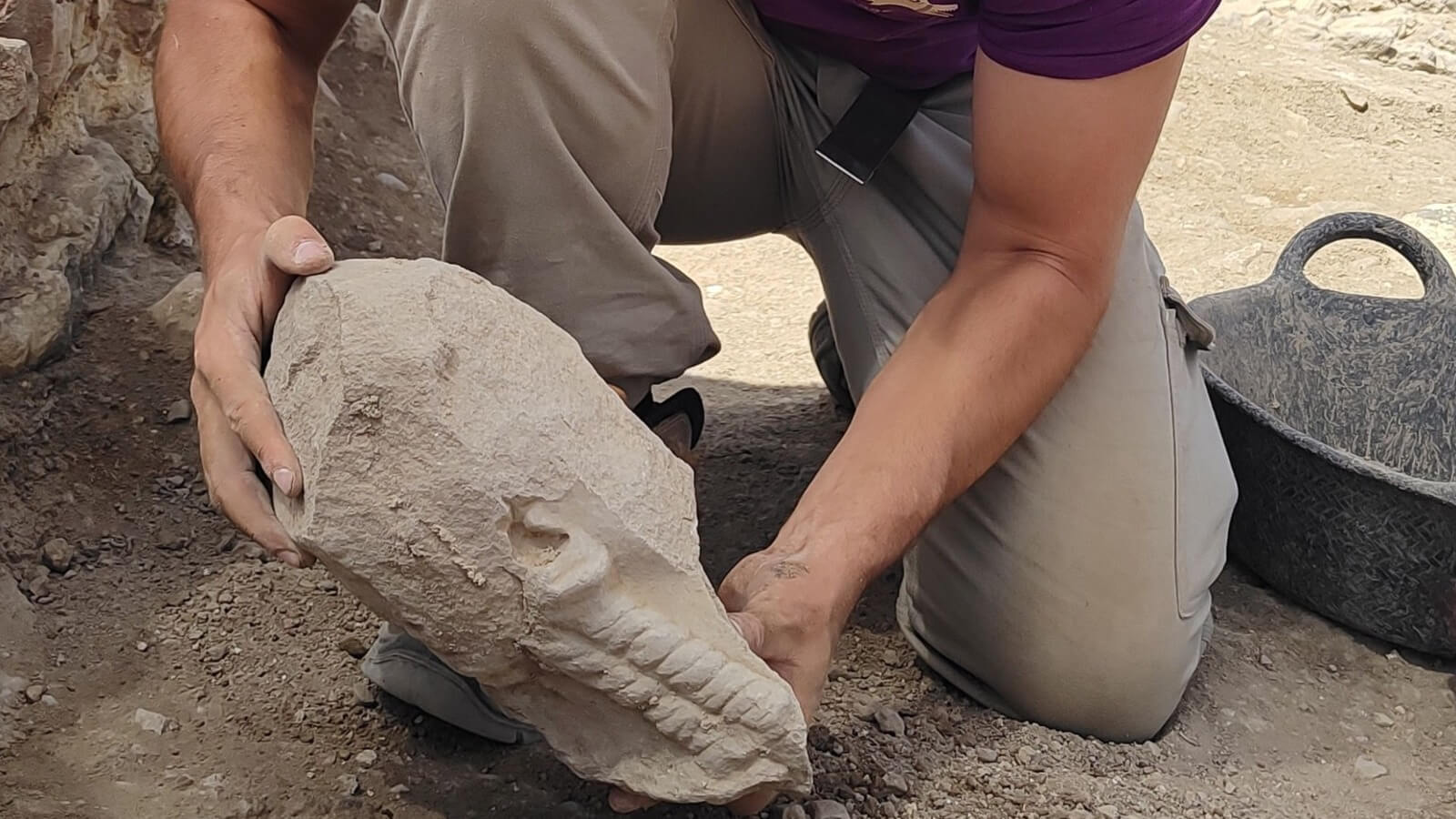
2,400-Year-Old Iberian Statue Head Found Built Into a Roman Granary in Spain
The nearly life-size limestone head may once have belonged to an Iberian funerary monument associated with elite identity. Centuries later, it was stripped of its original meaning and reused as an ordinary building stone. Archaeologists excavating the ancient city of Libisosa in southeastern Spain have discovered the head of an exceptional Iberian statue dating to…
-
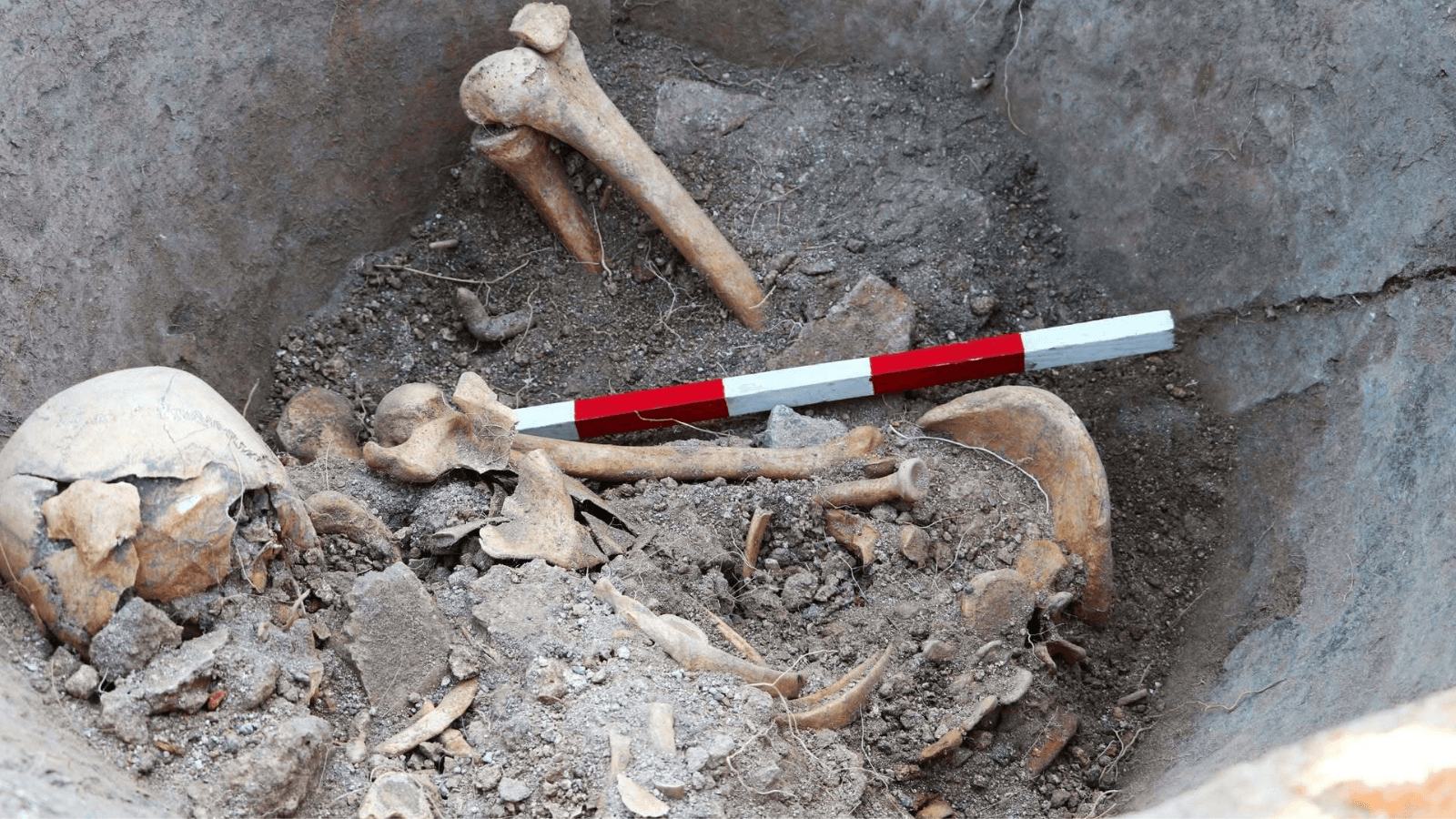
1,600-Year-Old Skeleton Found Curled Inside a Giant Roman Jar in Bulgaria
Archaeologists excavating the Roman city of Deultum in Bulgaria have uncovered a 1,600-year-old skeleton inside a giant ceramic storage vessel. The individual may have climbed into the jar as fire and violence engulfed the city—then died without attempting to escape. The remains were discovered on August 10 in the northern tower of Deultum’s western gate,…