-
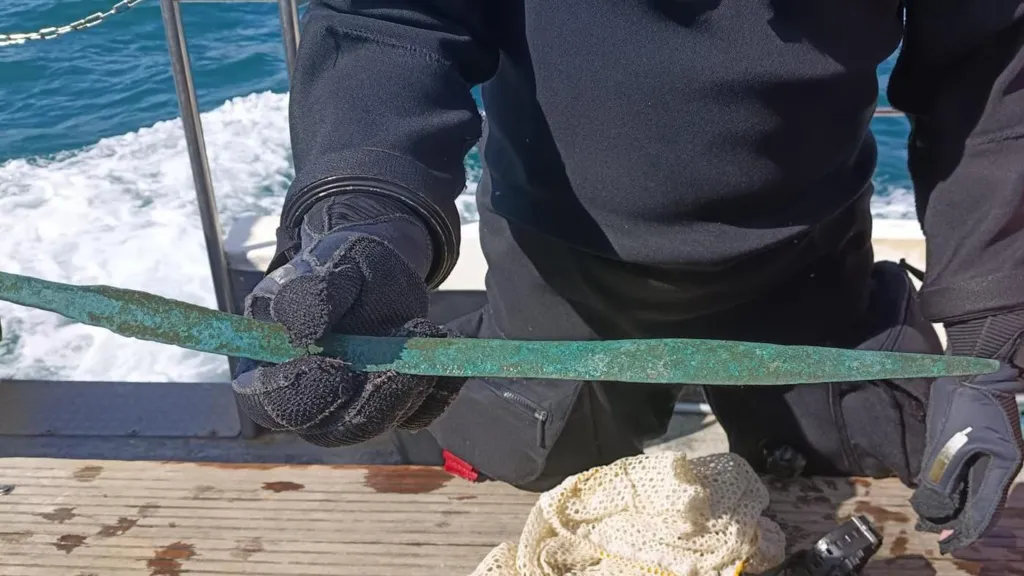
Rare 3,000-Year-Old Bronze Age Sword Discovered at Salcombe Wreck Site
A remarkably rare Bronze Age sword has been recovered from the seabed at the protected Salcombe wreck sites off the coast of Devon in south-west England. The weapon was discovered earlier this year by volunteer divers Becky Gill and Catherine Gill during archaeological investigations by the South West Maritime Archaeological Group. Initial specialist assessment dates…
-
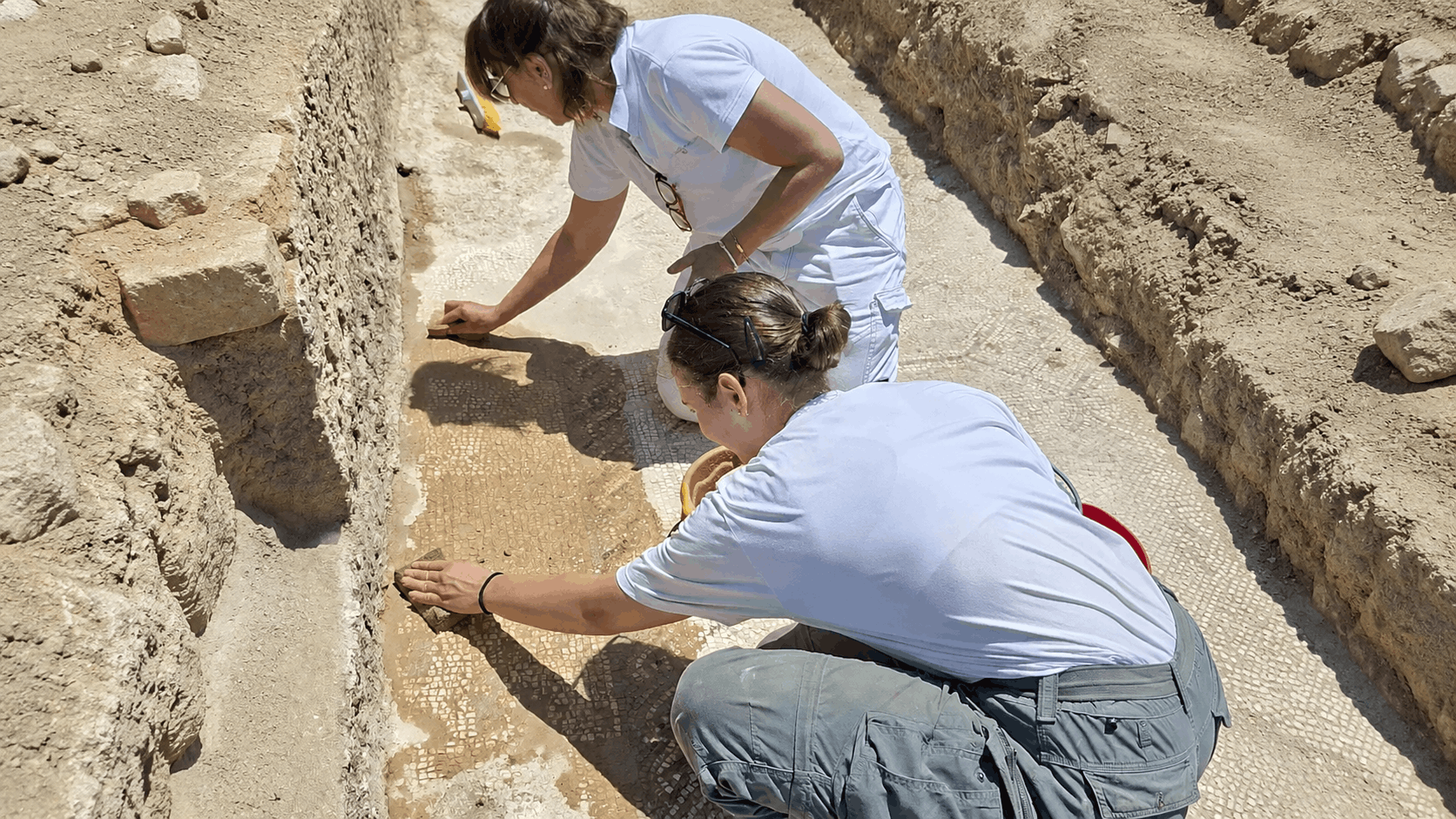
Polychrome Late Antique Mosaic and Christian Monogram Unearthed in Sicily
Archaeologists working in Agrigento, Sicily, have uncovered a polychrome geometric mosaic and a group of objects linked to the city’s early Christian community. The discoveries were made during the 11th excavation campaign in the Hellenistic-Roman Quarter of ancient Agrigentum, close to a large Roman bath complex. The excavated building remained in use for nearly eight…
-
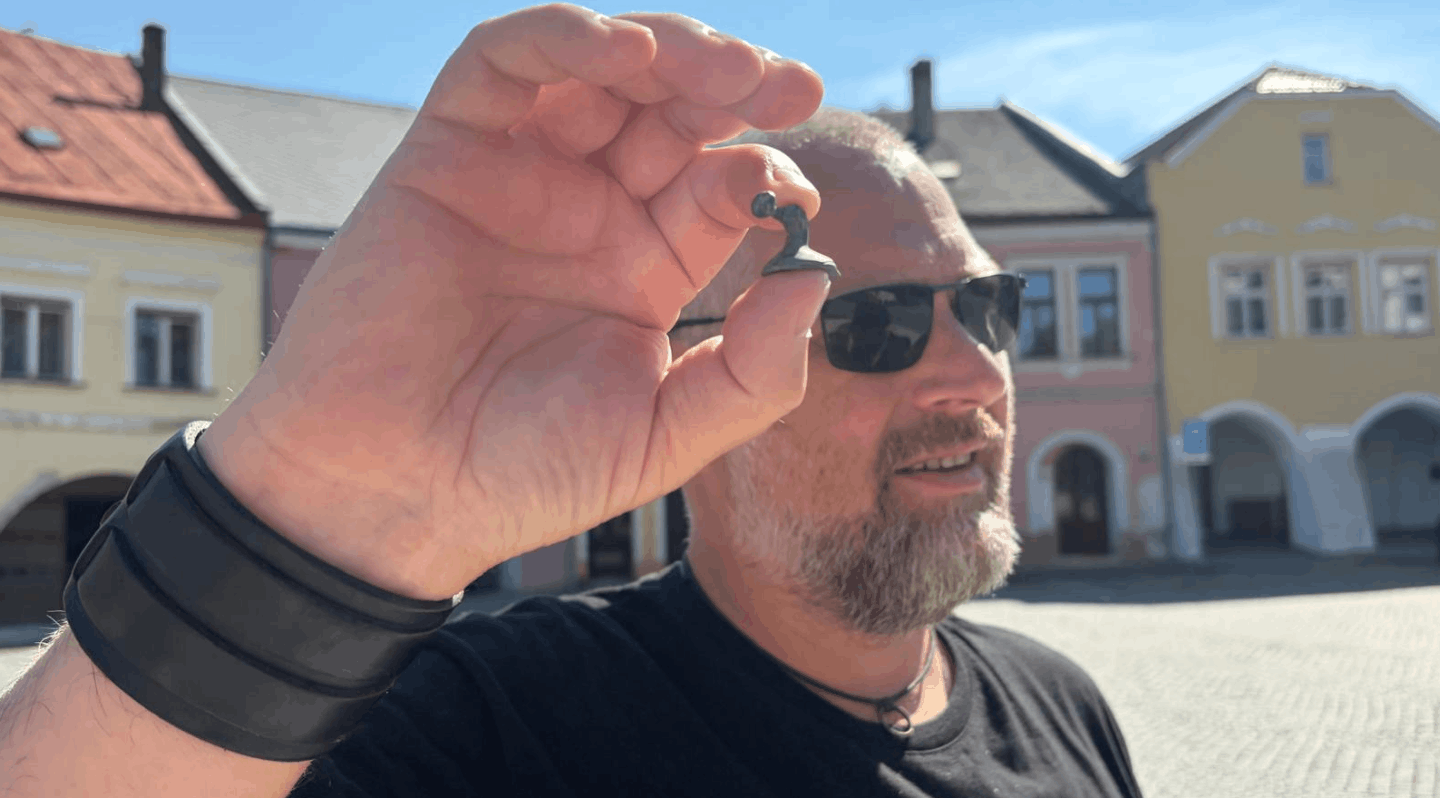
Tiny 2,000-Year-Old Celtic Bronze Duck Found Near the Amber Road in Moravia
A miniature Celtic bronze duck more than 2,000 years old has been discovered near the village of Tučín in Moravia, in the eastern Czech Republic. The intact figurine measures only 23 millimetres in length and weighs around 10 grams. It was found by amateur archaeologist Miroslav Komínek, who works with the Comenius Museum in Přerov.…
-
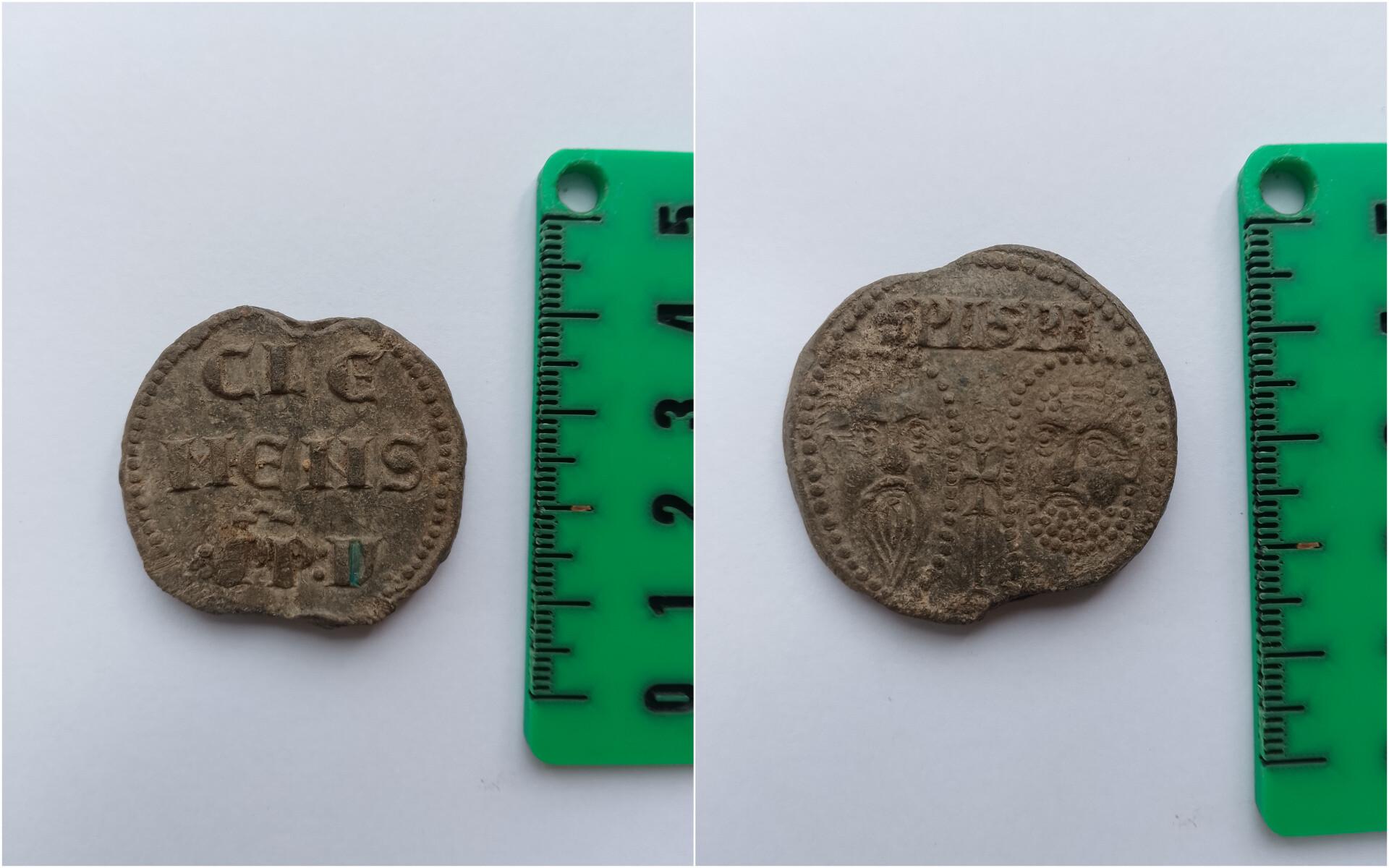
14th-Century Papal Seal Unearthed in Tallinn, the First Found in Estonia
Archaeologists excavating a courtyard in central Tallinn have discovered a 14th-century lead seal issued under Pope Clement V. It is the first papal seal ever recovered during an archaeological excavation in Estonia. The seal was found in the courtyard of the Soviet-era Eesti Projekt office building, where excavations began last year. Archaeologists have also uncovered…
-
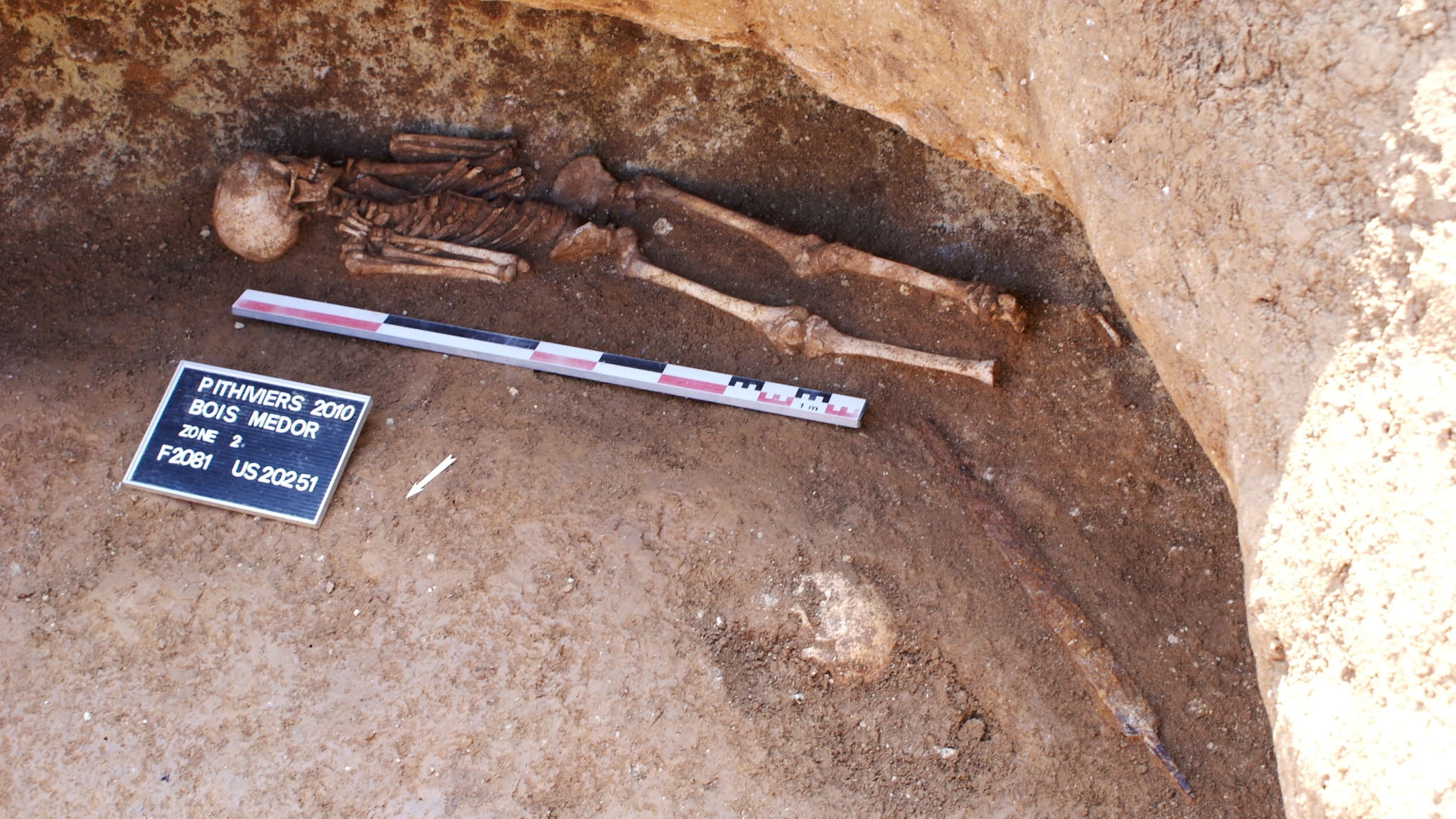
2,400-Year-Old Child Buried with a Sword in a Gaulish Silo in France
A 2,400-year-old child burial with a sword was uncovered inside an abandoned grain silo at the Gaulish settlement of Pithiviers “Bois Médor” in central France. The child, who died before the age of 15, had been placed curled against the wall of the underground pit. An iron sword in its scabbard lay near the legs,…
-
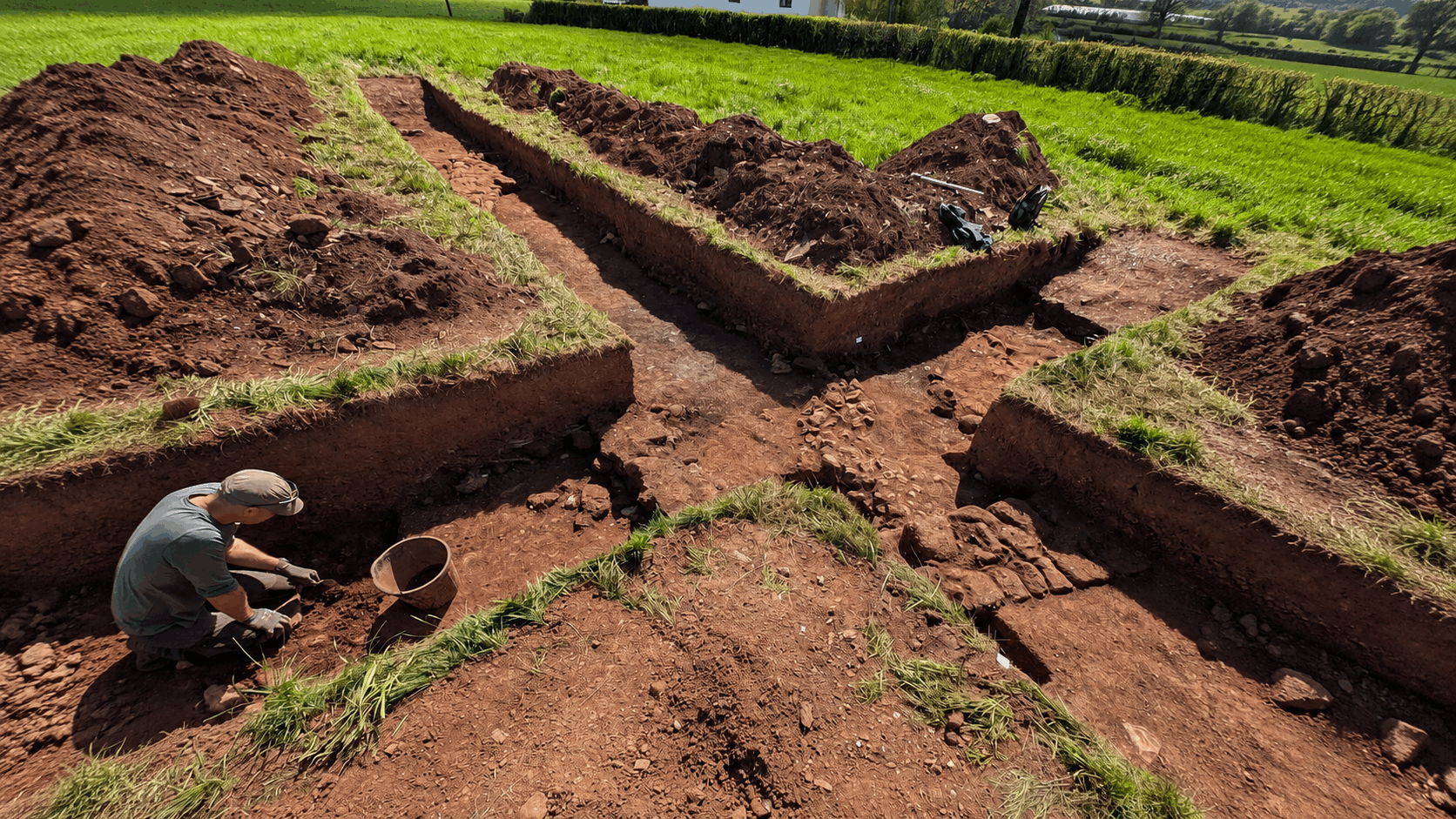
1,700-Year-Old Constantinople Commemorative Coin Found at Roman Villa in England
Archaeologists excavating a Roman villa in Devon, southwest England, have uncovered a 1,700-year-old Constantinople commemorative coin dating to between AD 330 and 340. The coin was issued during the reign of Emperor Constantine I to mark Constantinople becoming the new capital of the Roman Empire. A coin marking the new imperial capital Constantine rebuilt the…
-
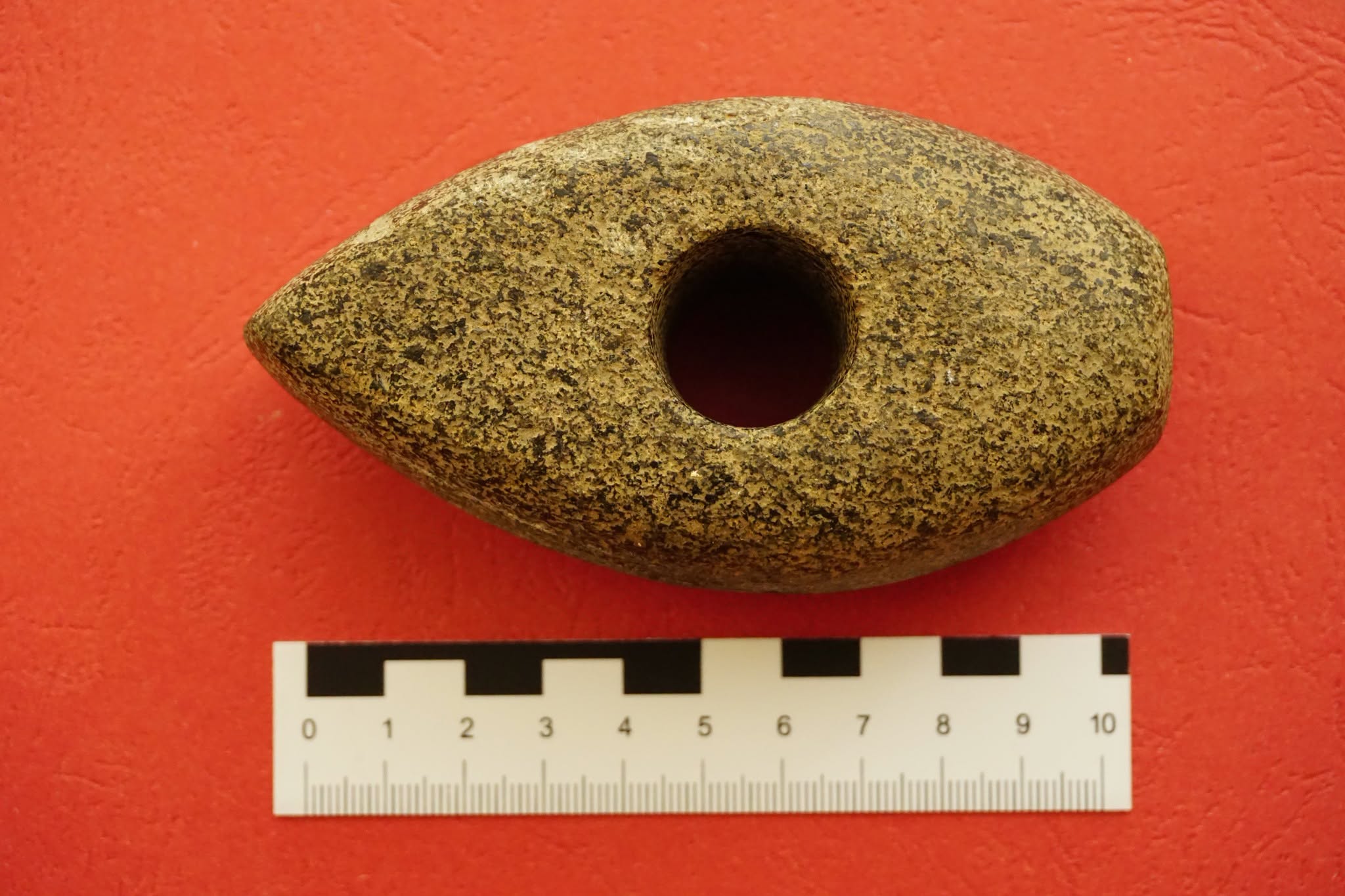
Stone Axe Handed to Polish Heritage Officials May Point to Early Bronze Age Mierzanowice Culture
A stone axe handed over to heritage officials in Lublin, eastern Poland, may belong to the Early Bronze Age Mierzanowice culture, despite sharing features with better-known Corded Ware axe forms. The object was delivered to the Provincial Office for the Protection of Monuments in Lublin by Roman Szymajda. According to the office, it will soon…
-
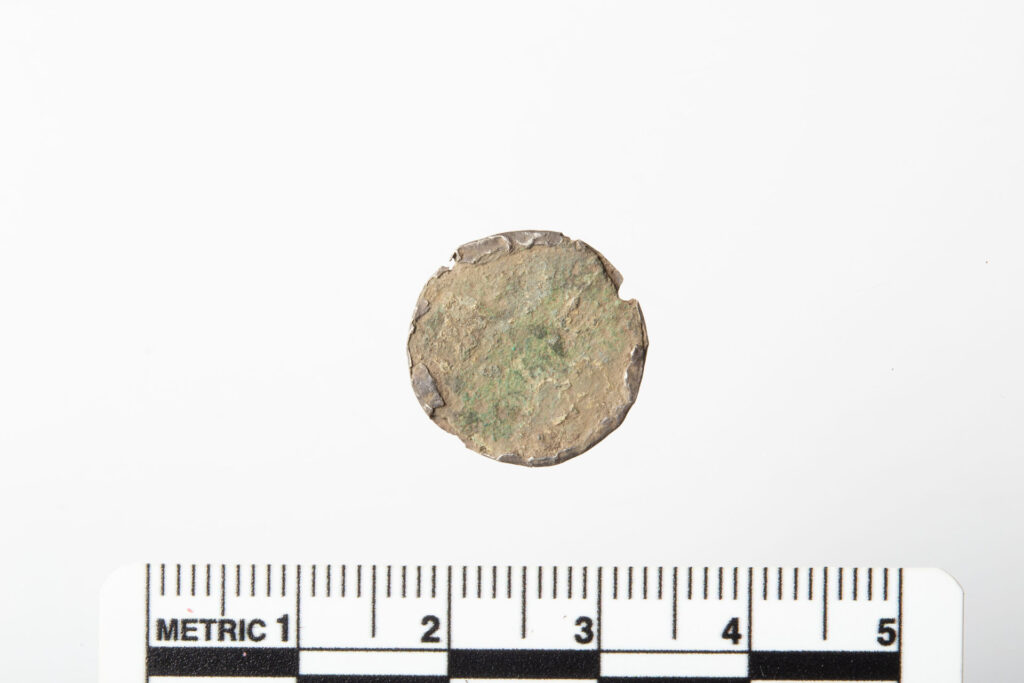
A “Button” from a Norwegian Field Turns Out to Be a Coin of the Last Viking King
A small object pulled from a field near Utstein Abbey in southwestern Norway looked so ordinary that it was first placed among buttons and other uncertain metal finds. Months later, a closer look revealed that the “button” was actually a medieval silver coin minted under Magnus Barefoot, the Norwegian ruler often described as the last…
-

3,000-Year-Old Cremated Bones in Greek Macedonia Reveal How Ancient Funeral Pyres Were Built
Cremated bones from two Early Iron Age cemeteries near Thessaloniki are helping archaeologists reconstruct a part of ancient funerals that almost never survives: the funeral pyre itself. A new study published in the Journal of Archaeological Science: Reports examined burned human remains from Polichni and Nea Philadelphia, two cemeteries in northern Greece. The burials date…