-
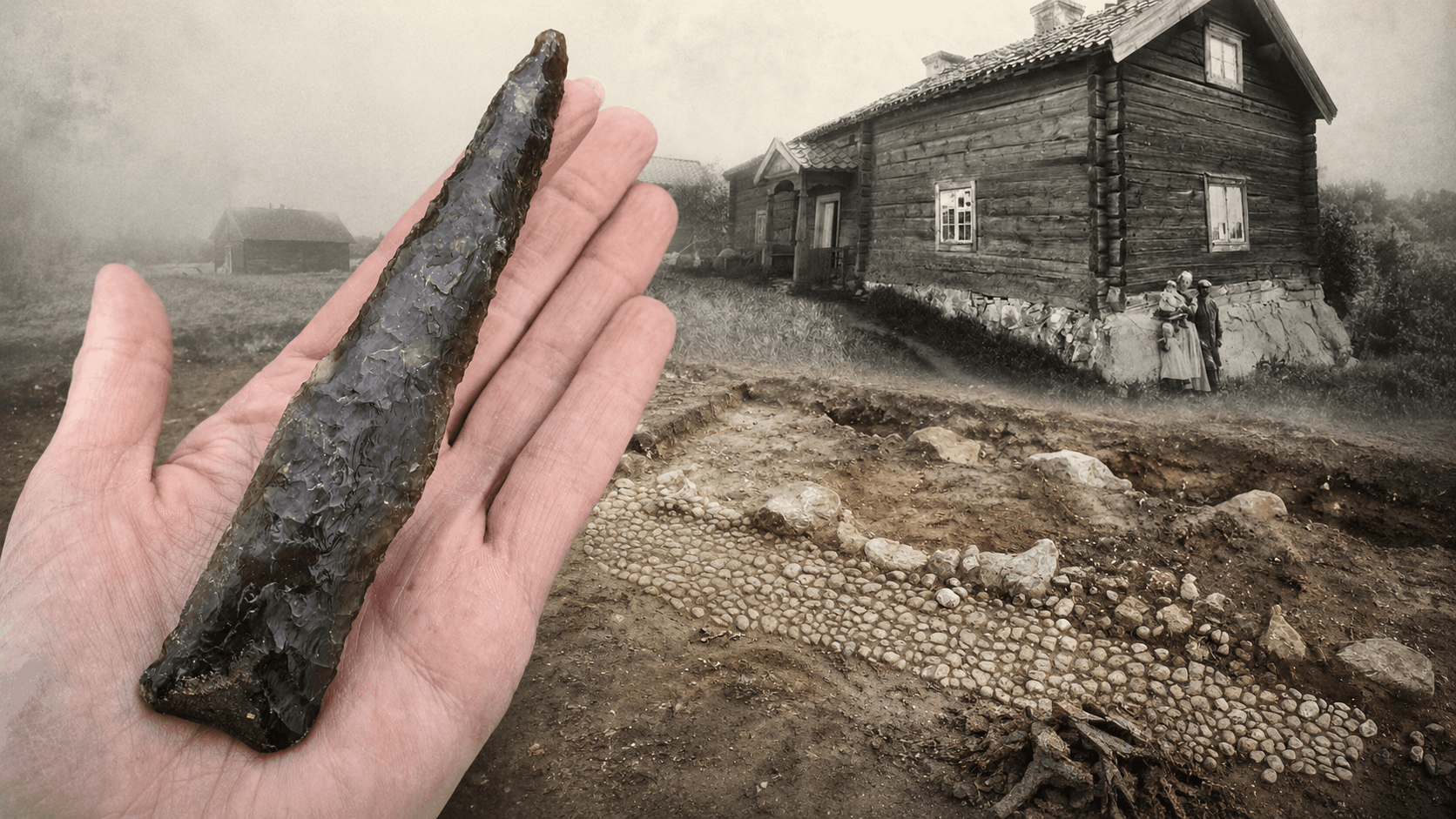
Stone Age Flint Dagger Found Beneath 18th-Century Swedish Cottage Raises “Thunderstone” Question
Archaeologists in Sweden have uncovered a Stone Age flint dagger beneath the former site of Åbrostugan, an 18th-century cottage that once stood in Åbro village before being moved to the Trostorp local heritage farm. The unusual find raises the possibility that the prehistoric object was later reused as a protective “thunderstone,” a type of ancient…
-
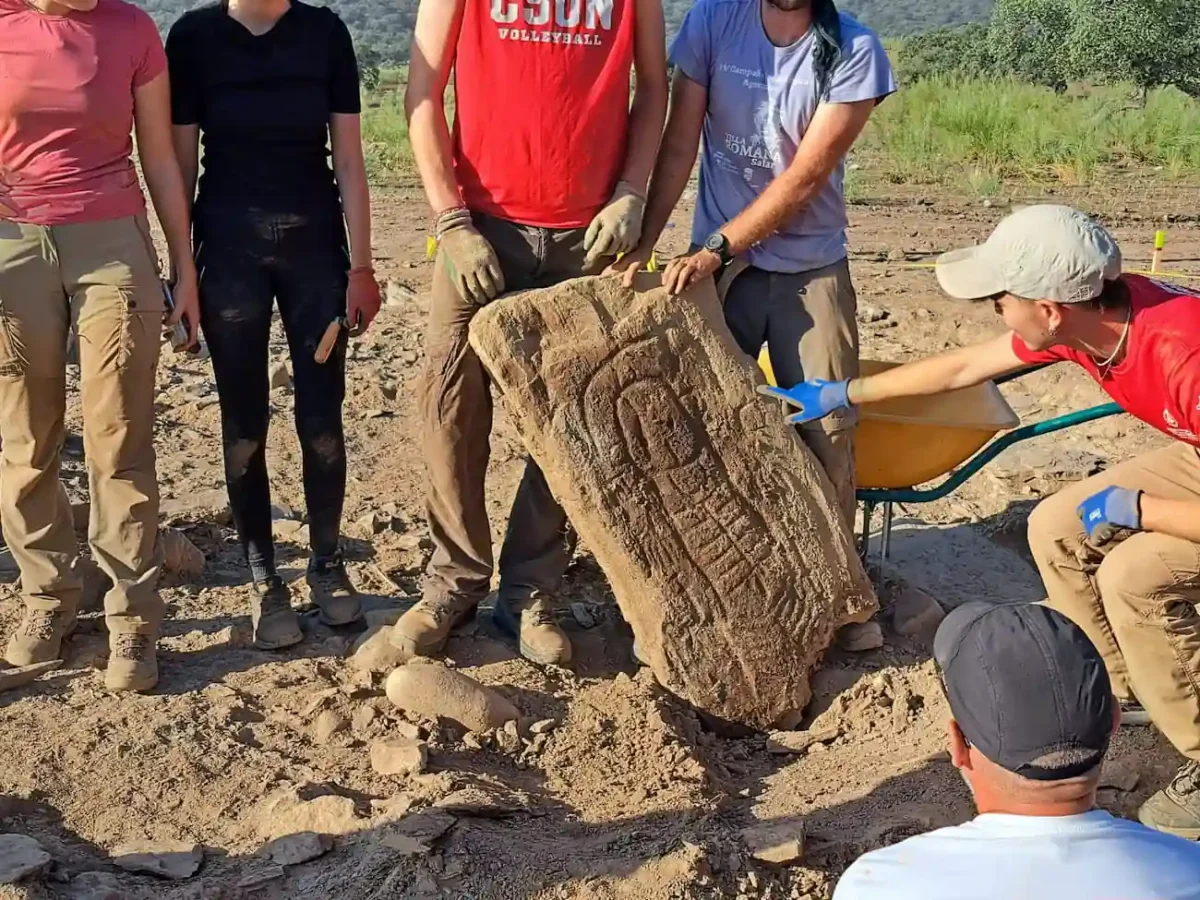
Ancient Road in Spain Reveals 3,000-Year-Old Burial Landscape Linked to Stelae and Cultural Exchange
Archaeologists excavating beside an old road in south-west Spain have found rare evidence linking prehistoric stelae directly with burials, movement routes, and changing funerary customs. The discovery comes from Las Capellanías, near Cañaveral de León in Huelva. The site first drew attention in 2018, when a carved diademated stela was found by chance. Later surveys…
-
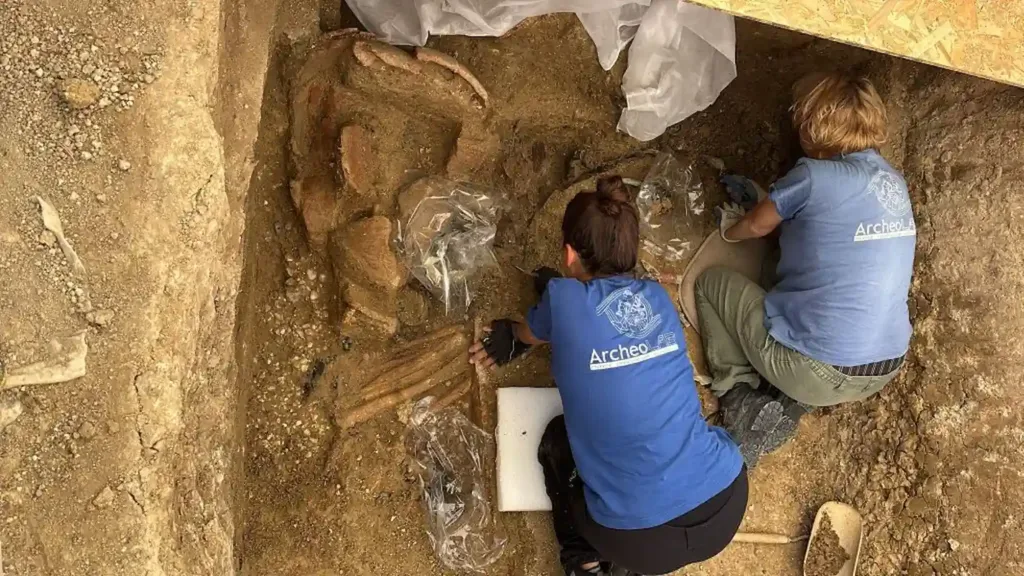
2,600-Year-Old Picene Chariot Tomb with Sealed Bronze Vessels Found near Sirolo
Archaeologists near Sirolo, on Italy’s central Adriatic coast, have uncovered a 6th-century BC Picene funerary complex centered on a high-status male burial with a two-wheeled chariot, weapons, and large bronze vessels still sealed with ceramic lids. The discovery was announced by the Soprintendenza Archeologia, Belle Arti e Paesaggio for Ancona and Pesaro-Urbino, following preventive archaeology…
-
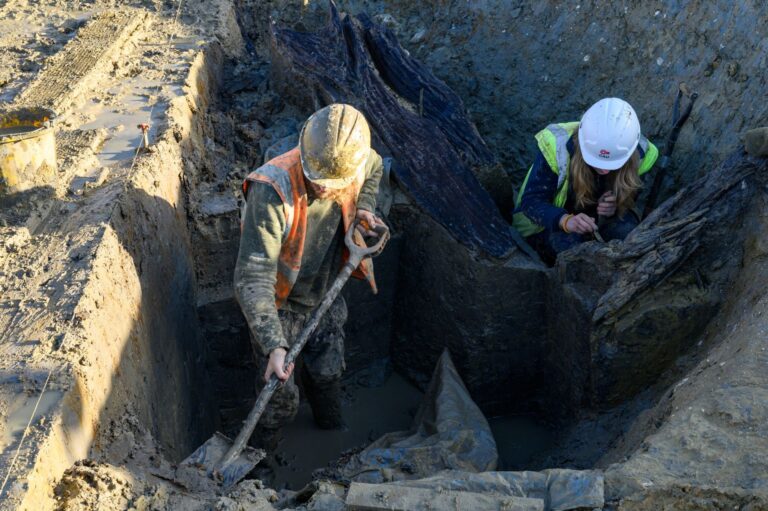
Rare Late Iron Age Ladder Discovered in Cambridgeshire Is Britain’s Longest Known Log Ladder
Archaeologists working at West Cambourne in Cambridgeshire, England, have uncovered a rare late Iron Age wooden ladder preserved in a large watering hole. The surviving length of the log ladder measures more than 3 metres, making it, according to Cambridge Archaeological Unit, the longest example of its kind currently known from Britain. The find was…
-
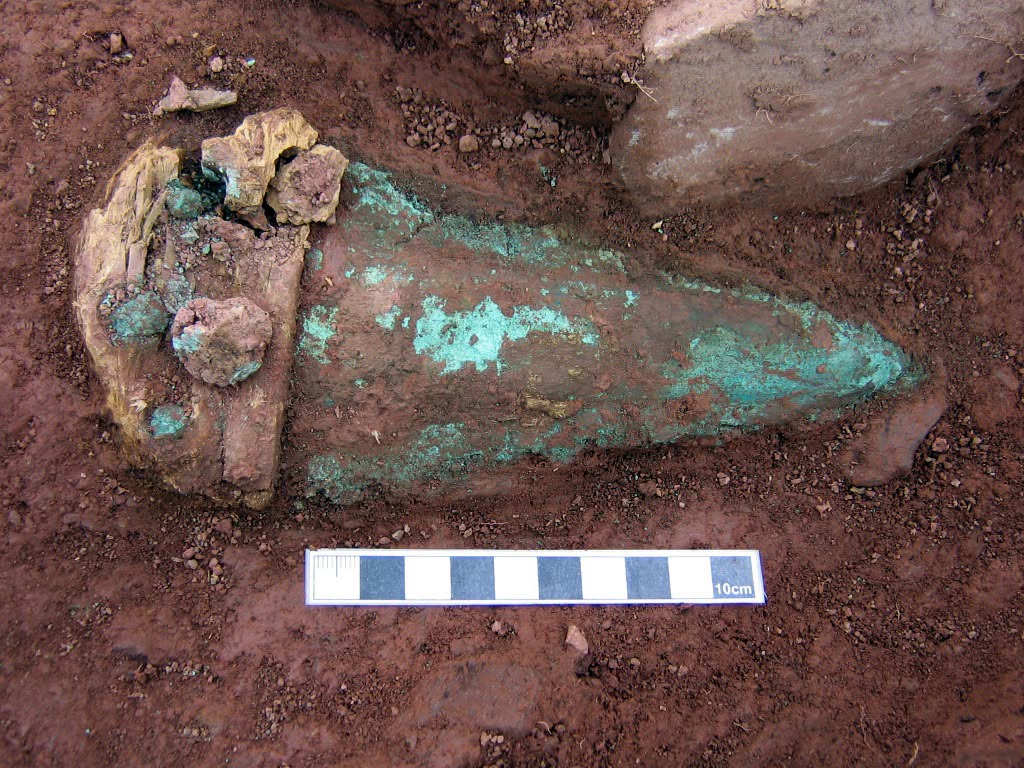
4,500-Year-Old Copper Halberd from Wales Traces Britain’s Early Metal Links with Ireland
A rare copper halberd excavated in Powys, Wales, is helping archaeologists understand how some of the earliest metal objects reached Britain more than 4,000 years ago. Known as the Trecastell Halberd, the object belongs to the British Chalcolithic, or Copper Age. It is one of only 64 halberds known from Britain, and one of just…
-
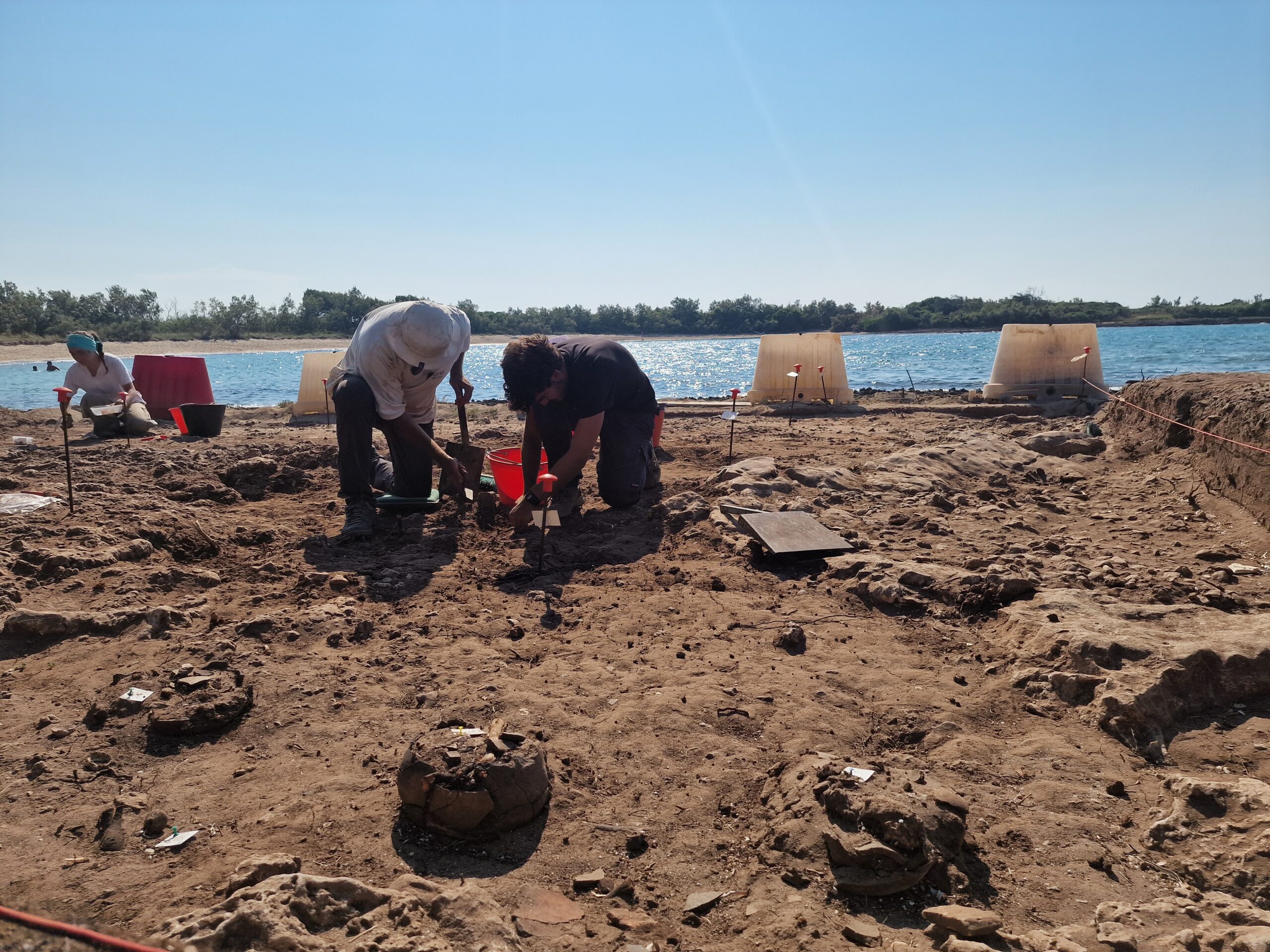
3,200-Year-Old Cremation Cemetery in Italy Reveals an Adriatic Bronze Age Community
Beneath the sand of Torre Guaceto, on Italy’s Adriatic coast, archaeologists are uncovering a cemetery where the dead were burned, gathered into ceramic urns, and buried with care more than 3,000 years ago. The 2026 excavation season has added 23 new cremation graves to the site, bringing the total number of burials found in the…
-

Why Was a Rare Bronze Age Sword Left in the Meuse River 3,000 Years Ago?
More than 3,000 years after a rare weapon entered the Meuse near Buggenum in the Netherlands, archaeologists still cannot answer that question with certainty. What they do know is that the sword was too valuable to be treated as an ordinary lost object. The sword was discovered in 1964 during dredging work in an old…
-
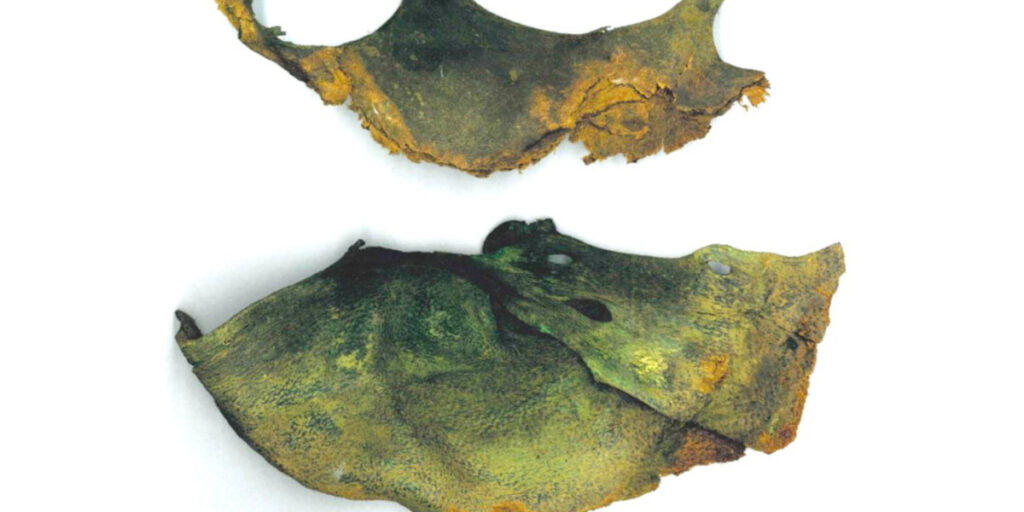
A ‘Bearskin’ in Museum Storage Turns Out to Be Sweden’s Oldest Known Shoe
Leather fragments kept for decades in a Swedish museum under the label “bearskin” have been reidentified as something far rarer: the oldest known shoe remains from Sweden. The fragments were excavated in 1943 from a large Iron Age cairn at Igelsta–Västerängen in Roslagen, eastern Uppland. They were long thought to be part of a bear…
-
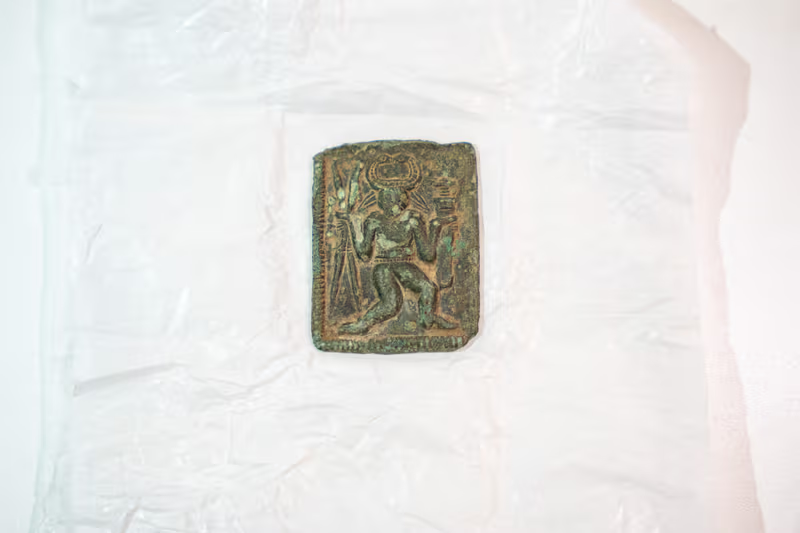
One-of-a-Kind Anglo-Saxon Die Stamp Found in Kent May Reveal a Lost Elite Craft in England
A one-of-a-kind Anglo-Saxon die stamp found in Kent may preserve rare evidence for the making of elite warrior equipment in early medieval England. The small copper-alloy object was discovered near Lynsted by metal detectorist Stephen Newbury. It dates to the late sixth or early seventh century and has now been identified as the only confirmed…