-
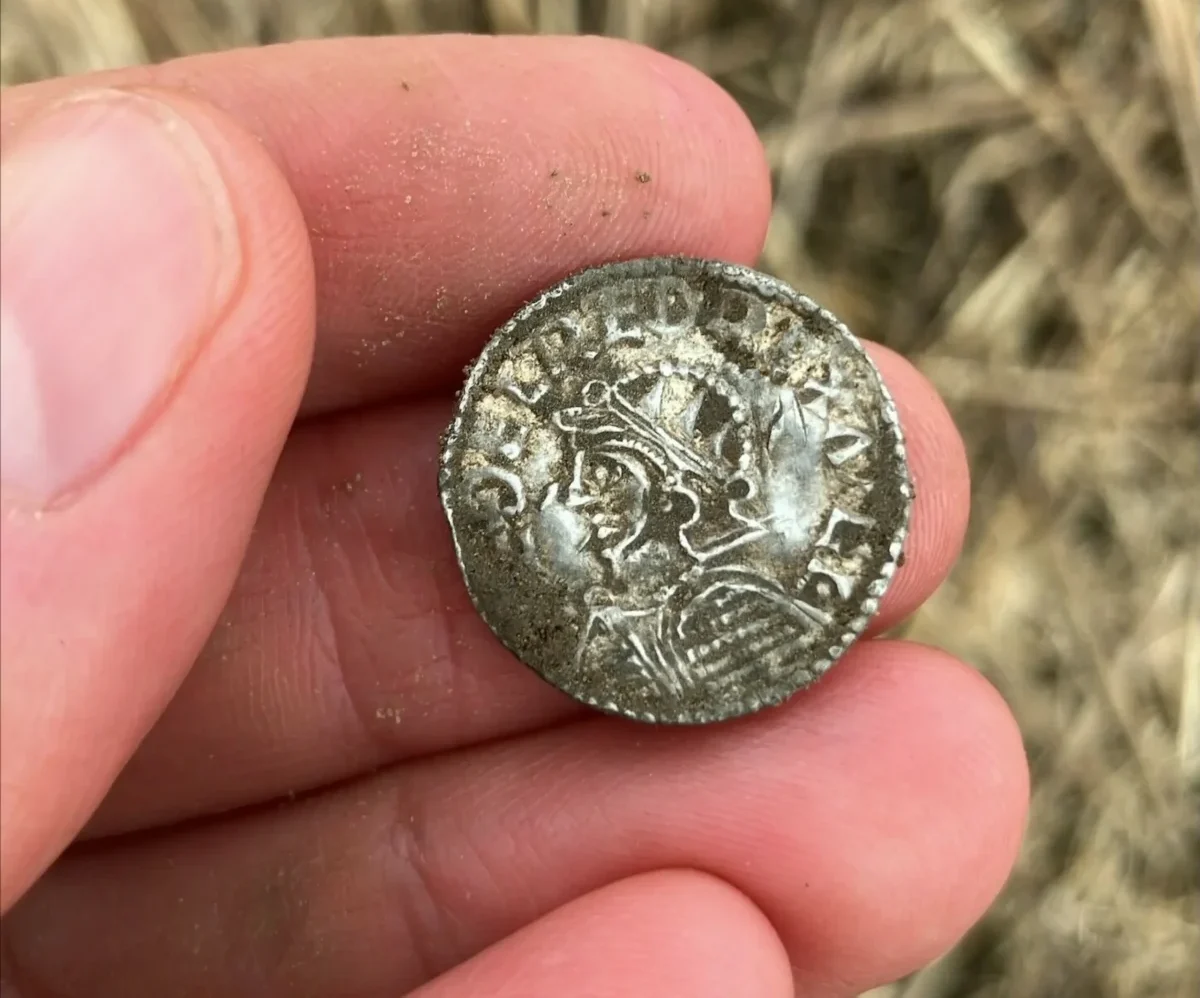
More Than 3,000 Coins Reveal Norway’s Largest Viking Age Silver Hoard
The first signal revealed only a handful of silver coins. Then the field near Rena kept answering. What began on April 10 as a metal detector discovery in eastern Norway has grown into one of the most important archaeological finds ever made in the country: more than 3,000 coins from the late Viking Age. The…
-

Dozens of Medieval Cannonballs Found Beneath Future Civic Building in Belgium
Dozens of medieval cannonballs have been discovered beneath the site of a future Administrative Centre in Nieuwpoort, Belgium, revealing how one modern construction plot preserved traces of defence, civic life and war across several centuries. Archaeologists working in Nieuwpoort-Stad, between the historic Stadshalle and Willem De Roolaan, uncovered a depot of natural-stone cannonballs, medieval building…
-
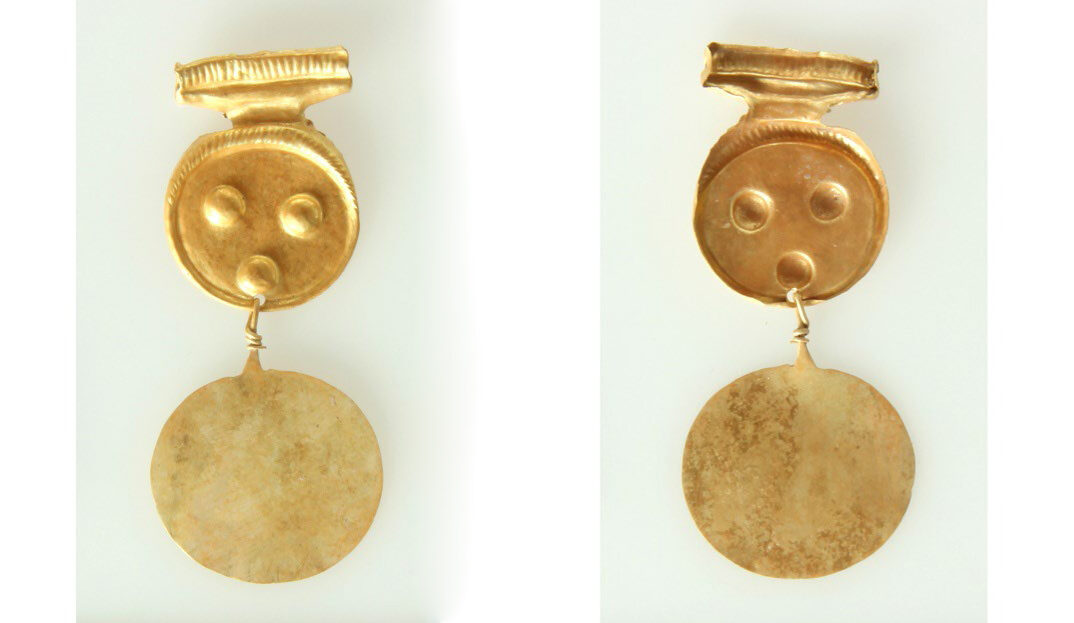
A 3,500-Year-Old Gold Jewelry Set Found on Aegina May Help Unlock a Bronze Age Mystery
That is the case at Kolona on the Greek island of Aegina, where archaeologists have uncovered an exceptional set of Middle Bronze Age gold ornaments dating to the first half of the second millennium BCE. Announced by the Greek Ministry of Culture, the discovery may offer fresh insight into elite identity, funerary customs, and the…
-
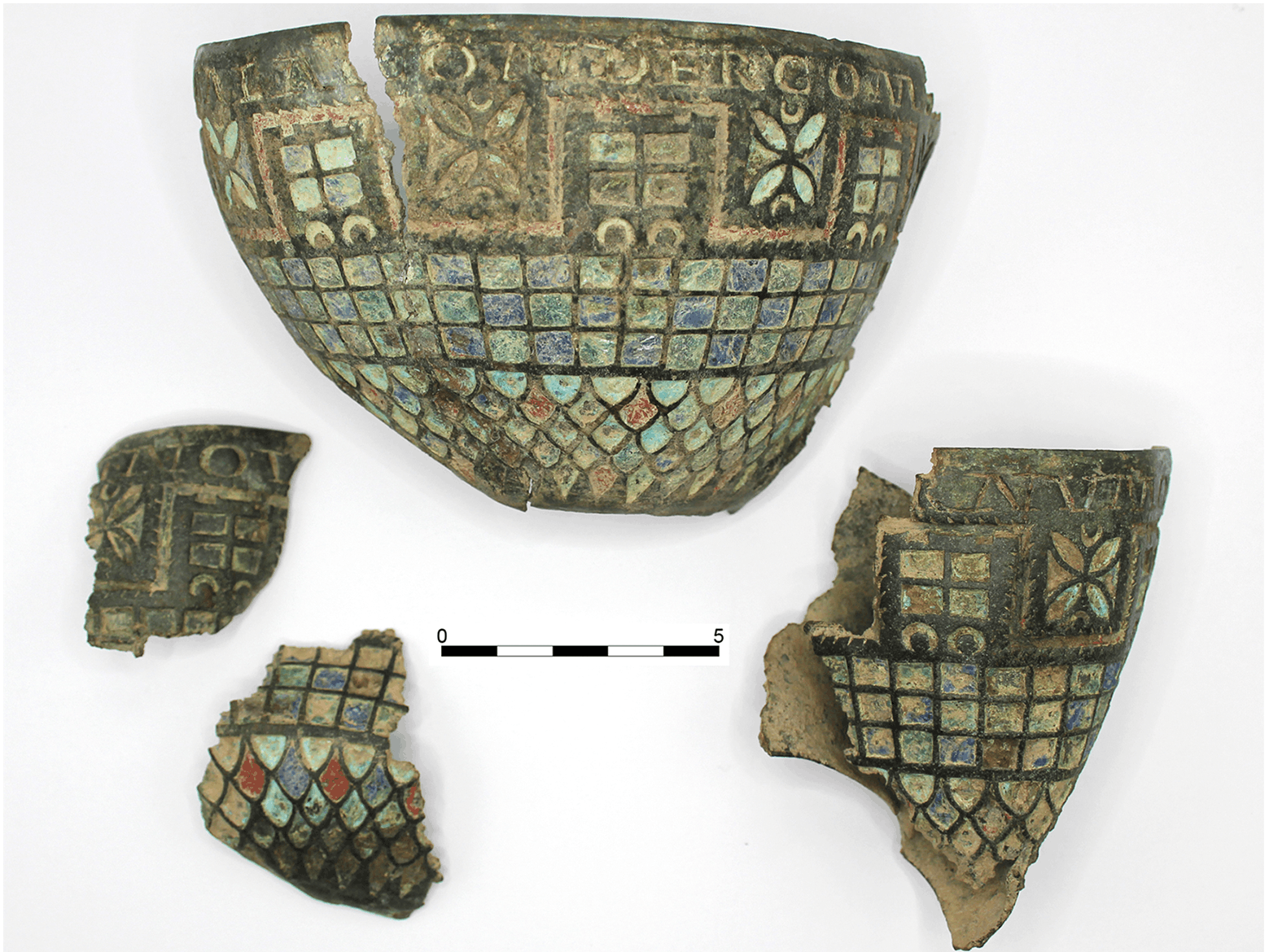
2,000-Year-Old Berlanga Cup Found in Spain May Trace a Roman Soldier’s Journey from Hadrian’s Wall
A Roman soldier may have carried this small bronze cup nearly 2,000 kilometers across the empire. Now found in central Spain, the object—known as the Berlanga Cup—is doing something rare in archaeology. It does not just tell us where it was made. It hints at who carried it, where he served, and what he chose…
-
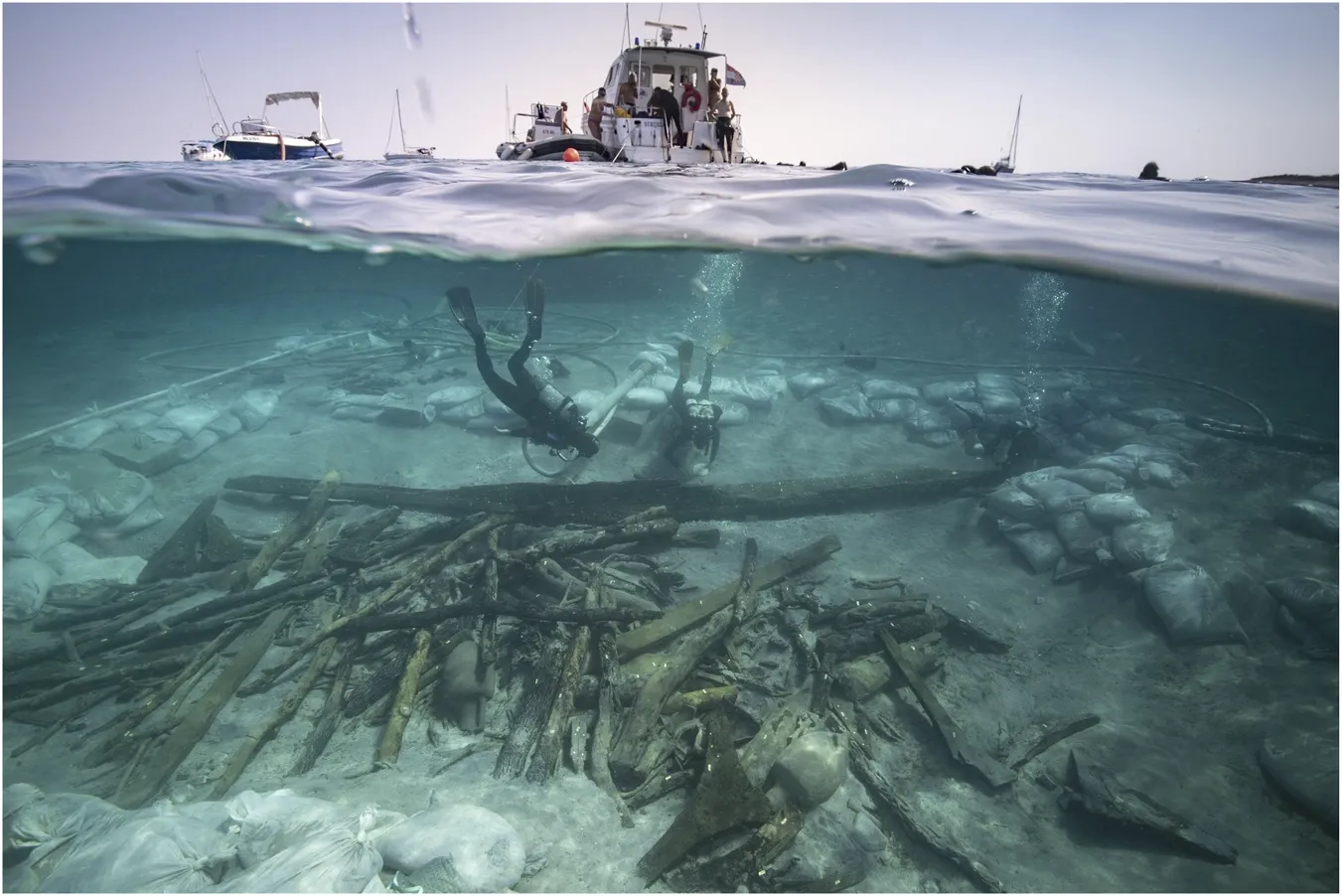
2,000-Year-Old Roman Shipwreck Reveals How Ancient Engineers Waterproofed Their Vessels
A Roman-era shipwreck off the coast of Ilovik Island is offering a rare, close-up look at how ancient shipbuilders protected their vessels against the constant stress of the sea. By combining chemical analysis with pollen research, scientists have reconstructed not only the materials used on the ship, but also the environments it moved through and…
-
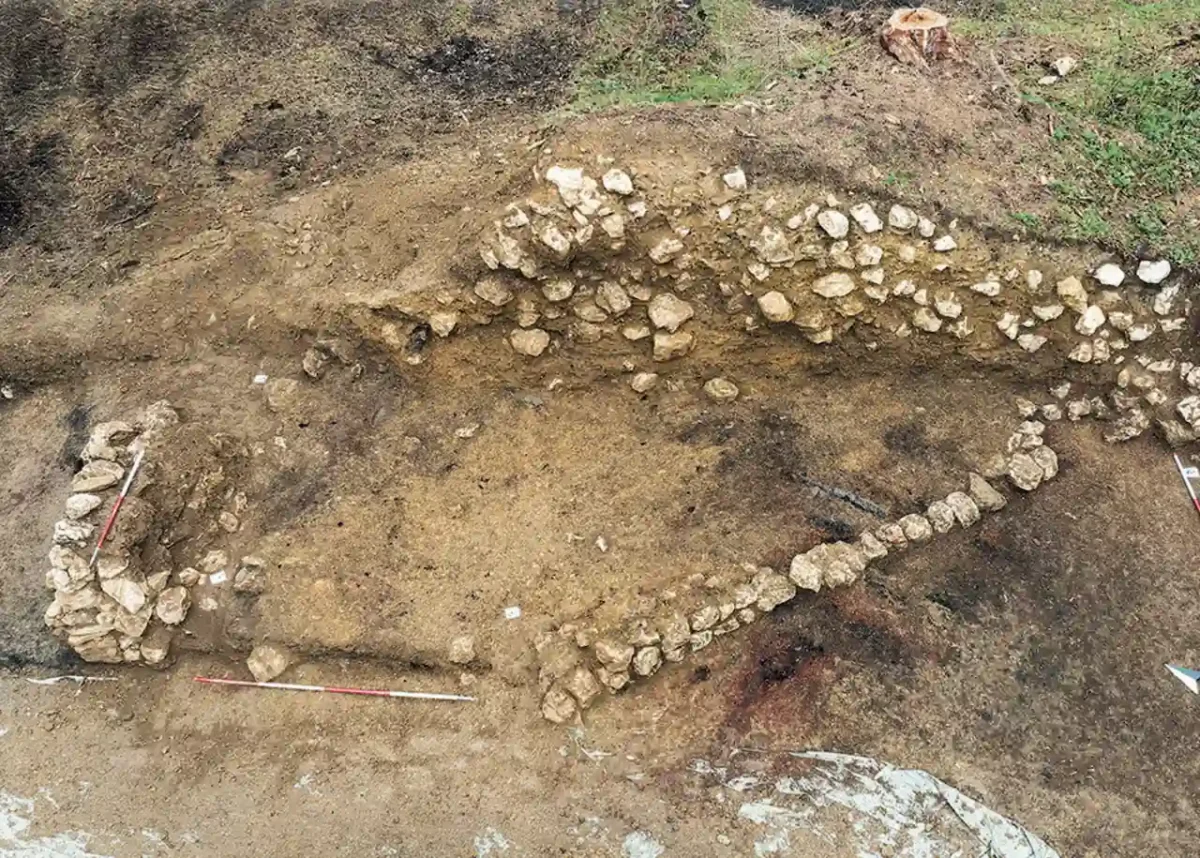
Bronze Age Ceremonial Site Discovered in Bosnia
A quiet hill above the Lašva River in Bosnia and Herzegovina has produced one of the most puzzling discoveries in recent Balkan archaeology. What looked like an ordinary rise in the landscape turned out to conceal a Bronze Age ceremonial site built around a wall that doesn’t defend anything. Instead of enclosing space, the structure…
-
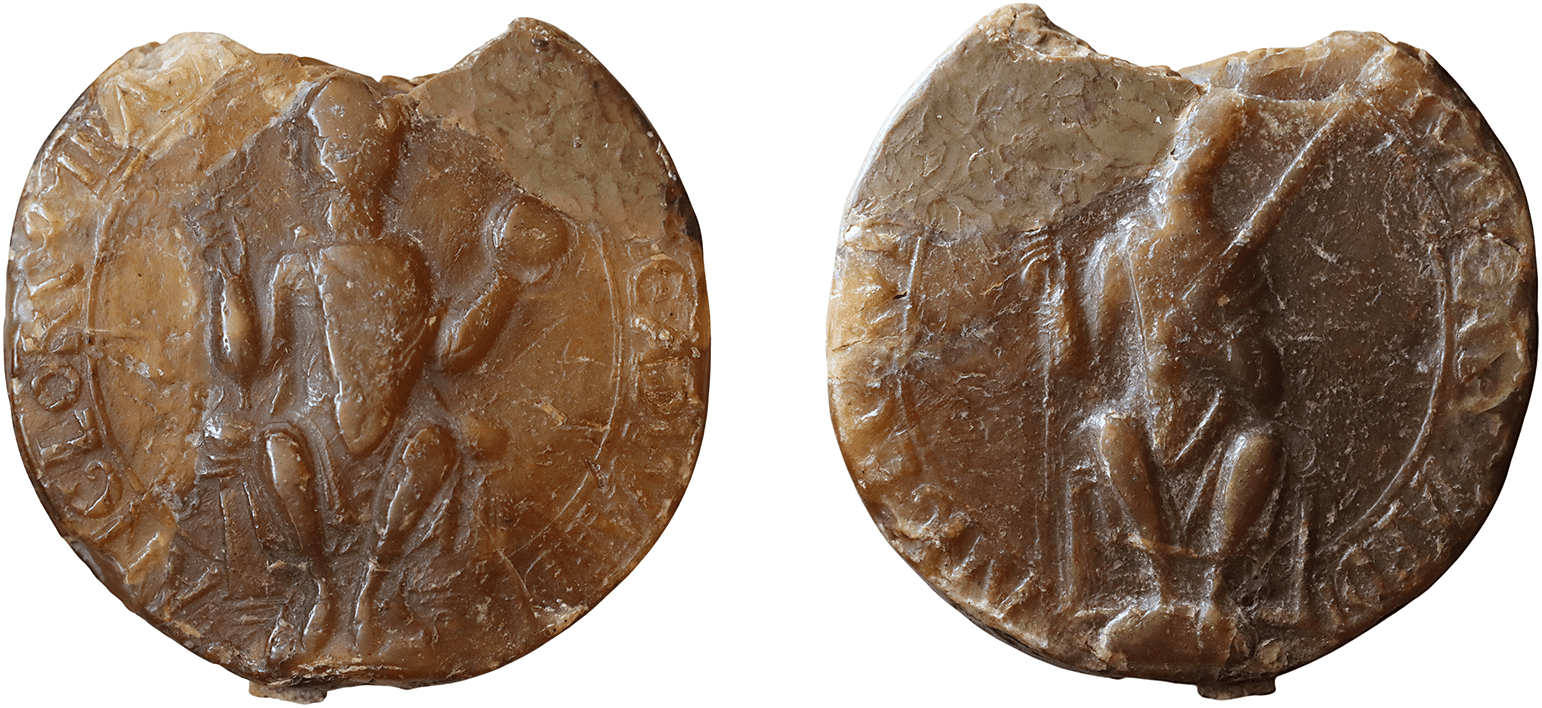
Lost for 40 Years, Royal Seal of Edward the Confessor Found in Paris — Reveals Unexpected Byzantine Link
A royal seal long believed lost suddenly reappears—after decades without a trace. A rare royal seal belonging to Edward the Confessor, the last Anglo-Saxon king of England, has now resurfaced in Paris after more than 40 years. This development is not simply the recovery of a lost artifact; it offers an unexpected window into the…
-
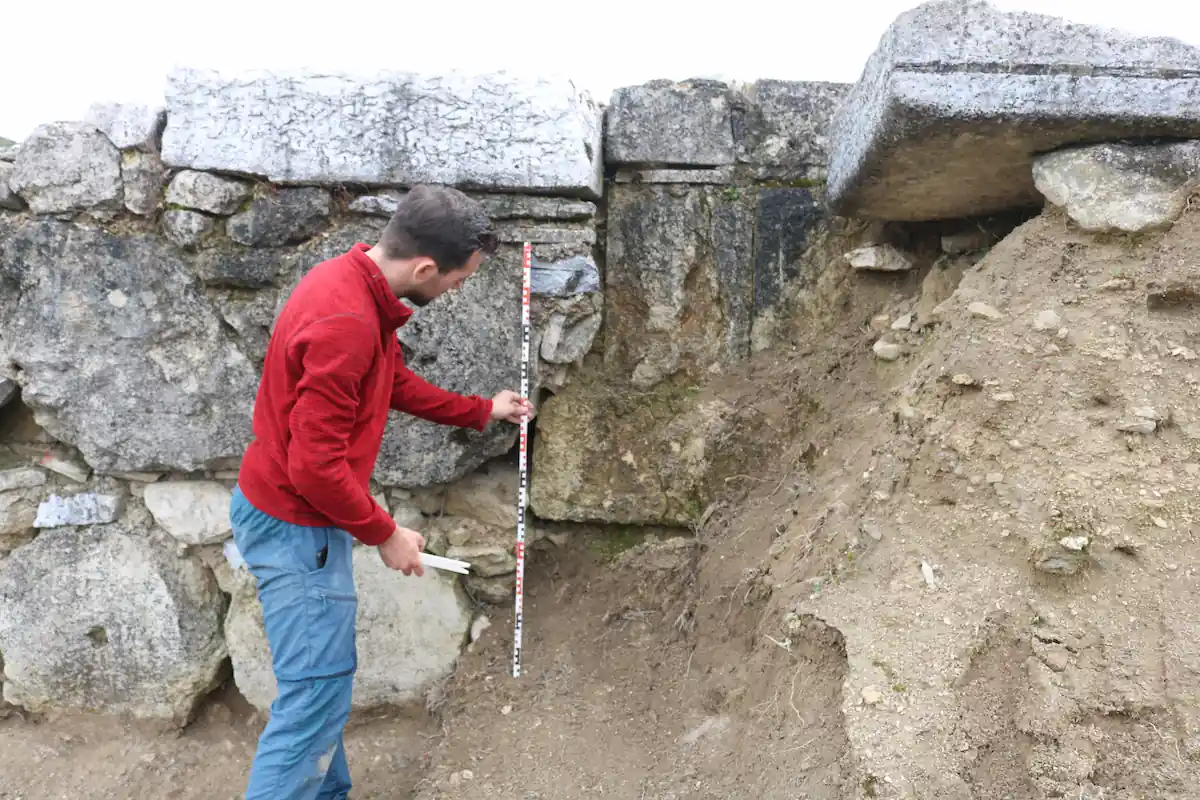
1,000-Year-Old Water System in Amphipolis Reveals Three Empires Shared the Same Network
Ancient Amphipolis built something that refused to disappear. For more than 1,000 years, through the rise and fall of empires, the city’s water system continued to function—adapting, expanding, and surviving long after its original builders were gone. New archaeological research now shows that this single infrastructure network served Greek, Roman, and Byzantine Amphipolis without interruption.…
-
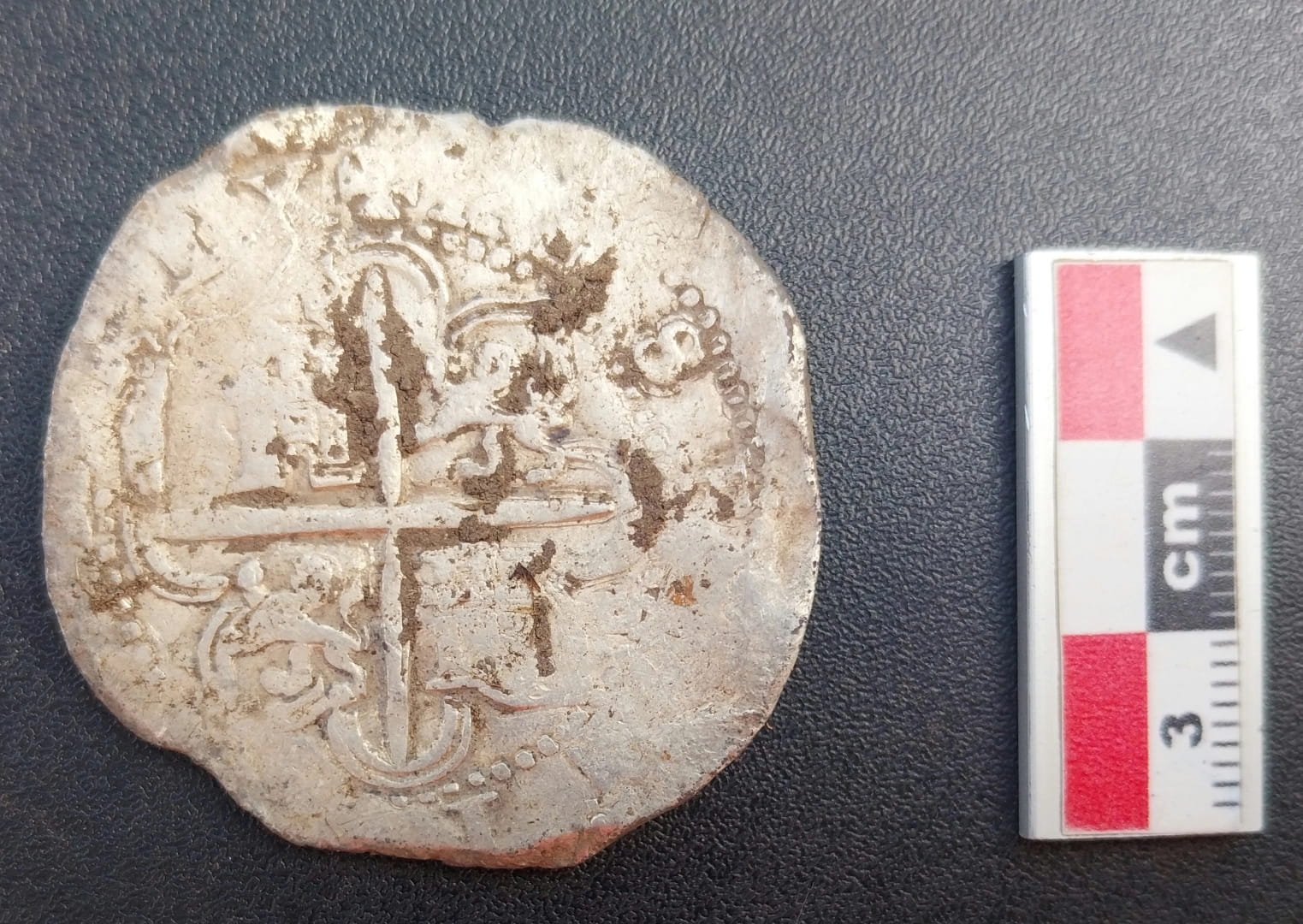
Spanish Silver Coin Found in Chile Pinpoints Lost 1584 Colony and Its Founding Ceremony
A silver coin buried more than four centuries ago has revealed the precise location of a failed Spanish colony at the Strait of Magellan, transforming a 16th-century written account into a verifiable archaeological reality. The coin, a Spanish “real de a ocho,” was uncovered during excavations at Ciudad del Rey Don Felipe near modern Punta…