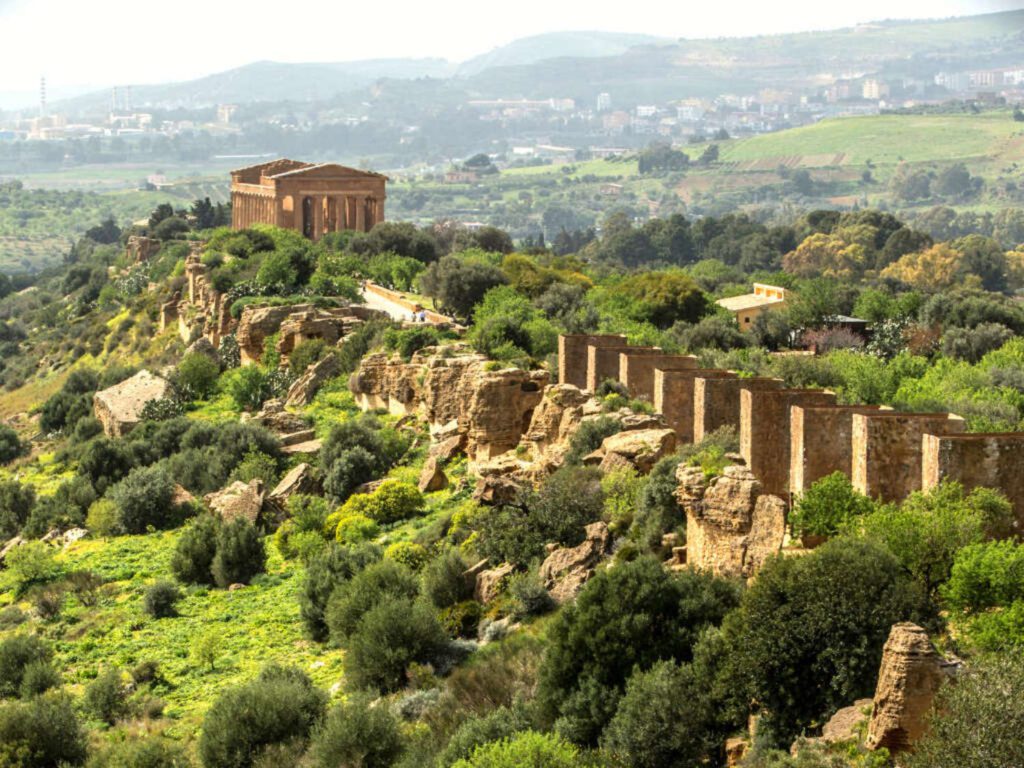
For generations, the ancient city of Akragas has been defined by its monumental temples rising above Sicily’s southern coast. But as excavations resume in 2026, archaeologists are shifting attention away from sacred architecture toward something far more intimate—the everyday lives of the people who once inhabited this powerful Greek city.
A new excavation campaign inside the Valley of the Temples is now underway, targeting residential districts just north of the so-called Sacred Way. Early findings suggest that Akragas—long celebrated for its religious grandeur—may soon be equally known for what it reveals about domestic life in the ancient Mediterranean.
A Residential Quarter Frozen in Time
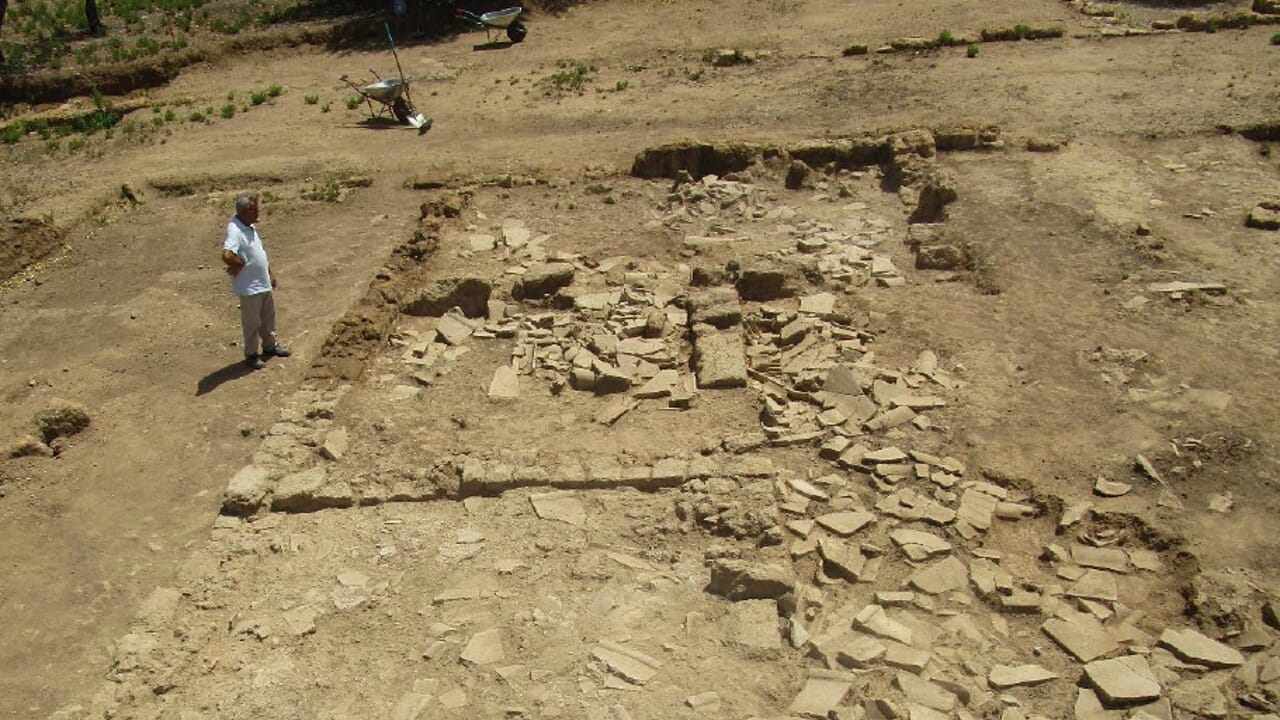
The focus of the current excavation is a structure identified as “House VIIB,” part of a broader residential zone dating to the Classical period. Unlike the imposing Doric temples that dominate the landscape, this area offers a rare glimpse into the lived experience of Akragas’ inhabitants.
Preliminary analysis indicates that the building may have been abruptly abandoned or destroyed, possibly during the Carthaginian sack of the city in 406 BCE. This destructive episode, well documented in ancient sources, appears to have left behind a stratified archaeological record—one that researchers are now carefully unpacking layer by layer.
What makes this discovery particularly compelling is not monumental scale, but preservation. Architectural features, internal layouts, and domestic artifacts are providing an unusually coherent snapshot of urban life at a moment of crisis.
Reconstructing Life Inside an Ancient Greek Home
Archaeologists are using the site to reconstruct how households functioned in Akragas at its peak. The emerging picture is both complex and revealing.
The presence of an andron—a formal dining room associated with male symposium culture—suggests that social rituals played a central role in domestic architecture. Meanwhile, evidence for upper floors points to a more private spatial organization, possibly linked to gendered use of space, a pattern observed across the Greek world.
Construction techniques are also under scrutiny. The use of mudbrick walls, rarely preserved in such detail, is offering insight into building practices that are often archaeologically invisible. Combined with ceramic assemblages and small finds—such as figurines and ritual vessels—these elements are helping researchers map both the functional and symbolic dimensions of domestic life.
Beyond Temples: A Shift in Archaeological Focus
The renewed excavations reflect a broader methodological shift. For decades, research at Akragas emphasized monumental architecture, reinforcing the city’s image as a religious and ceremonial center.
Now, the focus is expanding.
By investigating residential quarters, archaeologists are reframing Akragas as a dynamic urban environment—one shaped not only by temples and public spaces, but by households, routines, and social interactions. This approach aligns with wider trends in Mediterranean archaeology, where micro-historical perspectives are increasingly used to complement large-scale narratives.
Parallel Discoveries at the Ancient Gymnasium
At the same time, a separate international research team is continuing excavations at Akragas’ ancient gymnasium—one of the few known examples of such a complex in the western Greek world.
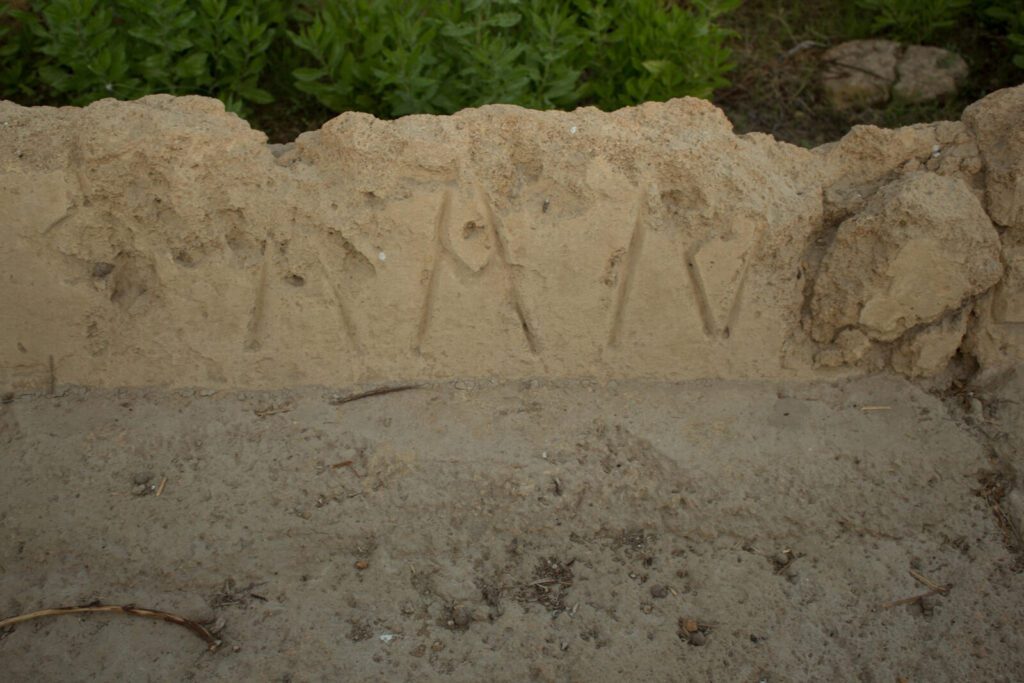
This structure, associated with education, physical training, and civic identity, adds another layer to the city’s profile. Together with the residential findings, it suggests that Akragas was not only a religious center but also a hub of intellectual and social activity.
The coexistence of these spaces—domestic, educational, and sacred—underscores the city’s complexity at its height in the 5th century BCE.
Opening Archaeology to the Public
One of the most distinctive aspects of the 2026 excavation season is its emphasis on accessibility. The project incorporates a “public archaeology” model, allowing visitors to observe ongoing work and engage directly with researchers.
Guided tours, workshops, and experimental archaeology activities are planned throughout the season, transforming the excavation into a living laboratory. This approach not only enhances public understanding but also reflects a growing commitment to transparency and community engagement in archaeological practice.
Akragas Reconsidered
The renewed excavations are gradually reshaping how Akragas is understood. No longer defined solely by its temples, the city is emerging as a richly textured urban landscape—one where daily routines, social hierarchies, and cultural practices can be traced with increasing clarity.
If the current trajectory continues, Akragas may soon stand as one of the most informative case studies for domestic life in the ancient Greek West.