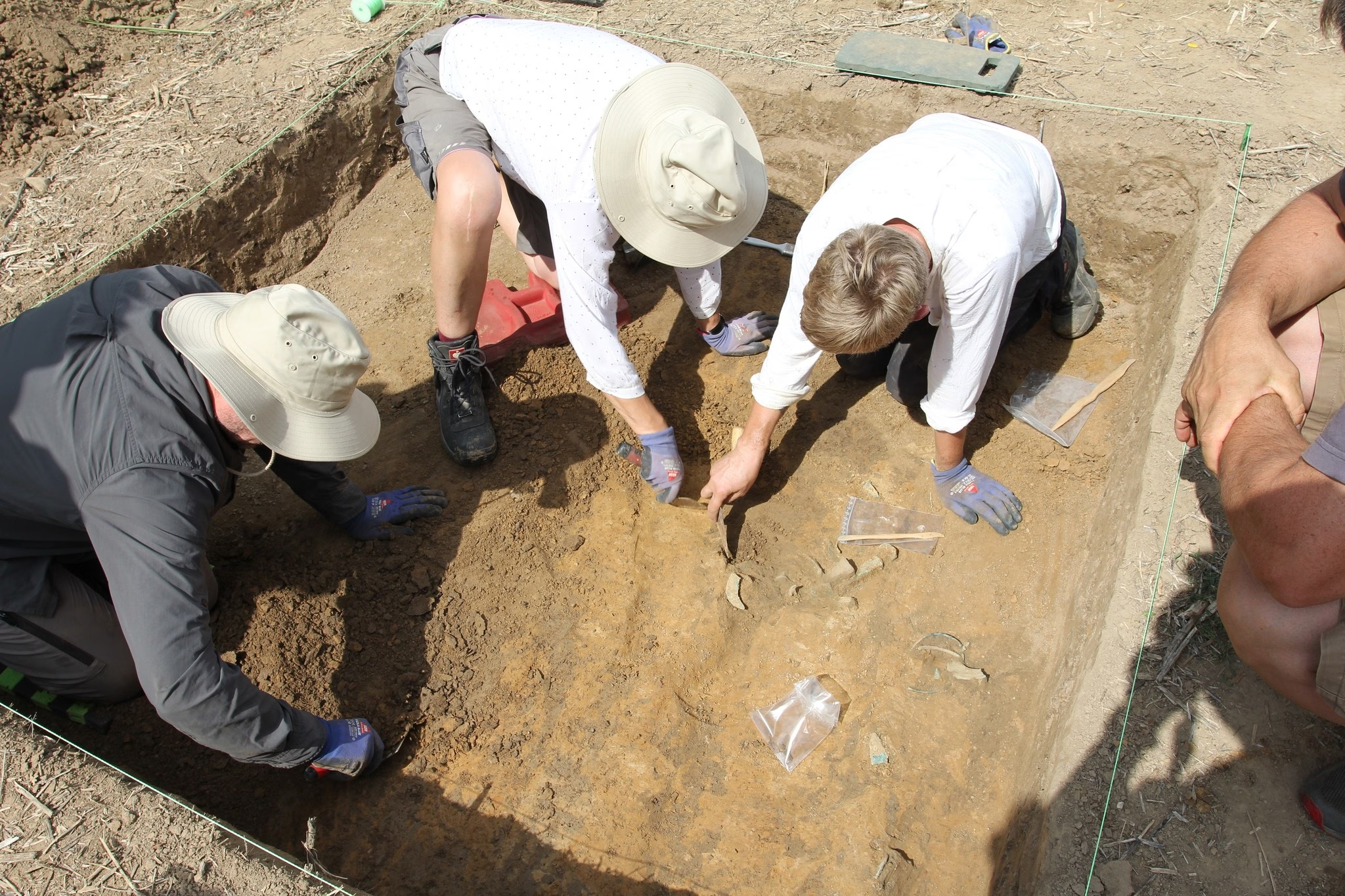
Archaeologists in eastern Germany have uncovered a massive Bronze Age treasure in the Klein Neundorf suburb of Görlitz: 310 bronze objects weighing a total of 35 pounds (16 kilograms). Dated to the 9th century B.C., the find is now recognized as the largest Bronze Age hoard ever discovered in Upper Lusatia and the second-largest in all of Saxony.
The discovery builds on a history of chance finds in the same field. Bronze objects first came to light in 1900, when children digging potatoes stumbled upon three daggers. Only one of them survives today, preserved in the Görlitz Museum after the turmoil of the 20th century. A socketed axe donated in 1907 became another early piece of the puzzle.
More than a century later, in 2023, Dr. Jasper von Richthofen, director of the Görlitz Collections, launched the first systematic excavation of the site in cooperation with the Saxon State Office for Archaeology. Volunteer metal detectorists played a crucial role—one of them locating the first fragments of bronze sickles that ultimately led to the hoard’s recovery.
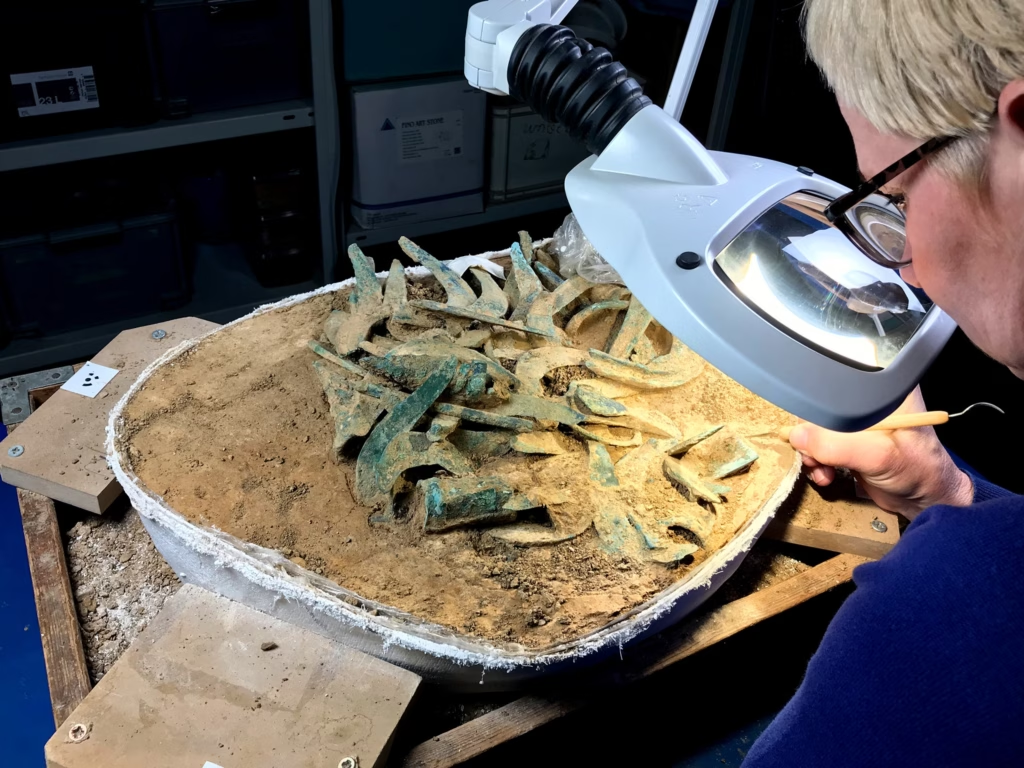
In total, 108 items were recovered from the plow zone, scattered by centuries of agricultural activity. The main deposit, however, remained largely undisturbed underground. Archaeologists carefully removed the intact hoard in a soil block to be excavated under laboratory conditions between September 2023 and April 2024.
A Treasure of Tools, Weapons, and Jewelry
The hoard is dominated by agricultural and utilitarian implements, particularly 136 sickles and 50 axes, alongside jewelry, garment fittings, cast cakes of raw metal, and unique prestige items. Among the highlights is a short sword broken into four pieces—two of its fractures ancient, suggesting it was intentionally deposited in a damaged state. Despite its compact 44 cm length, the sword was carefully crafted with sheet-metal pommel caps and an organic disc of bone or ivory. Typological analysis suggests it may have originated in southern Germany.
Another rare find is a Spindlersfeld-type brooch, a style first identified near Berlin.
Digital Reconstruction for Future Research
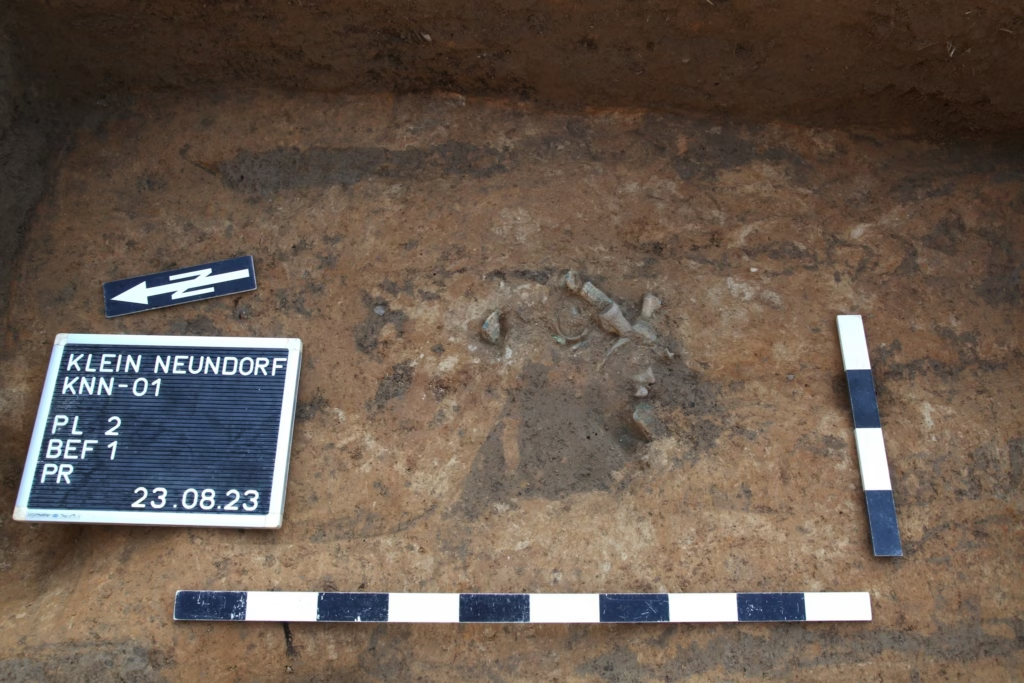
Throughout the excavation, archaeologists employed photogrammetry to document each stage. This digital recording will enable researchers to study a 3D reconstruction of the hoard in situ, revealing not just the objects themselves but also how they were arranged within the original Bronze Age deposition.
Experts now see the Klein Neundorf hoard as a crucial window into the social and economic networks of the 9th century B.C., shedding light on how communities in Upper Lusatia engaged in metallurgy, agriculture, and ritual deposition practices.