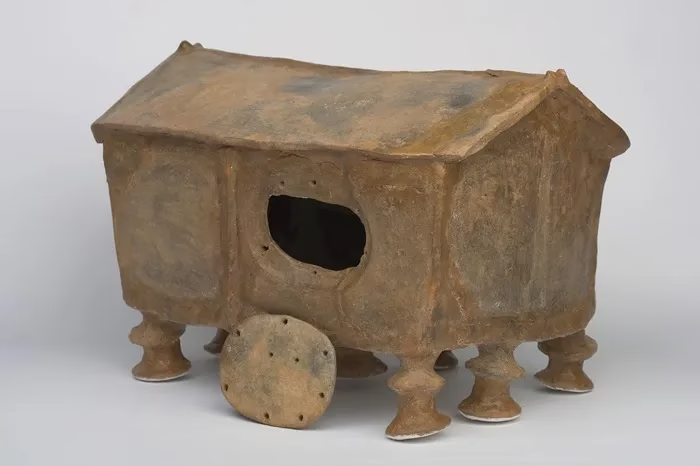
A rare house-shaped urn, uncovered in 2023 in Bożepole Wielkie, Wejherowo County, has been exhibited to the public for the first time at the Gdańsk Archaeology Museum. Dating back around 2,600 years to the Early Iron Age, the urn provides a unique window into ancient funerary practices in the region.
The unveiling took place on Thursday at the museum’s Błękitny Baranek Granary branch. Dr. Piotr Fudziński, Head of the Early Iron Age Section, described the find as extraordinary: “Since World War II, only four house-type urns have been discovered. This one stands out for its remarkable state of preservation.”
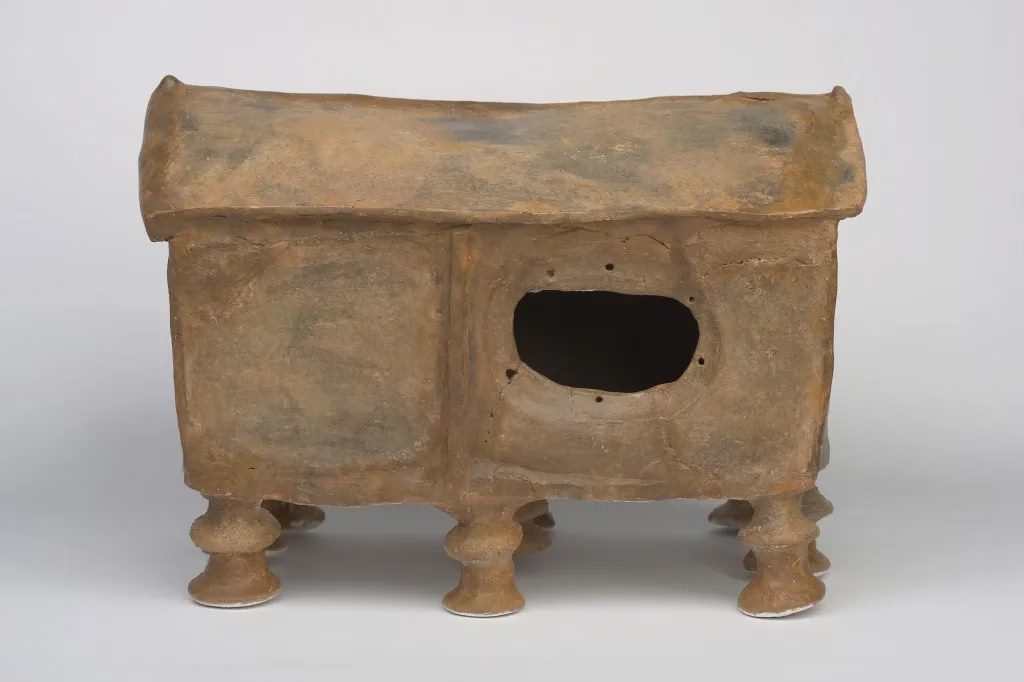
The urn was found during emergency excavations led by the Archaeological Heritage Foundation. Following the discovery, the Pomeranian Voivodeship Monument Protection Authority decided it should be transferred to the Gdańsk Archaeology Museum. There, it underwent a detailed conservation process, including careful anthropological analysis of the human remains.
Dr. Fudziński explained that cremation was a common burial practice in Eastern Pomerania during the 7th century BCE. “The deceased were placed on a funeral pyre, and after cremation, the bones were collected carefully and placed in an urn along with small personal items, often bronze objects,” he said.
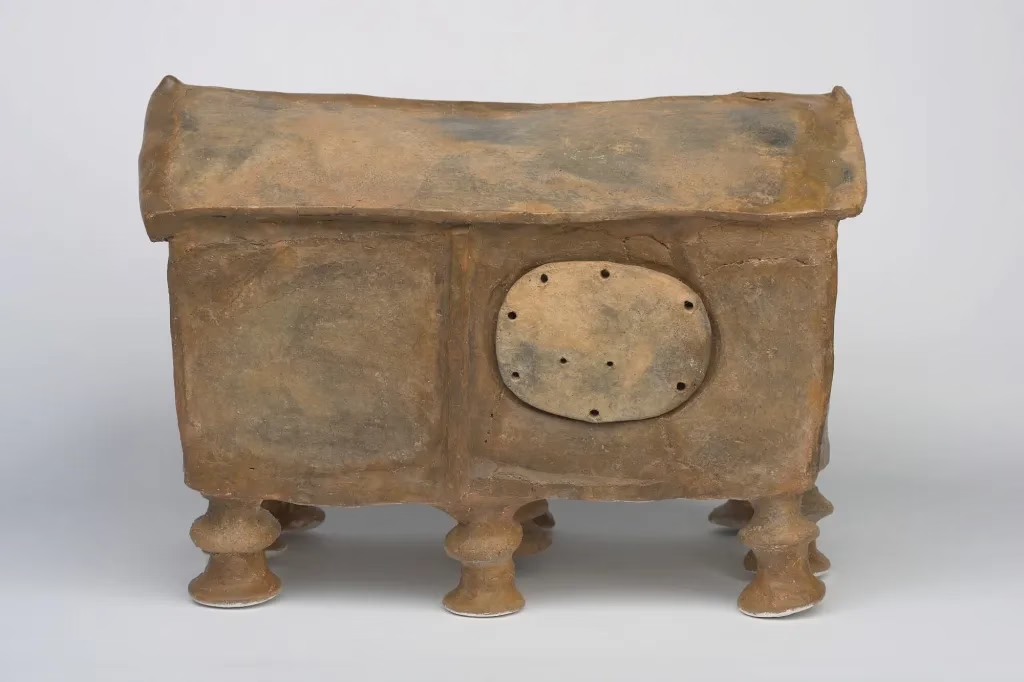
Analysis of the Bożepole Wielkie urn revealed it contained remains of multiple individuals. “Anthropological study confirms that this urn holds the bones of more than one person: a child over ten years old, an adult male, and likely a female,” Fudziński added.
The urn will soon be displayed in a new archaeological exhibition at the refurbished Naturalists’ House on Mariacka Street in Gdańsk.
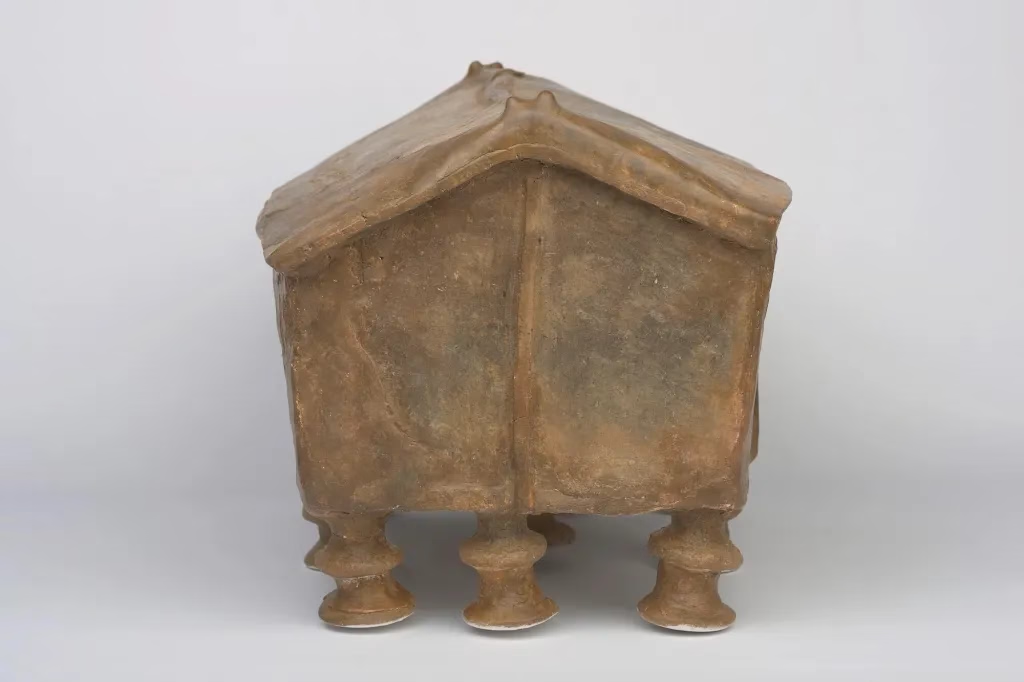
What is a House Urn?
A house urn is a distinctive type of ceramic funerary vessel shaped like a small house, used primarily during the Early Iron Age (circa 8th–6th centuries BCE) in parts of Central and Northern Europe, including the Pomeranian region of Poland. These urns were designed to contain the cremated remains of the deceased, often along with personal items such as bronze ornaments or tools.
The house-like form symbolized the concept of the home as a continuation of life after death, reflecting beliefs about the soul’s journey and the importance of domestic space in the afterlife. Most examples are rare due to their fragile nature and limited geographic distribution. They are considered exceptional archaeological finds because they provide insights into social structure, funerary rituals, and symbolic art of the Early Iron Age.