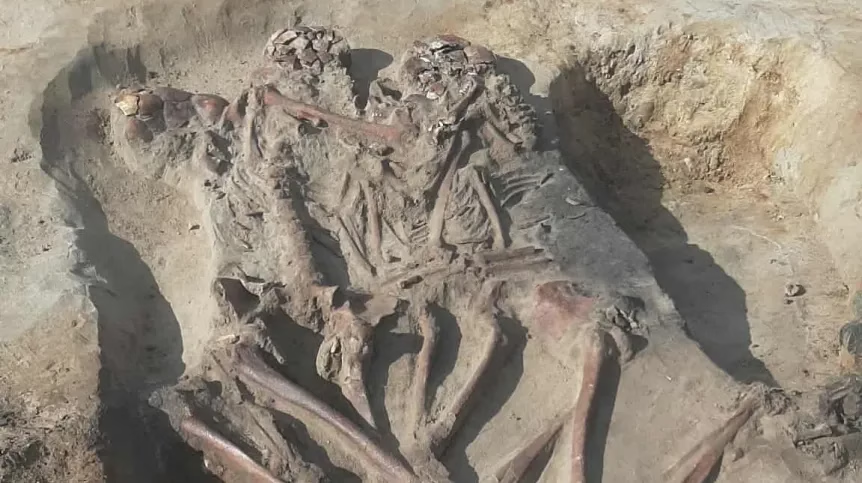
During a gas pipeline construction in the Inowrocław commune near the village of Orłowo, archaeologists unearthed a remarkable Mesolithic mass grave containing four individuals—an adult male, an adult female, and two children—arranged as if embracing one another. Preliminary analysis suggests the burial dates back to 8000–7000 BCE.
Dr. Justyna Marchewka-Długońska from Cardinal Stefan Wyszyński University in Warsaw told PAP: “The grave contained four individuals: an adult man and woman, a child aged 7–8 between them, and another child aged 3–4 beside the man.” The remains appear positioned with their heads facing one another, giving the impression of an intimate embrace.
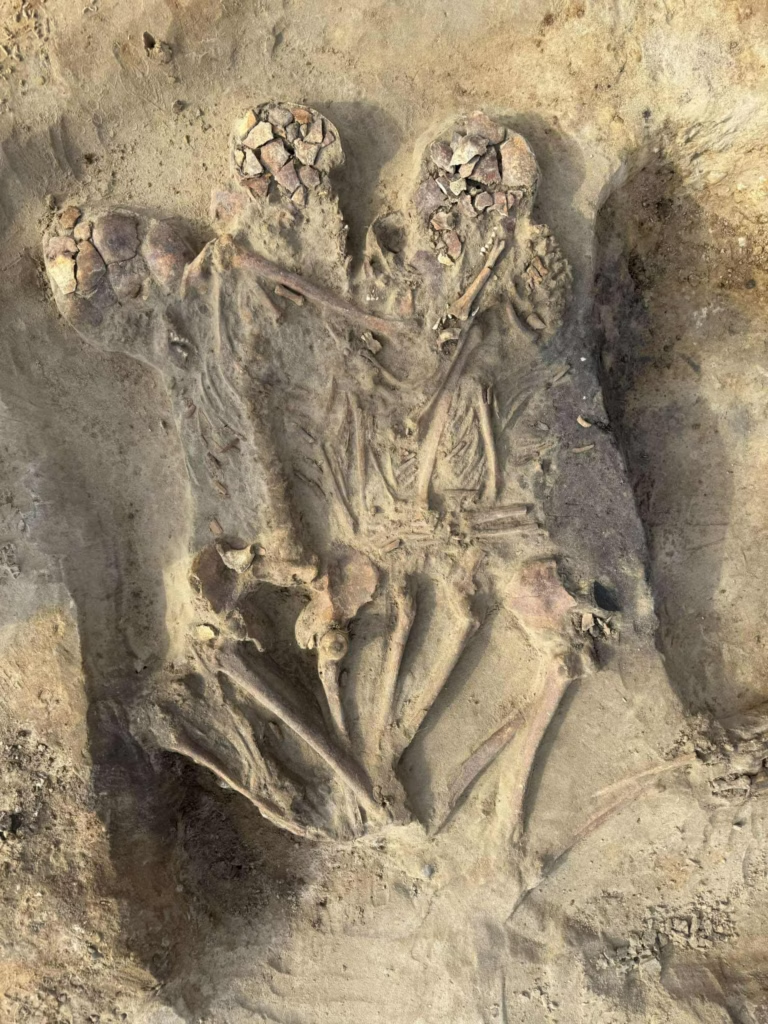
Archaeologists estimate that roughly 90% of the remains belong to the Mesolithic period. If confirmed by radiocarbon dating, this would represent the first Mesolithic mass grave discovered in Poland.
Excavation director Piotr Alagierski highlighted three key factors supporting the grave’s antiquity:
- Geological evidence: The Kujawy region is dominated by chernozem soils that began forming 7,000–8,000 years ago. No chernozem layers were present above the grave, indicating the burial predates soil formation.
- Stone tool discovery: Beneath one child’s skull, a Mesolithic flint tool—a multipurpose core used for cutting—was found. Its placement confirms it belonged to the burial and was not introduced later.
- Comparative analysis: The arrangement closely resembles other Mesolithic family graves found in Scandinavia, France, and Karelia, where bodies are often slightly flexed and appear intertwined, a pattern rarely seen in later periods.
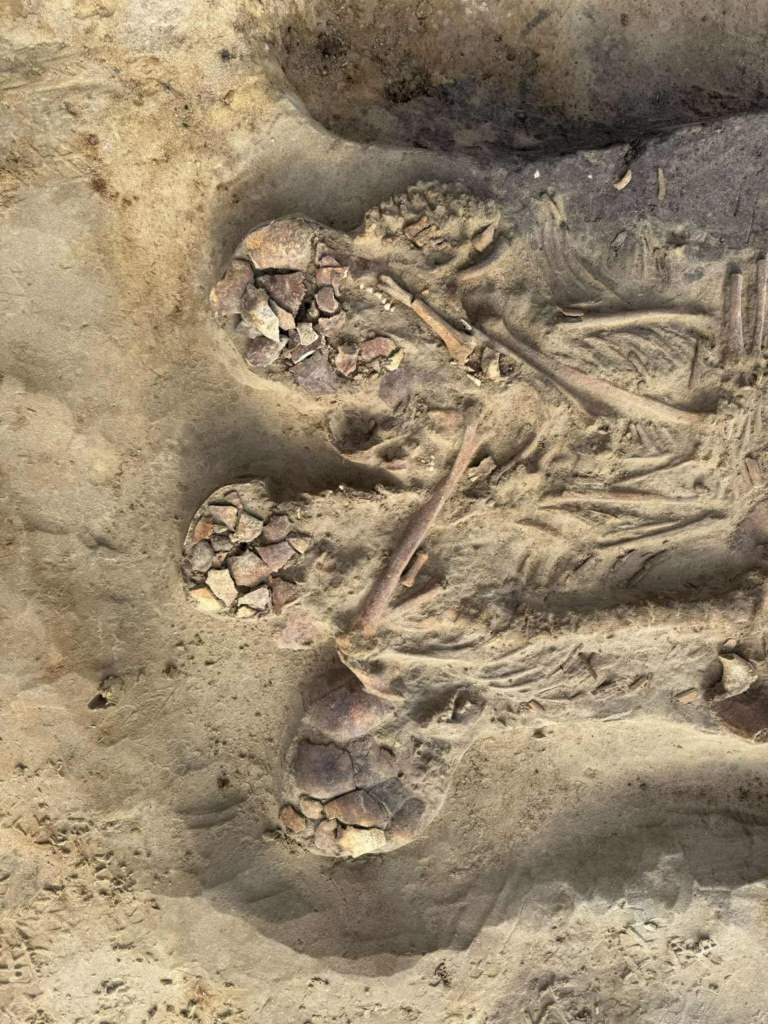
No signs of violence were detected on the skeletons. Researchers hypothesize that the deaths may have resulted from a sudden natural event, possibly hypothermia. The intimate positioning suggests strong emotional bonds among the deceased. DNA testing will determine whether the individuals were biologically related.
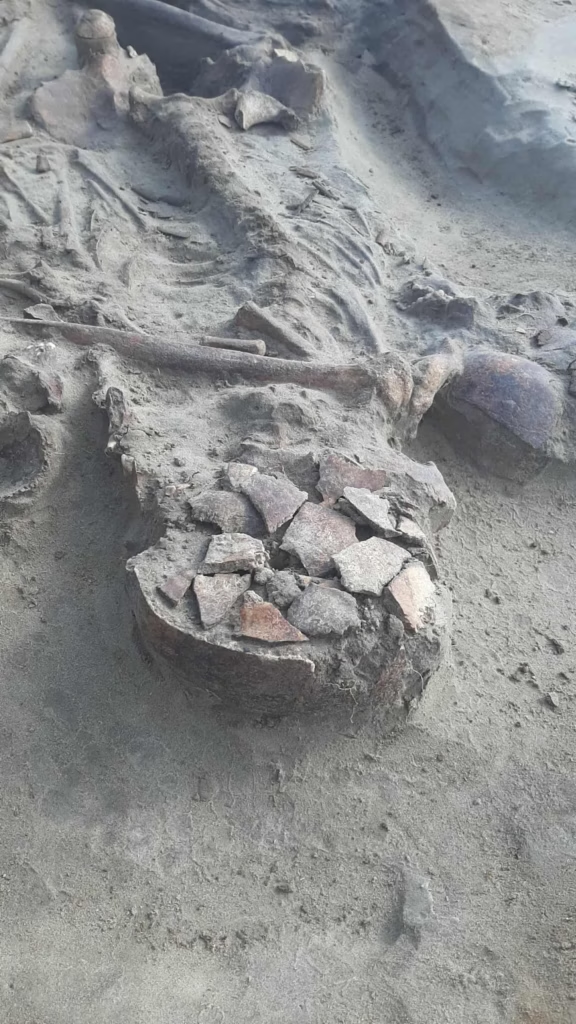
Excavations are complete, and researchers from Cardinal Stefan Wyszyński University are now conducting detailed studies, including skull reconstruction, determining the ages and sexes of the children and adults, precise dating, and reconstructing body sizes.
Future research aims to uncover not only familial ties but also the individuals’ early life, nutrition, and overall life history, providing an unprecedented glimpse into Mesolithic family life in Poland.