-
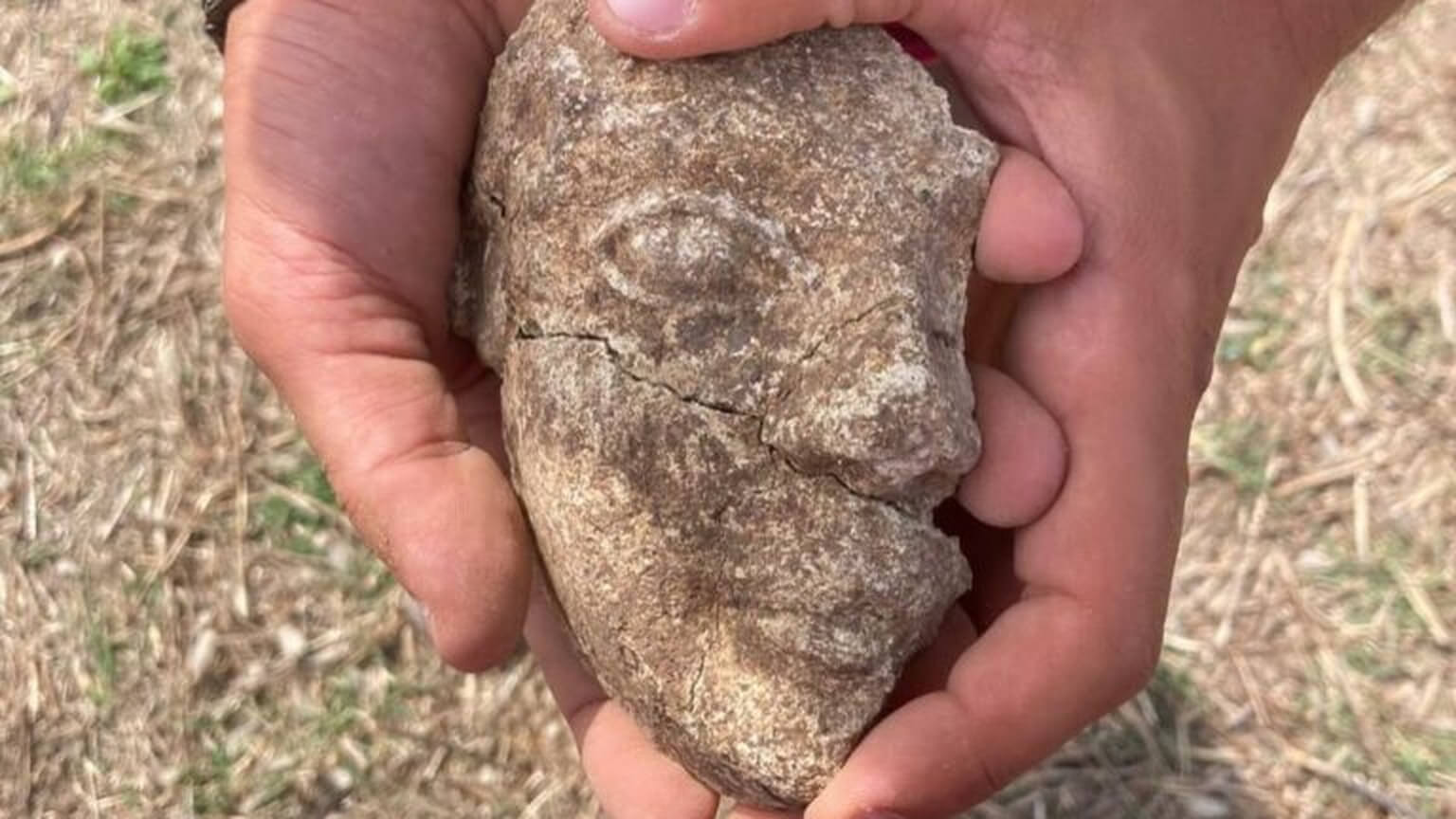
2,500 Years Later, the Face of an Etruscan Goddess Emerges at Her Own Temple
A terracotta fragment depicting the face of the Etruscan goddess Uni has been unearthed at Pyrgi, an ancient sanctuary on Italy’s Tyrrhenian coast. The discovery was made in the area of Temple B, a sacred building dedicated to the same goddess more than 2,500 years ago. Archaeologists from Sapienza University of Rome recovered the fragment…
-
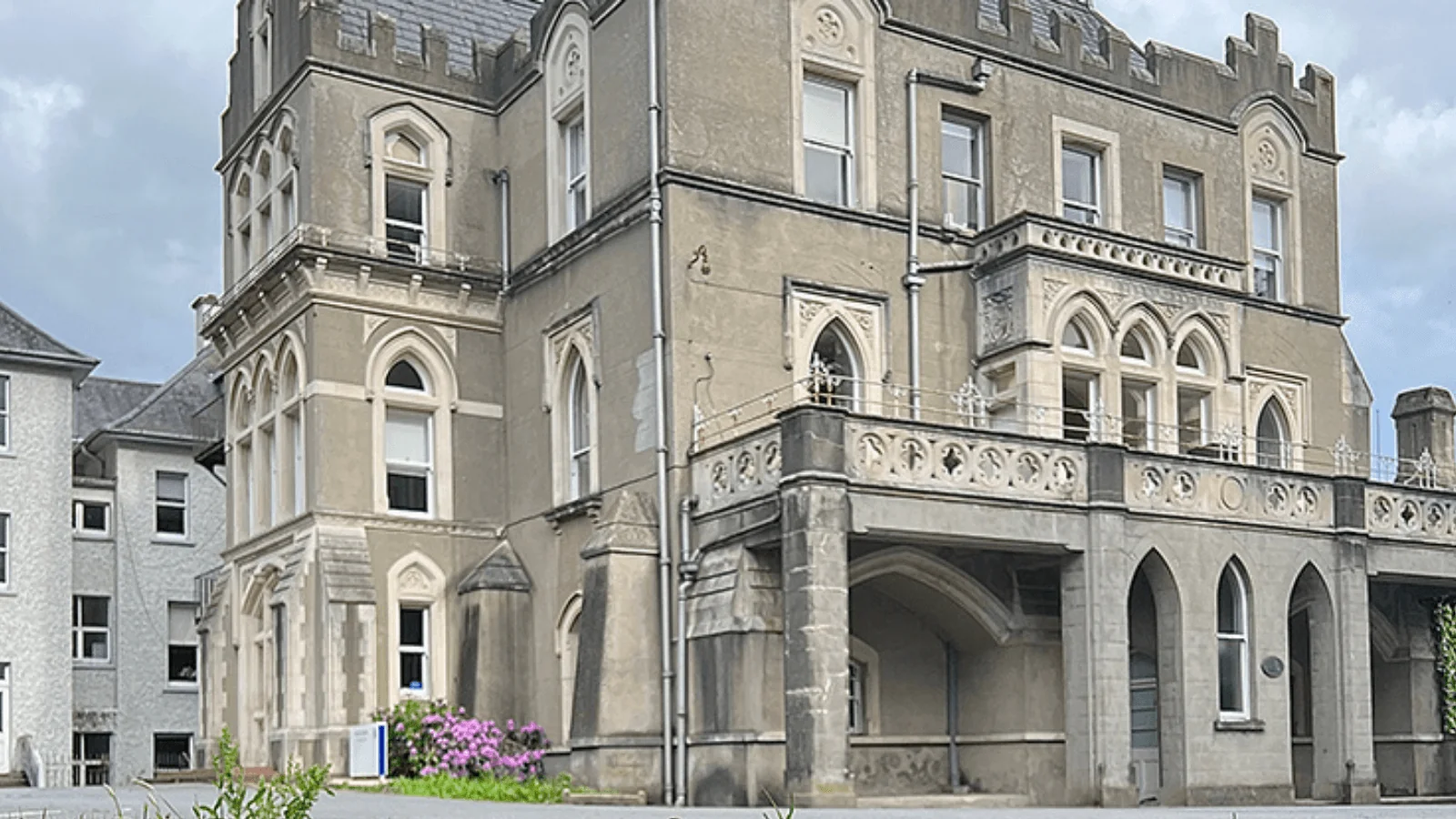
An 800-Year-Old Castle Was Hiding Inside a Victorian Building in Dublin
For generations, Roebuck Castle on the campus of University College Dublin appeared to be a largely Victorian building. Its medieval predecessor was believed to have vanished long ago, cleared away as successive owners transformed the property into a more comfortable residence. The approximately 800-year-old castle, however, never entirely disappeared. New research published in Archaeology Ireland…
-
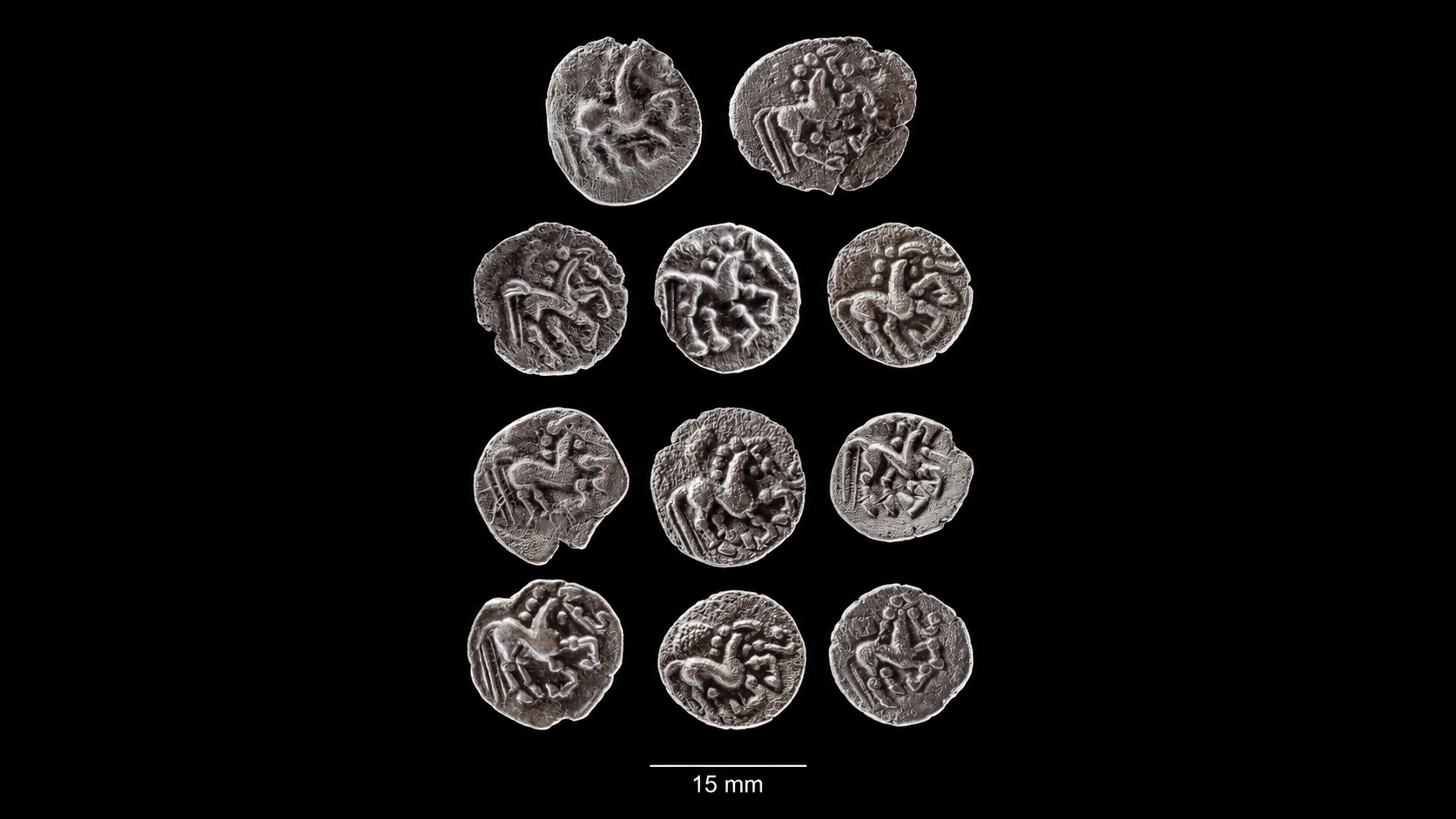
Ploughing Scattered This 2,000-Year-Old Celtic Silver Hoard Across a German Sports Field
Eleven small silver coins discovered beneath a former sports field in central Germany have been identified as the largest Celtic hoard of its kind ever recorded in Thuringia. Although centuries of farming had pulled the coins away from their original hiding place, archaeologists were able to show that they once formed a single deposit. The…
-
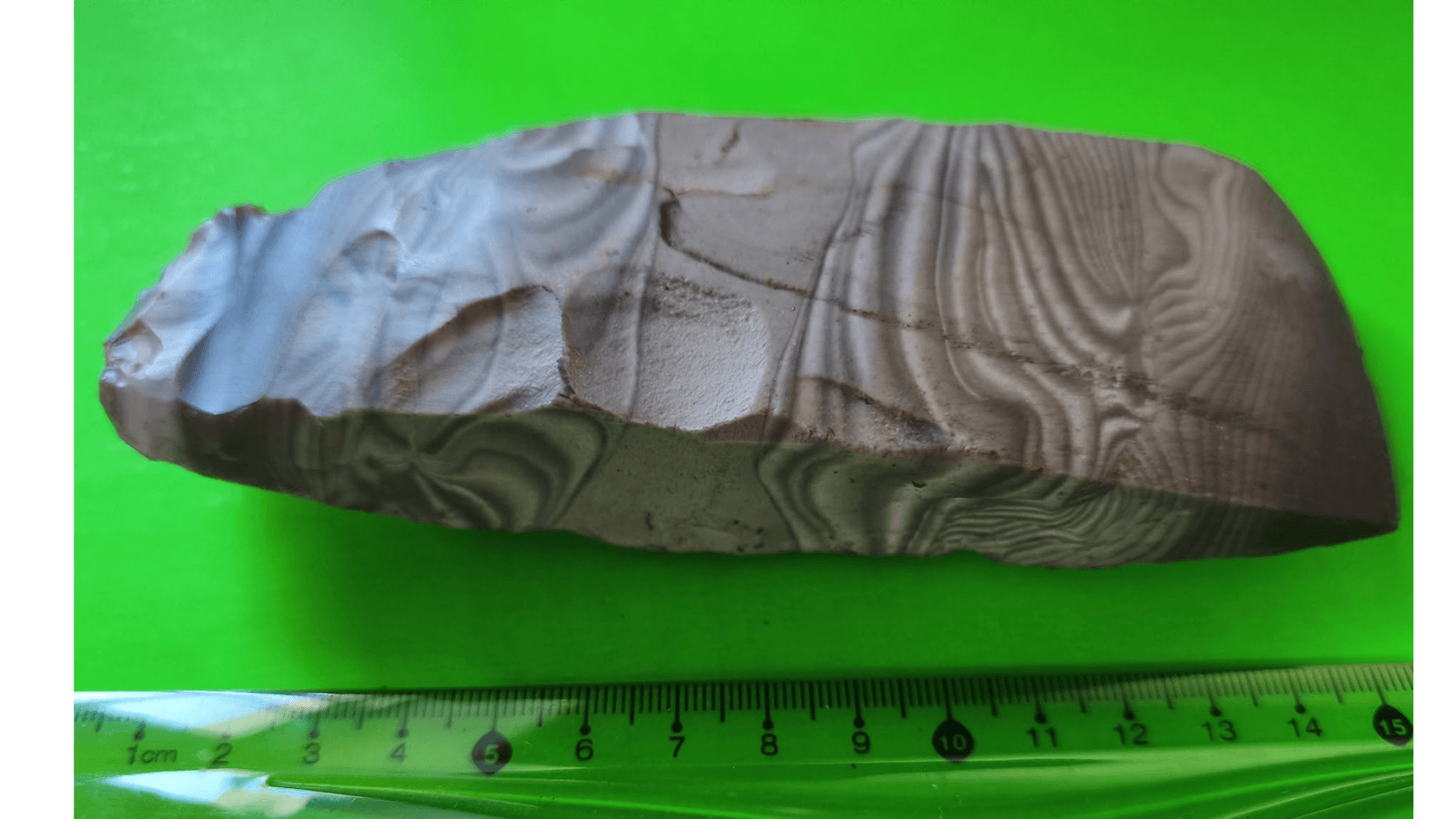
Colorful Stone Found in a Polish Tobacco Field Is a Nearly 6,000-Year-Old Axe
A colorful stone uncovered while a couple were weeding tobacco in eastern Poland has been identified as a nearly 6,000-year-old Neolithic axe. Made from distinctive striped flint, the remarkably well-preserved tool may add to evidence that the surrounding region was more intensively occupied in prehistory than archaeologists once believed. Agnieszka and Krzysztof Obszański discovered the…
-
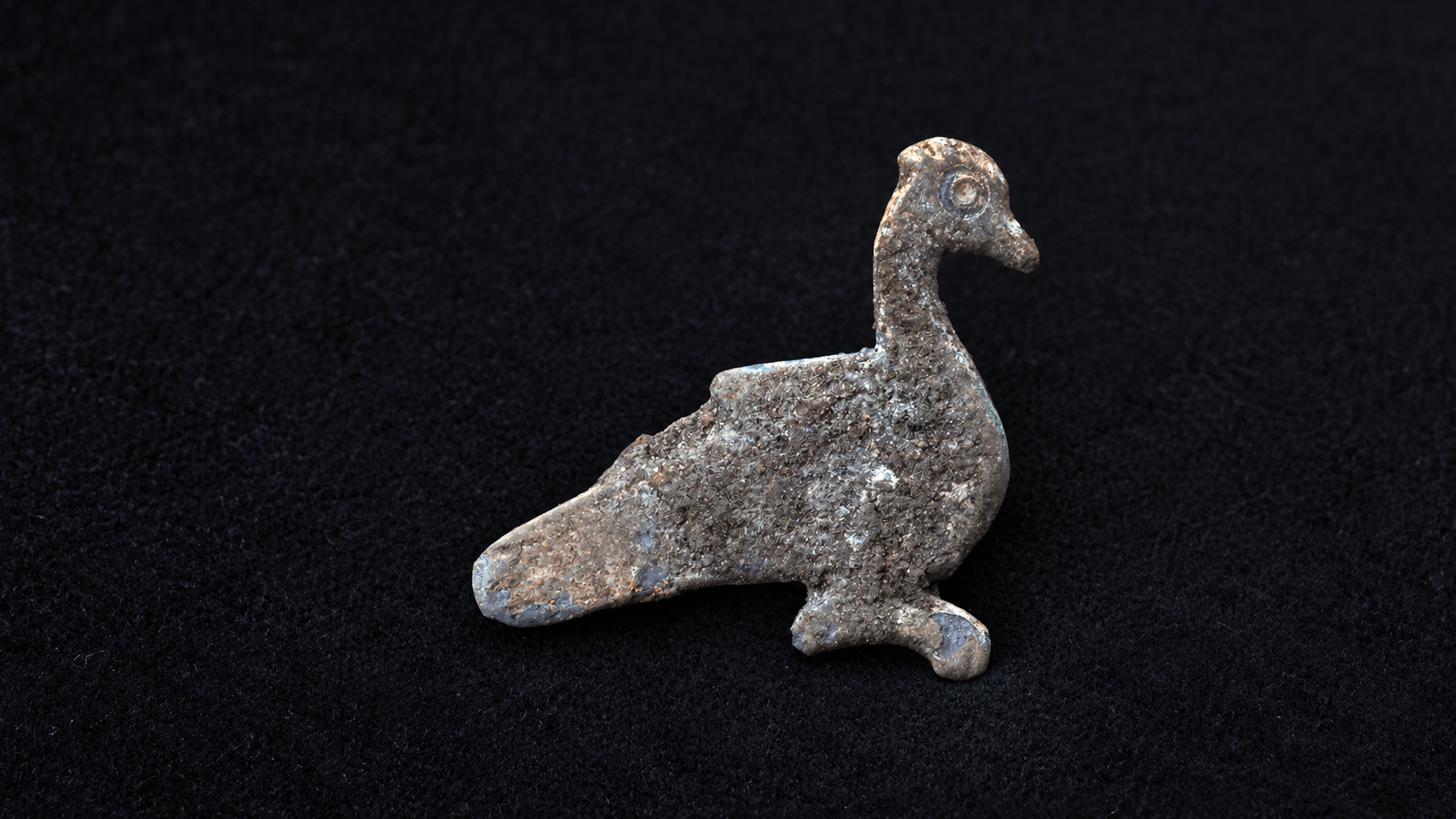
Roman Settlement Destroyed by Fire Discovered in Switzerland
Archaeologists excavating ahead of a housing project in southern Switzerland have uncovered a Roman settlement containing evidence of iron and bronze working on a significant scale. The complex, occupied during the second and third centuries AD, came to a violent end when a fire brought down its tiled roof. The discovery was made near Via…
-
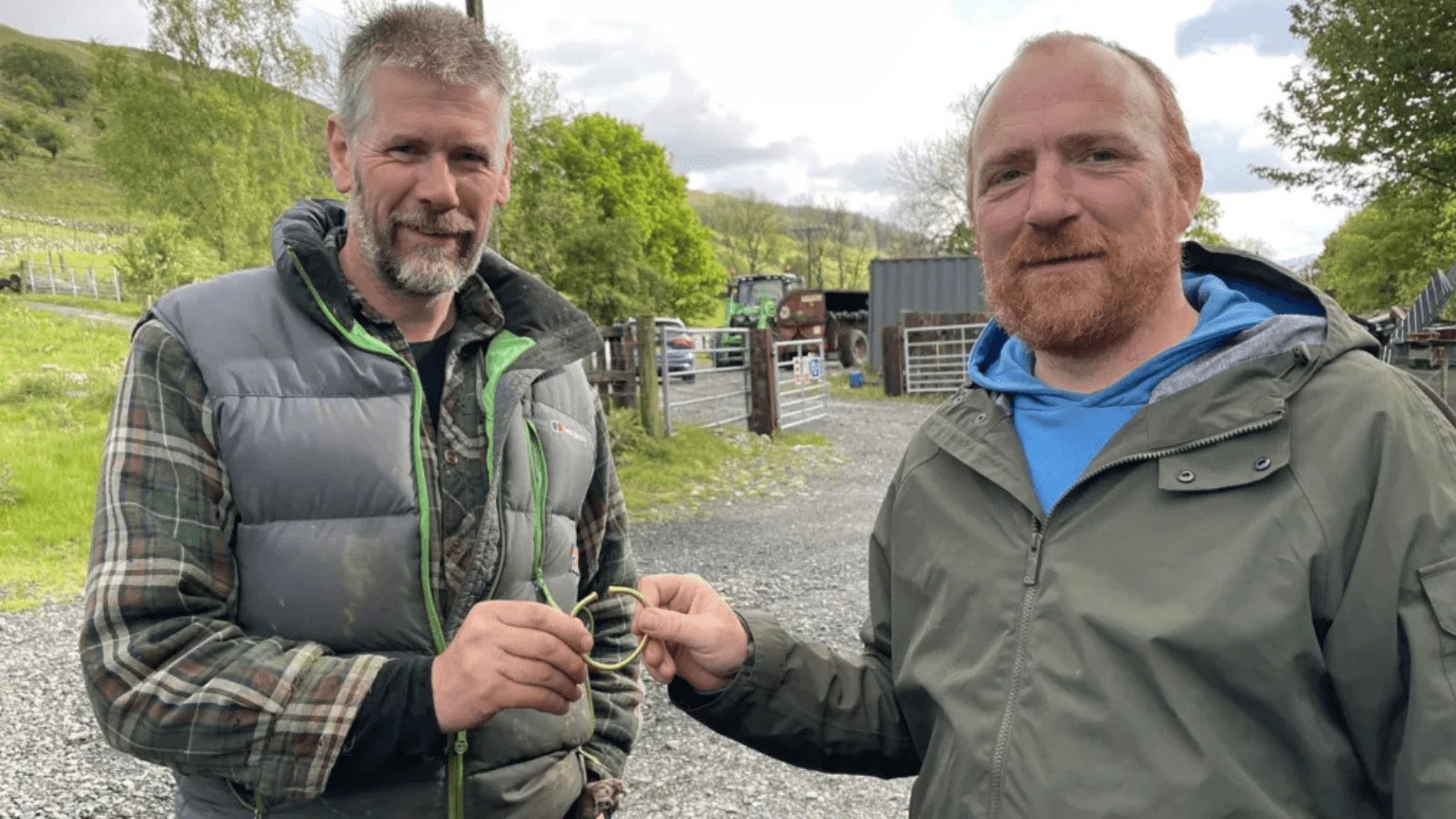
Metal Detectorist Mistakes 3,000-Year-Old Gold Bracelet for Foil in Wales
A metal detectorist searching a Welsh farm initially thought he had uncovered another scrap of foil. The flash beneath the soil was instead a Late Bronze Age gold bracelet, made around 3,000 years ago and now officially declared treasure. Idris Thomas had spent only about 20 minutes scanning farmland at Llanuwchllyn in Gwynedd when his…
-
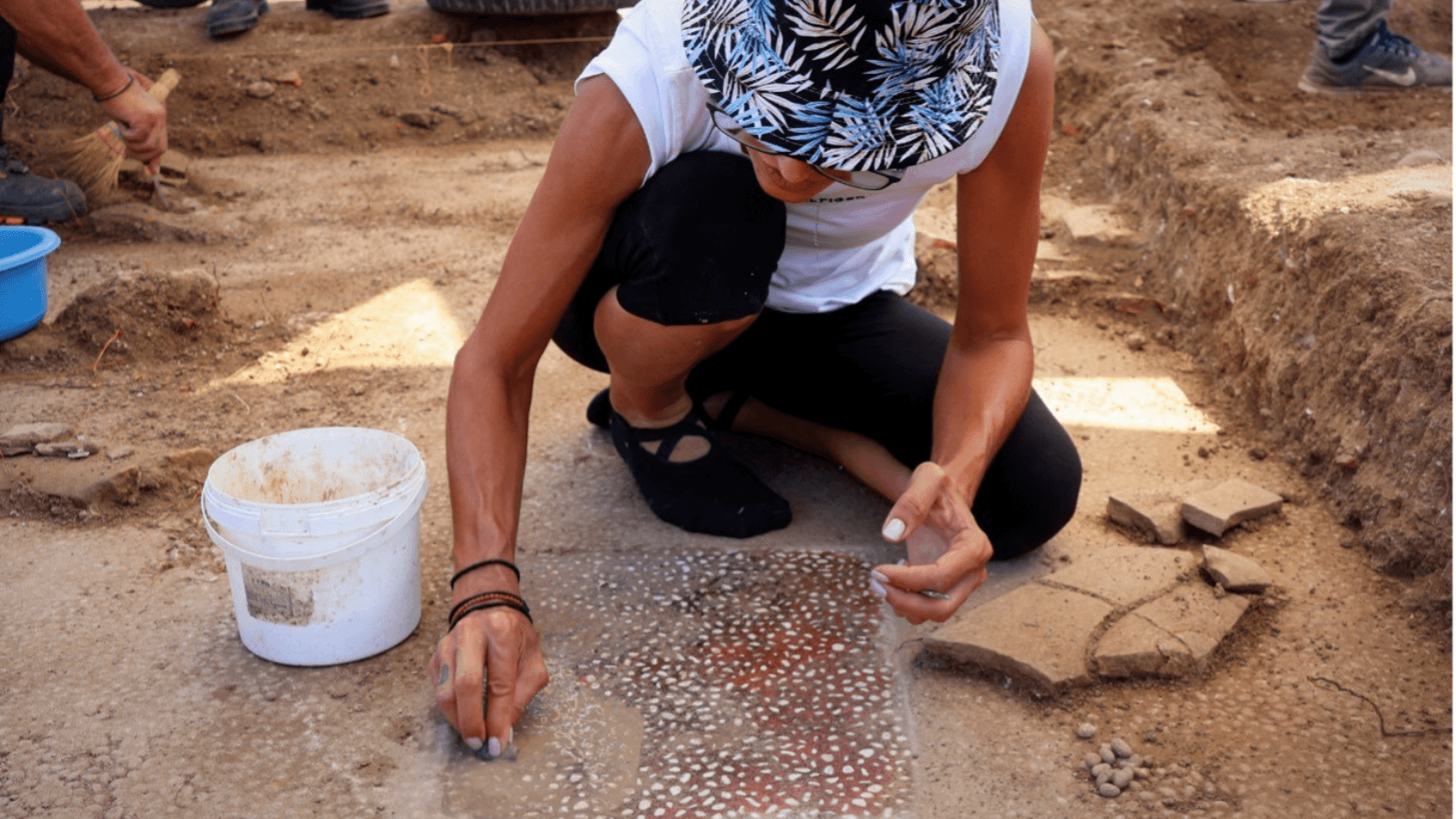
Inside the School Linked to Alexander the Great, Archaeologists Found Rooms Built for Feasting
The school linked to Alexander the Great at ancient Mieza was not devoted to lectures and physical training alone. Archaeologists have also uncovered mosaic-floored rooms where members of Macedonia’s young elite appear to have reclined, dined and talked together. Archaeologists excavating the Royal Gymnasium of Mieza in northern Greece have uncovered a large structure containing…
-
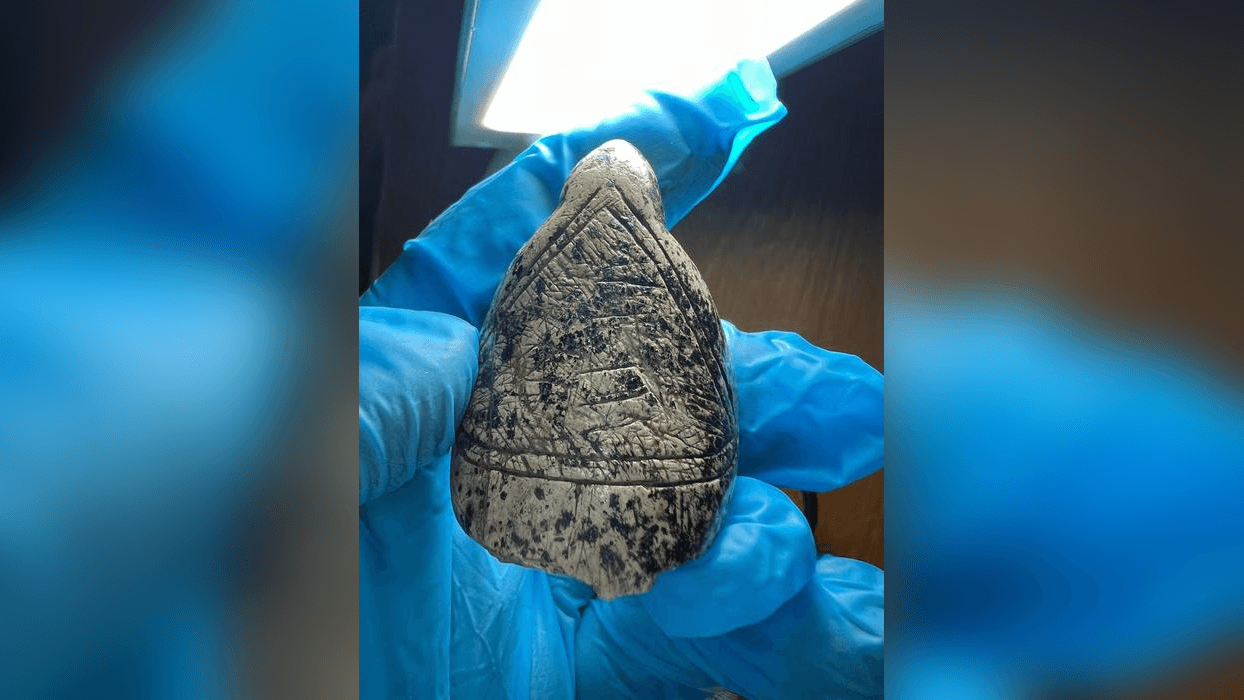
Ice Age Artists Turned the Natural Patterns of Mammoth Tusks into Art 18,000 Years Ago
Around 18,000 years ago, artists living in what is now northern Ukraine carved small human figures from mammoth ivory. A new study suggests that the patterns covering these objects were shaped by the natural structure of the ivory itself. Researchers made the discovery after examining 18 figurines from Mizyn, one of Ukraine’s most important Upper…
-
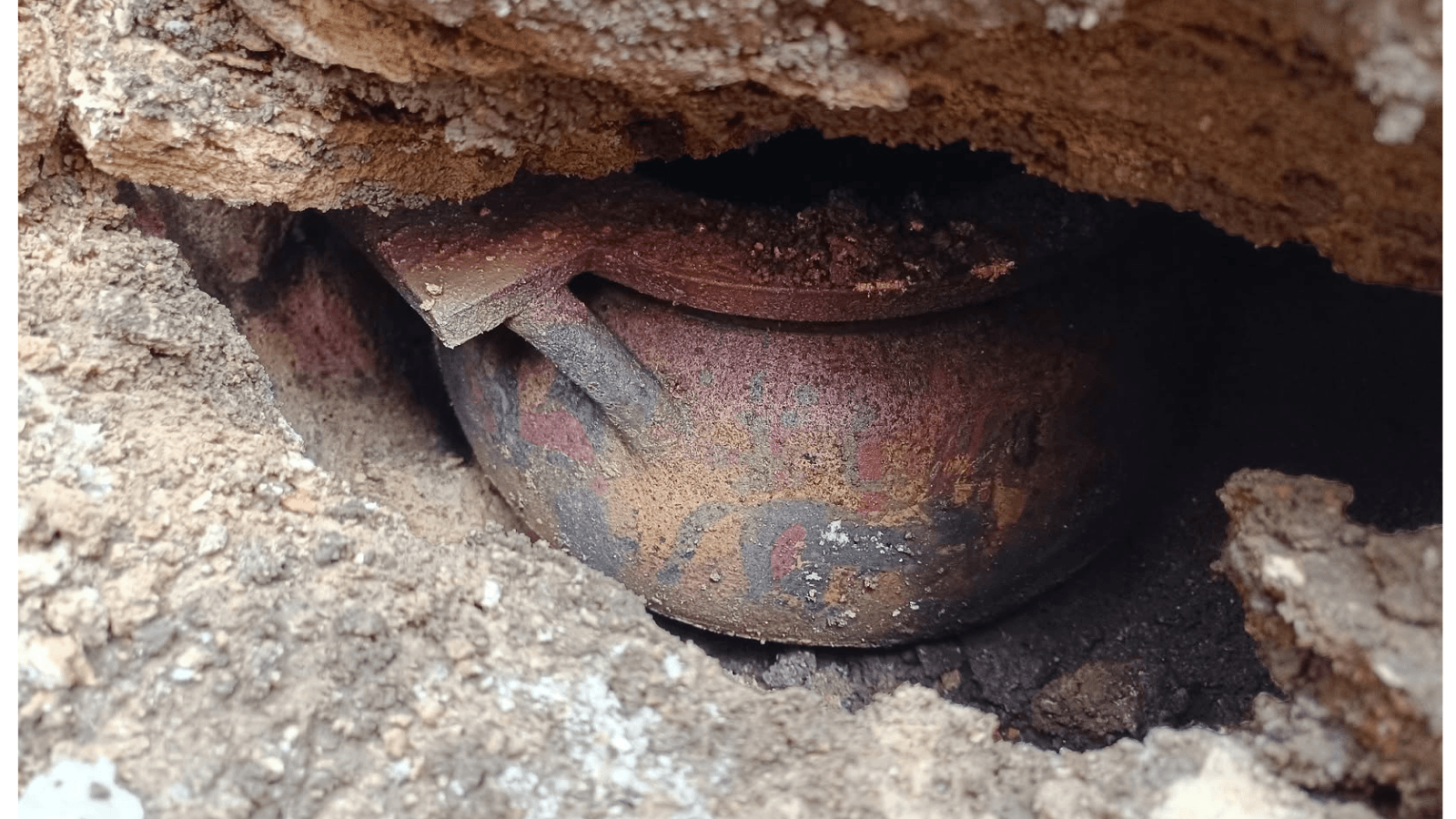
Rare 2,600-Year-Old Cube-Shaped Tomb in Italy Held Cremated Remains Inside a Greek Wine Vessel
A rare Etruscan-era burial built around an imported Greek wine vessel has been discovered beneath the modern town of Pontecagnano Faiano in southern Italy. Dating to the first half of the sixth century BC, the tomb is believed to have belonged to a high-ranking member of the ancient community. Archaeologists uncovered the burial during preventive…