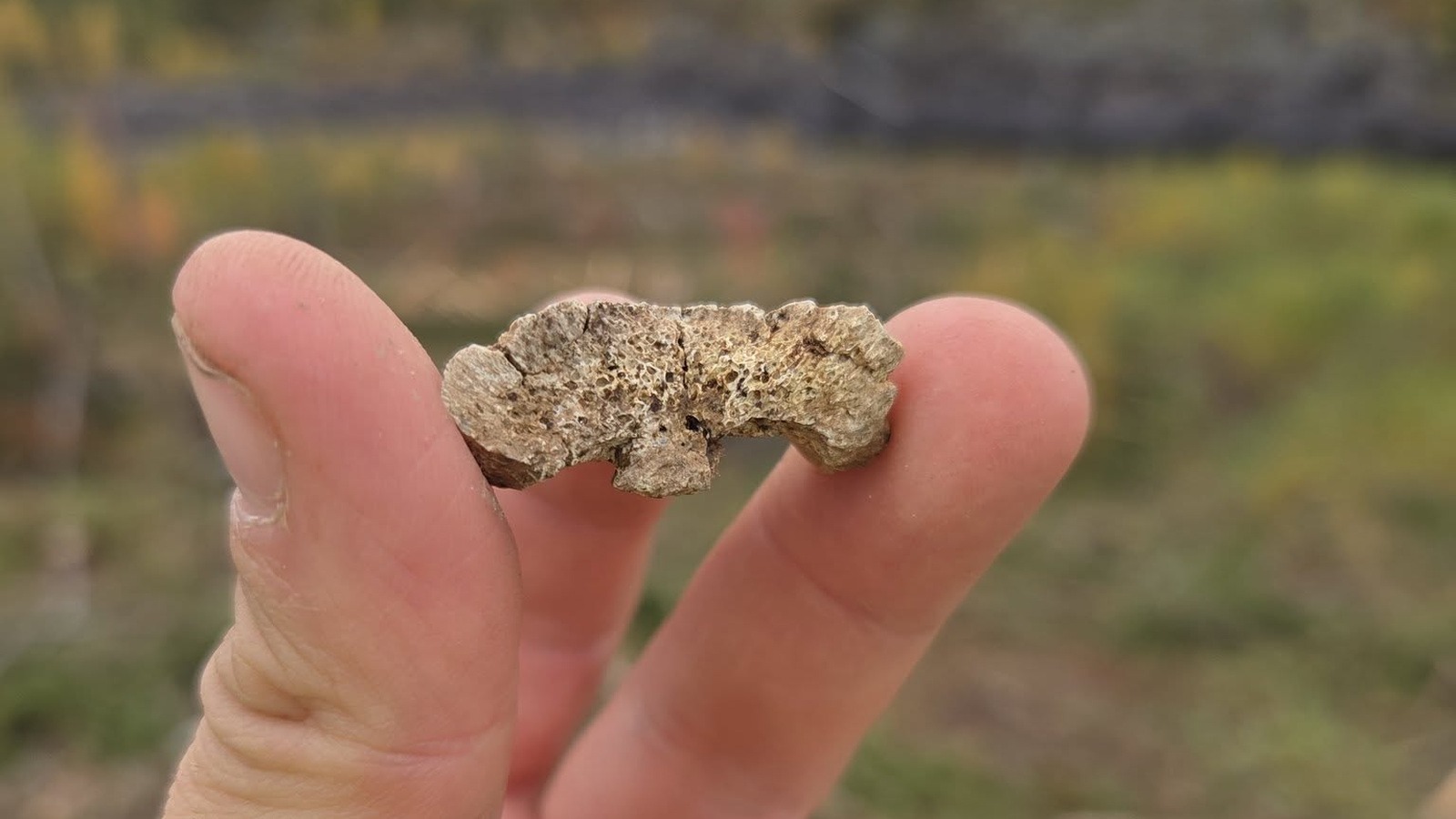
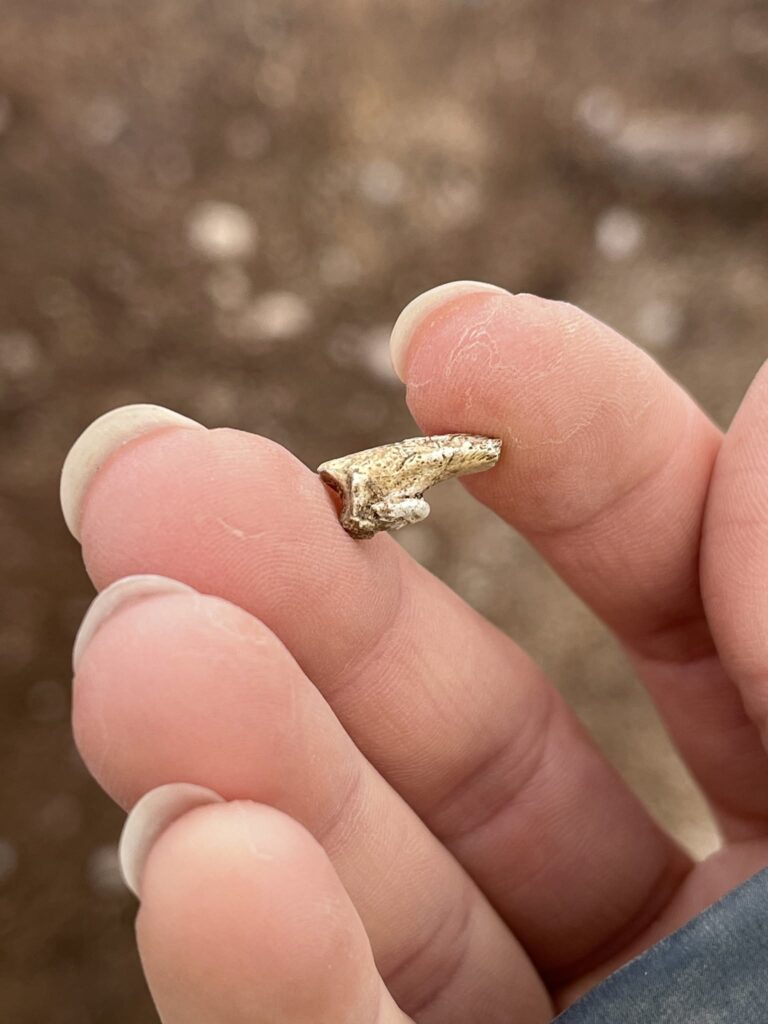
A fragment of moose vertebra, a beaver claw and tiny pieces of burned bone are helping archaeologists reconstruct life at a Stone Age settlement in central Sweden. Among the animals identified so far at Laforsen, moose and salmon appear most frequently.
The excavators have also identified beaver, pike and eel, along with a possible marten. Two pieces of worked bone add another dimension to the finds: one comes from a point, while the other may have belonged to a harpoon or a multi-pronged fishing spear.
Why the Bones Survived
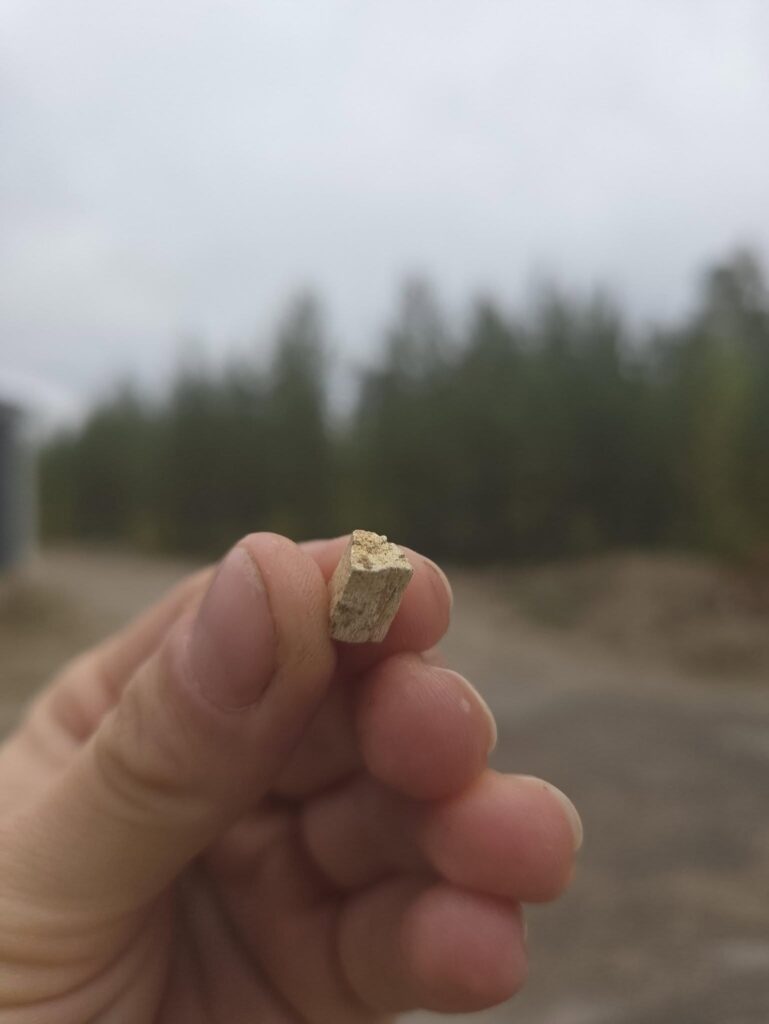
Bones can disappear entirely from ancient settlements as they decay in the soil. At Laforsen, many of the fragments survived because they were burned. Excavators have found concentrations of the pale pieces near hearths and cooking pits, making their location as valuable to the investigation as the bones themselves.
Osteologist Ola Magnell joined the excavation team in the field this week and helped identify the remains. His initial assessment points to moose and salmon as the most common animals in the material examined so far. He will study the full collection after fieldwork, when the team can assess the identifications and the balance between species more thoroughly.
The finds show that people at Laforsen made use of resources from the river and nearby land. The possible harpoon fragment offers a clue to their equipment, although the excavators have not yet determined exactly what sort of implement it was. The animal identifications are also preliminary; the presence of a species among the bones does not, by itself, establish how every animal was used.
A Settlement Beside the Falls
Laforsen sits beside the Ljusnan River in Hälsingland. Archaeologists describe the settlement under investigation as roughly 9,000 years old, though an earlier excavation update gives an age of about 8,000 years. The new animal remains should therefore be understood within the site’s broad Stone Age dating while analysis continues.
The location may help explain its attraction. Before the waterfall was altered in the 20th century, it stopped salmon migrating farther upstream. The excavators note that historical accounts describe fish reaching Laforsen but going no farther, making the falls a potentially reliable place to catch them. The newly identified salmon bones provide evidence that the fish were present among the remains recovered at the settlement.
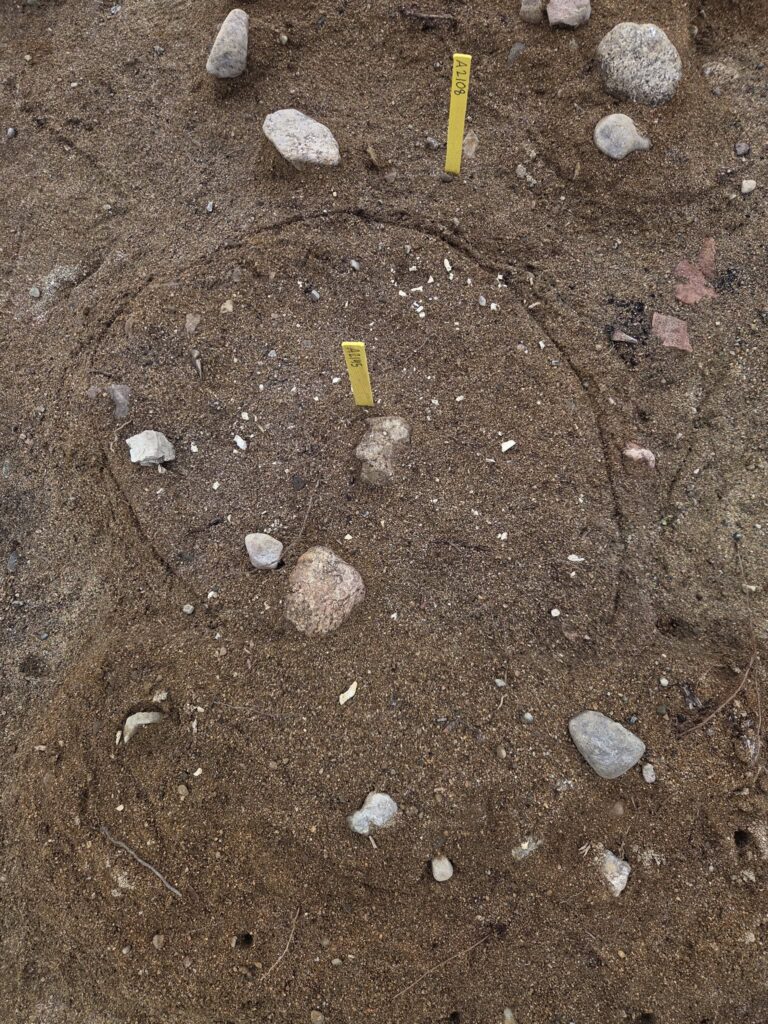
Previous work had already uncovered stone tool fragments, burned bones and a flake of rock crystal. Archaeologists from Arkeologerna, part of Sweden’s National Historical Museums, are investigating the site with Länsmuseet Gävleborg ahead of work connected to the nearby hydroelectric plant.
Magnell’s forthcoming analysis should sharpen the picture emerging from the excavation. For now, the bones give the team something more specific than a general image of Stone Age hunters and fishers: identifiable animals, recovered from the places where people once gathered beside the river.
Cover Image: A fragment of moose vertebra found at the Stone Age settlement of Laforsen, Sweden. Credit: Andreas Widerberg / Arkeologerna, CC BY.