-
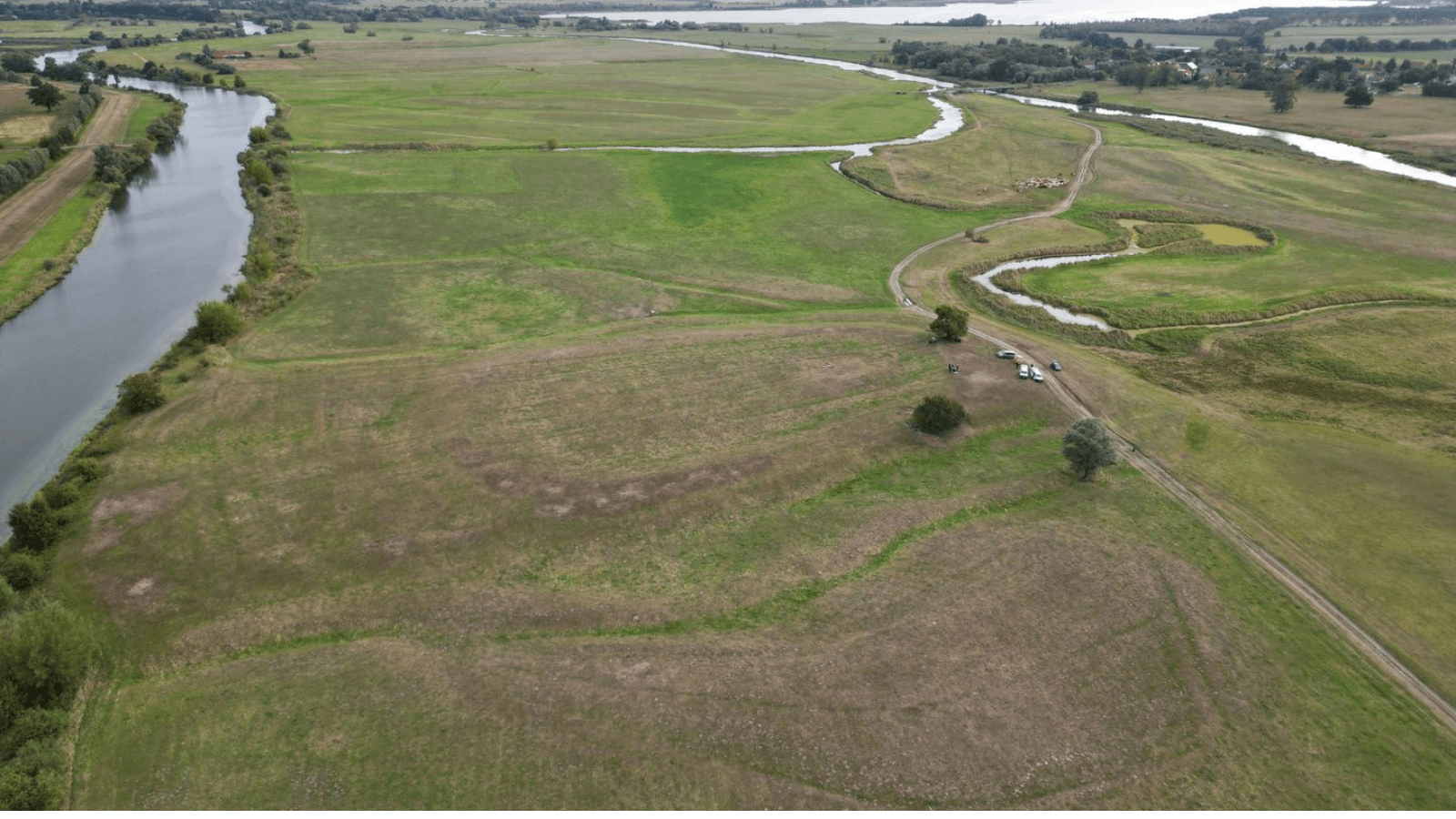
First Excavation of a Slavic Stronghold in Germany Reveals Iron Age and Neolithic Activity
The first archaeological excavation at the Pilatsch Slavic stronghold in eastern Germany has uncovered evidence that people used the site long before its medieval defenses appeared. Alongside material linked to the Slavic occupation, archaeologists recovered finds from the pre-Roman Iron Age and the Neolithic period. The discoveries were made near Gülpe in Brandenburg’s Lower Havel…
-
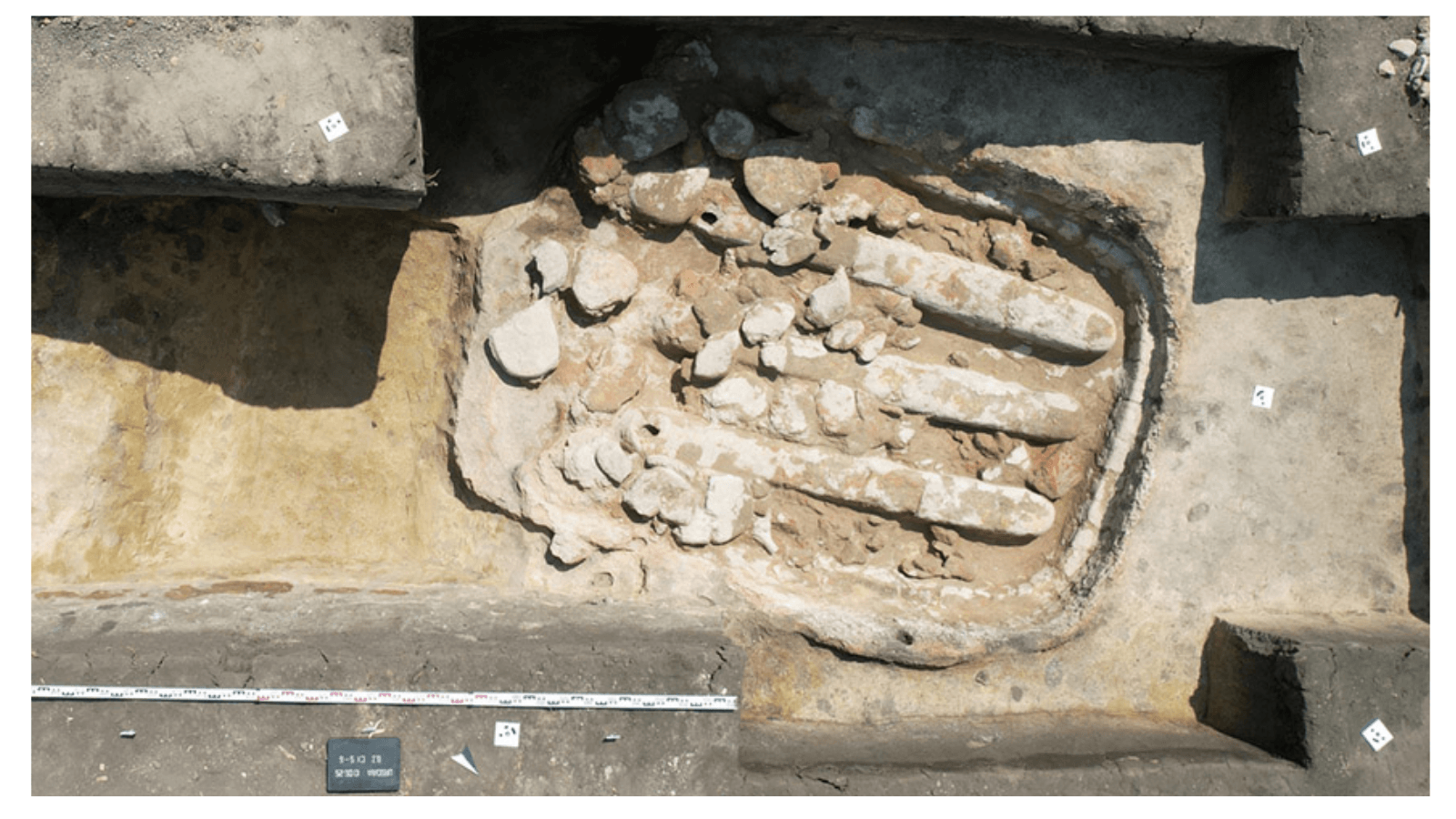
Archaeologists Unearth Giant 6,000-Year-Old Pottery Kiln in Europe
A giant 6,000-year-old pottery kiln unearthed at Ursoaia in north-eastern Romania is revealing just how large and technically sophisticated ceramic production had become in prehistoric Europe. With a working surface of about 7.5 square metres, it is the largest securely documented kiln of its type in the Cucuteni–Trypillia world. Excavated in 2025, the bicameral structure…
-
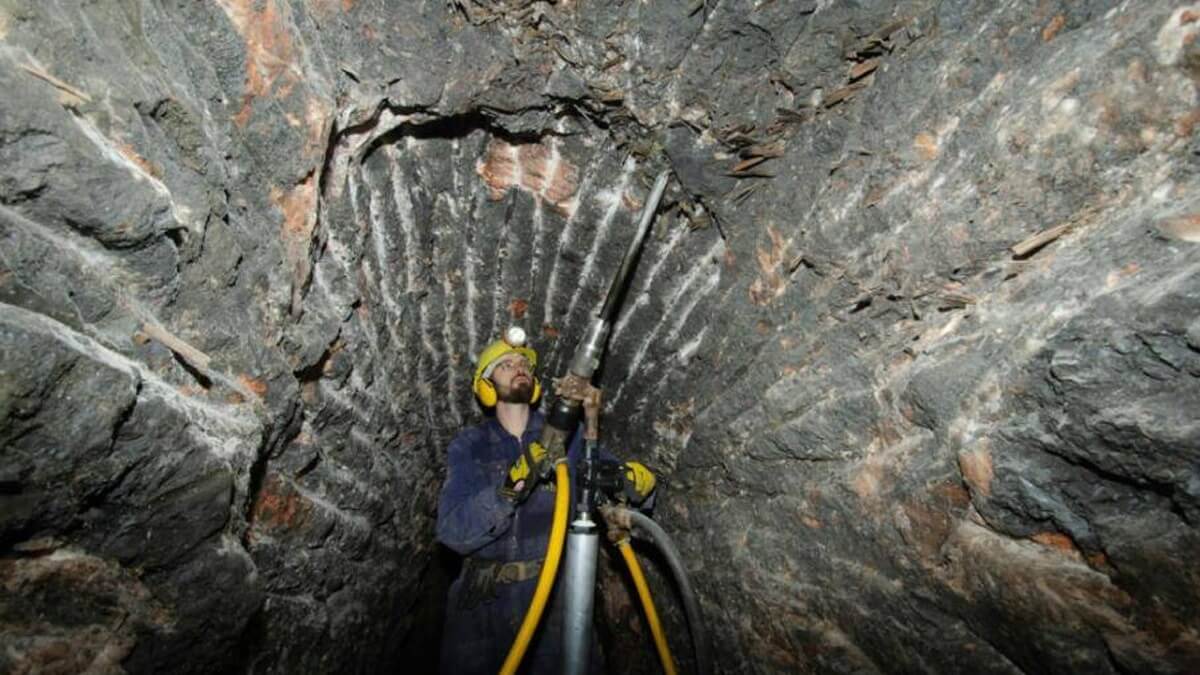
Inside Hallstatt’s Salt Mountain, Iron Age Miners Left a 300-Meter Underground Archive
Exploratory drilling in Austria’s prehistoric Hallstatt salt mine has identified an extensive Iron Age mining complex made up of enormous chambers arranged beside and above one another. Their floors preserve tools, clothing, food remains and biological traces left by miners around 2,500 years ago, effectively turning the underground workings into an archive of prehistoric labor.…
-

Divers Map Traces of a Medieval English Town Lost to the North Sea 700 Years Ago
Divers surveying the seabed off Cromer on England’s Norfolk coast have documented stone structures associated with the submerged medieval town of Shipden. The work may help researchers determine whether some of the remains belonged to buildings and harbor installations or formed part of an attempt to hold back the advancing North Sea. The underwater investigation…
-

A 700-Year-Old Gold Ring from Bulgaria Carried a Byzantine Woman’s Name and Authority
A 14th-century Byzantine gold seal ring associated with southern Bulgaria preserves more than the name of an aristocratic woman. Inscribed for “sevasta Maria Skulena,” the ring was designed to authenticate documents in her name—an unusual glimpse of a woman exercising social or legal authority in the late Byzantine world. The gold ring reportedly originated near…
-

1,800-Year-Old Sword Fitting Preserves a Flash of Color at Roman Vindolanda
An enamelled Roman sword fitting has emerged from a second-century layer at Roman Vindolanda, the frontier fort near Hadrian’s Wall in northern England. Although small enough to fit in one hand, the object preserves a detail rarely associated with the popular image of the Roman army: color. The copper-alloy fitting has been identified as a…
-
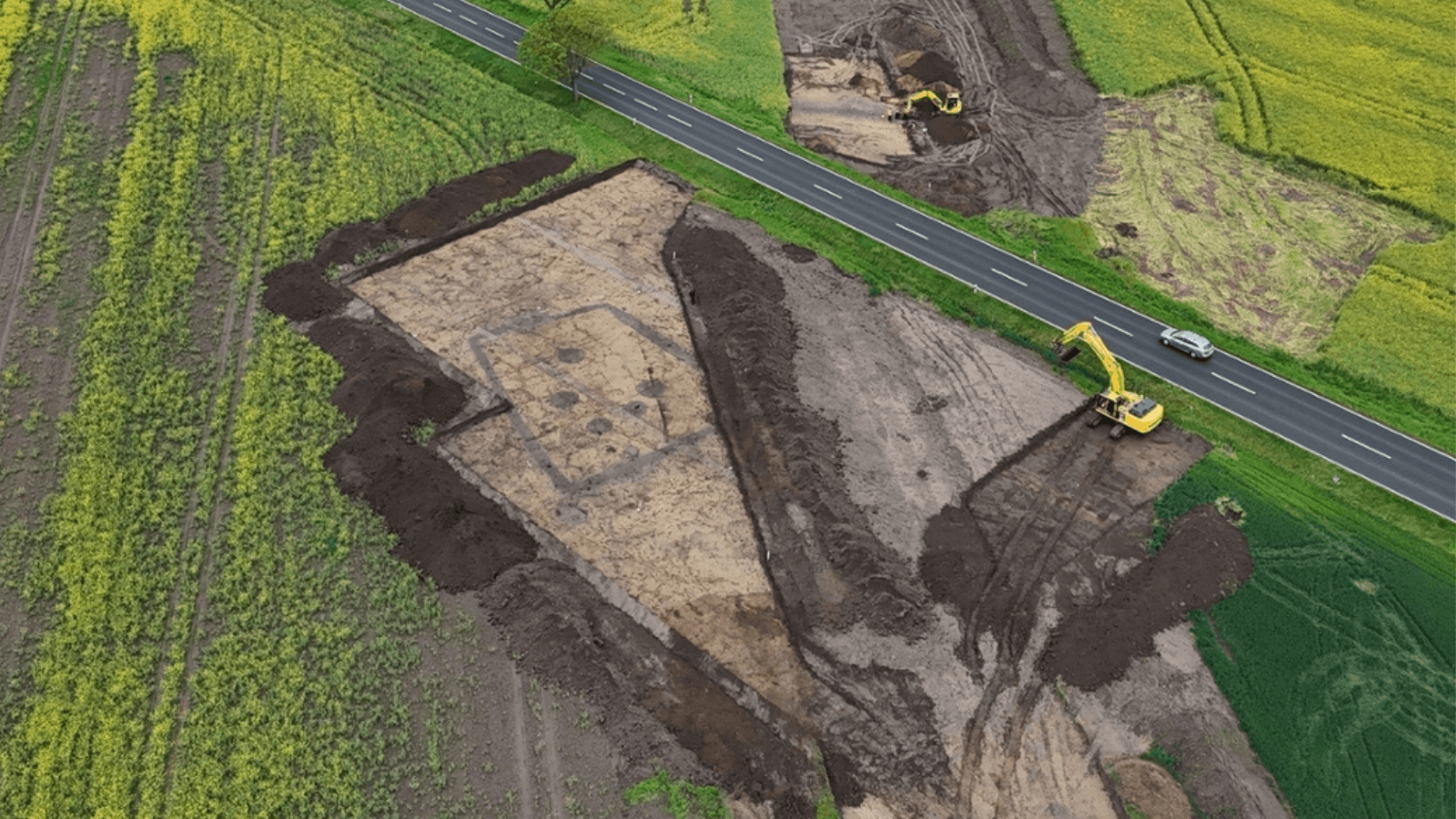
A Giant Trapezoidal Monument in Germany Reveals a 5,500-Year-Old Grave
A rare Neolithic burial monument in Germany has emerged along the route of a new pipeline, revealing a vast trapezoidal structure built around a single grave more than 5,000 years ago. Archaeologists discovered the monument near Döhlen in Saxony’s Leipzig district during investigations preceding the construction of a district-heating and hydrogen pipeline between Leuna and…
-
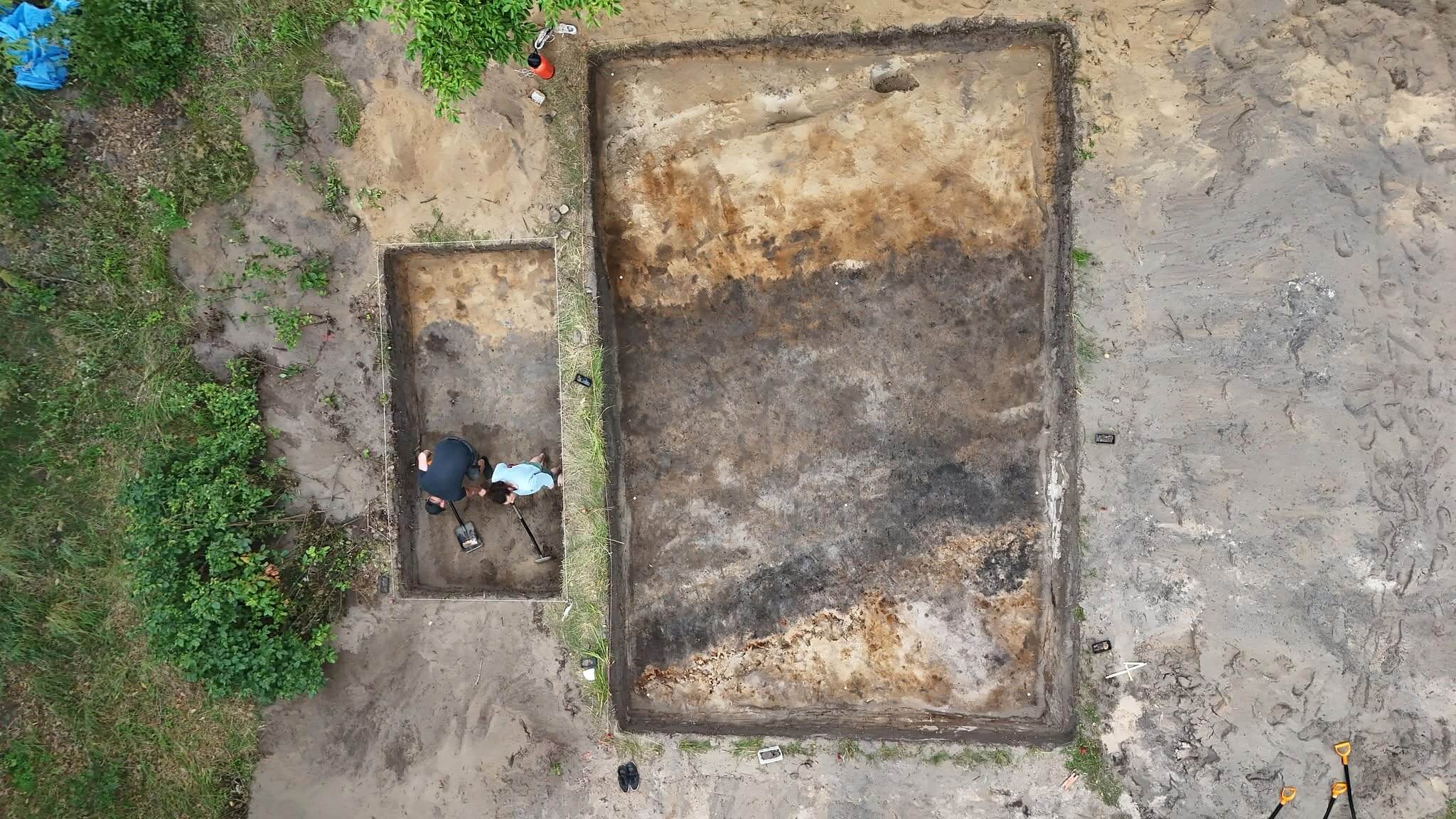
Rare 2,500-Year-Old Longhouse Discovered in Poland’s Mazovia Region
Archaeologists have discovered a rare 2,500-year-old longhouse at Łysa Góra in Poland, revealing how an Iron Age community organized its domestic space. The building represents an exceptional example of this architectural tradition in Mazovia and northeastern Poland. The discovery emerged during the 2026 excavation season near Chorzele in northern Mazovia. Researchers from the State Archaeological…
-
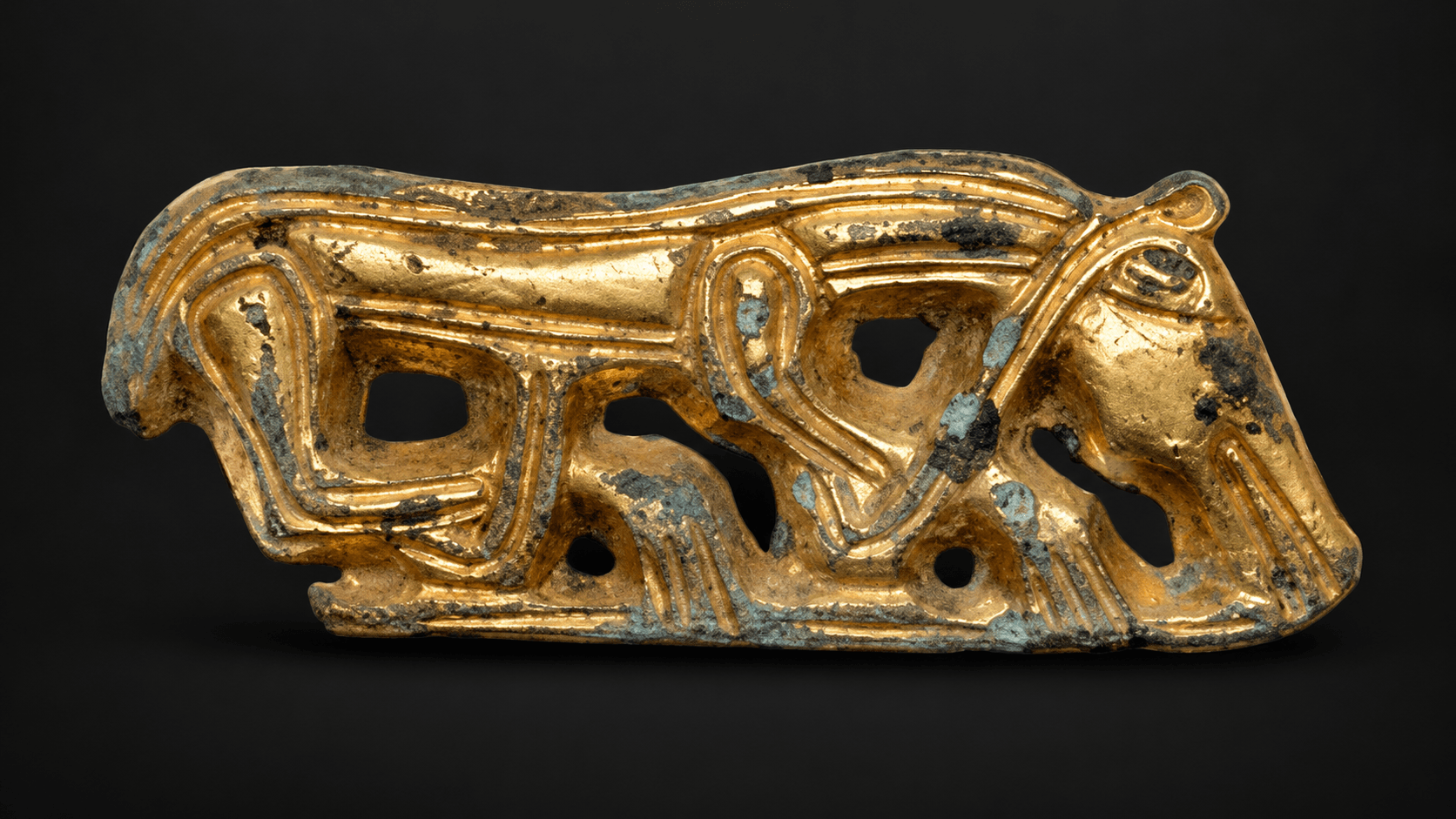
Britain Acts to Keep Rare 1,400-Year-Old Anglo-Saxon Treasure
A tiny gilded ornament discovered by a metal detectorist in Norfolk has been recognized as an object of national importance, prompting the British government to give museums an opportunity to keep it in the country. The 1,400-year-old Anglo-Saxon mount was found at Holme Hale in 2024. Although it measures only 33.7 millimeters and weighs five…