-
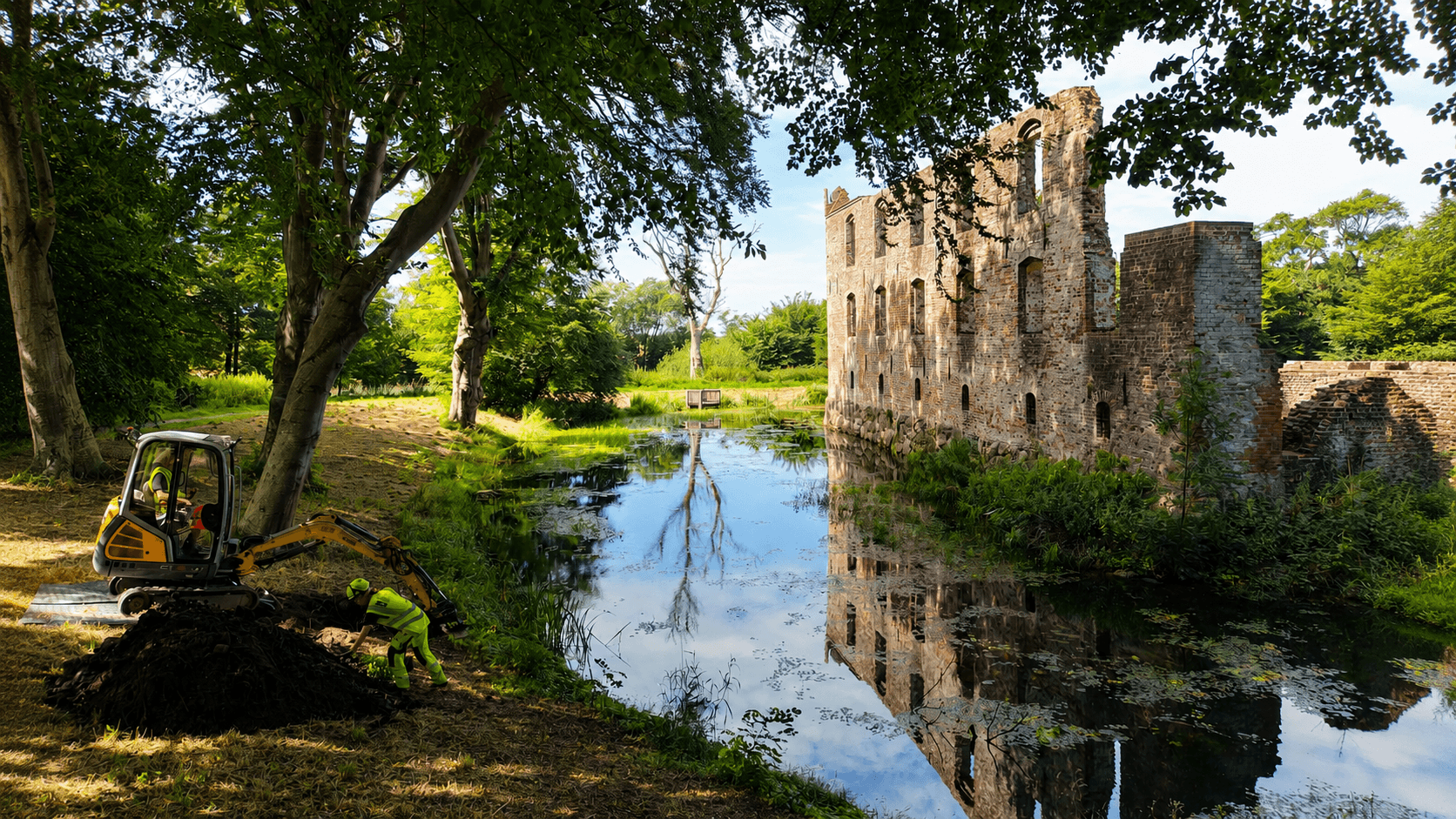
Wooden Foundations Found Beneath the Entrance to Denmark’s Trøjborg Castle
Worked wooden piles uncovered at the entrance to Denmark’s Trøjborg Castle may belong to a former gatehouse. Tree-ring dating could reveal whether they formed part of the medieval fortress or the Renaissance castle built over it centuries later. Archaeologists from Museum Sønderjylland encountered the timbers while monitoring construction at the protected castle ruin near Visby…
-
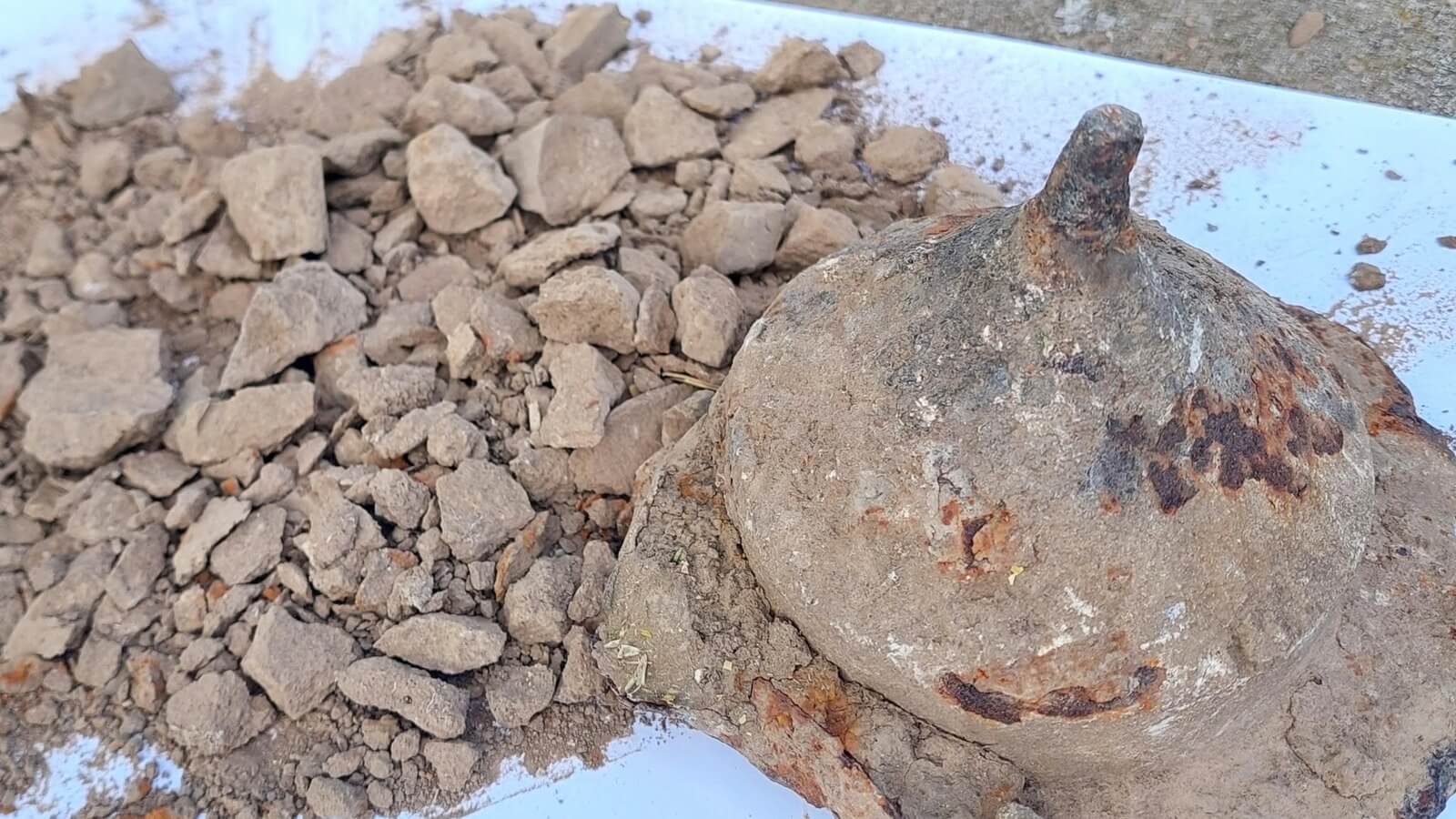
1,800-Year-Old Shield Boss Found in Polish Scrapyard May Lead to a Lost Warrior Cemetery
An iron shield fitting rescued from a scrapyard in eastern Poland has been identified as a 1,800-year-old archaeological artifact. Inside it, museum specialists found something even more revealing: soil containing burned human bones, apparently preserved from a cremation grave whose location remains unknown. Włodzimierz Starykiewicz discovered the object at a scrapyard in Hrubieszów, close to…
-
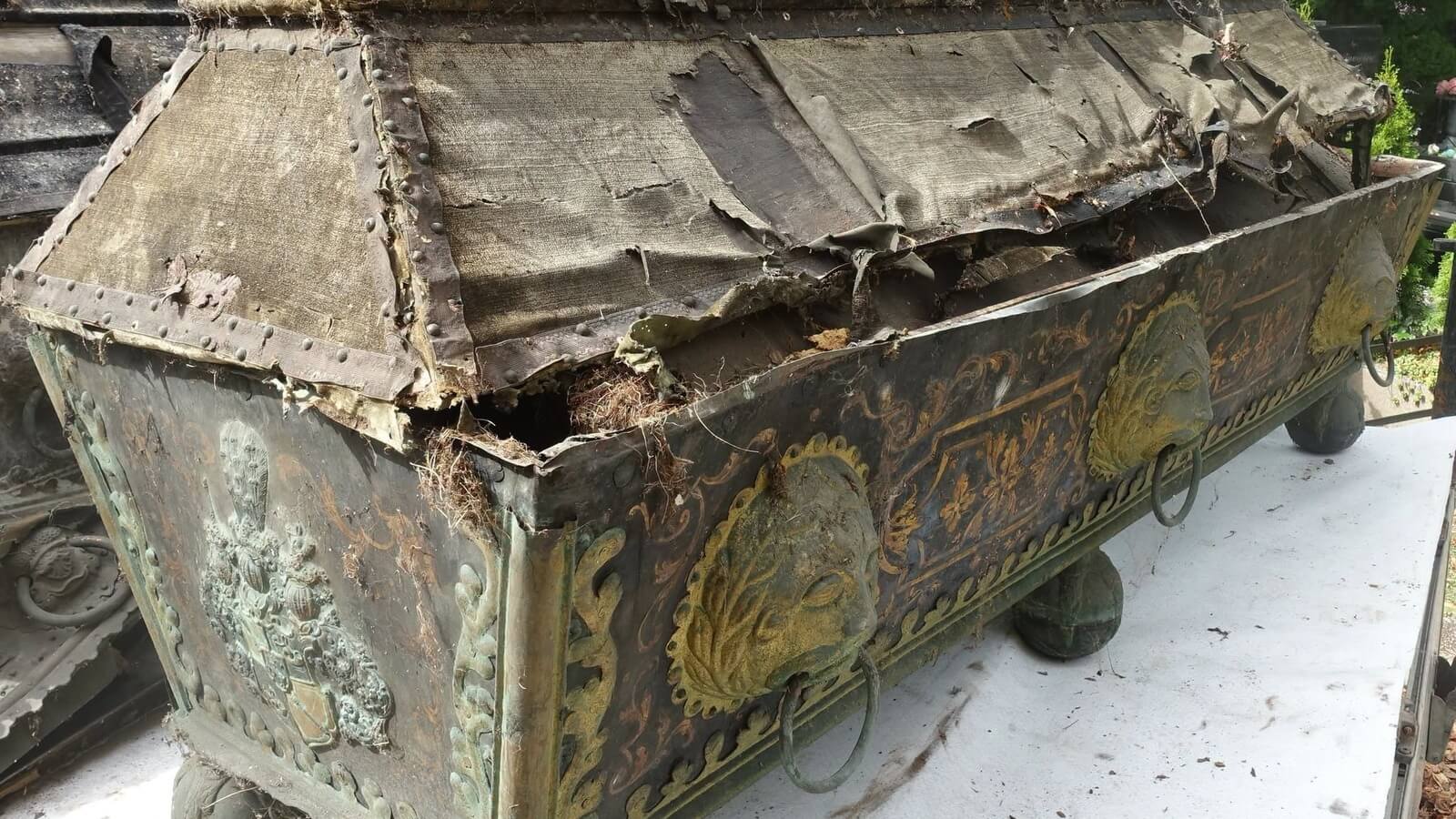
18th-Century Aristocratic Sarcophagi Identified Inside Another Family’s Mausoleum in Poland
18th-century aristocratic sarcophagi belonging to the von Hochberg family have been identified among more than 25 historic coffins and funerary objects documented inside another family’s mausoleum in southwestern Poland. Researchers linked eight burials to named members of the dynasty, including the man who transformed Książ Castle into a Baroque residence. The burials were examined on…
-
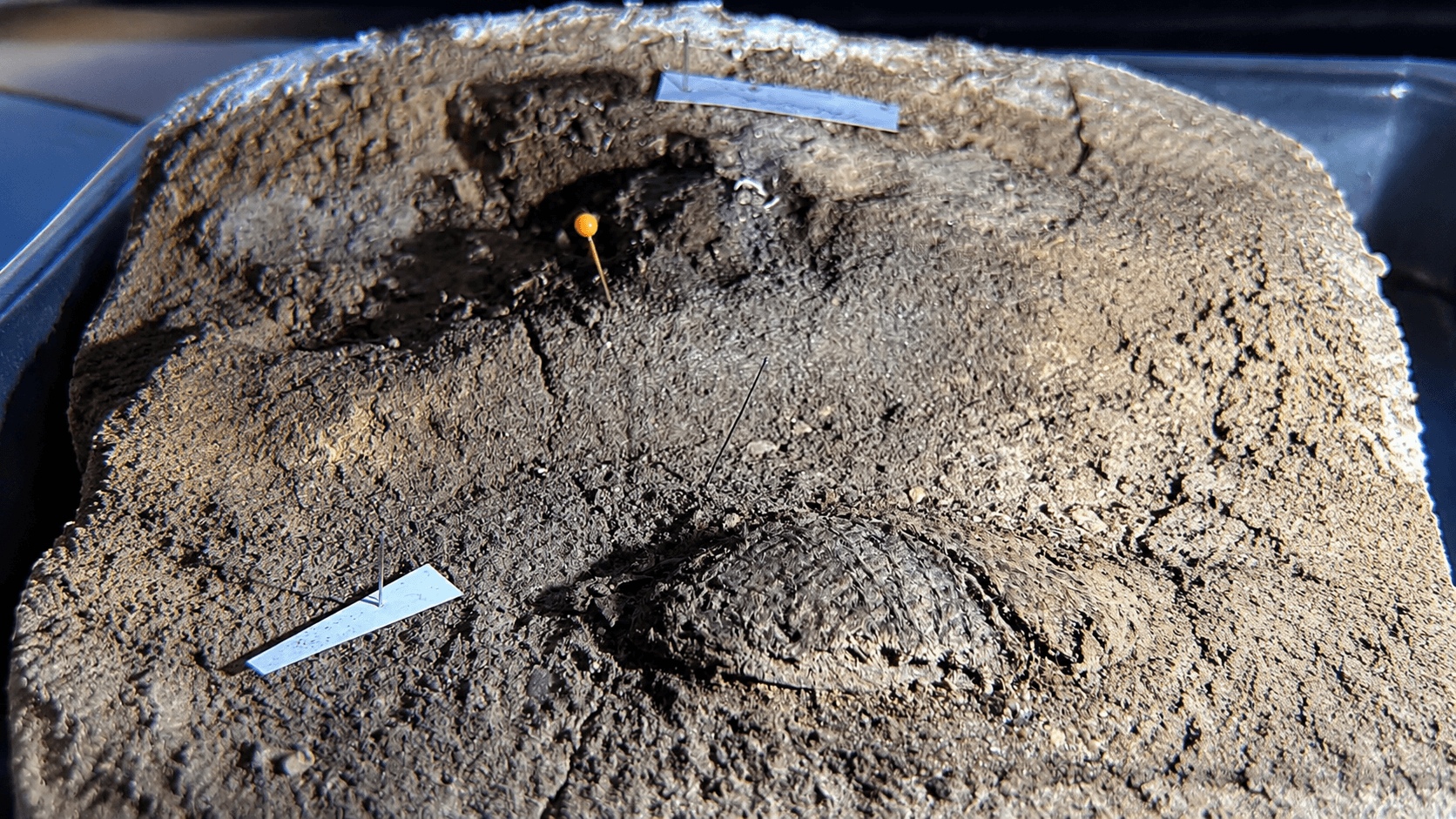
Repaired Viking Brooch Found with Rare 1,300-Year-Old Clothing in a Child’s Grave
A child buried in western Denmark during the Viking Age was laid to rest wearing two oval brooches that preserved fragments of wool and linen clothing. One of the brooches had been repaired before the burial, raising the possibility that it was already an old or valued possession. The grave was excavated in 2024 at…
-
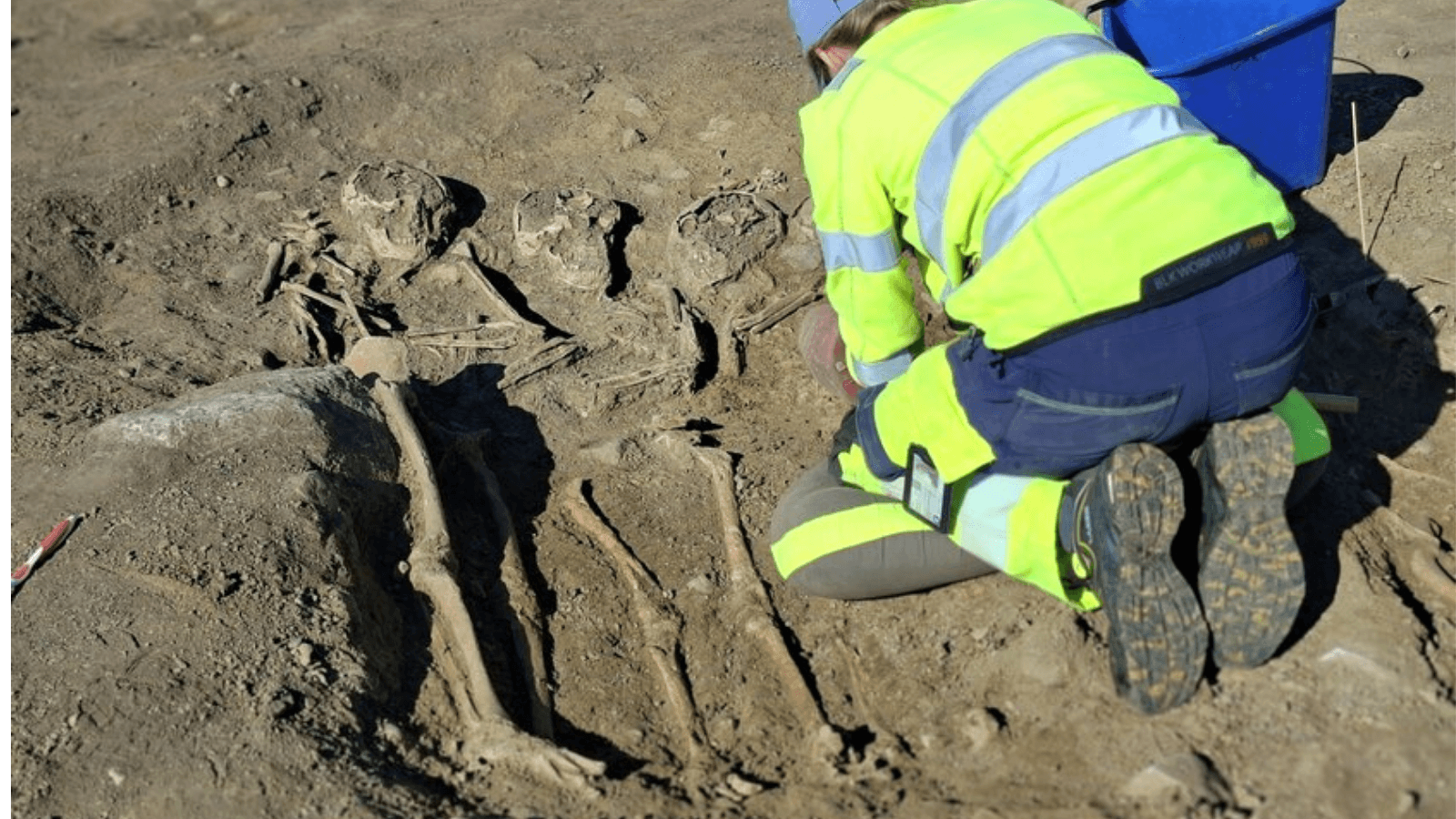
1,000-Year-Old Christian Cemetery in Norway Reveals Unusual Multiple Burials
Archaeologists investigating a 1,000-year-old Christian cemetery in Norway have uncovered 15 skeletons, including adults and children. Several of the graves contain two or more people, making the burial ground at Valum unusual for an early medieval rural community. One grave at Valum, near Hamar, held four individuals placed closely together, while others contained three or…
-
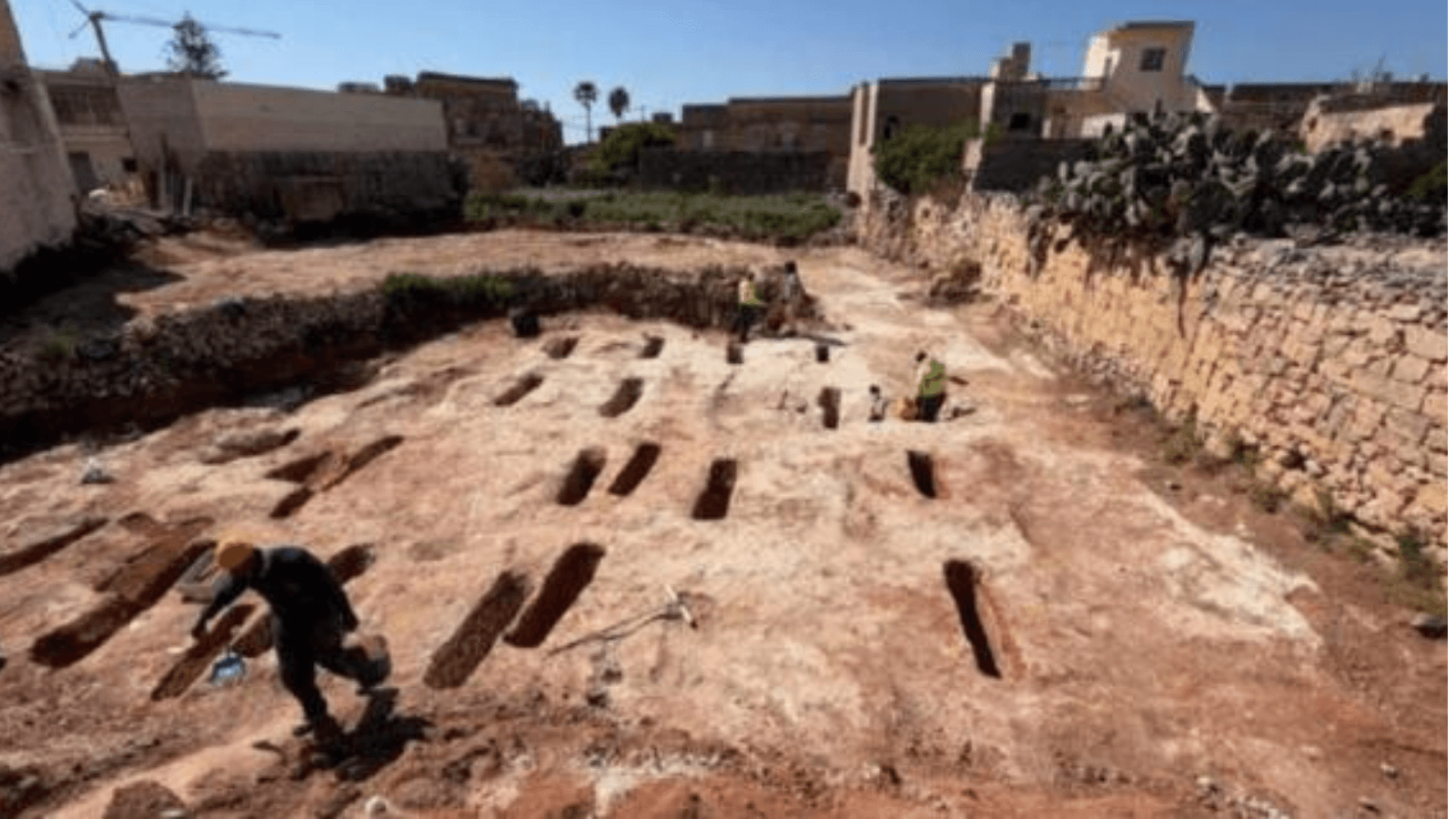
Cemetery Older Than Malta’s Megalithic Temples Discovered in Xagħra
A prehistoric cemetery in Xagħra, on the Maltese island of Gozo, has yielded at least eight tombs containing human remains and pottery dating back around 6,000 years. The cemetery belongs to the Żebbuġ Phase, approximately 4100–3800 BC. That places it at the beginning of Malta’s Temple Period, before the construction of the monumental stone buildings…
-
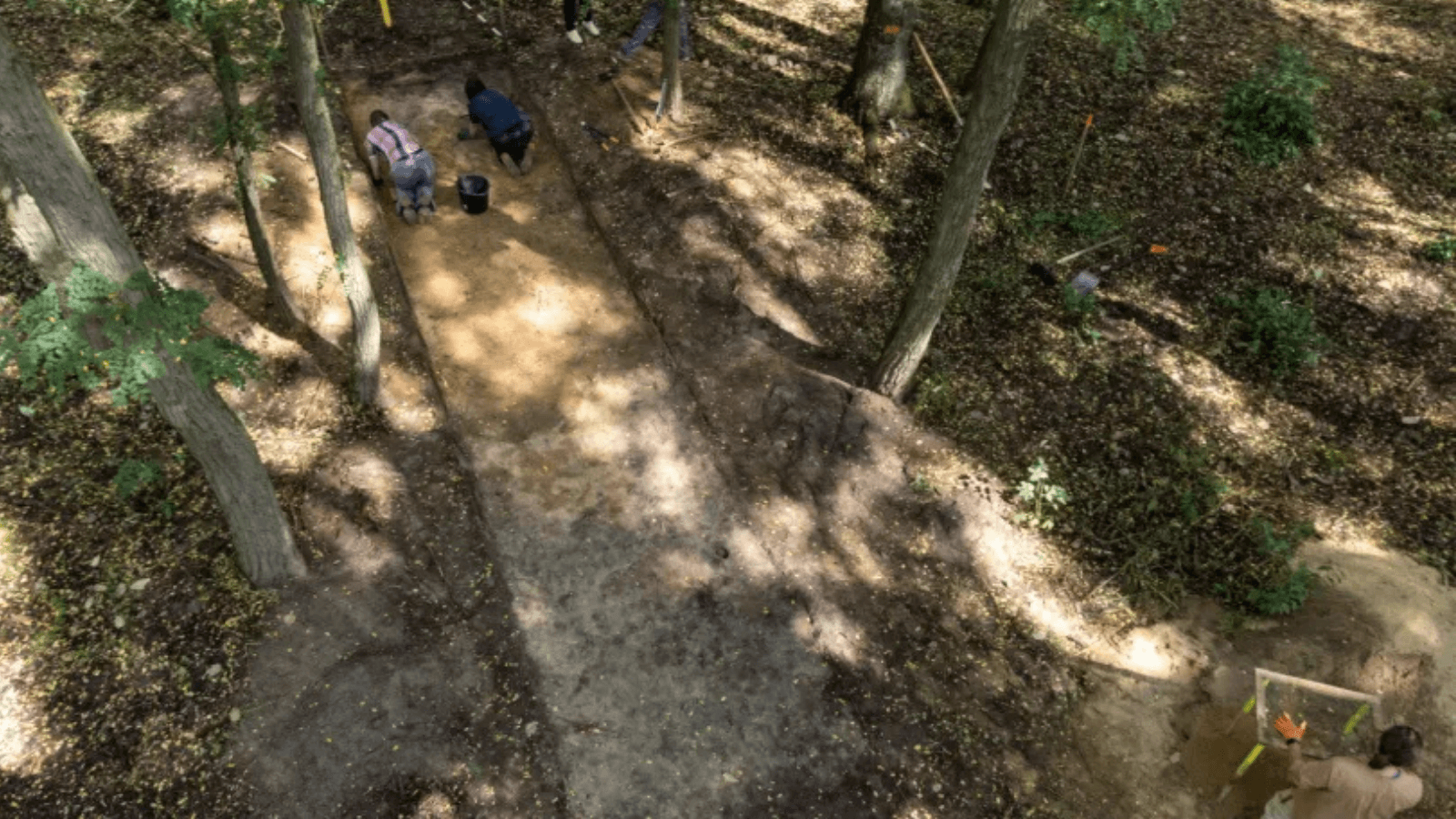
Archaeologists Discover a 5,500-Year-Old Monument Hidden Beneath a Polish Forest
Archaeologists have identified a monument hidden beneath a Polish forest as a 5,500-year-old earthen tomb built by a Neolithic farming community. Archaeologists working at the edge of a long-established forest in the Greater Poland region have uncovered sections of a stone-lined earthen structure associated with the Funnel Beaker culture. The evidence confirms that the mound…
-

6,500-Year-Old Czech Sanctuary Tracked the Sun and Moon 1,000 Years Before Stonehenge
More than 6,500 years ago, prehistoric communities in what is now the Czech Republic created a vast circular sanctuary whose entrances appear to have been deliberately arranged around important movements of the Sun and Moon. Archaeologists led by the University of West Bohemia say the monument near Chleby in Central Bohemia is one of the…
-

From a Neanderthal Handaxe to a ‘Princely’ Horse Burial: New Map Reveals More Than 36,000 Years at Sizewell C
A rare Neanderthal handaxe, Roman industrial remains and large Anglo-Saxon cemeteries may appear to belong to entirely different archaeological stories. Yet all of them have emerged from the same landscape in Suffolk, where Sizewell C archaeology is revealing evidence of human activity stretching back more than 36,000 years. Oxford Cotswold Archaeology (OCA) has now launched…