-
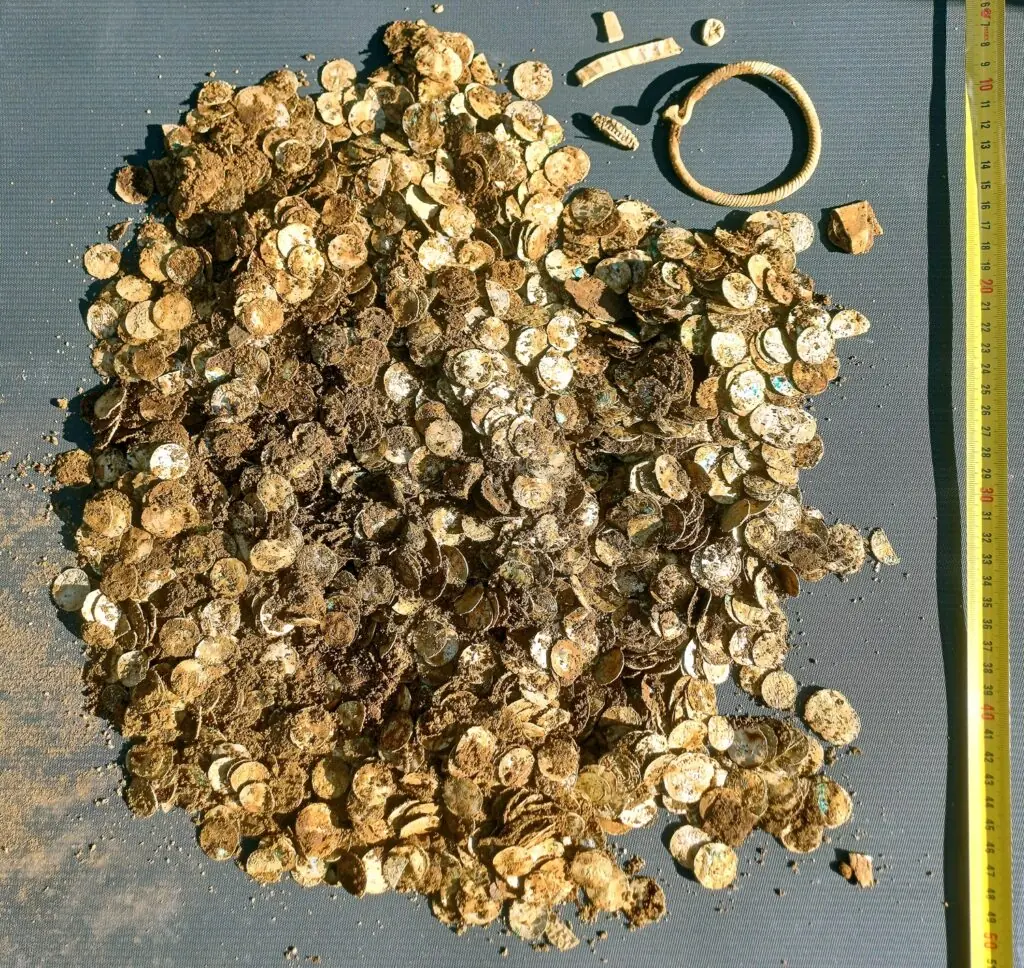
Thousands of Viking Age Silver Coins Unearthed in Finland’s Largest Hoard
A metal detectorist has uncovered Finland’s largest known Viking Age coin hoard, revealing thousands of silver coins buried near the town of Sysmä. The coins have a preliminary total weight of approximately 4.5 kilograms, more than twice that of the country’s previous record-holding find. The discovery is still largely concealed beneath soil and corrosion. Because…
-
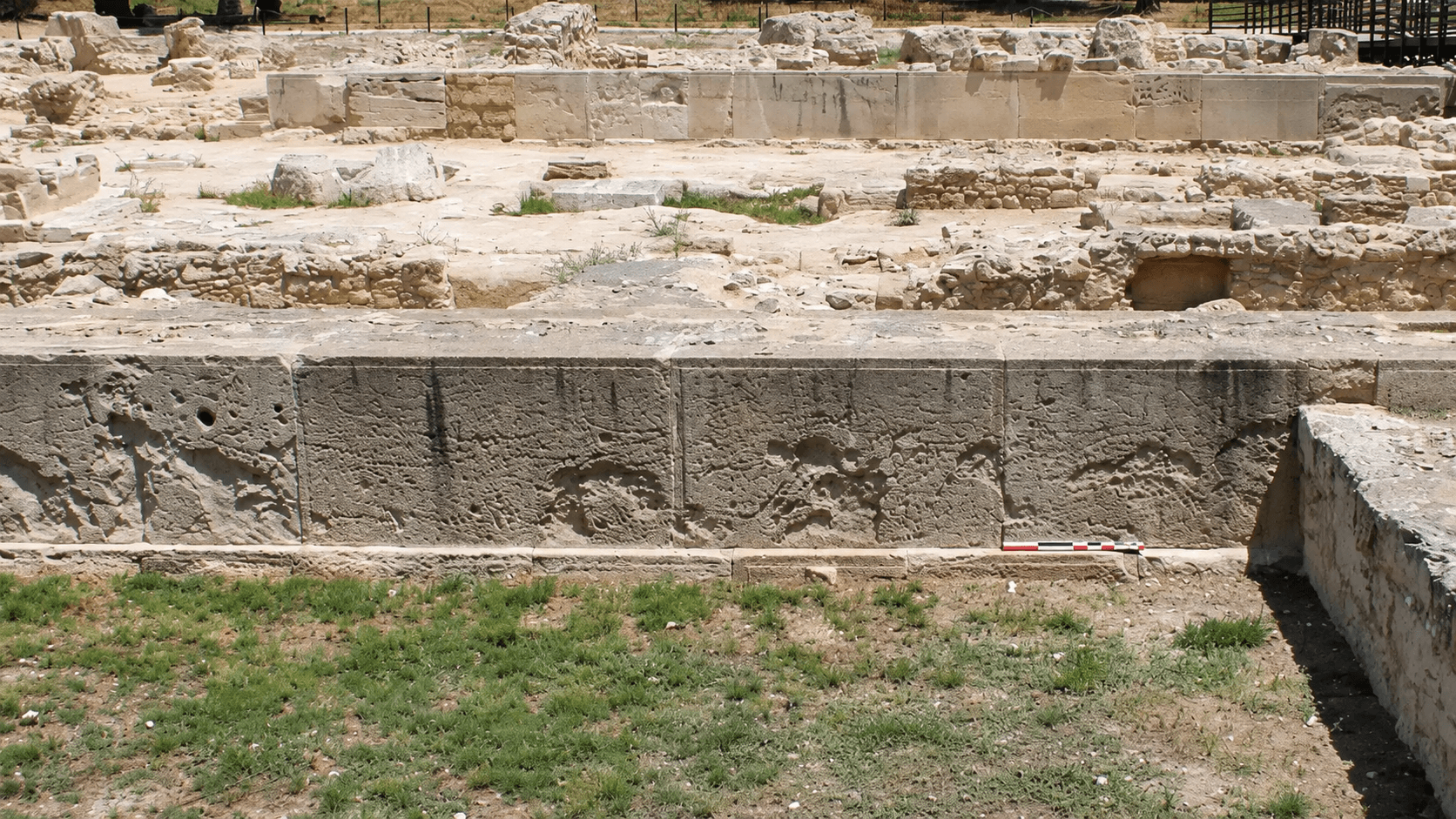
Ancient Ship Carvings Turn a Cyprus Temple Wall Into a Maritime Archive Built Over Centuries
Dozens of ancient ship carvings appear to sail across the weathered sandstone blocks of a monumental temple in Cyprus. Some consist of little more than a hull, while others preserve masts, rigging, oars and distinctive projections at the bow. These images at Kition Kathari in modern Larnaka were already known to archaeologists. A new study…
-
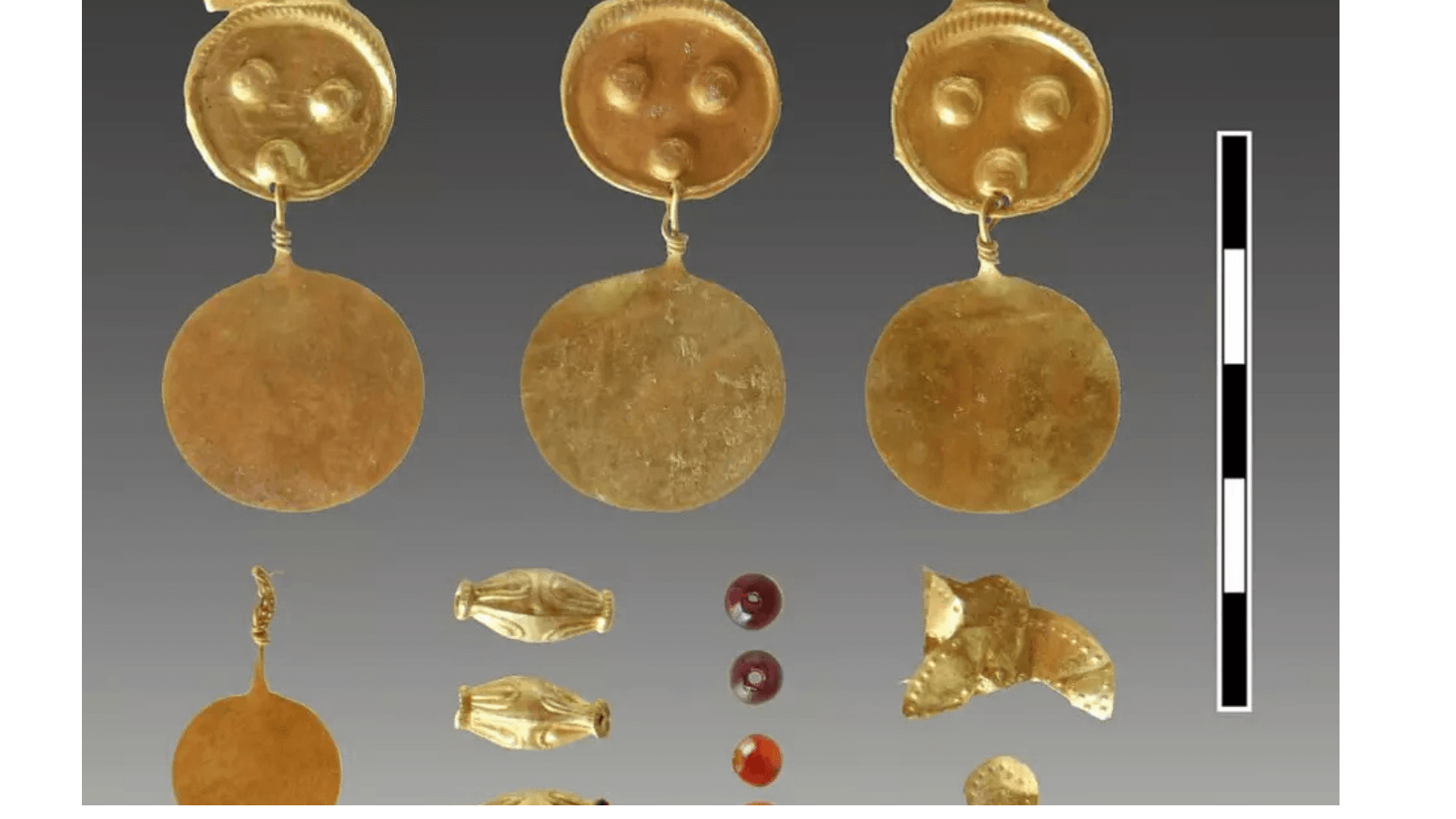
3,500-Year-Old Gold Jewels Found on Aegina May Unlock a Mystery in the British Museum
A group of 3,500-year-old gold jewels unearthed on the Greek island of Aegina may offer something that one of the British Museum’s most enigmatic Bronze Age collections has lacked for more than a century: a reliable archaeological context. The 32 gold and semi-precious stone objects were discovered during the 2025 excavation season at Kolona, a…
-
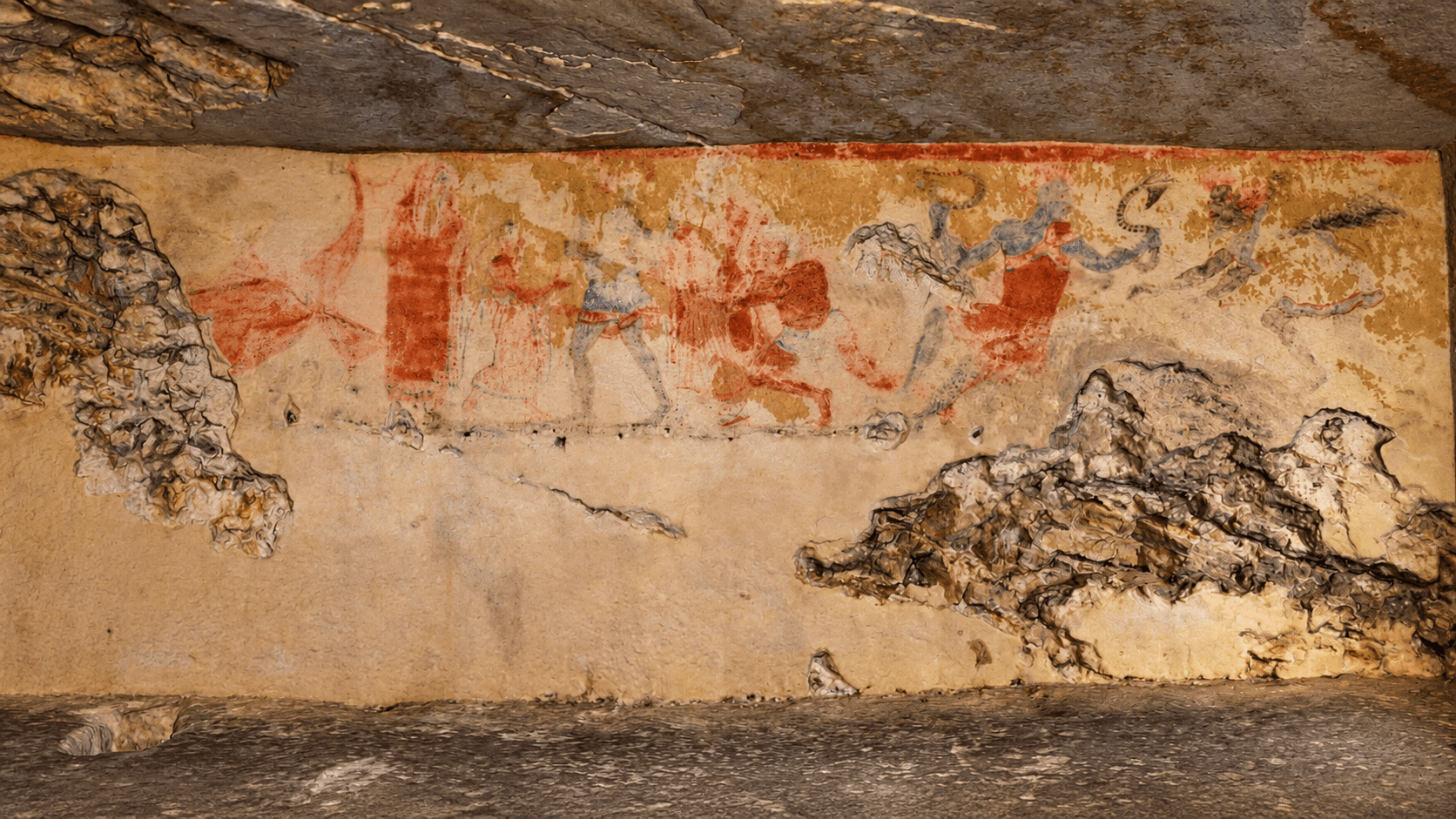
A 2,400-Year-Old Etruscan Tomb Echoed Like a Cathedral and May Have Altered the Senses
Anyone descending into the Etruscan Tomb of the Blue Demons would have left daylight behind and entered a chamber of flickering illumination, distorted voices and painted supernatural figures. At the rear of the tomb, low-frequency sounds could reverberate for more than seven seconds, making their source difficult to locate and allowing the echoes to be…
-
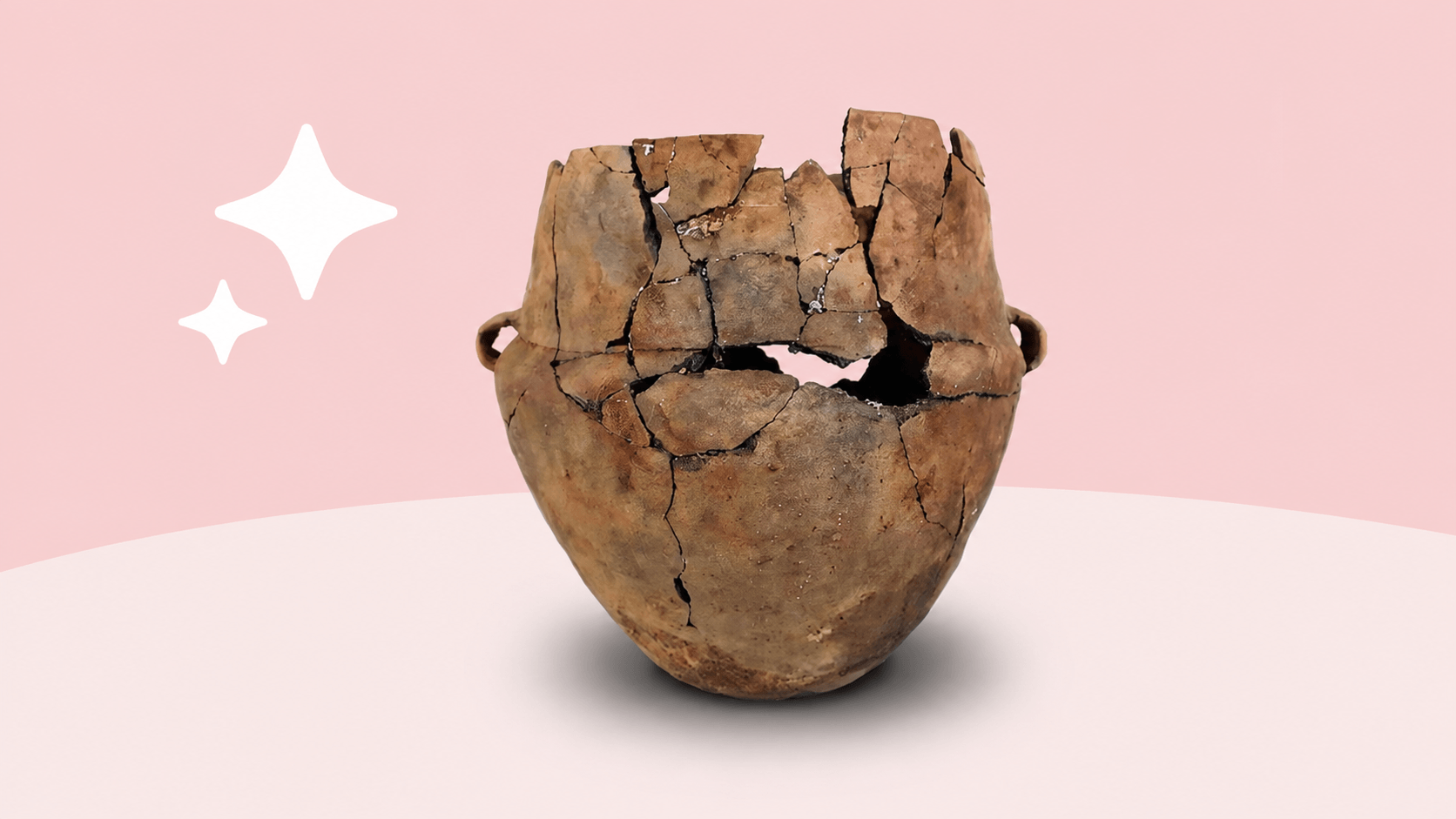
3,000-Year-Old Stone Grave Shaped Like a Ship Discovered in Sweden
Archaeologists in southern Sweden have uncovered a prehistoric burial site where stones were arranged to form the outline of a small ship. No actual vessel was found, but the approximately three-metre-long stone setting contained one of four remarkably well-preserved cremation urns recovered at the site. The burial complex was discovered near Domsten, north of Helsingborg,…
-

Ancient Greeks Were Eating Cheesecake Long Before New York
More than 2,000 years before New York cheesecake became famous, ancient Greeks were already preparing cheese-rich cakes sweetened with honey. A related Roman recipe recorded by Cato the Elder called for the cake to be covered with honey and scattered with poppy seeds before serving. These early creations would not have looked or tasted exactly…
-
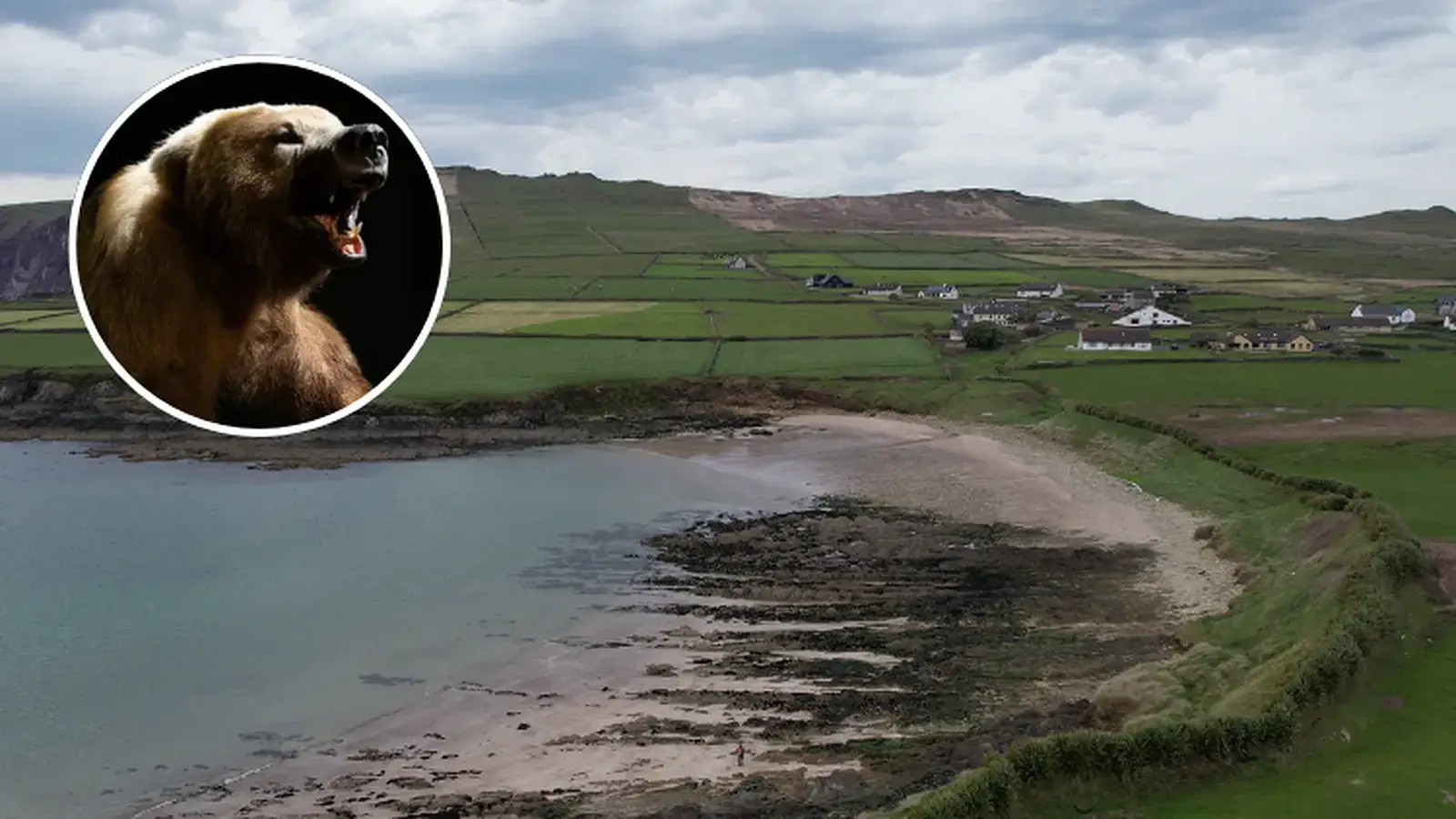
Ireland’s Famous ‘Kerry Cow’ Was Never a Cow — And Its True Identity Changes a Prehistoric Story
For more than three decades, a handful of bone fragments from a windswept cove in western Ireland appeared to preserve evidence of a remarkable prehistoric encounter. They were thought to show that domesticated cattle—and perhaps the first farmers—had reached Ireland before agriculture became established on the island. The celebrated “Kerry Cow,” however, was never a…
-
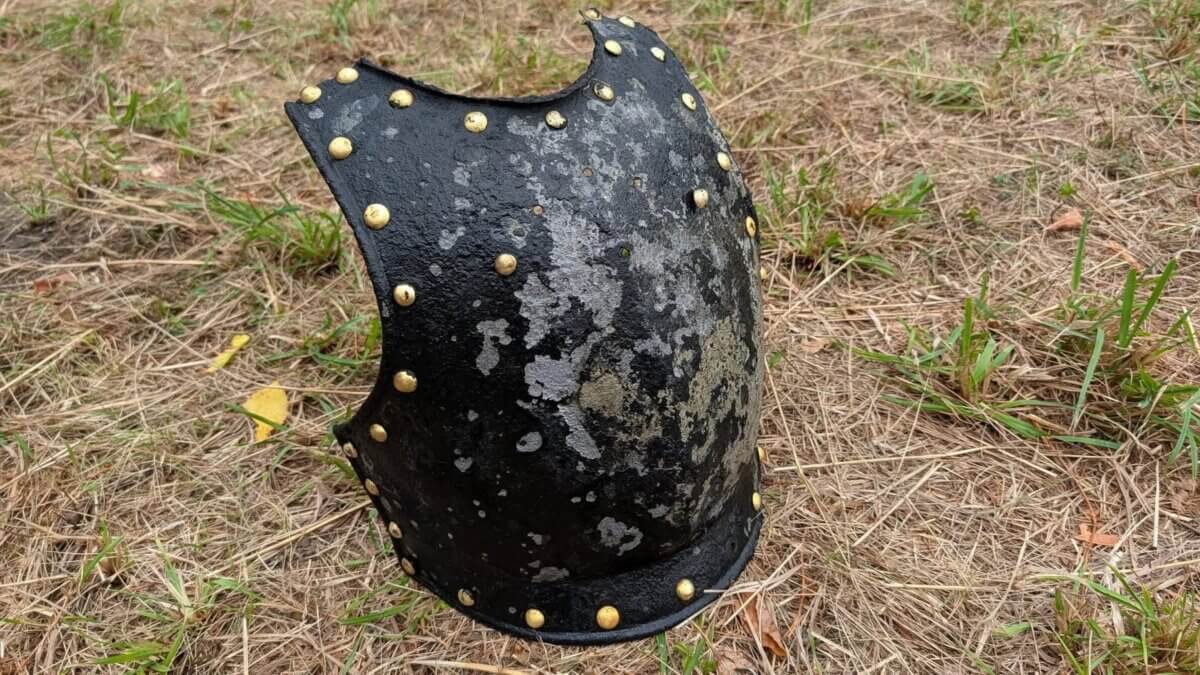
19th-Century Cavalry Armour Emerges from the Moat of the Palace Where Napoleon Made His “Greatest Mistake”
A 19th-century cavalry breastplate has emerged from the mud-filled moat of Pielaszkowice Palace in southwestern Poland, a residence closely associated with the armistice that Napoleon Bonaparte later regarded as one of the greatest mistakes of his life. The metal armour was discovered by Wiesław Andrysiak of the DRACO History Explorers Association, who reportedly sank waist-deep…
-
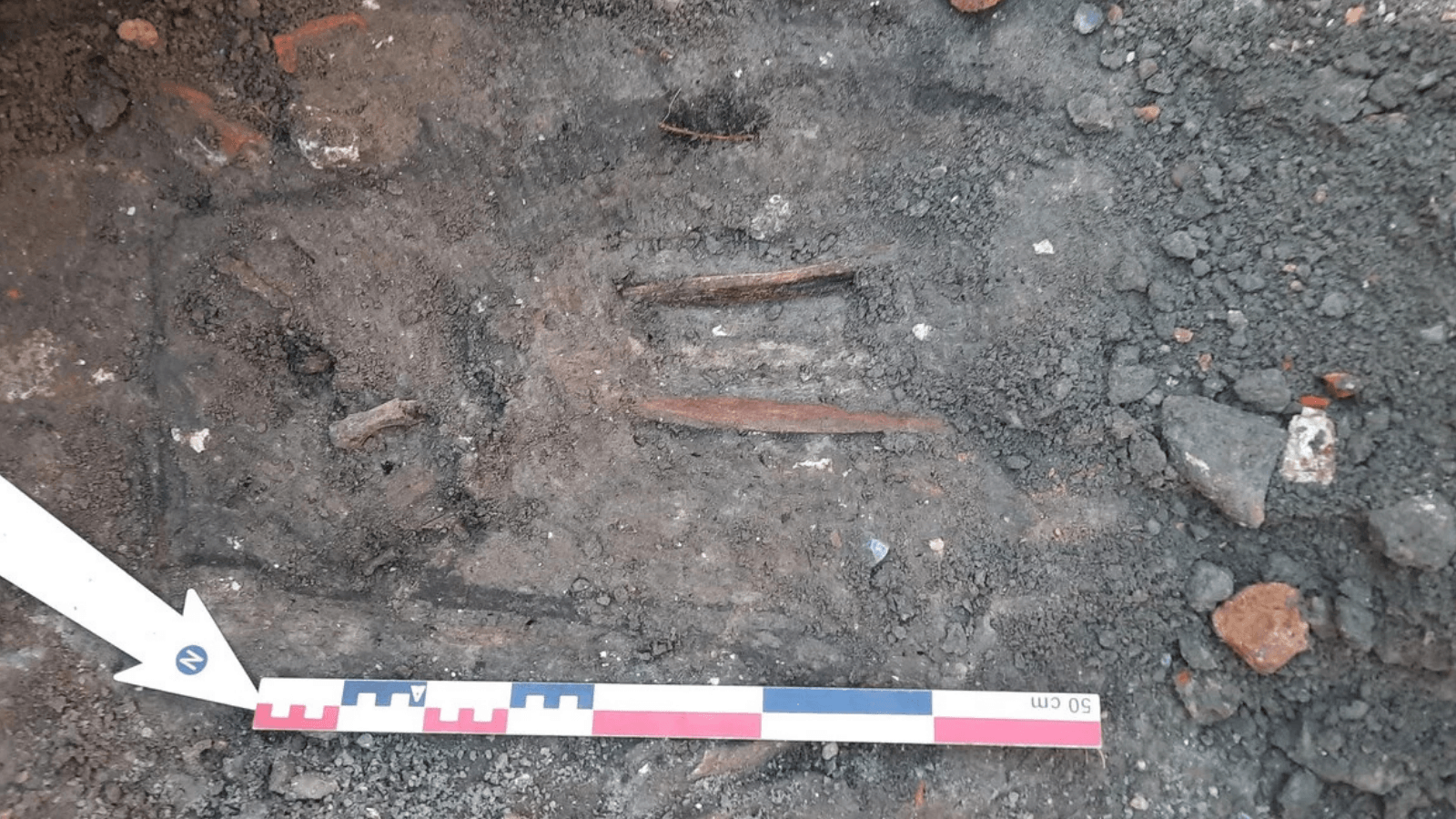
Archaeologists Open a Small Test Pit in Ghent and Find Five Layers of Medieval Burials
A two-square-metre test pit opened beside St James’ Church in Ghent has exposed four well-preserved burials at a depth of 1.3 metres. Further investigation indicates that five burial levels lie beneath this small section of the Vlasmarkt, where archaeologists estimate the remains of at least 240 people may survive within an area of just 23…