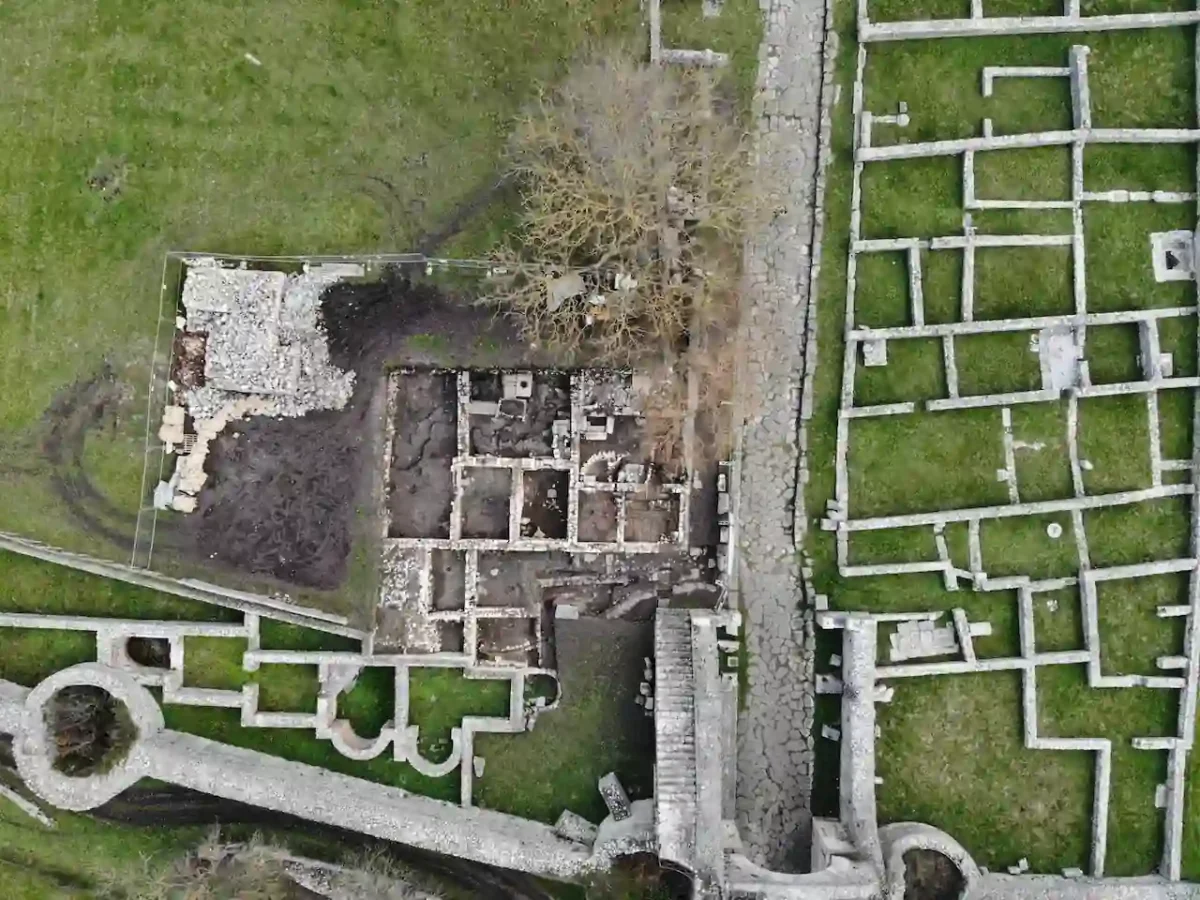
A large Roman house equipped with an advanced hot-water system—and a hidden coin hoard dating to the Byzantine era—has been uncovered in the ancient city of Saepinum in southern Italy, offering a striking new perspective on how this settlement evolved long after the peak of Roman power.
The discoveries come from a new phase of excavations carried out between 2023 and 2025 at Altilia, where archaeologists are gradually revealing a more complex and long-lived urban landscape than previously understood.
A Monumental Residence with a Long Life
At the heart of the findings is a monumental domus located near Porta Bojano, with an entrance opening directly onto the city’s main east–west street, the decumanus.
But its true significance lies in its timeline. The structure was not a short-lived elite residence—it remained in use and was repeatedly modified from the early Imperial period through to the 6th century AD.
Over time, parts of the house were repurposed. What had once been refined living spaces gradually shifted toward storage and productive functions, reflecting a broader transformation in the city itself rather than a sudden abandonment.
Archaeological evidence suggests the building extended well beyond the currently excavated area, confirming earlier geophysical surveys that pointed to a residence of considerable scale—comparable to high-status urban houses in central Italy.
Luxury and Engineering Inside the Home
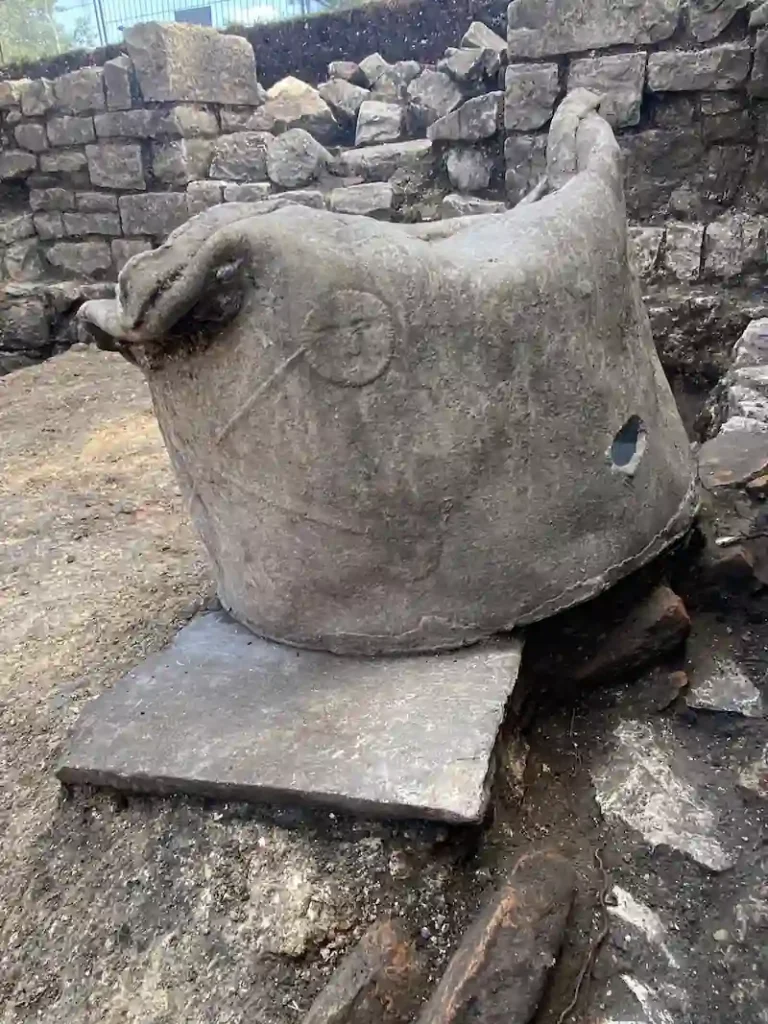
One of the most remarkable discoveries is a large cylindrical lead container, part of a domestic system designed to produce hot water.
Decorated with solar motifs and Gorgon heads, and found alongside fragments of pipes and valves, the installation offers rare, tangible evidence of hydraulic technologies used in elite Roman homes. It suggests a level of comfort and technical sophistication not always associated with smaller provincial cities.
The earliest phases of the house are marked by architectural elements and ceramics dating to the Augustan and Tiberian periods, indicating that the residence already held elite status in the 1st century AD.
Later material—including imported African red slip ware—shows that Saepinum was integrated into wider Mediterranean trade networks during the height of the Roman Empire.
Small Objects, Human Stories
Beyond architecture, smaller finds help reconstruct everyday life inside the house.
Archaeologists uncovered terracotta lamps, a rare clay incense burner, small ceramic vessels, bronze rings, and even a tiny key—likely belonging to a personal chest. These objects offer a more intimate view of daily routines, from lighting and storage to personal adornment.
Evidence of Imperial Connections
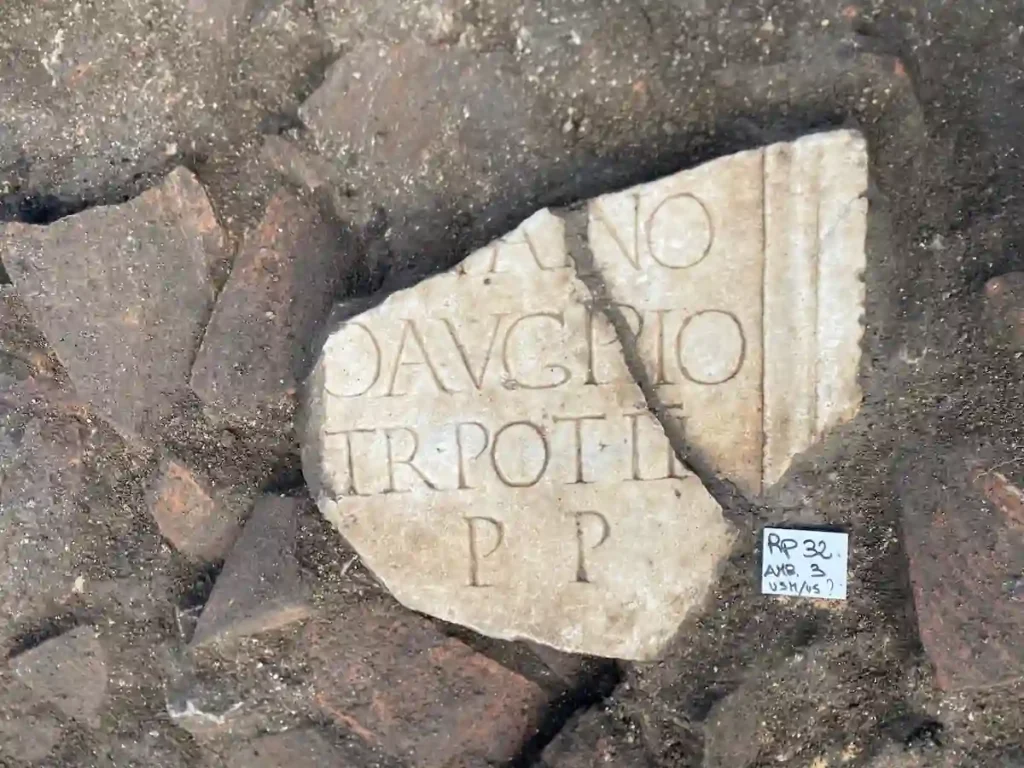
The 2025 excavation season also brought to light fragments of marble architectural decoration and an honorific inscription dated to AD 139, during the reign of Emperor Antoninus Pius.
The inscription points to direct involvement by the imperial administration in the city, suggesting that Saepinum maintained a closer relationship with central Roman authority than previously assumed.
A City That Continued After Rome
Elsewhere in the site, excavations in the area of the cardo maximus, the main north–south street, revealed a long and continuous sequence of use.
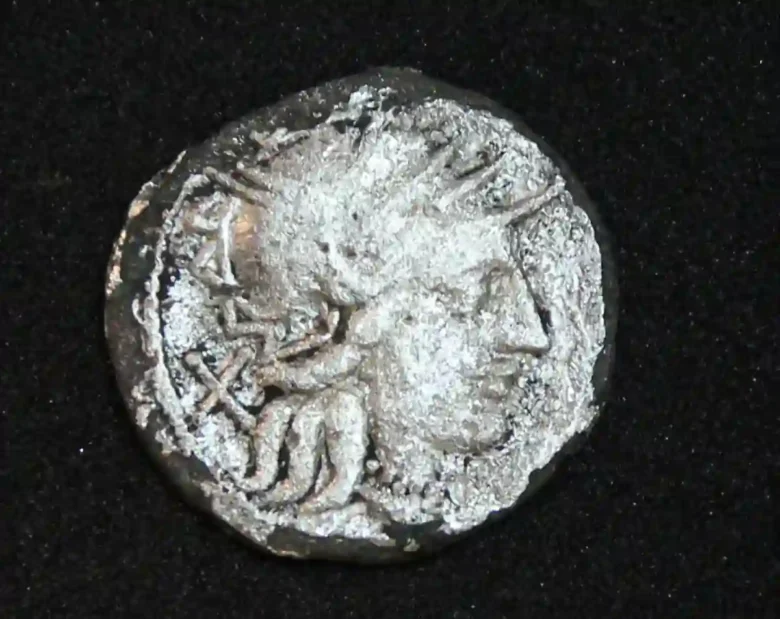
Among the most telling discoveries is a small hoard of coins from the 5th century AD, linked to the Byzantine phase of occupation. Rather than marking decline, the find suggests continuity—evidence that Saepinum remained active and inhabited well beyond the traditional end of the Roman world.
Layers Beneath the Roman City
Research has also resumed in the Forum area, where the study of hundreds of architectural blocks and buried structures is shedding light on earlier phases of the settlement.
Beneath the Roman city lie traces of a Samnite occupation from the Hellenistic period (2nd–1st century BC), along with structures likely associated with productive activities such as wool processing. These findings help clarify the transition from a pre-Roman settlement to a fully developed Roman urban center.
A More Complex Urban Story Emerges
Taken together, the discoveries are transforming the image of Saepinum.
Rather than a static Roman town frozen in time, the site now appears as a living city—one that adapted, evolved, and remained inhabited across centuries of political and cultural change.
As research continues, Saepinum is emerging not just as a well-preserved archaeological site, but as a key case study in understanding how Roman cities functioned, transformed, and endured.
Cover Image: General view of the ongoing excavations at Saepinum. Credit: Italian Ministry of Culture