-
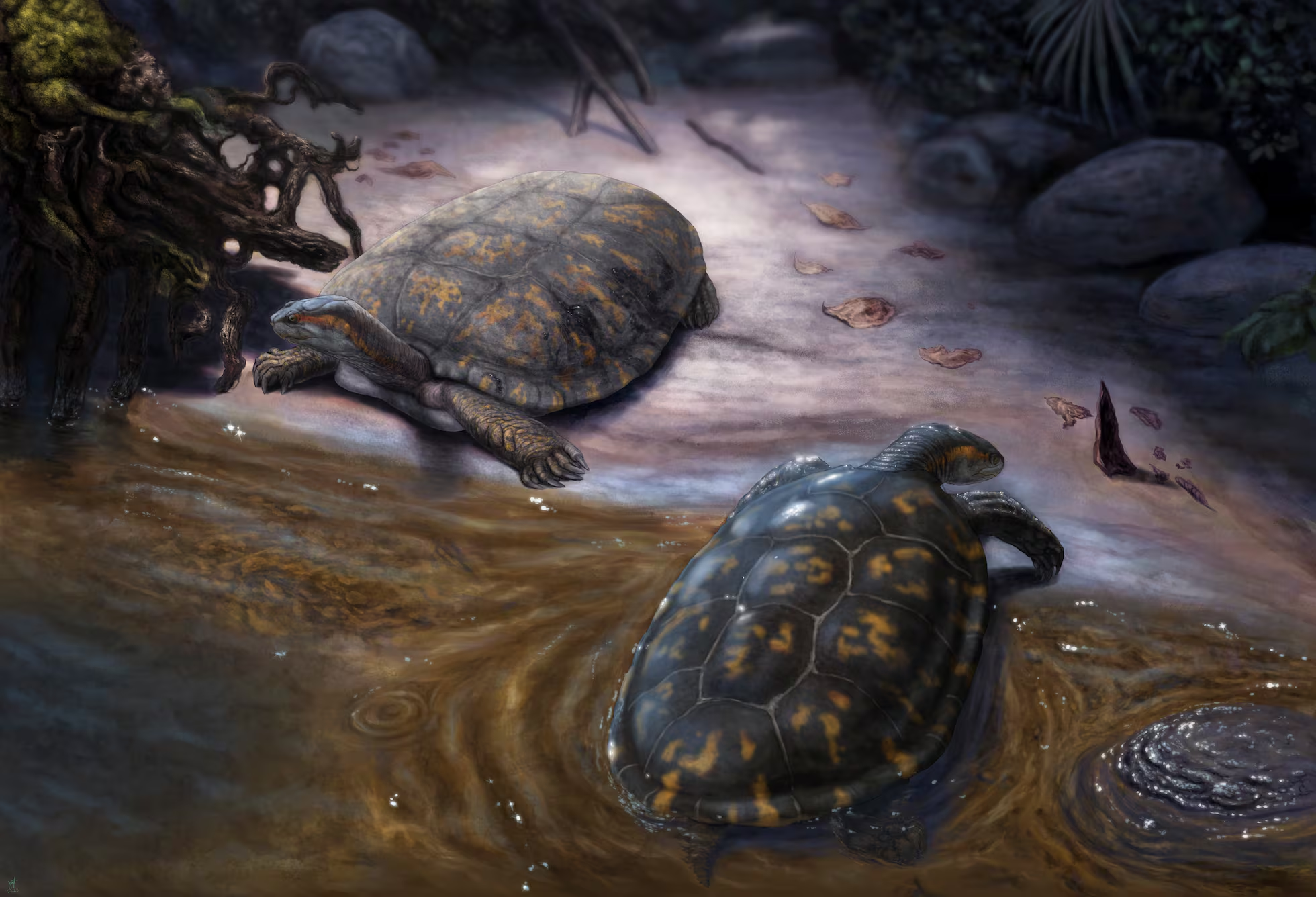
A New Miocene Turtle Named Shakiremys colombiana Reveals a Surprising Evolutionary Link in Northern South America
A newly described fossil turtle from central Colombia is reshaping what scientists know about the evolutionary pathways of South America’s freshwater turtles. The species, now formally named Shakiremys colombiana, lived roughly 13 million years ago during the Middle Miocene—a period when the region around today’s Tatacoa Desert was a labyrinth of lakes, floodplains, and interconnected…
-
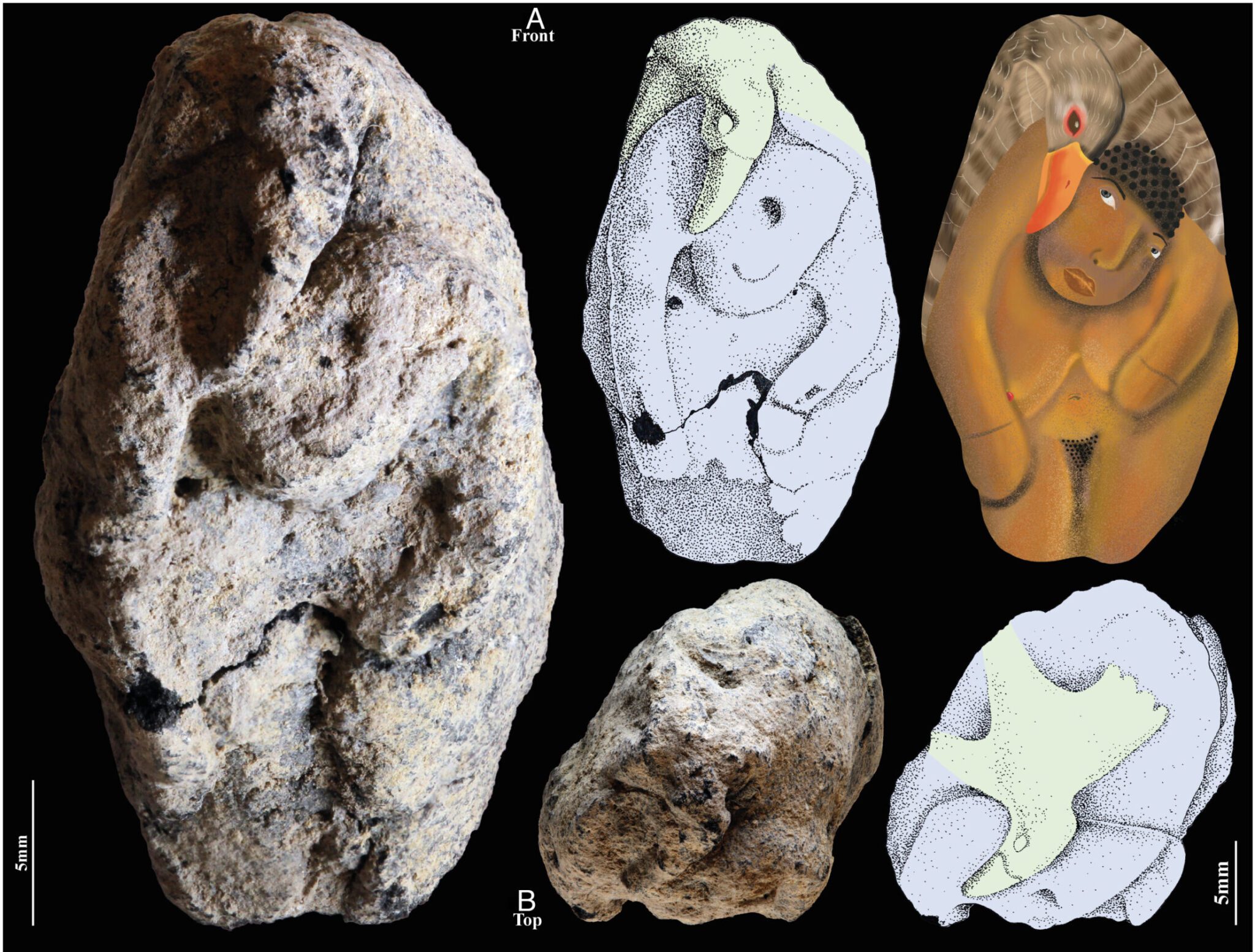
Long Before Zeus and Leda: Natufians Crafted a 12,000-Year-Old Scene of a Goose Mating With a Woman
The famous myth of Zeus seducing Leda may dominate classical imagination, but the idea of human–bird unions turns out to be far older — and far more grounded in prehistoric reality. A newly analyzed fired-clay figurine from northern Israel shows that Natufian hunter-gatherers were modeling such entanglements 10 millennia before Greek poets put stylus to…
-
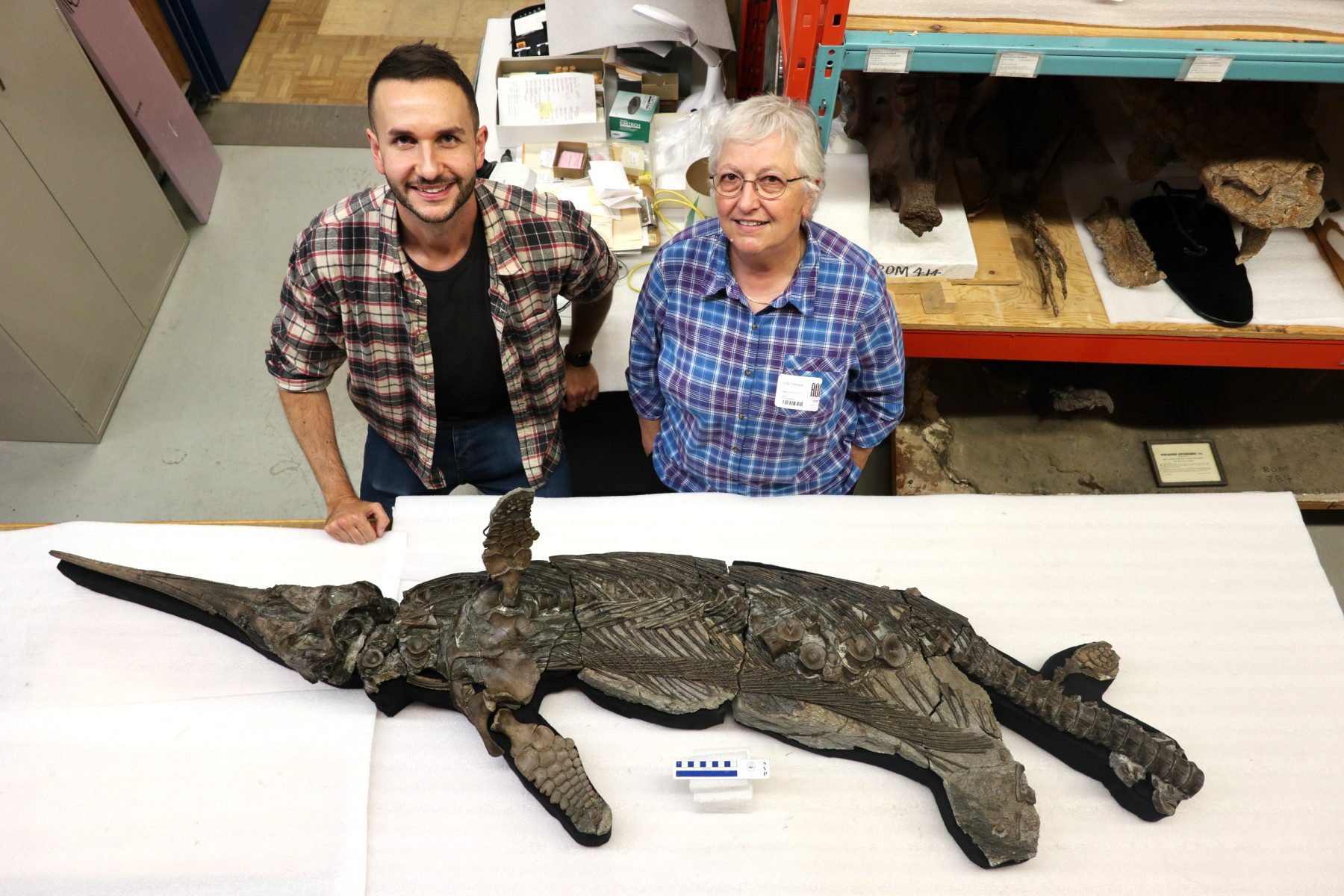
“Sword Dragon” Unearthed on England’s Jurassic Coast — New Ichthyosaur Species Rewrites 190 Million Years of Ocean History
A near-complete marine reptile discovered on England’s famous Jurassic Coast has been identified as a new species of ichthyosaur, a dolphin-shaped predator that once dominated the ancient seas. Named Xiphodracon goldencapensis — the “Sword Dragon of Dorset” — the fossil is the first new Early Jurassic ichthyosaur genus described from the region in over a…
-
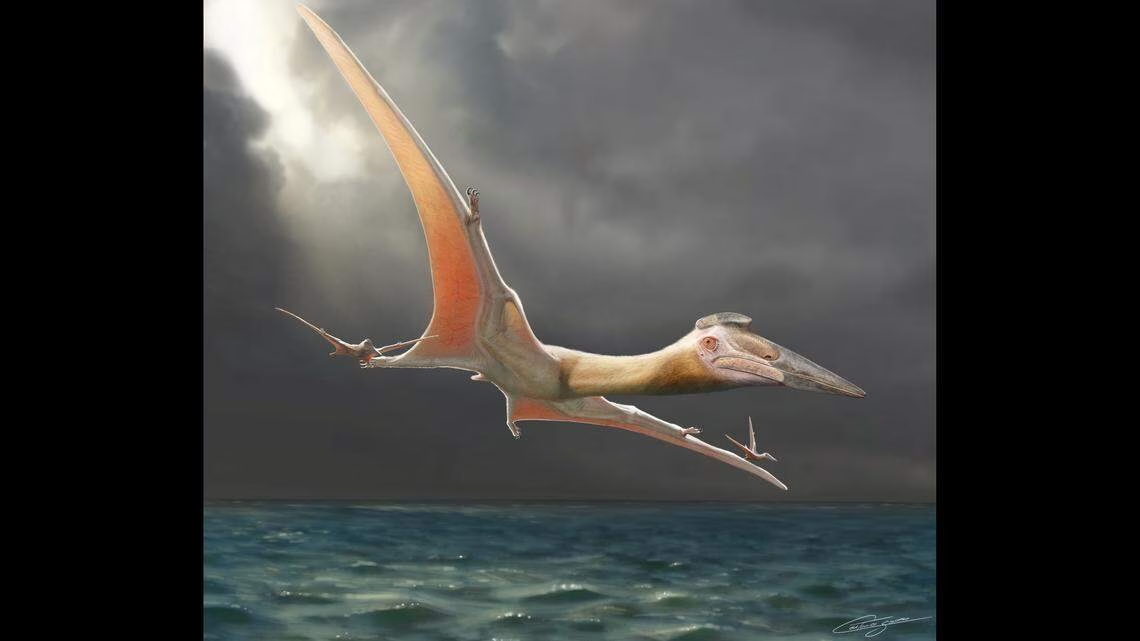
First-Ever Pterosaur Fossil Found in Syria Belonged to a 10-Meter-Winged Giant
A massive flying reptile that once ruled the Late Cretaceous skies has been identified in Syria — the first pterosaur fossil ever found in the country. The discovery reveals that these enormous airborne predators, some with wingspans rivaling small aircraft, once soared above what is now the Middle East. The fossil, a fragment of the…
-
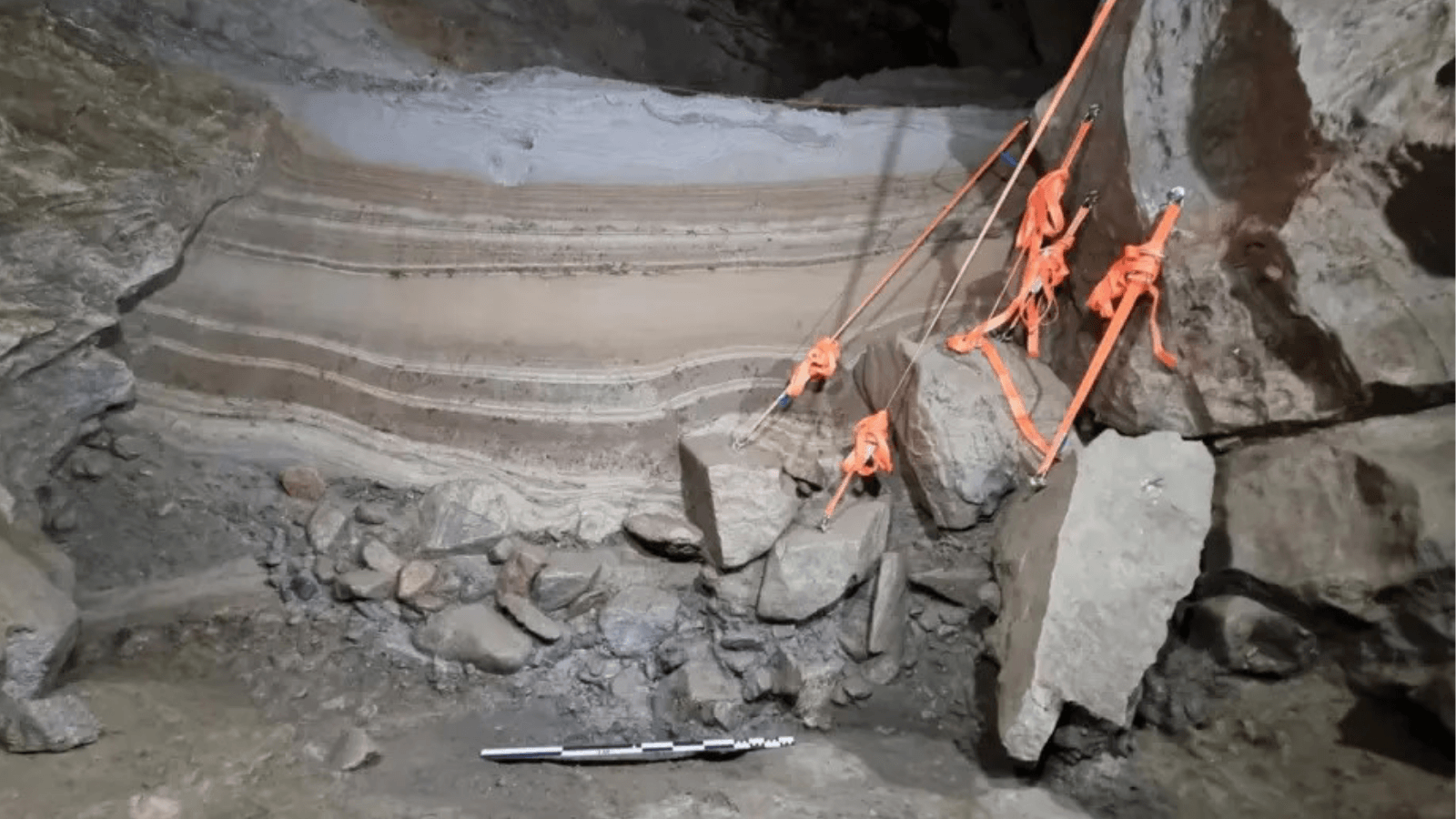
75,000-Year-Old Norwegian Cave Reveals 46 Types of Ice Age Animals and Lost Genetic Lineages
A Norwegian cave has preserved the remains of 46 types of animals that lived in the European Arctic around 75,000 years ago, providing an exceptionally rare glimpse of wildlife during the last glacial period. The discovery at Arne Qvamgrotta, part of the Storsteinhola cave system, represents the oldest preserved faunal assemblage known from the European…
-
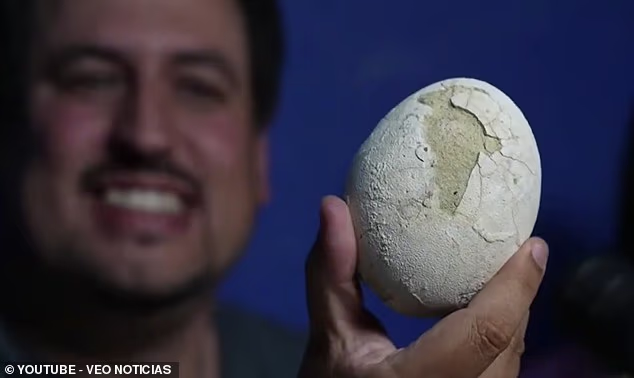
Exceptionally Preserved 70-Million-Year-Old Dinosaur Egg Unearthed in Patagonia Could Contain Embryo
What looks like a freshly laid egg has turned out to be a 70-million-year-old relic of the Cretaceous world. Unearthed in the arid expanse of Rio Negro, northern Patagonia, this remarkably intact dinosaur egg may hold embryonic material — a potential window into the reproductive secrets of predatory dinosaurs. Argentine paleontologists have announced the discovery…
-
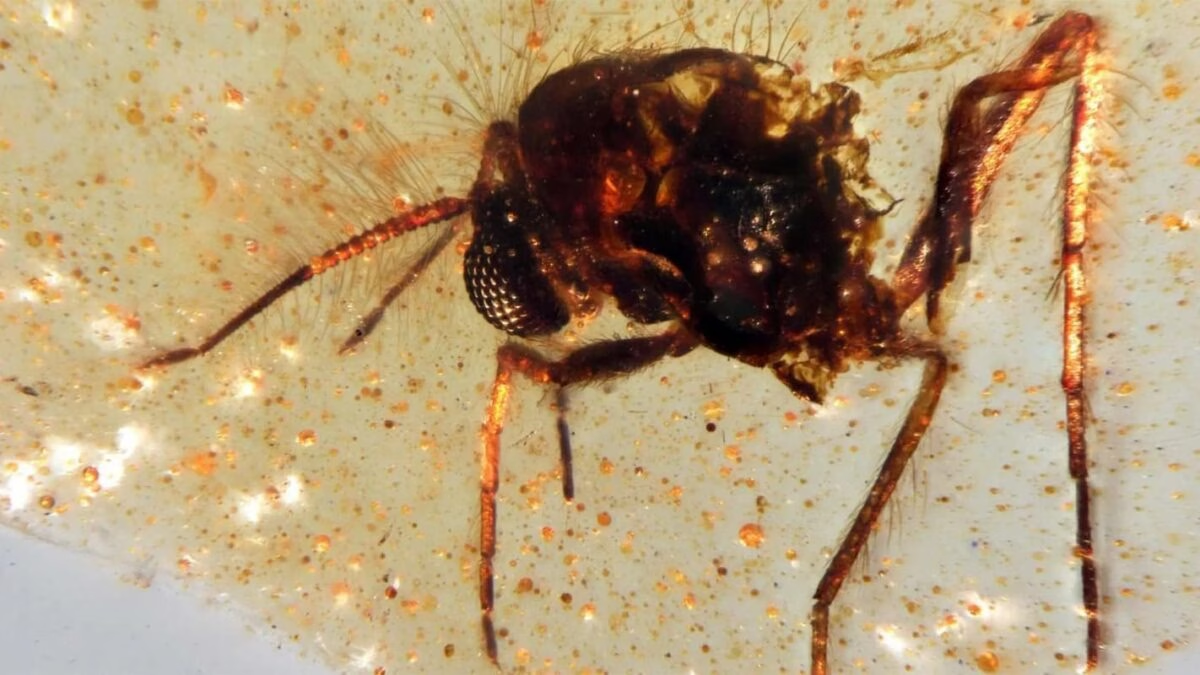
Cretaceous “Time Capsule” Found in Ecuador: Amber Preserves 112-Million-Year-Old Insects and Fossilized Spider Web
A team of international researchers has uncovered a remarkable amber deposit deep in the Ecuadorian Amazon, preserving a 112-million-year-old forest ecosystem in microscopic detail — a true “time capsule” from the age of the dinosaurs. Published in Communications Earth & Environment, the study documents the first amber with biological inclusions ever discovered in South America,…
-
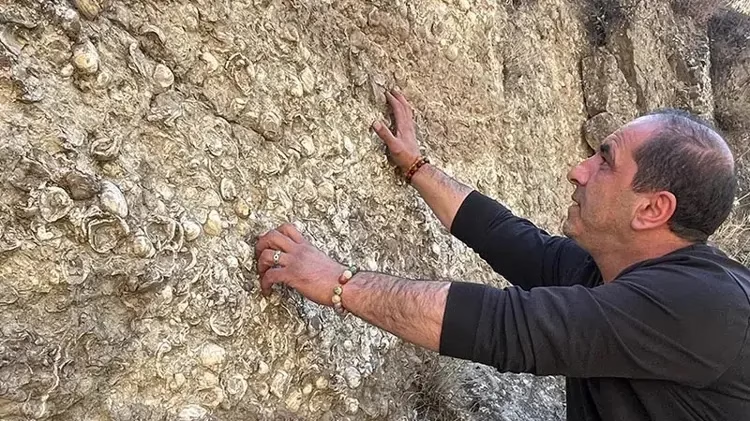
From Ocean Floor to Mountain Peak: 200-Million-Year-Old Marine Fossils Discovered in Eastern Anatolia
In the highlands of eastern Anatolia, nearly 2,000 meters above sea level, traces of an ancient ocean have surfaced. Researcher Oğuzhan Türk has uncovered a wide range of fossilized marine life — from sea urchins and corals to gastropods and even a possible octopus imprint — in the rugged hills of Erzurum’s Tortum district. According…
-
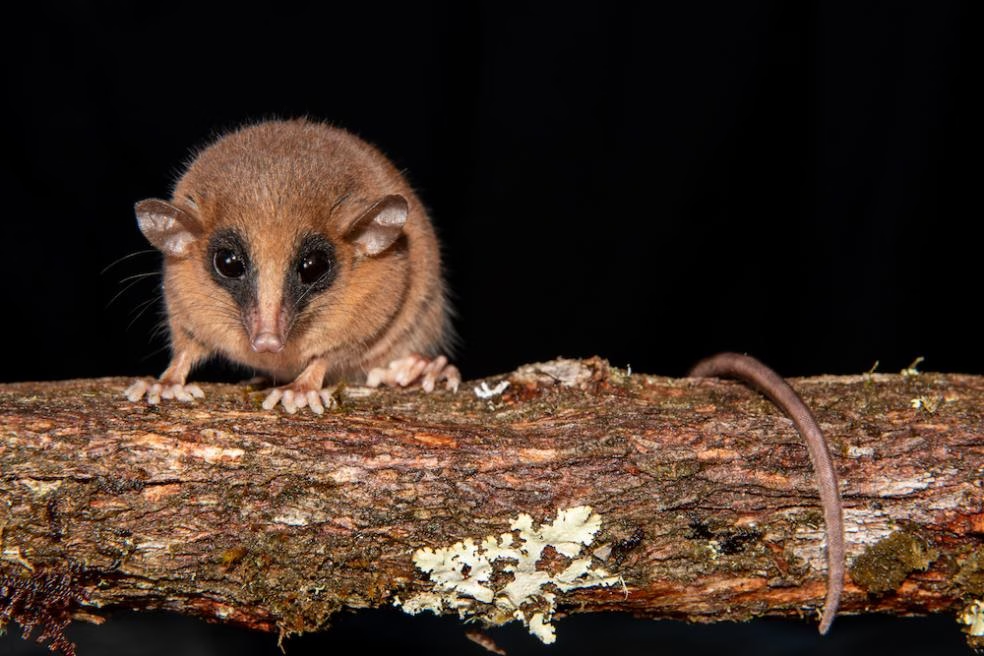
New Opossum Species Identified in Peruvian Andes: Marmosa chachapoya Honors Ancient Culture
A remarkable zoological discovery has emerged from the highlands of Peru. A team led by Cal Poly Humboldt professor Silvia Pavan has identified a previously unknown species of mouse opossum in the cloud forests of the Peruvian Andes. The finding, published in American Museum Novitates, sheds light on South America’s still-hidden biodiversity and links modern…