
The Museum of the Earth in Warsaw has announced an extraordinary discovery in the Vistula River. Marcel Wroński, a fifth-grade student from Zambrowo, found an ancient skull while exploring the river with his mother.
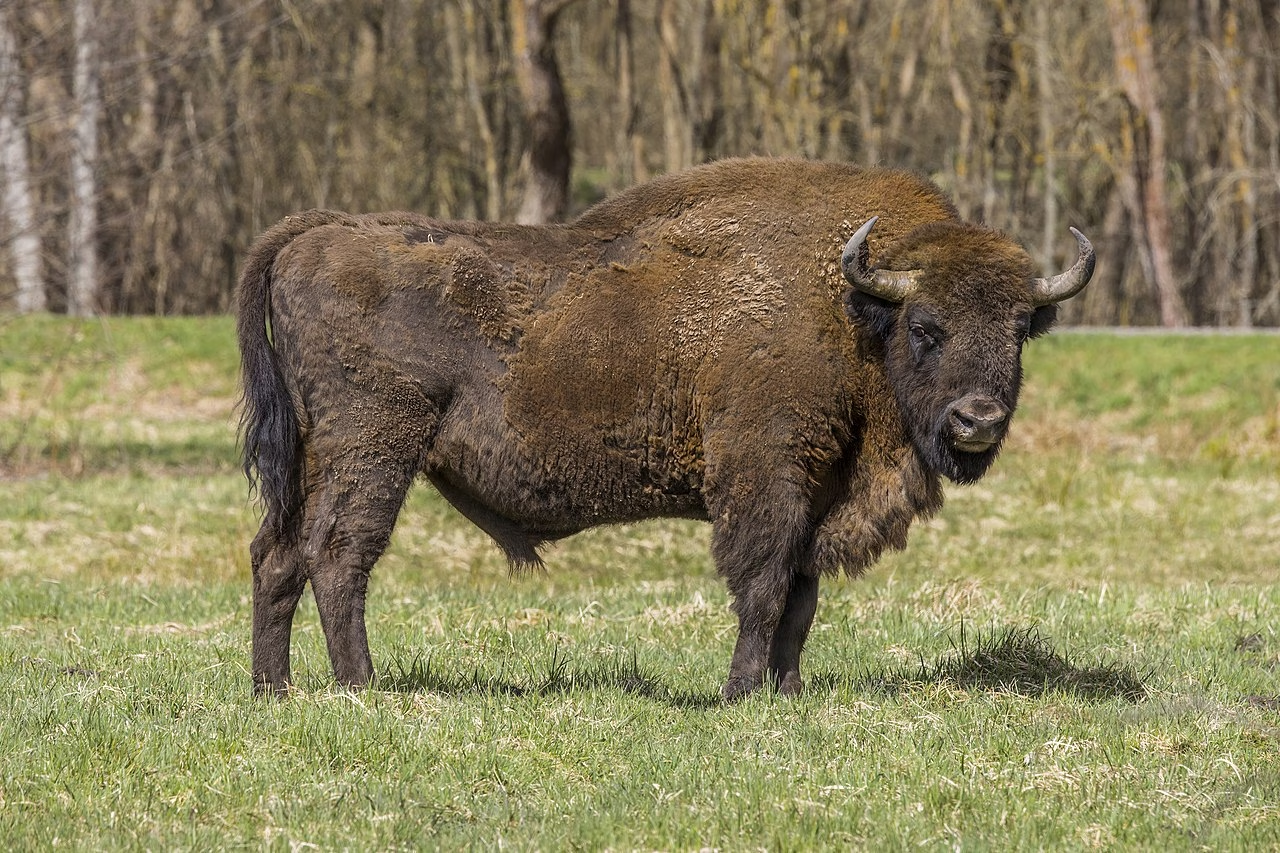
Initially, the skull fragment was believed to belong to the extinct aurochs (Bos primigenius). However, after a detailed examination by museum experts, it was confirmed to be part of a steppe bison (Bison priscus) – the ancestor of today’s European bison.
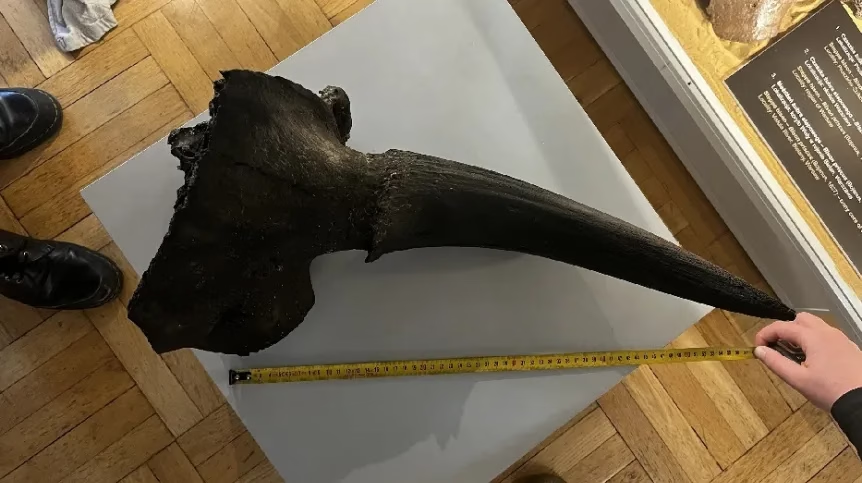
Marcel handed over the rare find to the museum. Officials highlighted that the discovery was made possible due to the low water level in the river and Marcel’s keen observation. The skull will undergo conservation processes before being displayed to the public.
The museum congratulated Marcel, noting, “This discovery shows the importance of young people sharing their findings with experts. Courage in preserving pieces of history is essential for future generations.”
Steppe bison once roamed across Europe during the Pleistocene. Around 120,000 years ago, they interbred with aurochs, giving rise to the modern European bison. A similar discovery was previously made near Bródno Station during the construction of Warsaw’s second metro line.