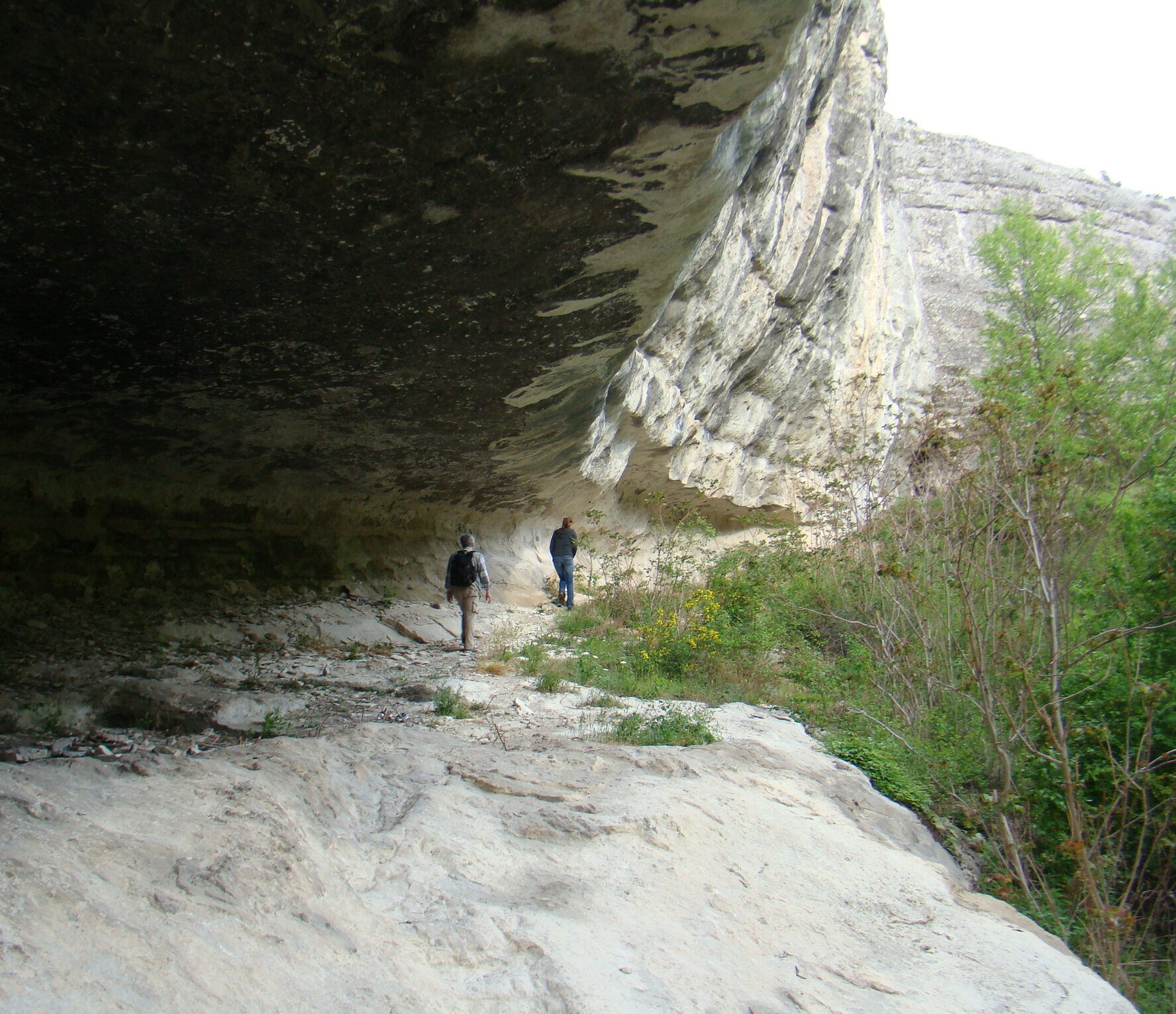
For decades, scientists have been trying to connect the dots between Europe’s fading Neanderthal populations and their eastern relatives in Asia. Now, a single, nearly invisible bone fragment from Crimea has done what entire excavations could not — providing genetic proof that these ancient humans once formed a continuous bridge across continents.
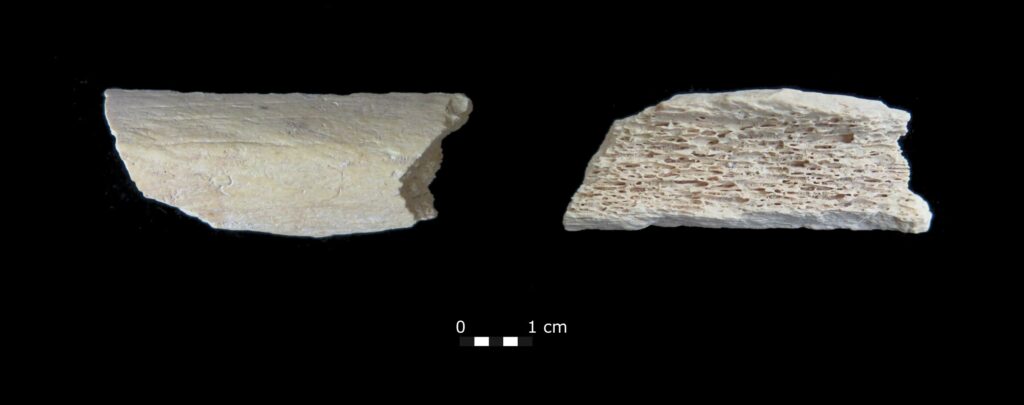
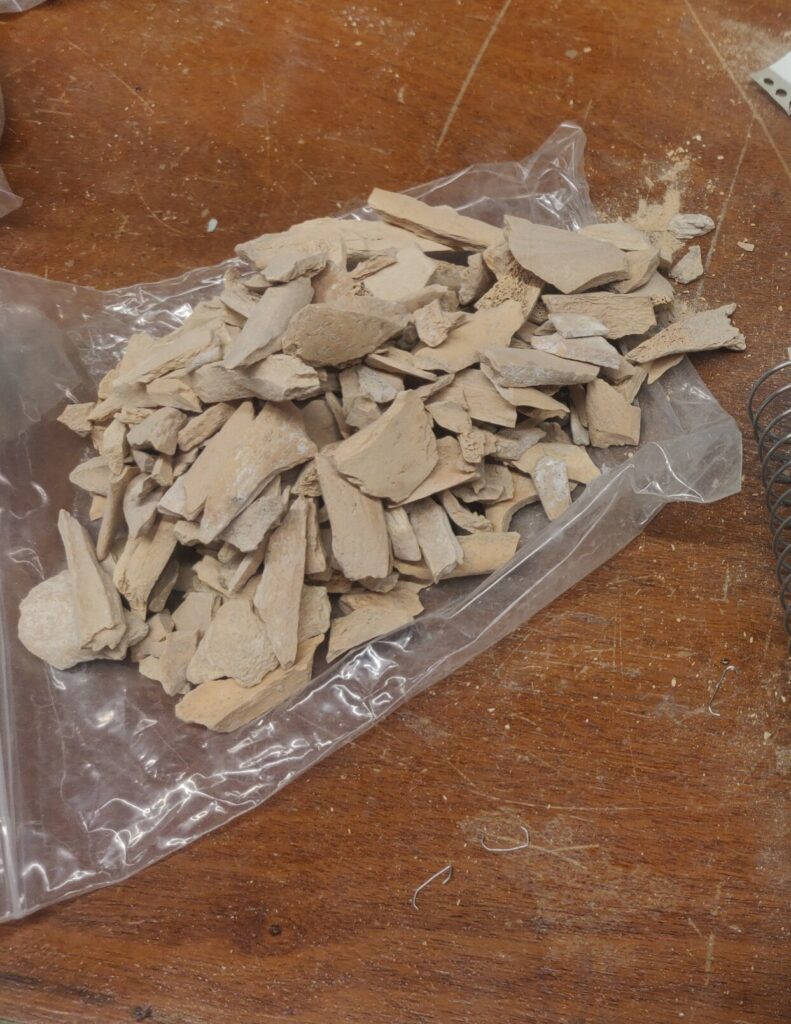
At the Starosele rock shelter on the Crimean Peninsula, researchers painstakingly sifted through more than 150 bone fragments from the Middle Paleolithic layers, hoping to find traces of Neanderthal presence. Most pieces were too small, too weathered, or too animal-like to tell. But one — a sliver of bone smaller than a human thumb — changed everything.
Using collagen peptide mass fingerprinting (ZooMS) and radiocarbon dating, scientists identified it as belonging to a Neanderthal who lived between 45,910 and 45,340 years ago. The individual, nicknamed Star 1, has now become one of the most significant finds linking Europe’s Neanderthals to their Siberian counterparts.
Genetic analysis confirmed that Star 1’s mitochondrial DNA sits at a critical crossroads — genetically basal to European Neanderthals from sites like Goyet and Feldhofer, yet derived toward Siberian groups such as Denisova 11, Chagyrskaya E, and Okladnikov 2. In other words, Star 1 may represent an ancestral population connecting Neanderthals from both ends of the Eurasian continent.
The study, published in Proceedings of the National Academy of Sciences (PNAS), suggests that Neanderthals in Crimea were not isolated remnants, but active participants in wider migration and cultural networks spanning thousands of kilometers. Many of the stone tools unearthed at Starosele closely resemble those found in the Altai Mountains — a striking hint that these groups may have shared both genes and technology.
Beyond DNA, the site’s faunal record paints a vivid picture of Neanderthal life. About 93% of the animal remains belonged to horses, suggesting a specialized hunting focus. Scattered bones of wolves, bison, and rhinoceroses add texture to an Ice Age landscape shaped by endurance and adaptation.
To trace how these populations might have traveled between Europe and Asia, the team also ran paleoclimate-based habitat models. Their reconstructions revealed a likely migration corridor near 55°N latitude, stretching across Eurasia during warmer intervals between 120,000–100,000 years ago, and again around 60,000 years ago — a potential prehistoric highway for movement and cultural exchange.
While the fragment itself is minuscule, its implications are anything but. In the intricate puzzle of Neanderthal evolution, Star 1 may be one of the final missing links — proof that the story of human ancestry was never confined to one continent, but written across a vast, connected Ice Age world.
Emily M. Pigott et al, A new late Neanderthal from Crimea reveals long-distance connections across Eurasia, Proceedings of the National Academy of Sciences (2025). DOI: 10.1073/pnas.2518974122
Cover Image: Starosele rock shelter in the Crimean Peninsula. Credit: Serhii Telizhenko