
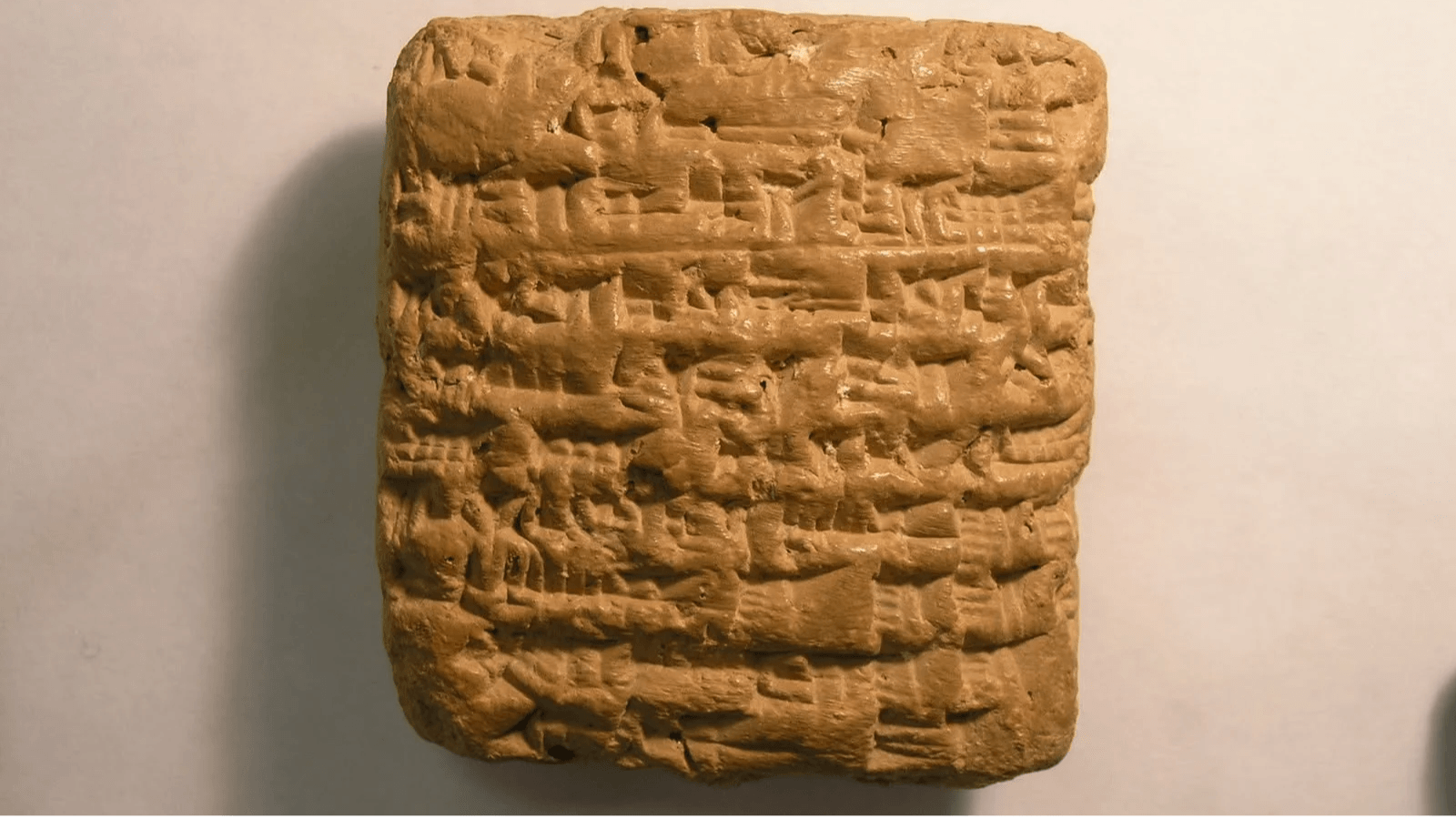
Some 3,250 years ago, telling someone that a requested item was unavailable could provoke a death threat. Two cuneiform letters discovered at Tell Fakhariyah in present-day northeastern Syria preserve a striking example of how people exercised authority in the Assyrian world. One demands an abundant supply of beer ahead of a visit, while the other threatens its recipient with death if an order goes unfulfilled.
The clay tablets, now in the collection of the University of Chicago’s Institute for the Study of Ancient Cultures (ISAC), date to between 1243 and 1207 BCE, during the Middle Assyrian period. Although the letters concern different matters, both contain the same Akkadian expression: mimma laššu, meaning “There is none.” Neither sender was willing to accept this answer.
A Visit, Beer and an Uncompromising Demand
In the first letter, a man named Ninuayau informs his correspondent that he intends to travel to Dunnu. The Akkadian word dunnu refers to a fortified place or stronghold. The precise location remains uncertain, but the sender apparently saw no need to specify which settlement he meant.
Ninuayau expects an abundant supply of a type of beer known as billu. His instructions suggest that preparations were necessary for a gathering during his visit. He orders the recipient to ensure that the beer is plentiful and concludes with an unmistakable instruction: “Do not answer me ‘There is none’!”
Beer occupied an important place in ancient Mesopotamian society. People consumed it as part of their daily diet and served it at social gatherings and banquets. What distinguishes Ninuayau’s letter, however, is not his demand for beer but his refusal to entertain the possibility that it might be unavailable. The tablet records no specific punishment for failing to meet his expectations.
The Same Answer, This Time a Death Threat
The second letter, possibly written by a man named Aššur-iddin, contains the same expression but carries a far more serious warning. Damage to the opening portion of the tablet prevents scholars from establishing the recipient’s identity or determining exactly what the sender demanded.
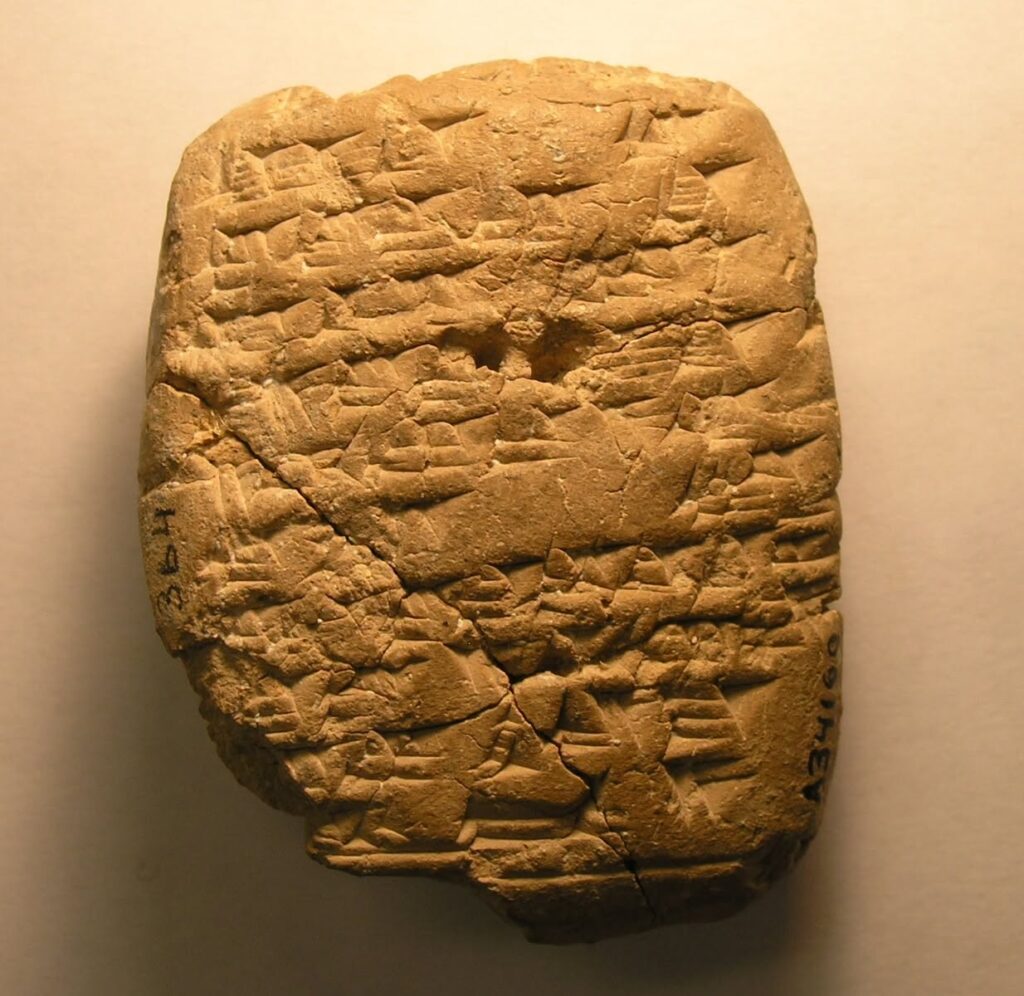
The surviving text leaves little doubt about the consequences of disobedience. The writer orders the recipient to hand over something to another individual without delay. If the recipient claims that nothing is available and fails to make the delivery, the warning is explicit: “You will meet death!”
The sender also demands that the recipient come to him and report once the delivery is complete. Whether the threat represented a genuine intention or an attempt to intimidate the recipient remains unknown. Neither tablet records the outcome of the correspondence.
The Language of Authority in Ancient Assyria
Archaeologists recovered the two tablets during excavations at Tell Fakhariyah in 1940. Assyriologist Hans Gustav Güterbock published their Akkadian texts and English translations in Soundings at Tell Fakhariyah, where they appear under the excavation numbers F 198 and F 364.
In a 2012 study of Middle Assyrian correspondence, Assyriologist Jaume Llop classified both documents as letters containing orders. His survey identified 105 examples of this category among 238 known Middle Assyrian letters and fragments as of September 2011.
Written correspondence had already played an important role in Assyrian society for centuries. Earlier cuneiform letters from Kültepe in Anatolia document commercial transactions, family affairs, debts and disputes across extensive trading networks.
The Tell Fakhariyah tablets illustrate another aspect of this written tradition. Unlike royal inscriptions celebrating military victories and the achievements of kings, these letters show how individuals asserted authority through everyday correspondence.
The two senders wanted different things, but their instructions shared one uncompromising expectation. In both letters, the Akkadian expression mimma laššu represented an answer that neither was prepared to accept.
Cover Image: A 3,250-year-old Middle Assyrian cuneiform letter from Tell Fakhariyah in which Ninuayau demands an abundant supply of beer and refuses to accept the answer “There is none” (A35884). Photo: Institute for the Study of Ancient Cultures, University of Chicago, via Facebook.