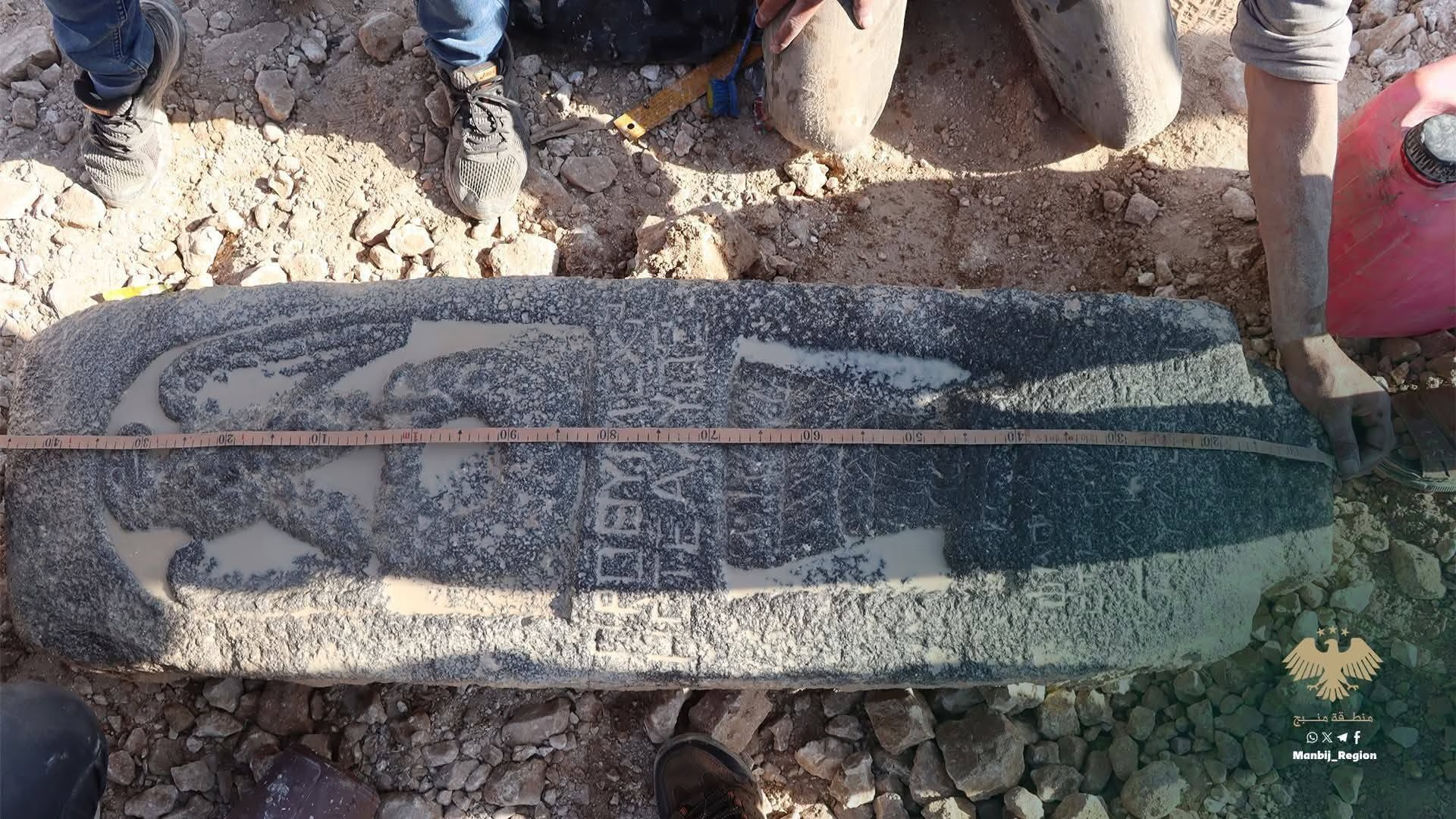
Manbij, Syria — Archaeologists have uncovered a remarkable Roman-era stele carved from black basalt in Manbij, east of Aleppo. The funerary monument, estimated to be around 2,000 years old, features a detailed eagle clutching a wreath and inscriptions in Greek, providing rare insight into the region’s Roman and Hellenistic past.
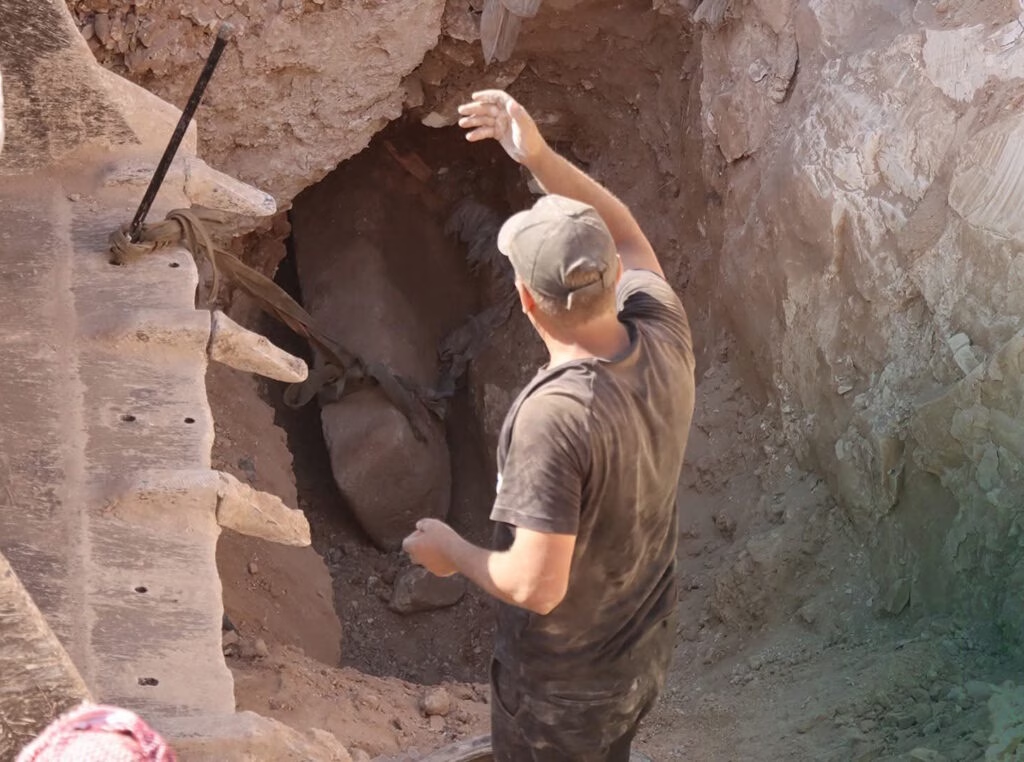
The stele was first discovered by a local resident behind Manbij’s Cardamom wholesale market, who immediately alerted the Directorate of Museums and Antiquities. Archaeologists quickly recovered the artifact and moved it to the city’s old bathhouse site for secure storage, pending eventual transfer to Aleppo for further study.
Roman Eagle Symbolism
In Roman culture, the eagle symbolized strength, authority, and divine protection. Closely associated with Jupiter, the king of the Roman gods, the eagle frequently appeared on military standards, coins, and funerary monuments. On this stele, the eagle’s outstretched wings and wreath may signify the deceased’s valor, eternal life, or loyalty to Roman ideals. Funerary steles like this typically honored prominent citizens or soldiers, blending personal commemoration with imperial ideology.
Greek Inscriptions Reflect Cultural Fusion
The Greek inscriptions engraved on the stele highlight the fusion of Roman and Hellenistic influences in northern Syria. Greek was widely used across the eastern Roman provinces, particularly in administrative and funerary contexts. These inscriptions may reveal the name, rank, or lineage of the deceased, offering a direct connection to Manbij’s ancient inhabitants.
Manbij: A Historical Crossroads
Historically known as Hierapolis Bambyce, Manbij was a cultural and commercial hub under Roman rule. The city hosted temples, public buildings, and tombs, acting as a regional crossroads where Roman, Hellenistic, and local traditions intersected. The eagle stele strengthens evidence of Roman influence in northern Syria and illustrates the city’s historical significance.
Manbij has also endured extensive looting, especially during recent conflicts. Between 2011 and 2019, nearly one million Syrian artifacts were looted, with over 700 archaeological sites damaged. Under ISIS control, residents could excavate on their land but had to report figural artifacts for destruction. Following the Syrian Democratic Forces’ takeover in 2016, local elites often controlled excavations, turning the city into a hub for artifact smuggling.
Community Vigilance Protects Heritage
Despite these challenges, community cooperation remains crucial. The resident who reported the eagle stele demonstrates how local vigilance can safeguard Syria’s cultural heritage. Once fully analyzed, the stele will contribute not only to knowledge of Roman funerary practices but also to the broader narrative of Manbij’s historical role.
This discovery underscores the enduring Roman legacy in Syria and the symbolic power of the eagle motif. As research continues, the stele promises to illuminate the lives, beliefs, and artistic traditions of ancient Manbij, bridging millennia of history and connecting modern observers to the grandeur of the Roman world.