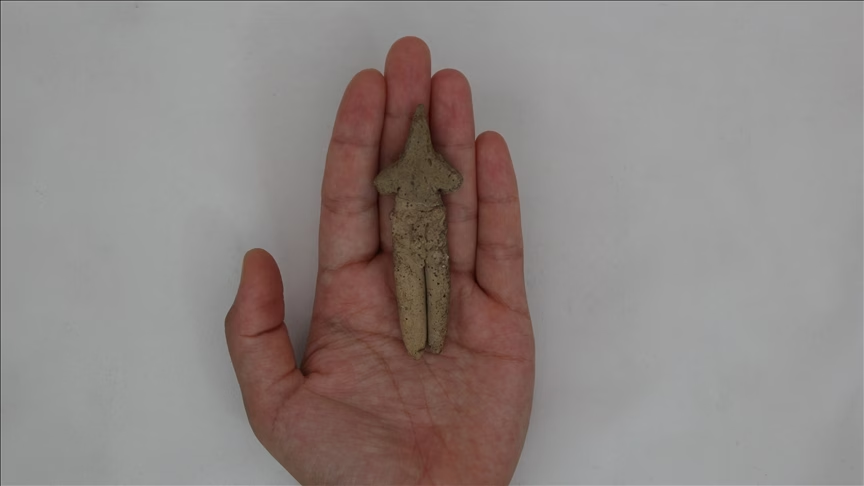
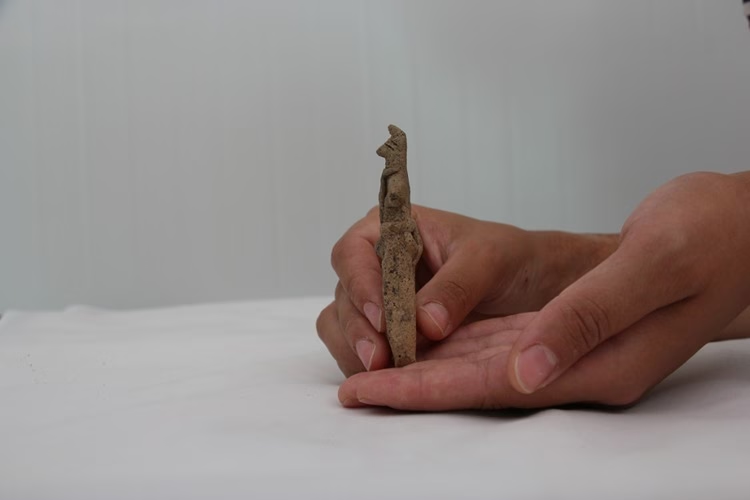
Archaeologists excavating Ulucak Höyük in Kemalpaşa, İzmir, have unearthed a remarkable 9-centimeter clay male figurine wearing a fox fur, dating back approximately 8,000 years. The discovery provides new insights into the symbolic and ritual life of early Neolithic communities in Anatolia.
Symbolism and ritual context
Excavation Director Prof. Dr. Özlem Çevik noted that the figurine’s costume details distinguish it from other finds at Ulucak Höyük, particularly the headpiece-like ceremonial element. Experts suggest the fox fur was chosen intentionally, as foxes were associated with cunning, spiritual power, and ritual symbolism in early Anatolian societies. The figurine may thus represent ritual roles, shamanic practices, or aspects of social identity within the village.
Ulucak Höyük: Western Turkey’s earliest settlement
Excavations at Ulucak Höyük, initiated in 1995 and led by Prof. Dr. Çevik since 2009, reveal one of the earliest farming communities in the region. With a history stretching back 8,850 years, the site sheds light on early agricultural practices, animal domestication, pottery production, and ritual activities in Western Anatolia.
A rare addition to Neolithic archaeology
While female figurines have predominated among earlier discoveries at Ulucak Höyük, this male representation introduces a new dimension to understanding gender roles and ritual practices in Neolithic villages. The fox fur detail, in particular, opens new avenues for research into symbolism and religious beliefs in early Anatolian society.