Rare Greek Hippodrome Comes to Light at Ancient Apollonia in Libya
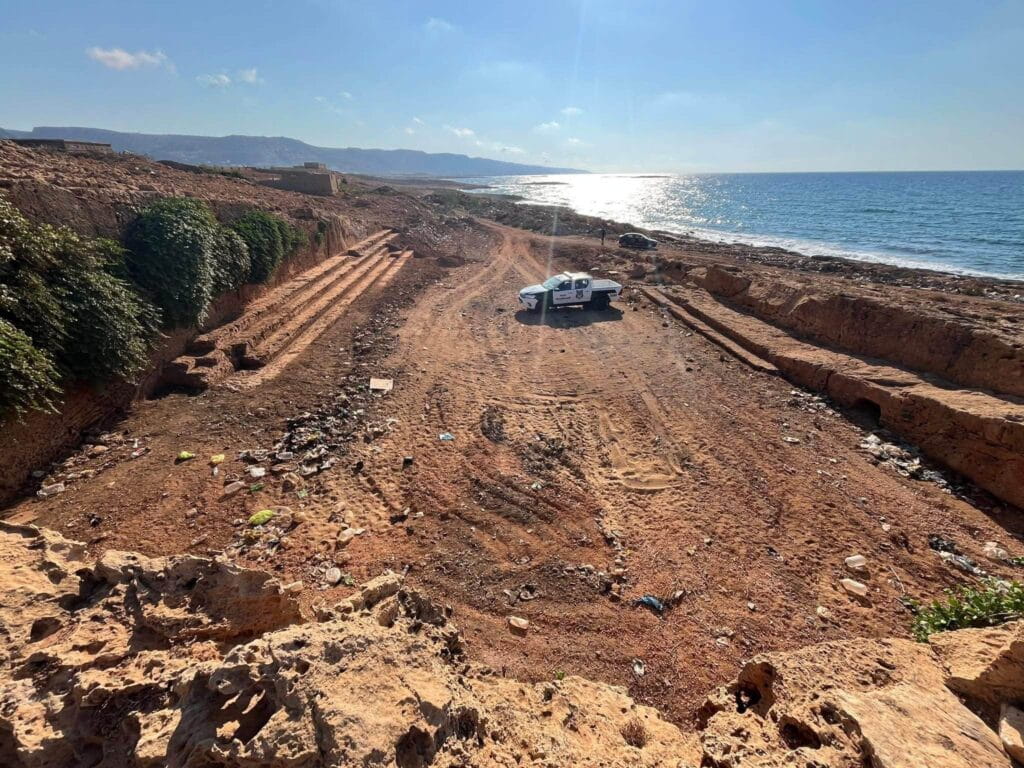
Archaeologists working at the ancient city of Apollonia on Libya’s eastern coast have brought a rare Greek hippodrome back into view, while also identifying a…

Exploration goes beyond the pursuit of knowledge
Page 27
Archaeologists working at the ancient city of Apollonia on Libya’s eastern coast have brought a rare Greek hippodrome back into view, while also identifying a…
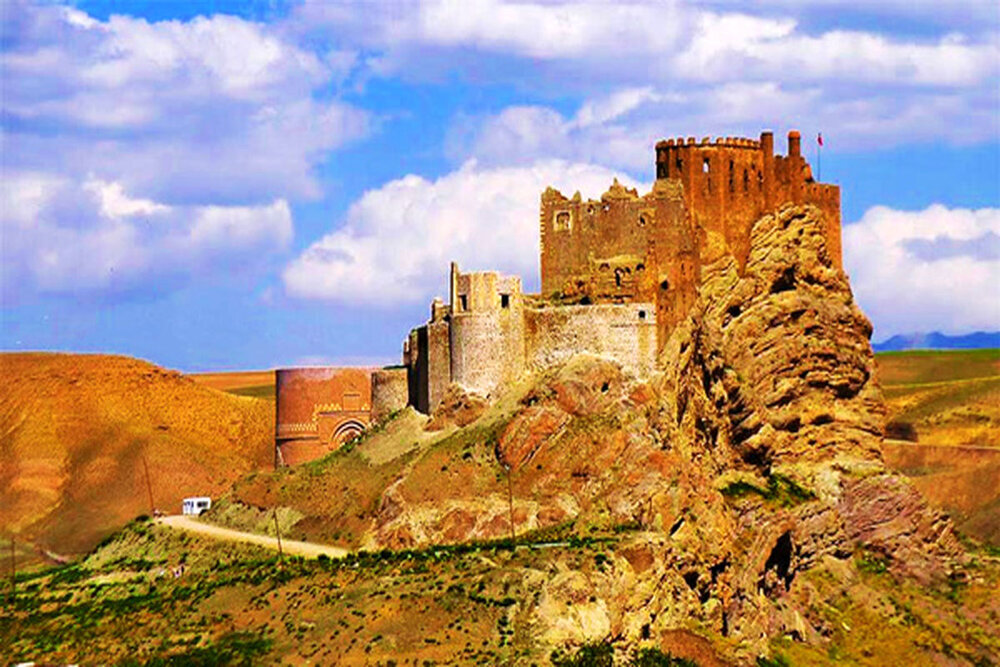
Iran has nominated the Cultural Landscape of Alamut and its related fortifications for UNESCO World Heritage status, seeking international recognition for one of the most…
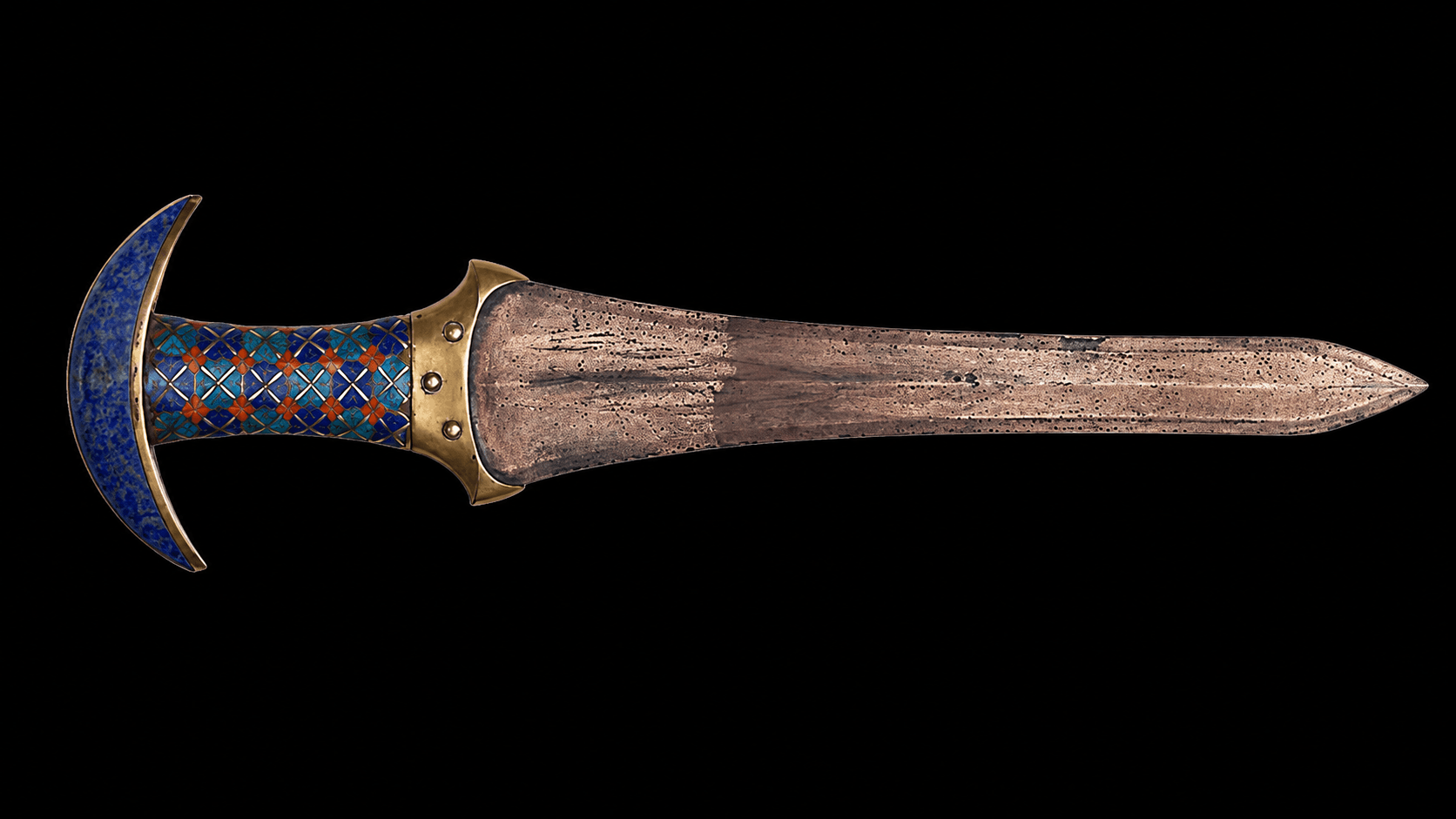
Nearly 4,000 years ago, Egyptian princesses trained with bows and daggers, a new study of skeletal remains from Dahshur suggests. The women were buried with…
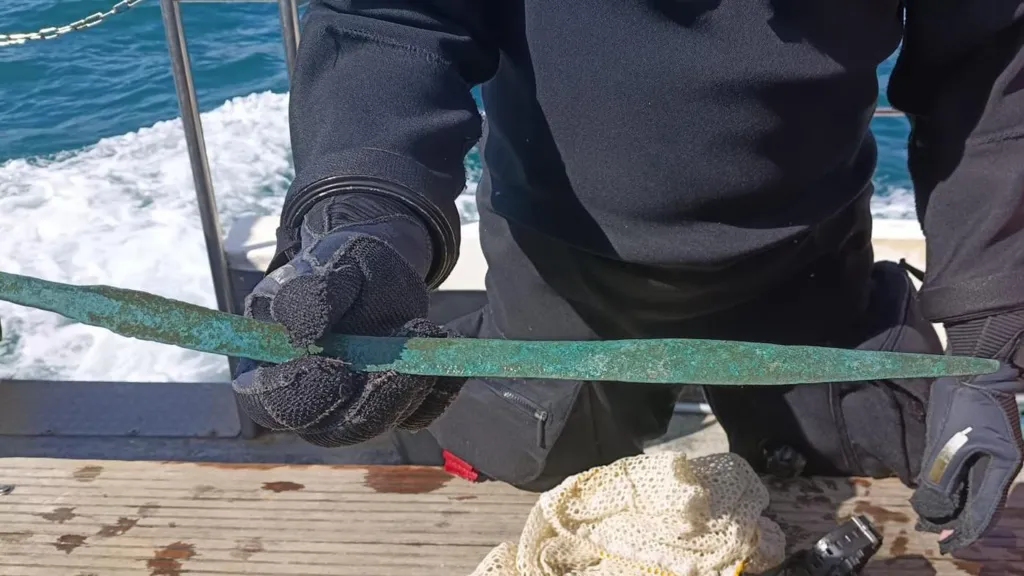
A remarkably rare Bronze Age sword has been recovered from the seabed at the protected Salcombe wreck sites off the coast of Devon in south-west…
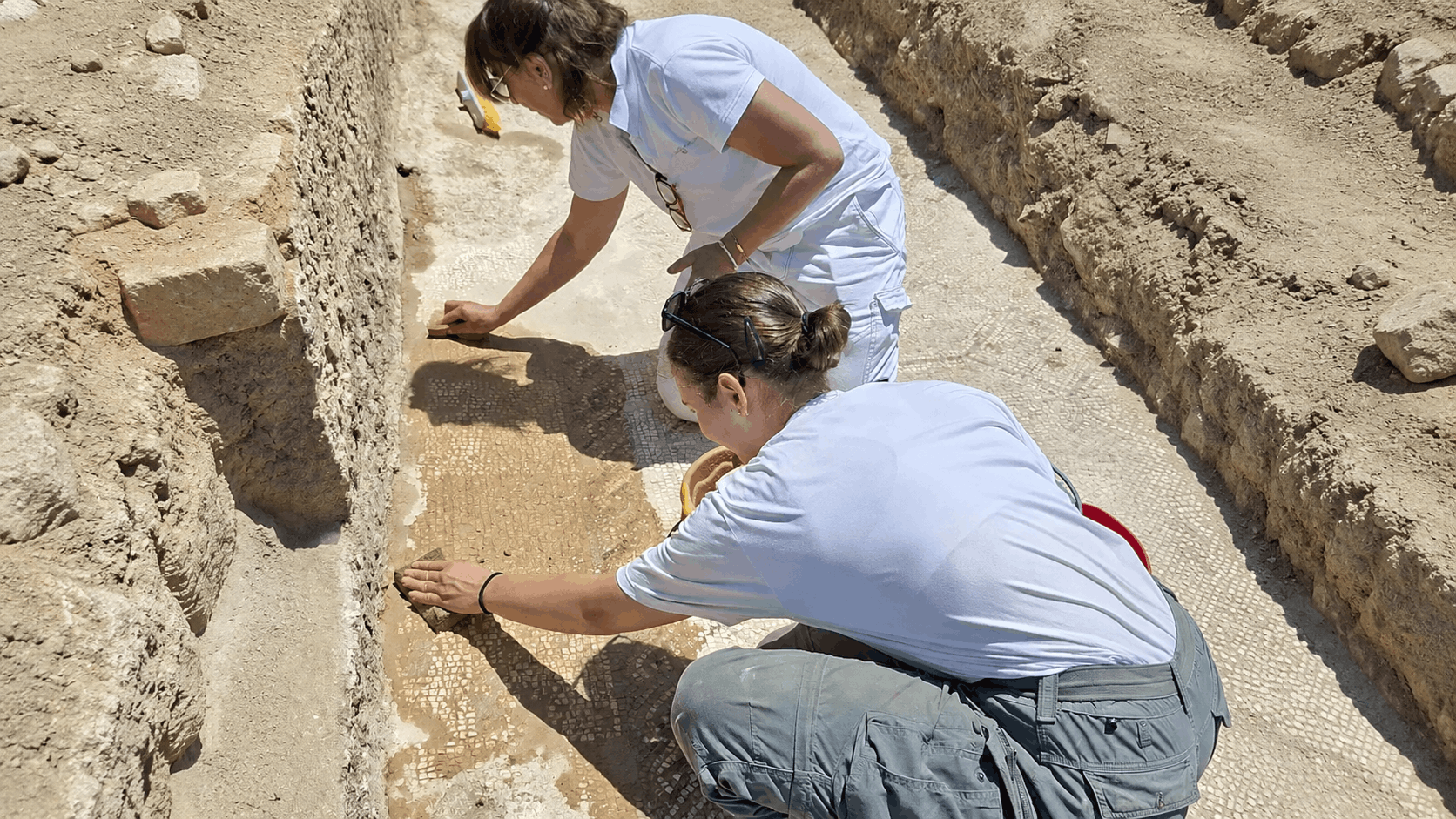
Archaeologists working in Agrigento, Sicily, have uncovered a polychrome geometric mosaic and a group of objects linked to the city’s early Christian community. The discoveries…
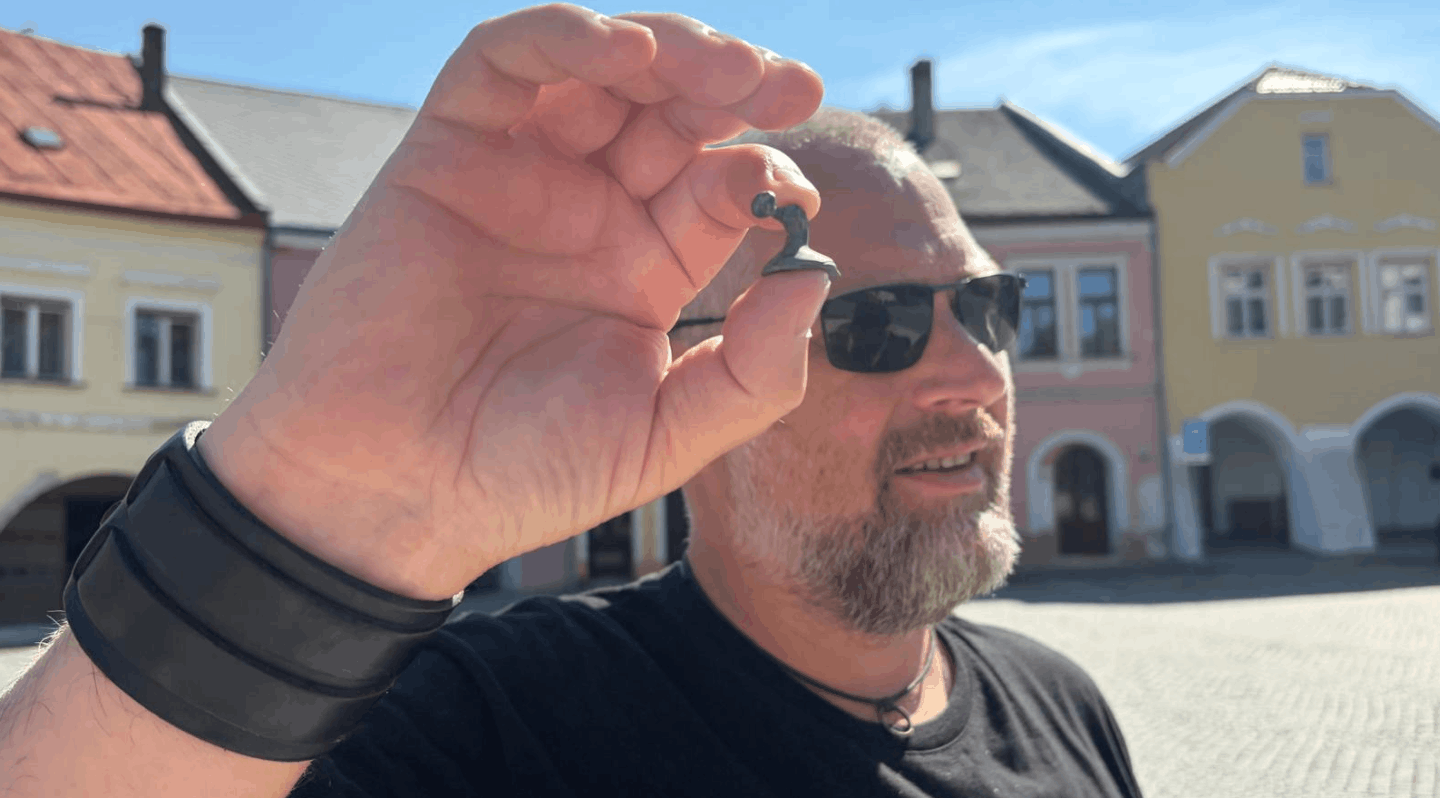
A miniature Celtic bronze duck more than 2,000 years old has been discovered near the village of Tučín in Moravia, in the eastern Czech Republic.…
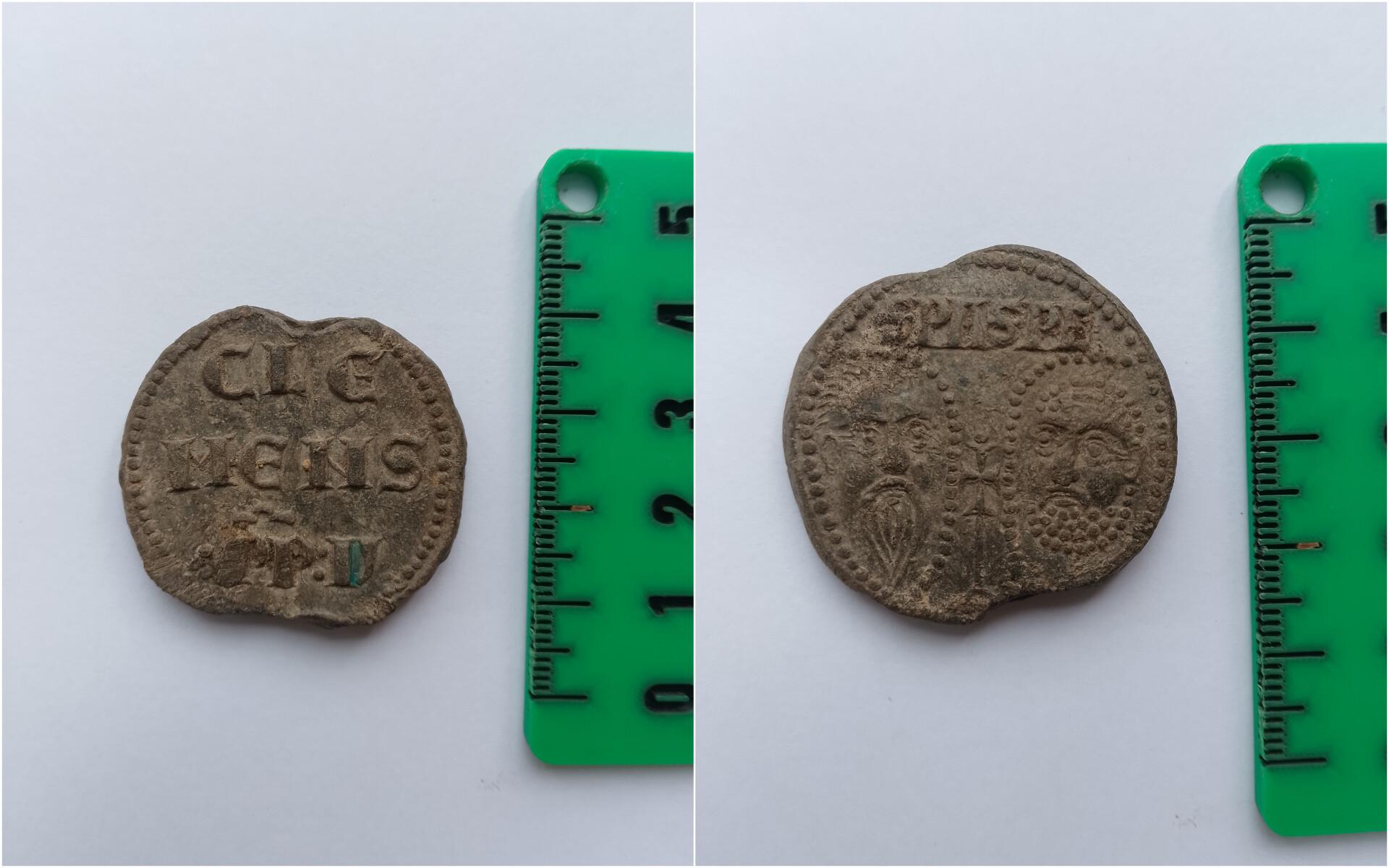
Archaeologists excavating a courtyard in central Tallinn have discovered a 14th-century lead seal issued under Pope Clement V. It is the first papal seal ever…
A 4,000-year-old communal tomb in Al Ain has been found containing the remains of hundreds of people. Discovered at the Qattarah Necropolis in the United…
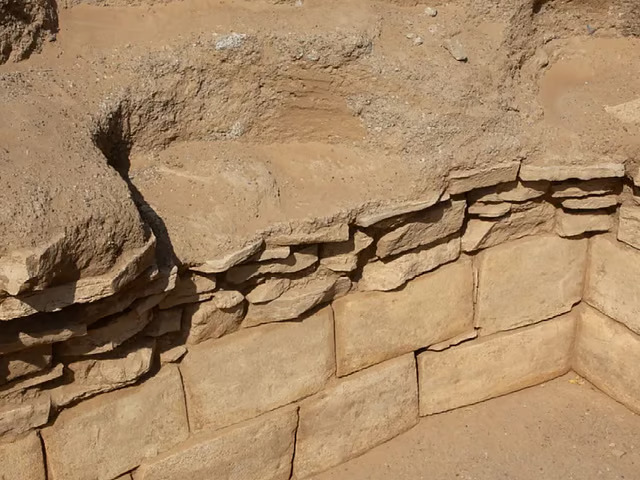
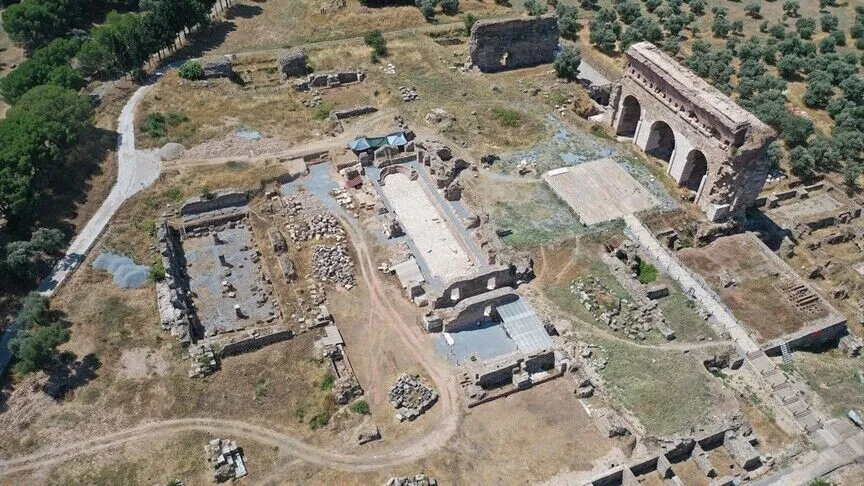
A Roman pool capable of holding around 300 people has been fully excavated at Tralleis, an ancient city near Aydın in western Turkey. The 2,000-year-old…
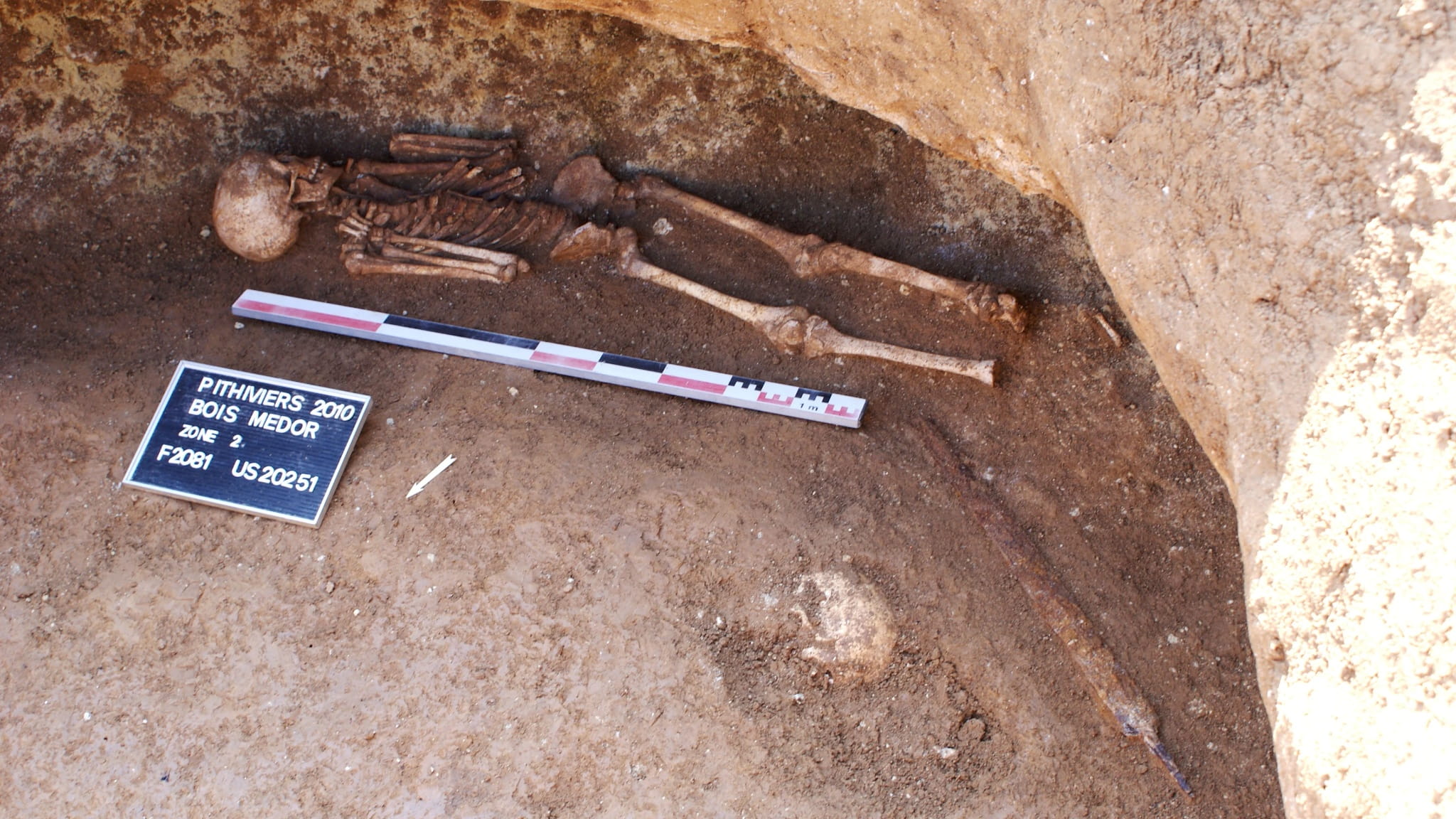
A 2,400-year-old child burial with a sword was uncovered inside an abandoned grain silo at the Gaulish settlement of Pithiviers “Bois Médor” in central France.…
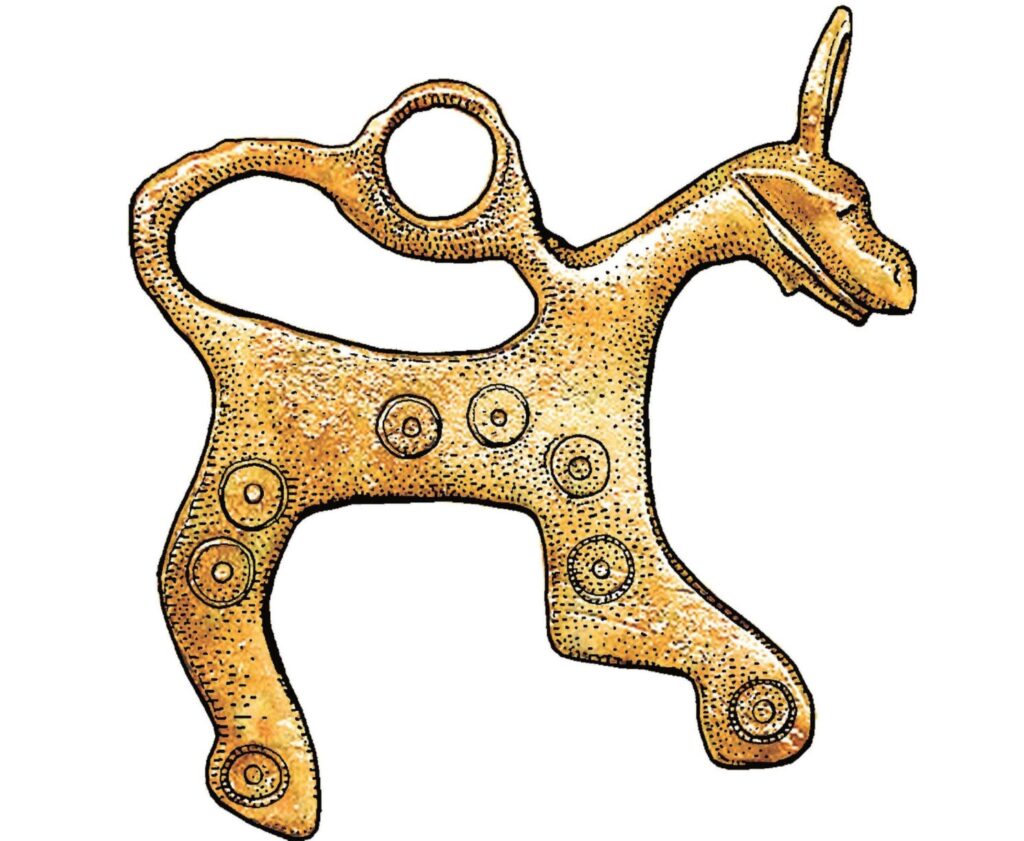
A 1,000-year-old amulet discovered in Pskov’s Zavelychye district depicts a mysterious beast that archaeologists have still been unable to identify. The surviving fragment preserves the…
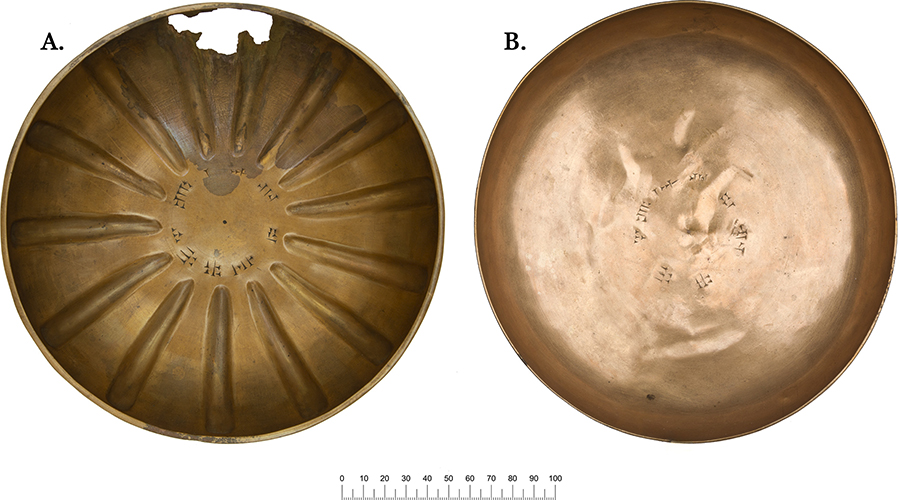
More than 100 bronze bowls inscribed with the names of Urartian kings were designed to do more than hold food or drink. A new study…