
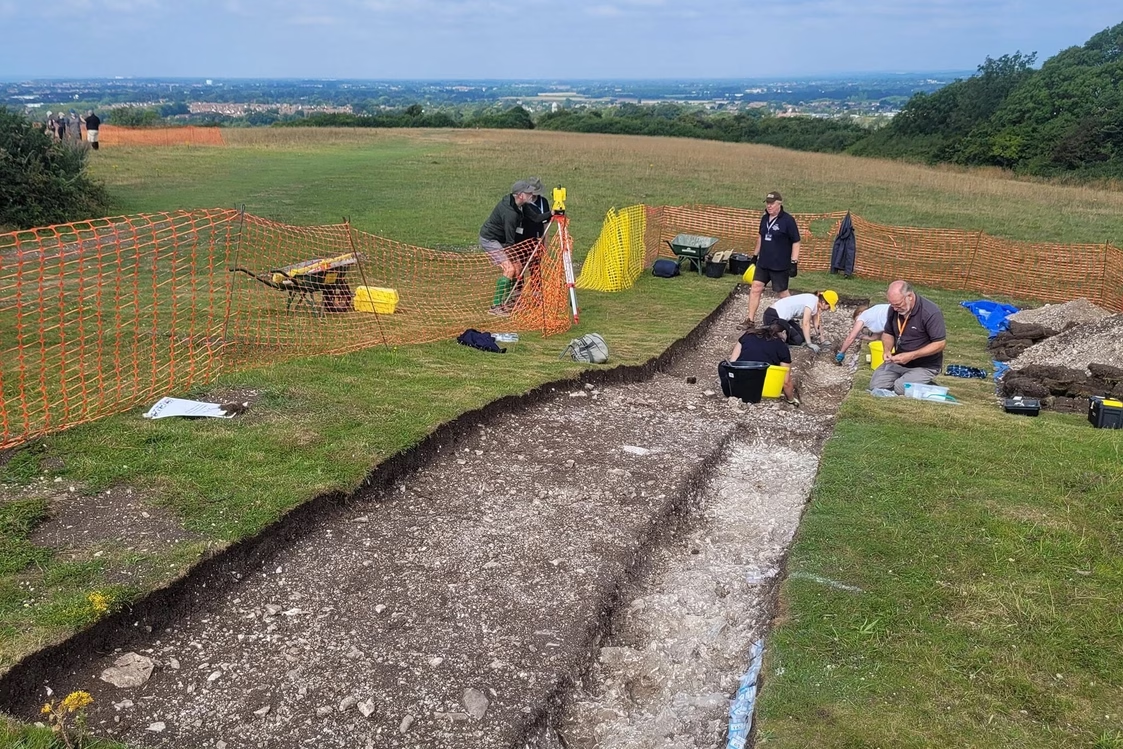
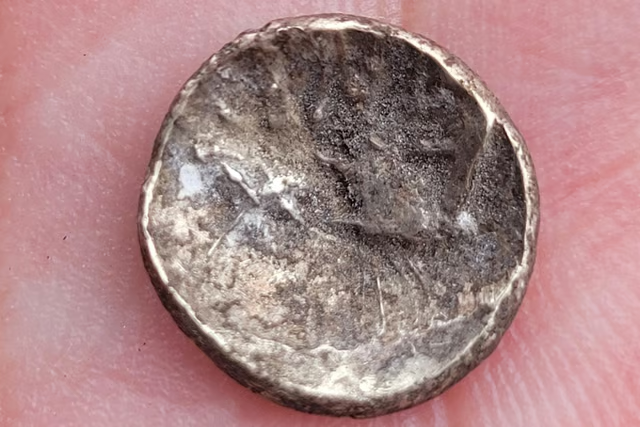
As the first light of dawn turned the Sussex coastline to gold, the quiet atop Highdown Hill was broken only by the soft scrape of trowels and the whisper of earth being shifted. Led by Archaeology Curator James Sainsbury, the team was gently uncovering secrets buried for millennia. Then came the urgent call from Trench H — the soil had yielded a rare Late Iron Age silver unit, dated between 20 BC and AD 20. Its gleaming surface offers tantalising clues to the complex trade networks of pre-Roman Britain and the layered history of Highdown.
The first week of excavations has revealed the site’s immense archaeological richness. Finds include a Bronze Age burial mound, Anglo-Saxon graves, Roman brooches and coins, an Iron Age glass bead, and even military badges from the world wars — evidence that Highdown Hill was inhabited and reused by diverse communities for at least three millennia.
Community Meets Science
The excavation is as much a public engagement project as it is a scientific endeavour. Volunteers, metal detectorists, and university students work side by side, while hundreds of visitors pass through the site each day. Visitors can watch the dig in action and speak directly with archaeologists, strengthening the bond between the community and its heritage.
Diversity of Finds
– Anglo-Saxon burials: Human bone fragments and a rare rock crystal bead.
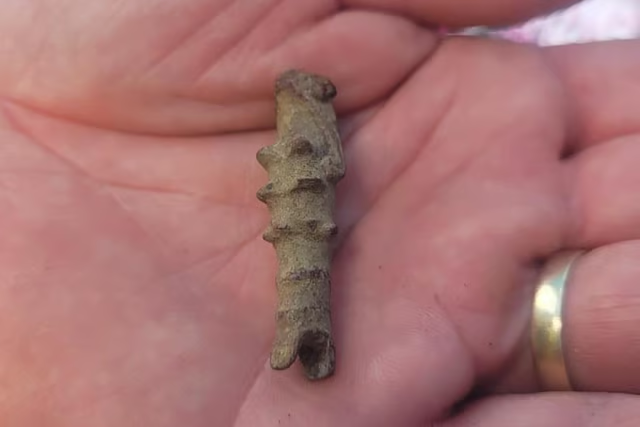
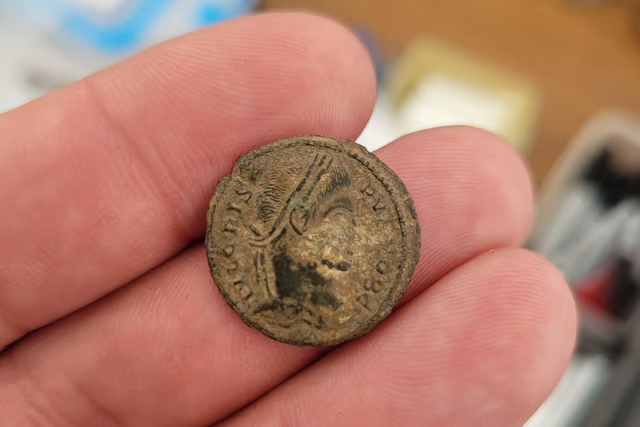
– Roman artefacts: 1st-century brooch, 4th-century coins, and a zoomorphic fitting.
– Iron Age items: Glass bead, silver coin.
– Prehistoric traces: Worked flints, pottery sherds, and deliberate shell deposits.
– Modern period remains: Military badges, medals, and coins from the 20th century.
Next Steps
The team will use Optically Stimulated Luminescence (OSL) dating to determine when the soil was last exposed to sunlight — a key step in pinpointing the age of the mound and surrounding features.
The Highdown Big Dig 2025 is proving that archaeology is not only about uncovering the past but also about engaging the present, bringing local people into the heart of their own history.