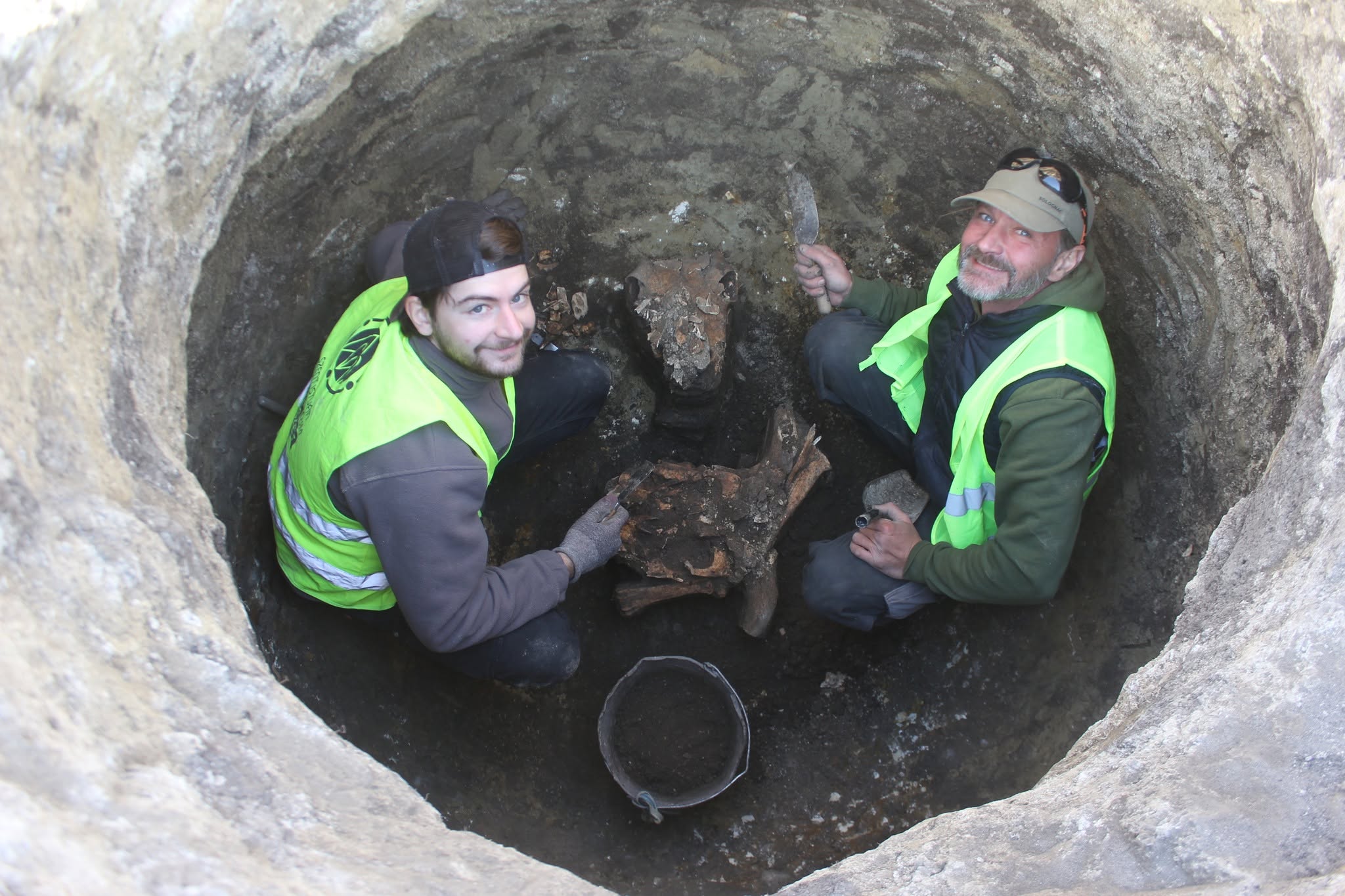
A Roman lime kiln found near Bicske in Hungary has emerged as one of the country’s rarest preserved traces of ancient industrial work.
The structure was uncovered during excavations connected to the expansion of the M1 motorway. The work is being carried out under the commission of the National Archaeological Institute of the Hungarian National Museum. Archaeologist Alexandra Kiss is leading the excavation team.
A Roman kiln built into the hillside
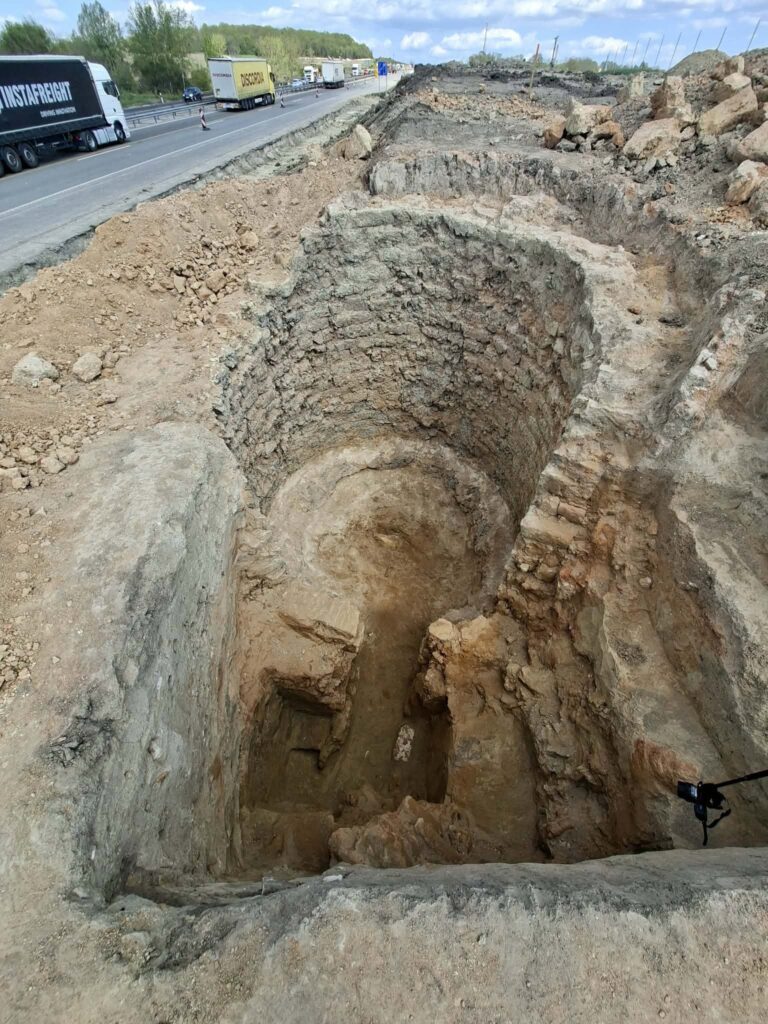
The most important find from the latest spring campaign is a circular Roman-period lime kiln built into the natural slope of a hill.
The kiln measures about 230 centimeters in diameter and reaches roughly 3 meters in depth. Its walls were made of adobe bricks and reinforced with clay plaster.
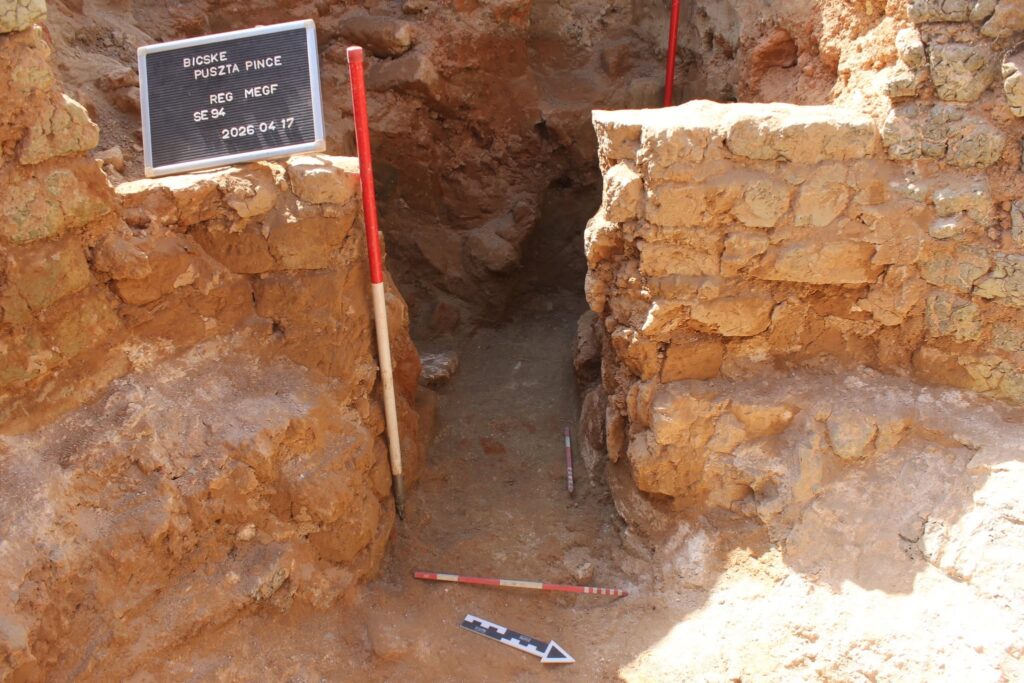
Archaeologists could still identify the west-facing firing opening and a ledge running around the base of the inner wall. Limestone blocks were placed on this ledge before firing.
A thin lime layer survived on the bottom and side walls of the kiln. Fragments of Roman tegula roof tiles and part of a grey S-profile bowl were also found in the lower fill, helping researchers date the structure.
A rare survival from Roman Pannonia
Lime was a basic material in Roman construction. It was used in mortar, plaster and other building work across settlements, roads, villas and public structures.
The Bicske kiln is important because of its condition. According to the museum’s report, a lime kiln preserved in similar condition was last found in Hungary in the early 20th century, during Bálint Kuzsinszky’s excavations at Aquincum.
That comparison gives the new find unusual weight. It is not only another Roman feature beside a modern motorway project, but a rare piece of evidence for how building materials were produced in Pannonia.
A place used for many centuries
The Bicske site also tells a longer story.
Previous excavations in the area uncovered Roman and Árpád-period settlement remains, along with three Roman child burials. The latest work added new features from the early Roman and late Árpád-period occupation.
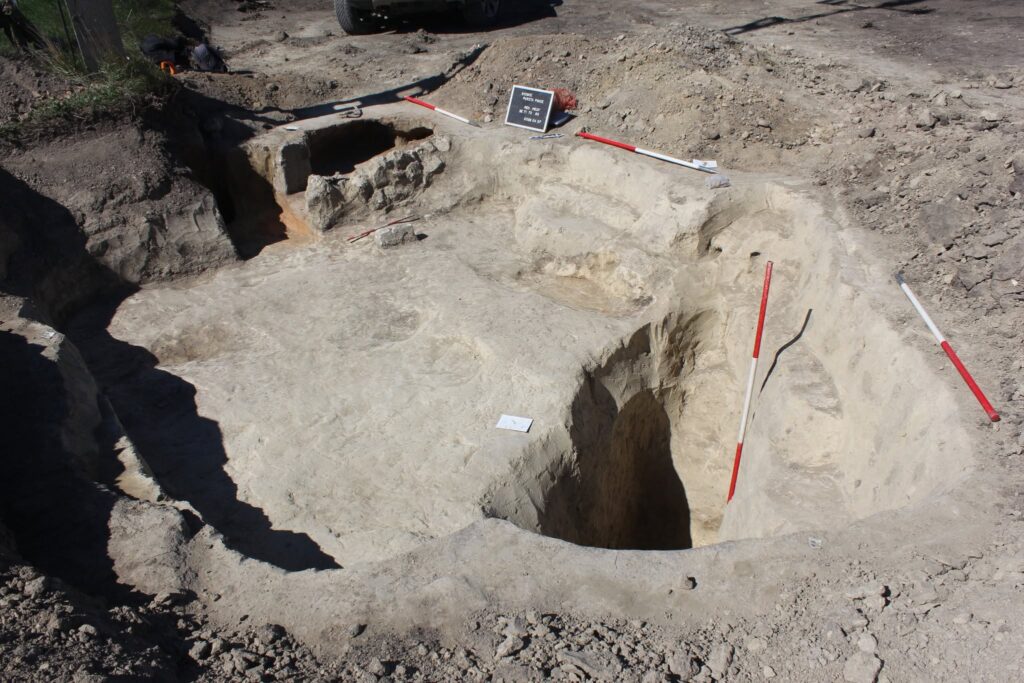
Archaeologists also documented storage pits and other features from the Late Middle Ages and Ottoman period.
Together, the finds show that this landscape was used, abandoned, reused and reshaped over many centuries. The lime kiln is the standout discovery, but it belongs to a much wider archaeological record around Bicske.
Cover Image Credit: SZIKM Archaeological Heritage Protection and Scientific Department