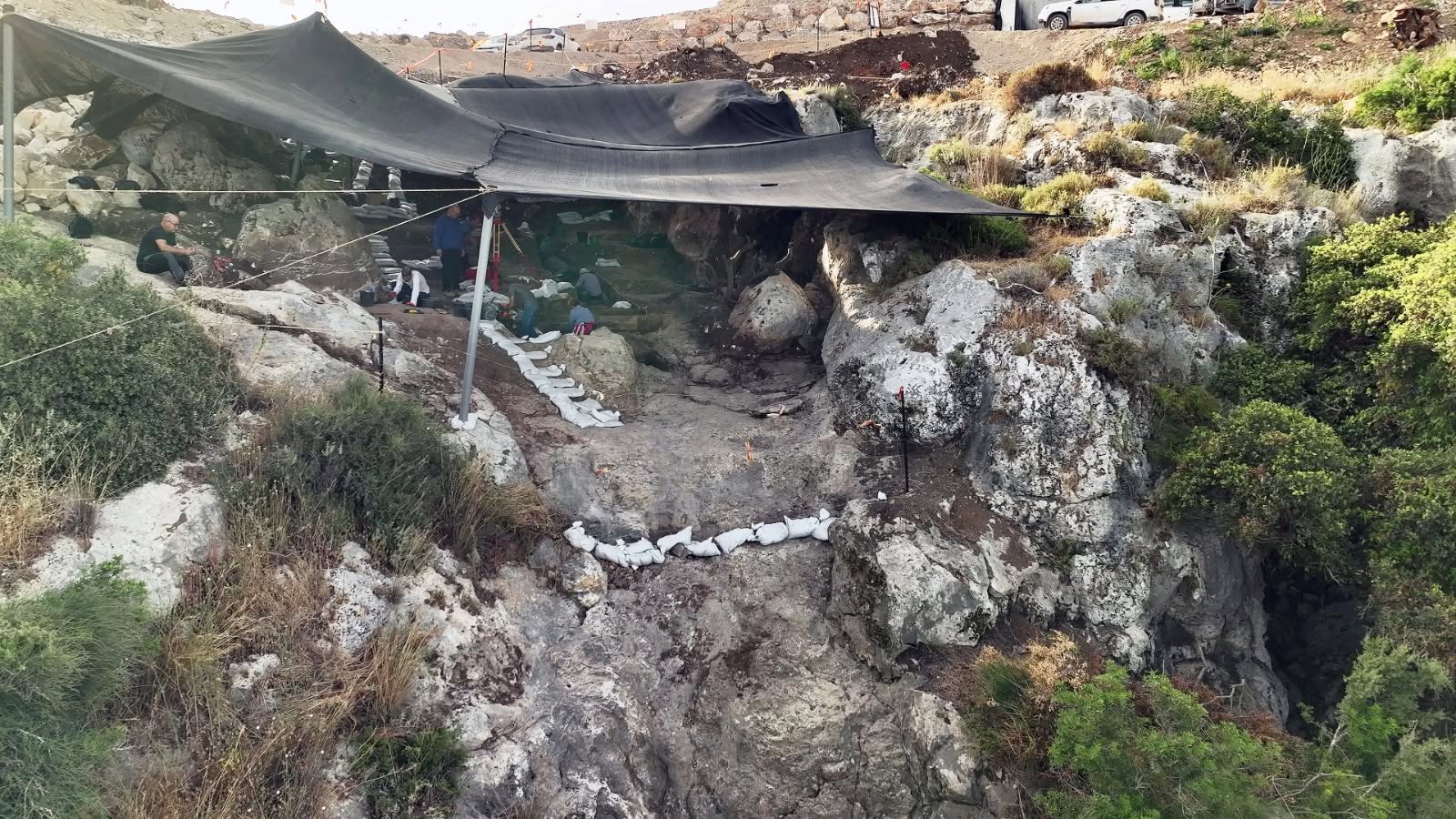
A sealed prehistoric cave near Fureidis, south of Haifa, is giving archaeologists a rare chance to study human life in the Levant around 300,000 years ago.
The cave is being uncovered by the Israel Antiquities Authority and the University of Haifa, with support from Ayalon Highways. Researchers say the site was sealed for hundreds of thousands of years, preserving a prehistoric layer linked to the Acheulo-Yabrudian cultural complex, one of the less familiar but crucial stages in early human history.
A prehistoric layer sealed beneath Fureidis
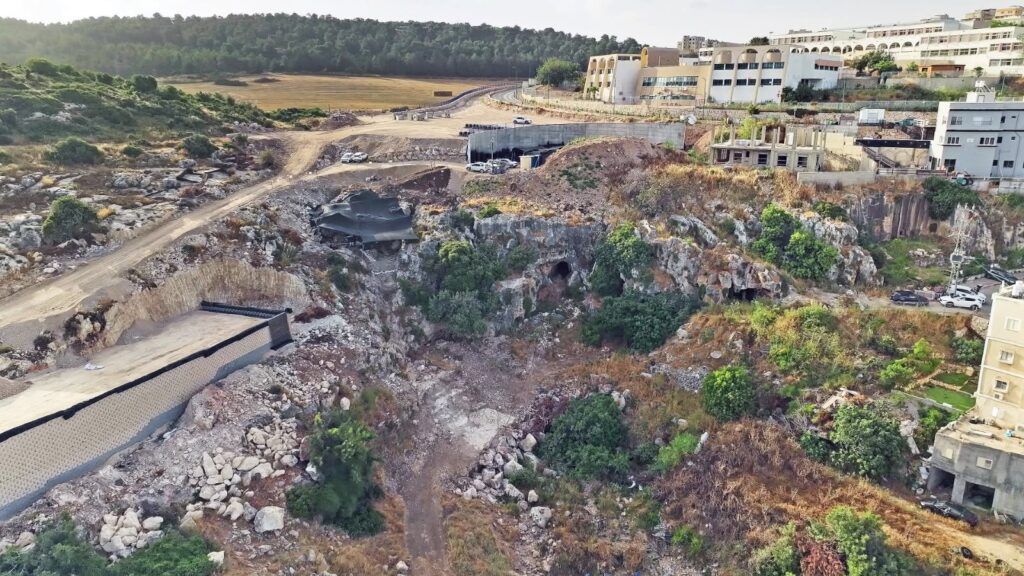
The cave lies on the outskirts of Fureidis, close to one of the region’s important prehistoric corridors. Its value comes not only from its age, but from the way it was preserved.
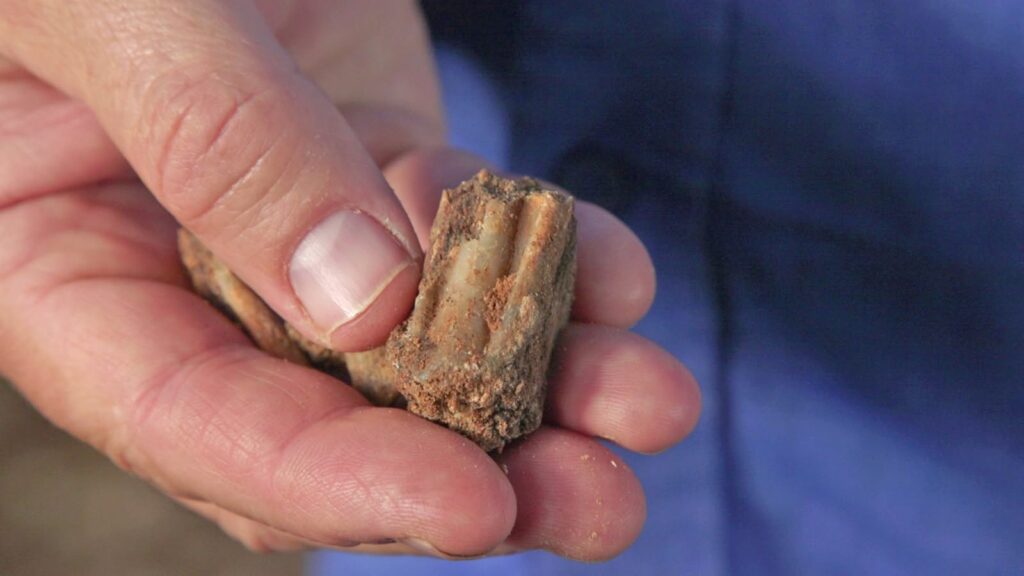
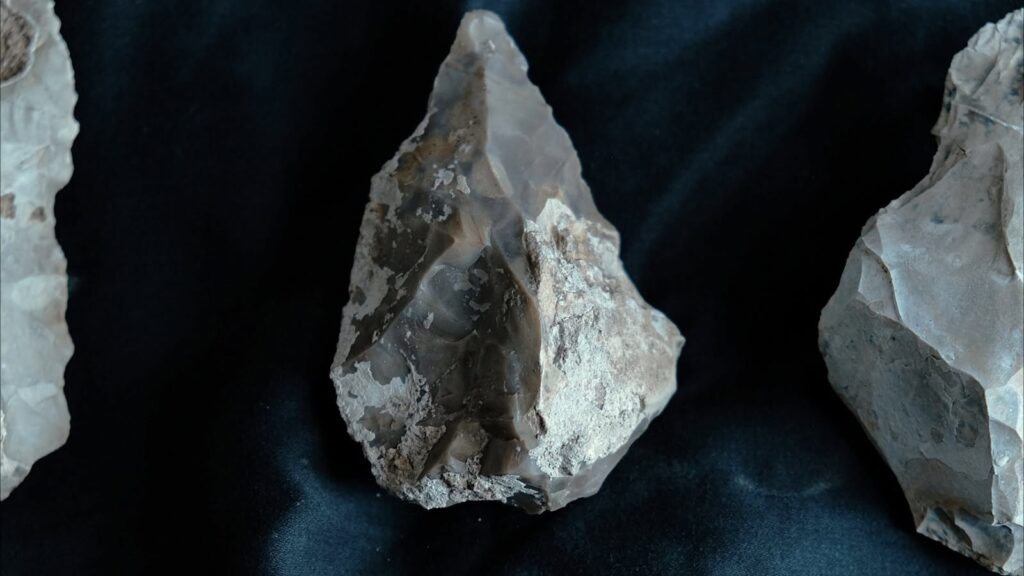
Inside, archaeologists have identified flint tools, animal bones, and traces of fire. The animal remains include fallow deer, gazelle, and ancient horses, pointing to a landscape where early human groups hunted, processed food, and repeatedly used the cave as part of daily life.
This is not a spectacular treasure find in the usual sense. Its importance is quieter, and probably deeper. A sealed cave can preserve ordinary actions that usually disappear: cutting, burning, eating, toolmaking, and returning to the same protected space again and again.
Evidence from the Acheulo-Yabrudian world
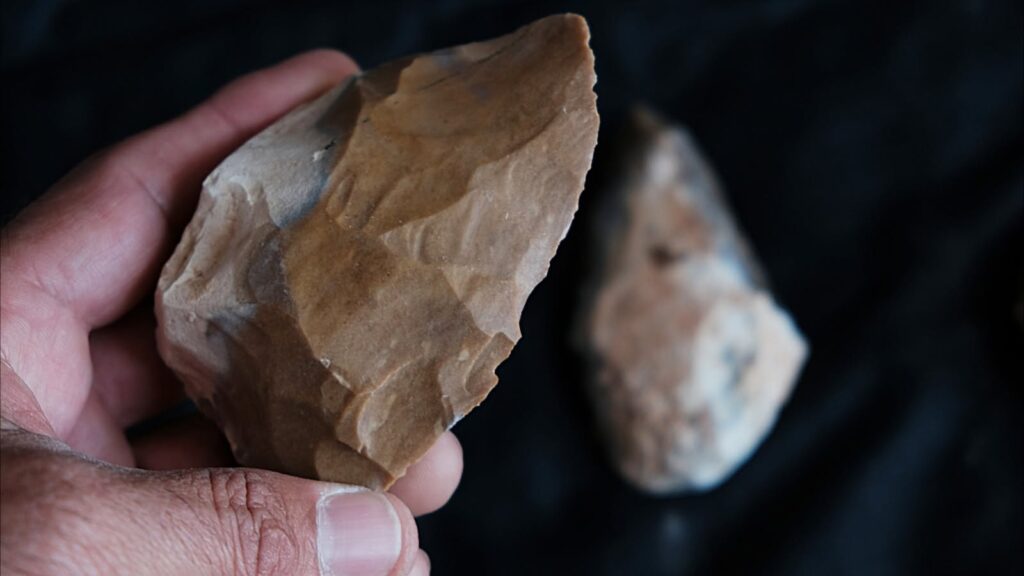
The Acheulo-Yabrudian cultural complex, generally dated to the Middle Pleistocene, belongs to a period before the better-known later phases associated with Neanderthals and Homo sapiens in the region.
That makes the Fureidis cave especially valuable. It may help researchers understand how early human communities in the Levant lived before the prehistoric record becomes clearer and more familiar.
The stone tools found in the cave can reveal how its occupants worked flint and prepared implements for daily tasks. The bones may show what they hunted or scavenged. Fire traces could provide evidence for how they used heat, light, and protected interior spaces.
Together, these remains suggest a community with developed habits, technical knowledge, and social routines. Not a brief stop in the landscape, but a place repeatedly used by people who knew how to exploit their surroundings.
A rare archive of early human behavior
The Levant has long stood at the center of human evolution research. Its caves and open-air sites preserve evidence of movement between Africa, Asia, and Europe, as well as changing patterns of technology and adaptation.
A sealed cave from this period is therefore a significant find. It gives researchers the chance to examine early human behavior in unusually stable conditions, with tools, bones, sediments, and fire evidence preserved together.
A large-scale research project is now underway. The results may clarify how early humans around Mount Carmel and the coastal plain organized their living spaces, handled animal resources, and adapted to environmental change hundreds of thousands of years ago.
The cave may one day open to the public
Researchers hope the cave can eventually be made accessible to the public. If that happens, residents of Fureidis, local students, and visitors would be able to encounter one of the region’s deepest prehistoric records close to where it was found.
For now, the cave remains an active excavation. Its promise lies in the details still sealed inside: the tools, bones, ash, and living traces of people who occupied this landscape long before the written history of the Levant began.
Cover Image Credit: Israel Antiquities Authority