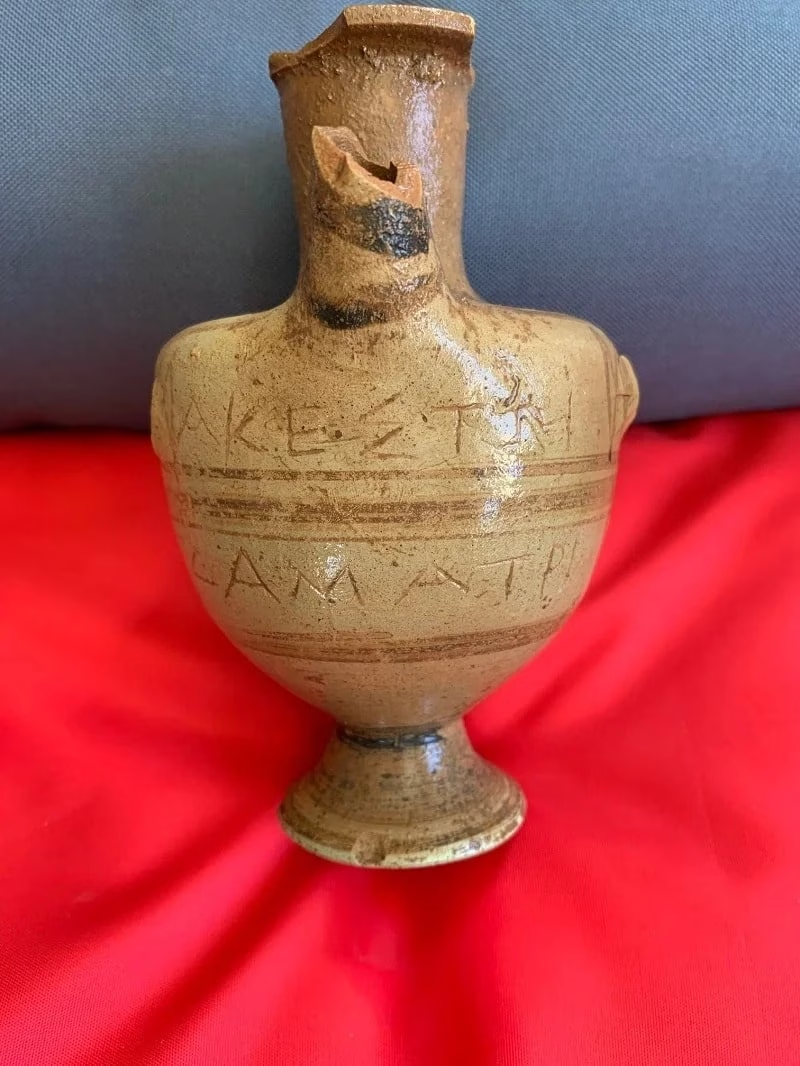
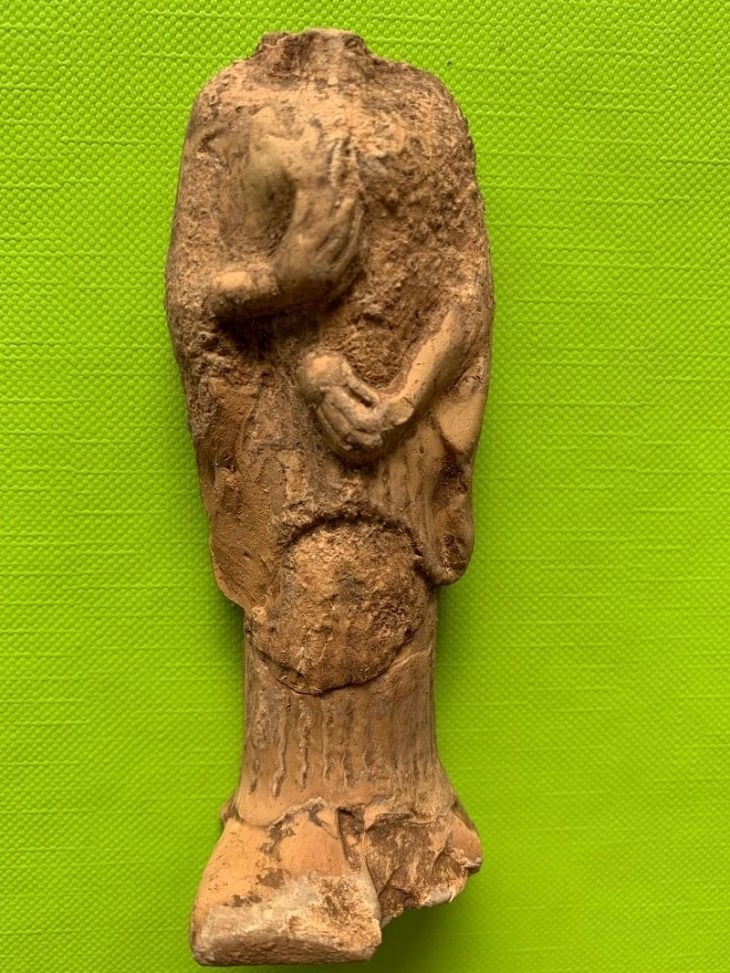
On the western edge of Crete, the Phalasarna Acropolis preserves remarkable evidence of ancient Greek religious life. Among the most striking finds are a vase inscribed in the Doric dialect with the name of the goddess Demeter and hundreds of terracotta female figurines, all dating to the Archaic period.
The Sanctuary of Demeter
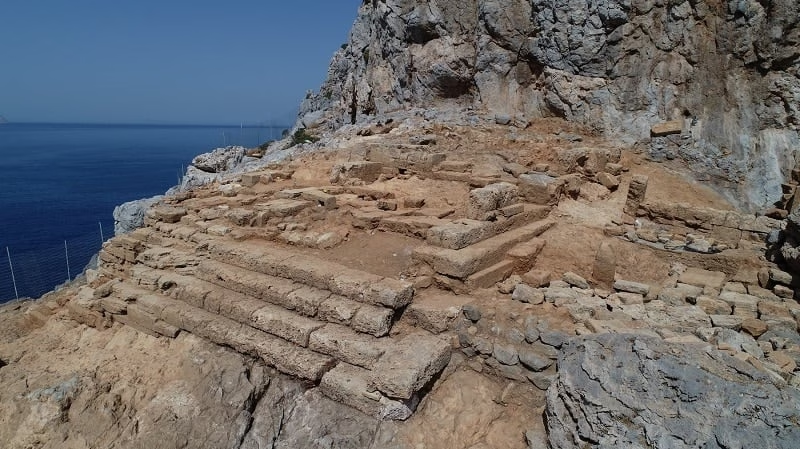
Built on a rocky hill, the sanctuary provided an open-air space for the worship of Demeter, the goddess of agriculture, fertility, and the seasonal cycle. Within the temple’s central area, archaeologists uncovered vases beneath a tiled floor, one of which bore the inscription “Dedicated to Demeter” in Doric Greek. This rare dedication highlights both the local dialect and the deep-rooted cult of Demeter on Crete.
A Diverse Range of Offerings
The discoveries go far beyond a single vase. Early Archaic period finds (ca. 650 BCE) include Egyptian and Phoenician glass vessels, terracotta birds and animal figurines, arrow and spearheads, miniature vases, and statuettes of women holding poppies and pomegranates. These artifacts demonstrate not only the religious practices of the site but also its connections to wider Mediterranean trade and cultural networks.
Phalasarna: From Fortress to Port City
While best known as a fortified port that flourished during the Hellenistic period, Phalasarna also had a strong religious identity. Today, visitors can still see massive sandstone towers, extensive fortification walls, and the remains of its enclosed harbor, evidence of a city that combined defense, commerce, and sacred traditions within one landscape.