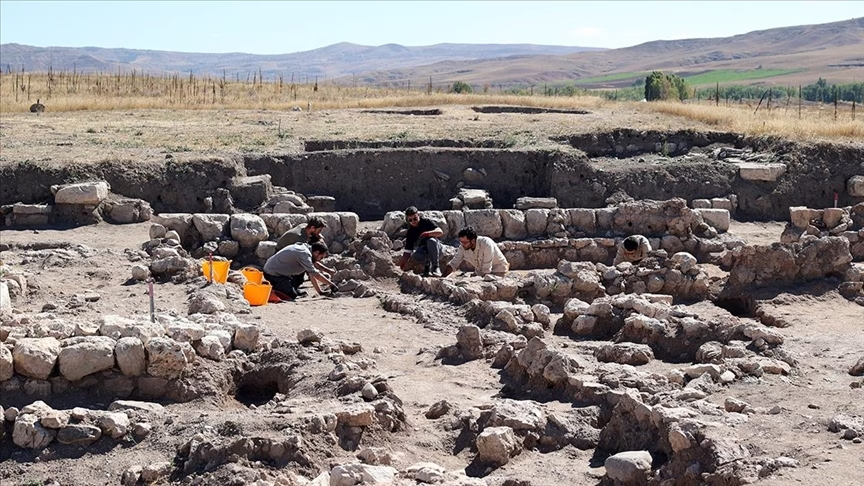
Archaeologists working in Kayalıpınar, the ancient Hittite city of Samuha, in central Türkiye have unearthed an extraordinary archive of 56 cuneiform tablets describing bird divination rituals along with 22 seal impressions linked to members of the royal family and high officials.
The excavation, conducted under the direction of Assoc. Prof. Dr. Çiğdem Maner of Koç University with the approval of the Ministry of Culture and Tourism, has revealed a previously unknown dimension of the Hittite state archives.
Prophecy in Clay
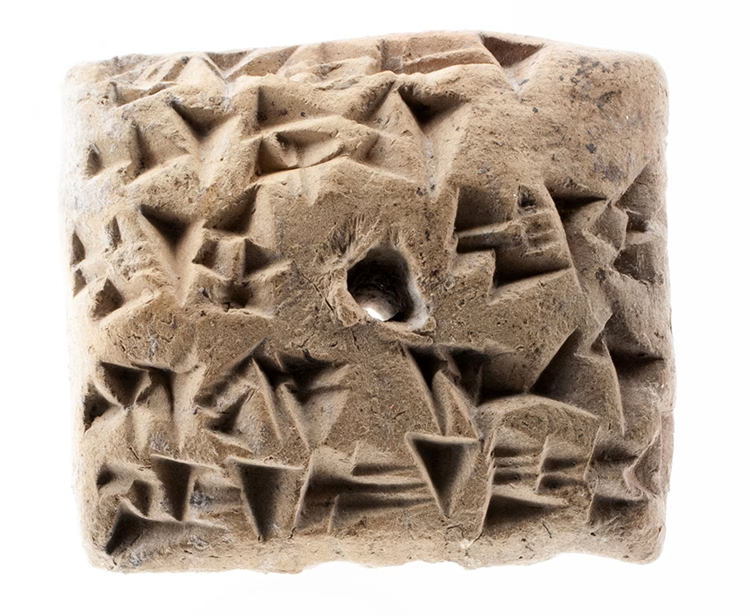
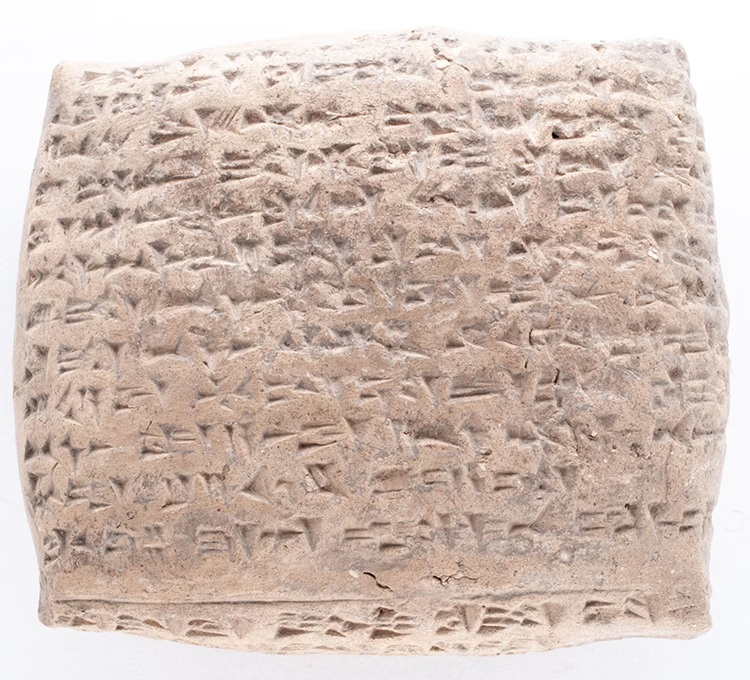
The small clay tablets, many perfectly preserved despite their 3,000-year age, provide unique insight into the Hittite belief system. They describe how diviners, known as lumušens, interpreted the flight and behavior of birds to foresee political outcomes and divine approval for decisions.
“These texts are not only religious records; they show us how prophecy was integrated into the very machinery of state,” Maner explained. “Samuha emerges as a central place where religion, politics, and administration intersected.”
Seals of Power
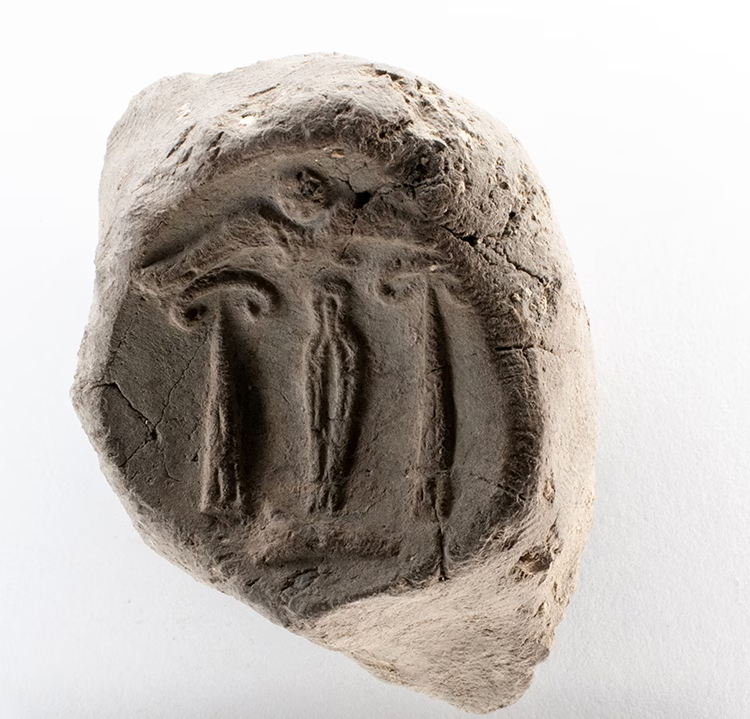
Equally significant are the 22 seal impressions recovered during the excavation. Among them are impressions belonging to Tuthaliya IV, son of the Great King Hattusili III, as well as seals of scribes, priests, and other ranking officials.
The discovery confirms the function of the excavated building as a state facility for archiving and sealing documents. “These seals are a direct window into the Hittite bureaucracy and the individuals who operated within it,” Maner added.
Samuha: A Forgotten Hittite Capital
Located in today’s Sivas province, Samuha was once one of the most important centers of the Hittite Empire. Positioned in the Kızılırmak basin, it served as a strategic military hub and a religious center where royal rituals were performed. Ancient texts also reference Samuha as a city where cult practices and political assemblies converged.
Previous excavations at Kayalıpınar uncovered traces from the Assyrian Trade Colonies Period, Hittite, Roman, and Byzantine eras. The latest findings, however, firmly establish Samuha as a key archive city of the Hittites, comparable in significance to the capital Hattusa.
Redefining Hittite History
The bird divination texts and royal seals together demonstrate how religion was used to legitimize political authority in the Late Bronze Age. They also shed light on succession struggles and decision-making at the heart of the empire.
“These discoveries will significantly reshape our knowledge of Hittite political and cultural history,” Maner concluded.