
A 1,600-Year-Old Sassanid Text No Bigger Than a Matchbox
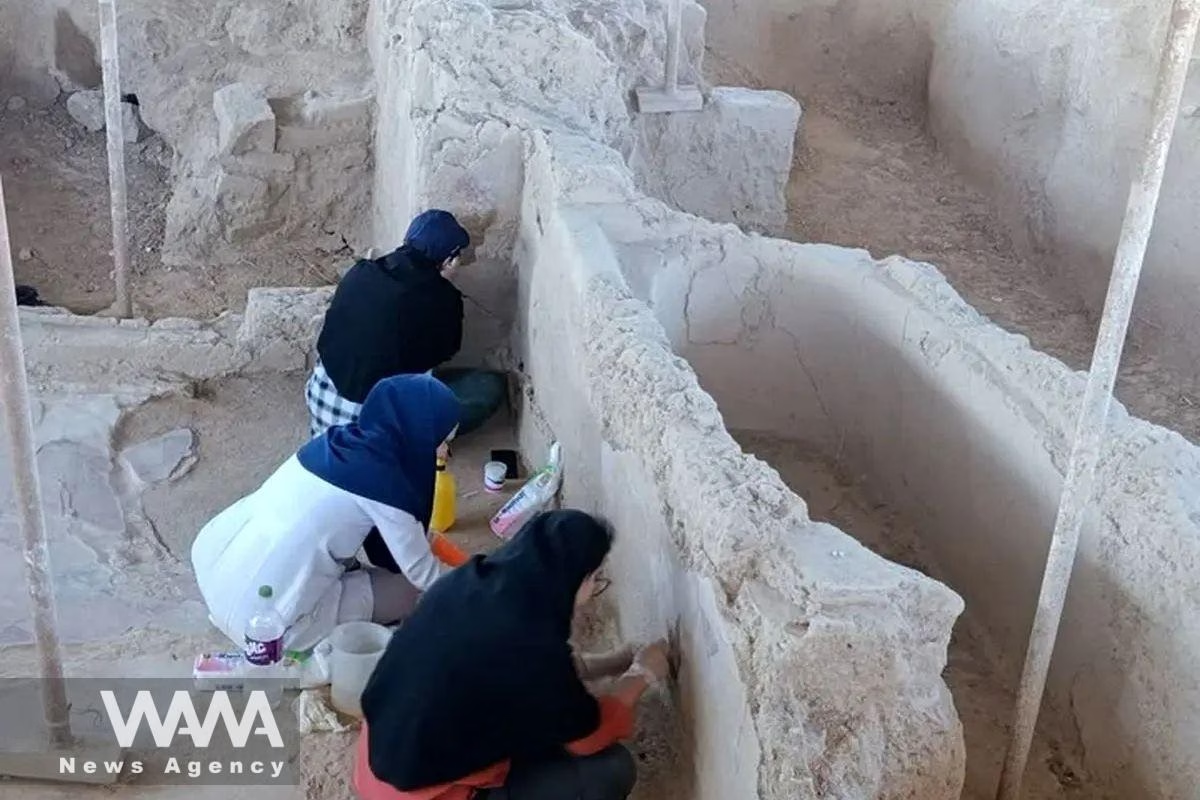
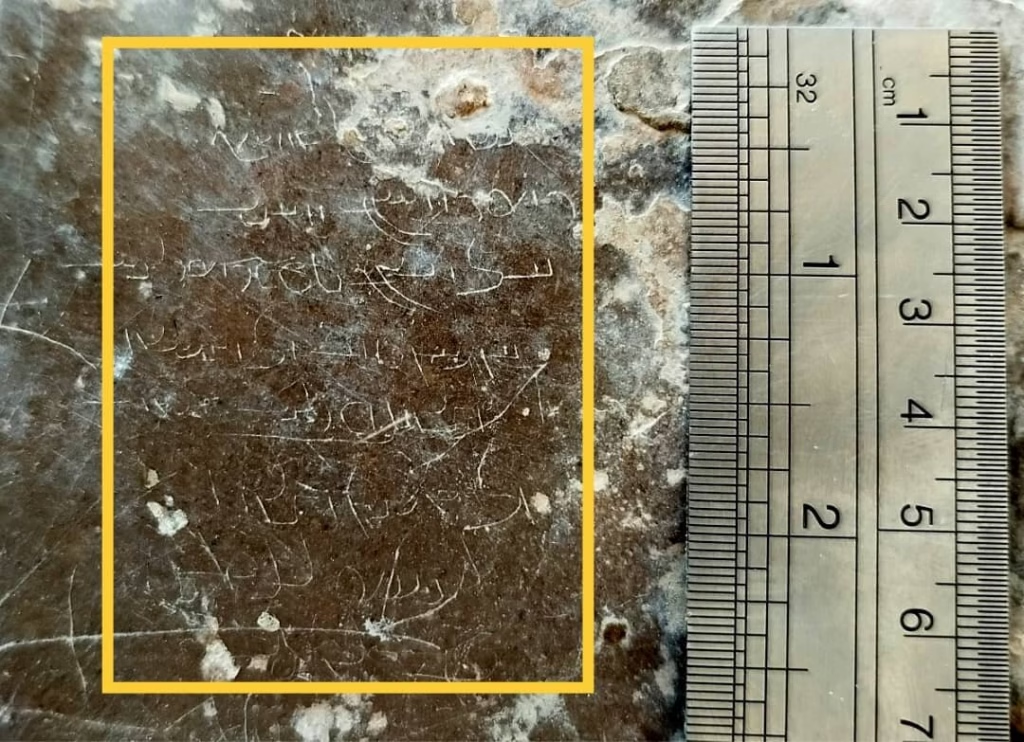
In the rocky hills of Marvdasht, Fars province, archaeologists have uncovered what is believed to be the smallest ancient inscription ever recorded. Measuring just 4 by 7 centimeters—roughly the size of a matchbox—the text was carved with a tool only half a millimeter thick.
The discovery was announced by historian Dr. Abolhassan Atabaki, who described the find as “a pure masterpiece of Sassanid art”:
“Such discoveries highlight the cultural depth of Iran and could one day become symbols of national identity and key attractions for tourism.”
Nine Lines, Two Scripts, Hidden Meanings
The inscription consists of nine lines in Pahlavi and Middle Persian scripts, though the first two lines are partially obscured by rock deposits. According to historian Najmeh Ebrahimi, the text likely carries a religious message from the late Sassanid era and was possibly composed by a resident of the ancient city of Istakhr.
Atabaki has completed a detailed study and translation of the text, which will soon appear in academic publications.
Istakhr: Once a Seat of Power
Located near Persepolis, Istakhr was a political and cultural hub during the Sassanid dynasty, founded after Ardashir I overthrew the Parthians in 224 CE. Today, only scattered architectural fragments remain within its vast walled enclosure, once protected by a moat fed by a seasonal river.
A Tiny Inscription, A Grand Legacy
The Sassanid era marked a golden age of Persian art and architecture, evident in monumental palaces and rock reliefs at Bishapur, Naqsh-e Rostam, and Naqsh-e Rajab. This newly discovered miniature inscription adds another dimension to that legacy—perfection in the smallest details