In Rome’s Via Ostiense district, four museum archaeologists discovered a 2,000-year-old marble inscription discarded in a trash container. The find highlights the fragility of ancient heritage and the risks it faces even in the heart of the Eternal City.
Ancient Epigraph in the Trash
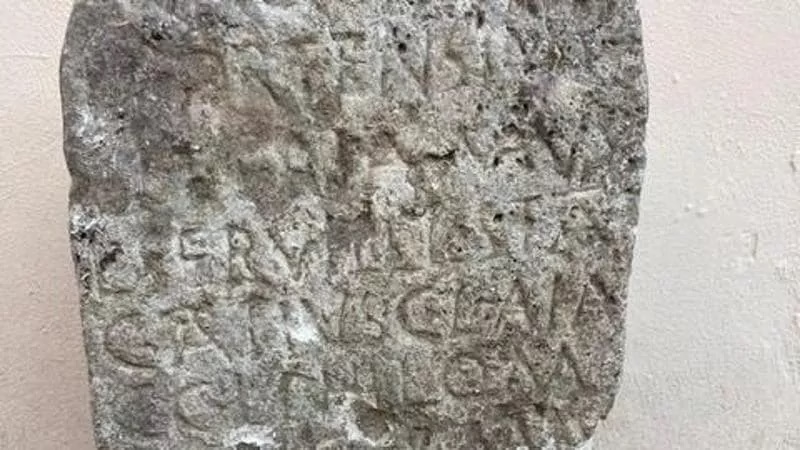
The archaeologists noticed a large marble block leaning against a container. On closer inspection, they identified Latin inscriptions on its surface, confirming it was a Roman-era epigraph more than a meter long. The piece was immediately secured for preservation.
Taken Under State Protection
Following the discovery, the Soprintendenza Archeologia Belle Arti e Paesaggio and the Carabinieri TPC (Cultural Heritage Protection Unit) intervened. The inscription was transferred to a restoration laboratory in Rome, where detailed studies are now underway.
Construction Site Suspicion
Authorities are investigating how such a significant artifact ended up in the trash. Initial findings suggest it may have been unearthed during nearby construction works and illegally discarded instead of being formally reported, as required by Italian law.
Historical Value of Via Ostiense
Via Ostiense was one of the most strategic roads of Ancient Rome, linking the capital to the port city of Ostia. Archaeologists believe this inscription could shed new light on the political, social, or religious life of the empire. Its accidental rescue is seen as a valuable addition to the city’s archaeological record.