
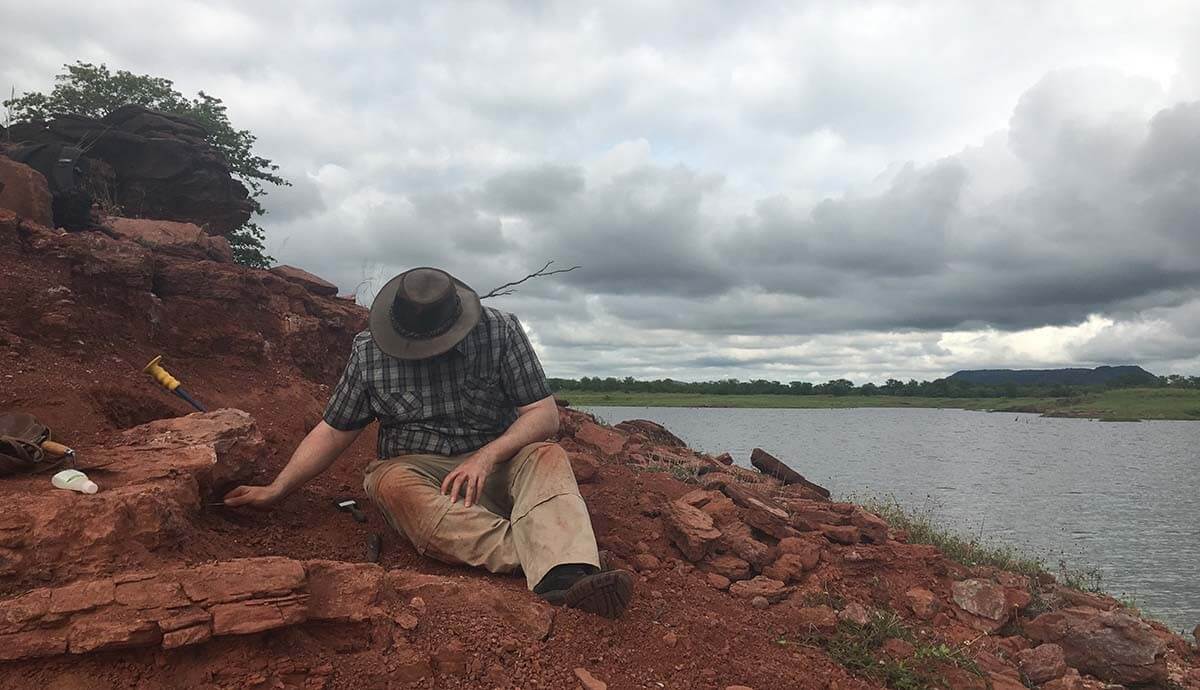
A 210-million-year-old dinosaur found in Zimbabwe carried evidence of a difficult episode in its short life. Before dying at roughly eight years old, Musango matusadonaensis had recovered from a serious injury or infection, leaving traces that researchers could still recognize in its fossilized bones.
Nearly fully grown when it died, the animal now represents the fifth dinosaur species formally named from Zimbabwe. Its description appeared in the Journal of Systematic Palaeontology, with London’s Natural History Museum announcing the findings on July 29, 2026. The discovery brings an individual animal into focus while adding to a remarkably small record of the country’s dinosaur diversity.
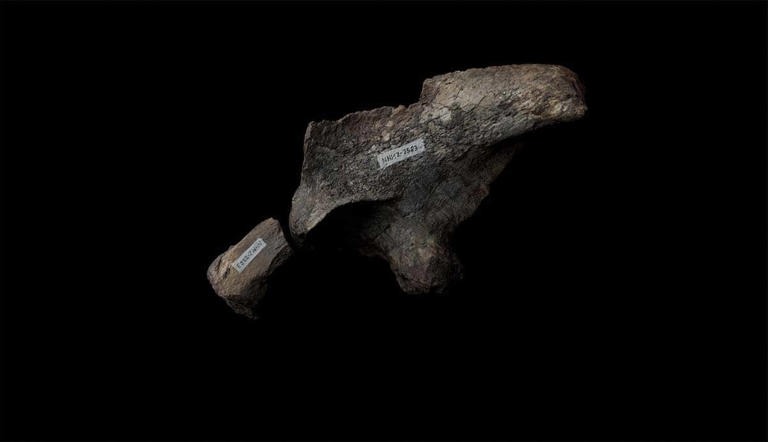
An incomplete skeleton with a personal history
Researchers recovered parts of the spine, ribs, arms, legs and feet. Together, they describe a lightly built dinosaur approximately 4.5 meters long and weighing an estimated 222 kilograms. Musango walked on two legs and belonged to the sauropodomorphs, the broader group that includes the enormous, long-necked dinosaurs familiar from later periods.
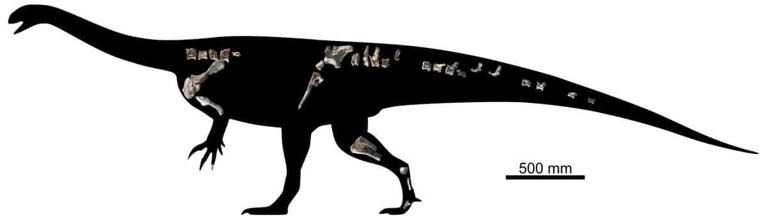
The missing skull leaves an everyday question unanswered: what did it eat? Its relatives suggest a plant-based or omnivorous diet, but the researchers cannot confidently choose between them. The evidence of recovery adds another detail to its life history, although it does not establish what ultimately killed it.
A fossil hunt conducted from a boat
Musango’s remains emerged from rocks a few meters above Lake Kariba. During expeditions in 2017 and 2018, Zimbabwean, South African and British researchers used a boat to explore the shoreline, allowing them to move between sites and stay safely away from nearby elephants, crocodiles and hippos.
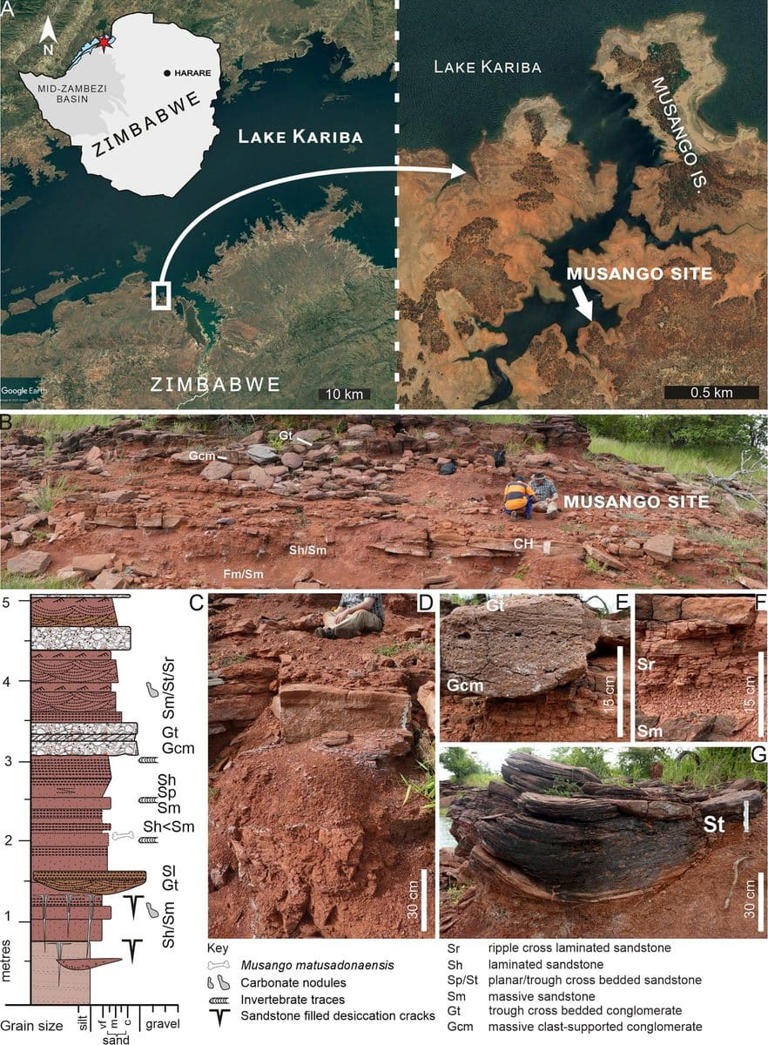
The setting is reflected in the dinosaur’s name. Musango means “living in the bush” in ChiShona, while matusadonaensis refers to nearby Matusadona National Park. After excavation, the fossils underwent preparation and study at Johannesburg’s Evolutionary Studies Institute before returning to Zimbabwe’s Natural History Museum.
These expeditions built on a much-needed return to the region. A 2020 study documented fossil-bearing sites along Lake Kariba’s southern shore after decades of limited attention. Researchers recorded remains of aquatic and land-dwelling animals, including lungfish, amphibians and early dinosaur relatives, establishing a richer setting in which to understand discoveries such as Musango.
Two relatives sharing an ancient landscape
Musango joins the larger Musankwa sanyatiensis, found in the same rock succession. Analysis places them as each other’s closest relatives, yet they were distinct species sharing a landscape with rivers and freshwater animals.
Their coexistence raises questions about how they divided food resources. Lead researcher Professor Paul Barrett suggests that adults may have browsed at different heights and eaten different vegetation, although that remains an interpretation.
More broadly, the discoveries support a picture of southern Africa as a patchwork of ancient ecosystems, with different dinosaur communities. Barrett says the team already has another species awaiting description and reports of additional fossils to investigate. Musango’s place as Zimbabwe’s fifth named dinosaur may prove to be one step in a much longer list.
Cover Image: Professor Paul Barrett excavates Musango fossils from rocks beside Lake Kariba in Zimbabwe. Credit: © Paul Barrett / Natural History Museum.