
Nine Parthenon fragments requested from Athens will remain in Greece while two pieces from the British Museum head to Frankfurt for an exhibition reconstructing the temple’s ancient sculptures. The divided response puts a sensitive question at the center of the project: what does bringing the pieces together mean when their possession remains disputed?
For Greece, which has long sought the sculptures’ permanent reunification in Athens, a temporary gathering in another country carries different implications. The Frankfurt exhibition would display pieces from the Acropolis Museum alongside British Museum fragments that Greece wants returned.
According to Greek Reporter’s September 4 report, Greece’s Central Archaeological Council unanimously recommended rejecting the request for nine fragments. The reported objection concerned their proposed display alongside the disputed London-held pieces.
A Loan Request Meets an Unresolved Dispute
The exhibition’s organizer, Frankfurt’s Liebieghaus Skulpturensammlung, has acknowledged the cancellation of the Greek loans. A British Museum spokesperson separately confirmed to The Art Newspaper that its two loans would proceed.
The Greek Culture Ministry did not respond to that publication’s requests for confirmation. The detailed grounds for the Greek decision therefore remain attributable to press reports, rather than a directly available ministry statement.
At issue is a distinction between exhibiting fragments together temporarily and returning them to the place Greece considers their permanent home. A shared exhibition could bring individual pieces into the same building while leaving the disagreement between Greece and the British Museum untouched.
The Frankfurt museum, meanwhile, is pursuing a research project about the sculptures’ original arrangement. Its exhibition will go ahead without the nine requested fragments from Athens.
Roman Carvings Offer Clues to a Greek Monument
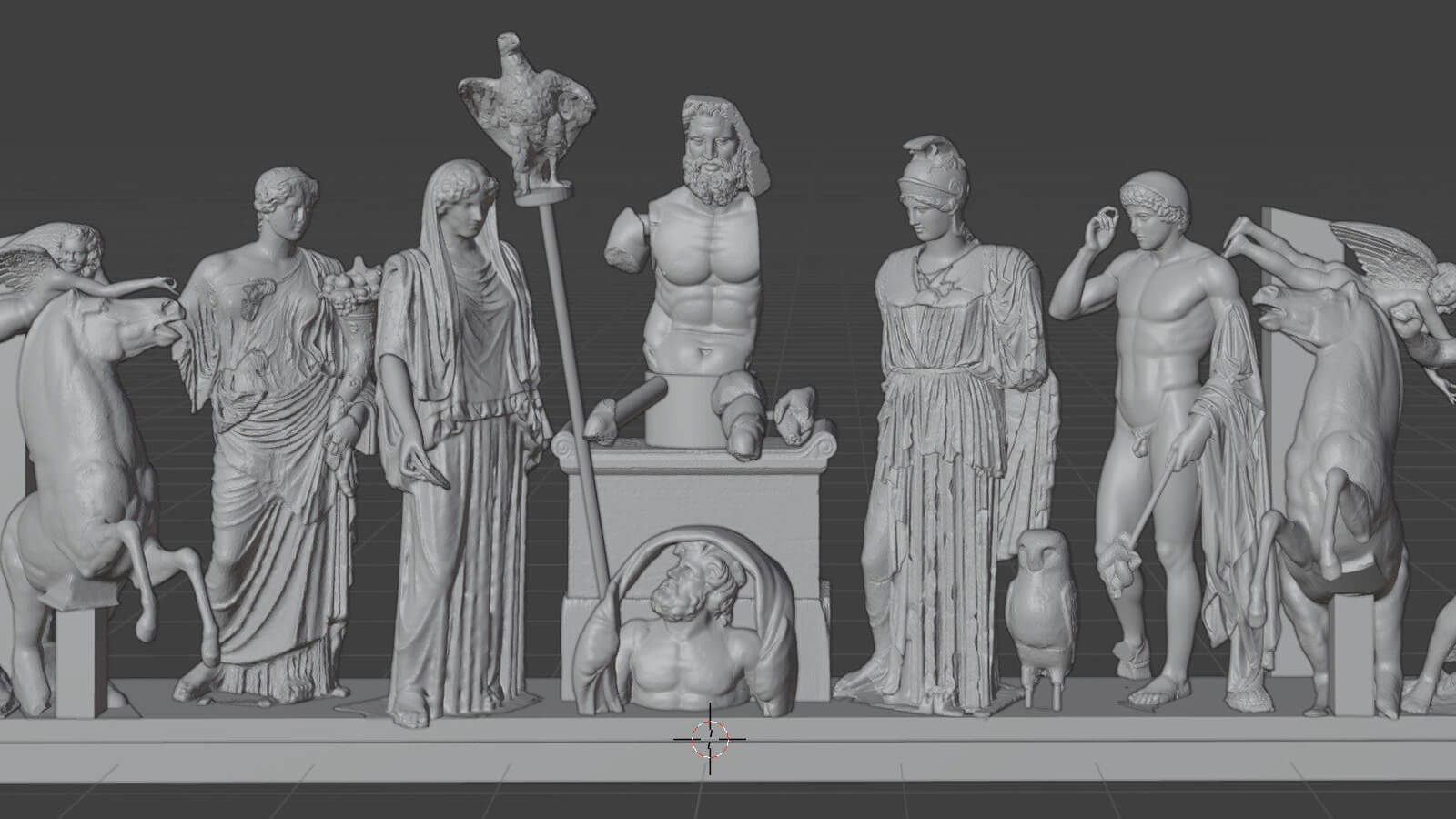
“Athena, the Stage is Yours: The Parthenon Puzzle” focuses on the temple’s east pediment, the triangular space above its main entrance. Its sculptures depicted Athena’s birth from the head of Zeus, forming a monumental scene above visitors approaching the fifth-century BCE temple.
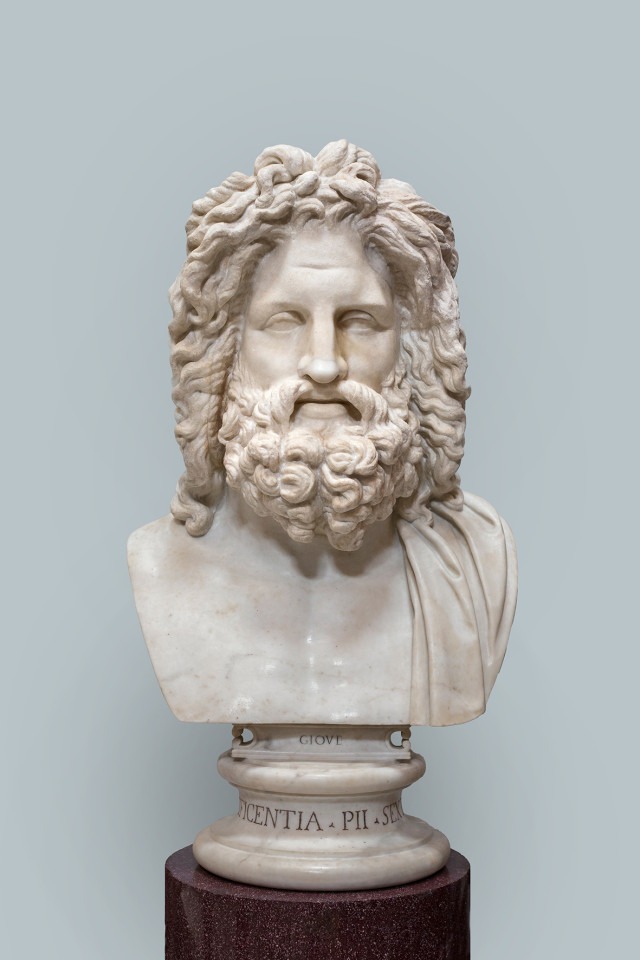
The surviving fragments preserve only part of that composition. Researchers must work out which figures they belonged to, how those figures stood and how the group fitted into the architectural space.
According to the Liebieghaus’s official announcement, a team led by antiquities curator Vinzenz Brinkmann has reassessed numerous fragments and developed a proposed reconstruction of the complete ensemble.
Brinkmann told The Art Newspaper that nine reliefs on Roman sarcophagus lids provided crucial evidence. He argues that they preserve different groups of figures from the composition, allowing his team to compare those depictions with surviving Parthenon fragments. Scanning and 3D printing also helped the researchers rebuild the fragmentary evidence.
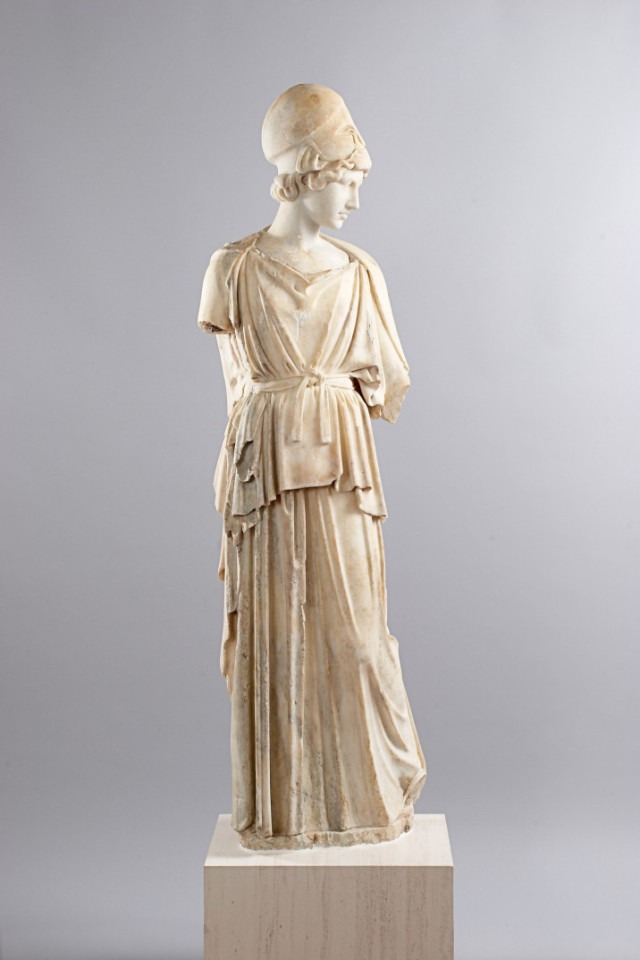
The exhibition will present these conclusions as a reconstruction proposal, explaining the research behind the arrangement rather than displaying it as an intact ancient discovery.
What Will Travel From London
The British Museum’s loans include a base preserving two feet and a tree stump, and a fragment of folded drapery. The base also illustrates an unresolved scholarly question: British Museum curators associate it with the west pediment, while Brinkmann places it in the east.
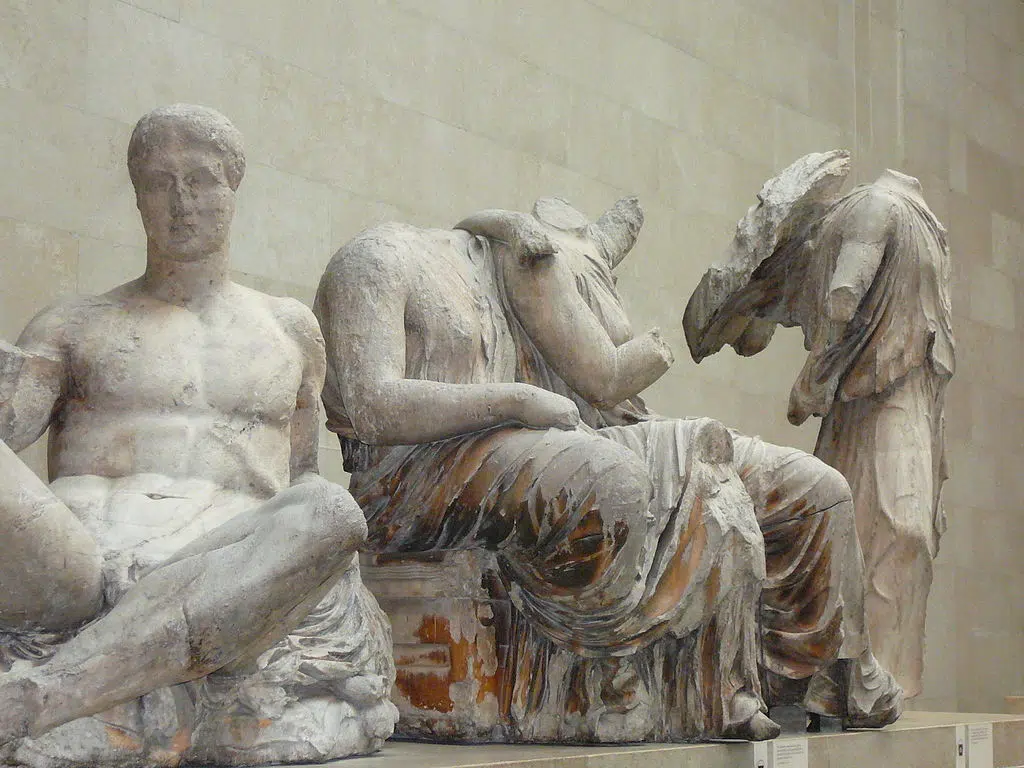
Visitors will therefore encounter both original material and a new interpretation of where some of it belonged. The Liebieghaus plans to guide audiences through the reconstruction process, alongside international loans, a history of Parthenon research and an animation of the proposed sculptural group.
The exhibition runs from November 18, 2026, to July 25, 2027. Frankfurt will present its reconstruction with the two London loans; the nine fragments requested from the Acropolis Museum will remain in Athens.
Cover Image: A proposed reconstruction of the figures on the Parthenon’s east pediment, depicting the birth of Athena from the head of Zeus. Credit: Vinzenz Brinkmann and Ulrike Koch-Brinkmann, 2026 / Liebieghaus Skulpturensammlung, Frankfurt am Main